Best Wet/Dry Vacuums for Home and Garage
Affiliate Disclosure: HomeGear Guide is reader-supported. When you buy through links on our site, we may earn an affiliate commission at no extra cost to you. We do not accept paid product placements or sponsor-biased reviews.
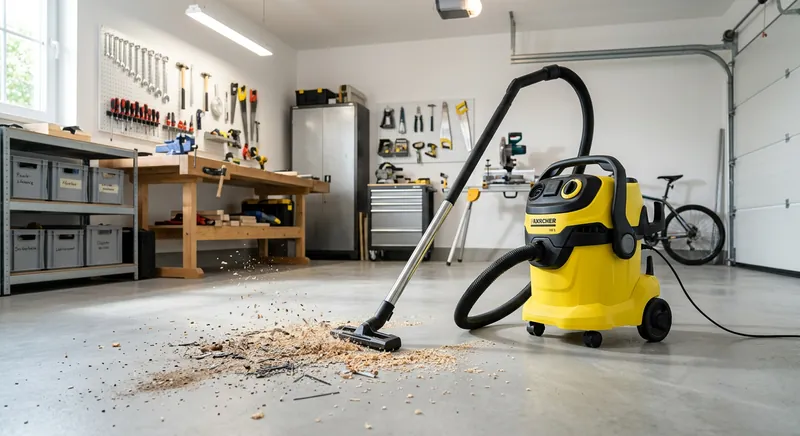
A wet/dry vacuum — often called a shop vac — handles the messes a household vacuum cannot. Sawdust, drywall dust, nails, water spills, and garage debris are all within its scope. Unlike a household vacuum, a wet/dry vacuum can pick up liquids without damage, and its rugged construction tolerates nails, screws, and abrasive debris that would destroy a home vacuum. Choosing the right capacity, horsepower, and hose diameter ensures the vacuum can handle the messes you actually encounter.
Quick Answer
A 5 to 8 gallon wet/dry vacuum with 4 to 6 peak horsepower is the best choice for most homeowners because it handles the majority of household and garage messes including sawdust, drywall dust, water spills, and general debris without being too large to store or move. A 2-and-a-half-inch diameter hose offers the best balance of suction power and clog resistance for mixed debris, while a 1-and-a-quarter-inch hose is better for automotive and detail work. A drain port is essential if you plan to use the vacuum for liquid pickup, as emptying a heavy tank of water without one is difficult. The main trade-off is capacity versus portability, with larger tanks holding more but weighing significantly more when full. A blower function that converts the exhaust to a blowing port adds versatility for clearing leaves and debris.
Top Picks at a Glance
5-Gallon Wet/Dry Vacuum
12-Gallon Wet/Dry Vacuum
Compact Wet/Dry Vacuum
Wall-Mounted Wet/Dry Vacuum
Product Comparison
| Product | Best For | Capacity | HP | Hose Diameter | Features | Price Range | Details |
|---|---|---|---|---|---|---|---|
5-Gallon Wet/Dry Vacuum Best Overall | General home and garage cleanup | 5 gallons | 3–4.5 HP | 1-1/4 to 2 inches | Wet/dry, blower port | $60–$120 | View Review ↓ |
12-Gallon Wet/Dry Vacuum Best for Garage Workshop | Larger workshops and extensive cleanup | 12 gallons | 5–6.5 HP | 2 to 2-1/2 inches | Wet/dry, blower port, drain | $100–$180 | View Review ↓ |
Compact Wet/Dry Vacuum Best for Small Cleanup | Small spills and light cleanup | 2–3 gallons | 1.5–2.5 HP | 1 to 1-1/4 inches | Wet/dry, blower port | $40–$70 | View Review ↓ |
Wall-Mounted Wet/Dry Vacuum Best for Limited Floor Space | Garages with limited floor space | 4–6 gallons | 3–5 HP | 1-1/4 to 2 inches | Wall mount, remote control, blower | $150–$250 | View Review ↓ |
5-Gallon Wet/Dry Vacuum
Best Overall- Best For:
- General home and garage cleanup
- Capacity:
- 5 gallons
- HP:
- 3–4.5 HP
- Hose Diameter:
- 1-1/4 to 2 inches
- Features:
- Wet/dry, blower port
- Price Range:
- $60–$120
12-Gallon Wet/Dry Vacuum
Best for Garage Workshop- Best For:
- Larger workshops and extensive cleanup
- Capacity:
- 12 gallons
- HP:
- 5–6.5 HP
- Hose Diameter:
- 2 to 2-1/2 inches
- Features:
- Wet/dry, blower port, drain
- Price Range:
- $100–$180
Compact Wet/Dry Vacuum
Best for Small Cleanup- Best For:
- Small spills and light cleanup
- Capacity:
- 2–3 gallons
- HP:
- 1.5–2.5 HP
- Hose Diameter:
- 1 to 1-1/4 inches
- Features:
- Wet/dry, blower port
- Price Range:
- $40–$70
Wall-Mounted Wet/Dry Vacuum
Best for Limited Floor Space- Best For:
- Garages with limited floor space
- Capacity:
- 4–6 gallons
- HP:
- 3–5 HP
- Hose Diameter:
- 1-1/4 to 2 inches
- Features:
- Wall mount, remote control, blower
- Price Range:
- $150–$250
Detailed Product Reviews & Specifications
5-Gallon Wet/Dry Vacuum
A 5-gallon wet/dry vacuum that balances capacity, portability, and power. Large enough for most home cleanup tasks but light enough to carry easily. Handles both wet and dry pickup and converts to a blower for clearing leaves and debris.
Pros
- •Good balance of capacity and portability
- •Handles both wet and dry messes
- •Blower function for outdoor debris
- •Wide accessory availability
Cons
- •Tank requires emptying after moderate use
- •Can tip if hose is pulled at an angle
- •Louder than household vacuums
Key Specifications
12-Gallon Wet/Dry Vacuum
A 12-gallon wet/dry vacuum with higher horsepower and larger tank capacity for bigger cleanup jobs. Designed for garage workshops, renovation projects, and situations where frequent tank emptying is inconvenient. Larger hose diameter handles bigger debris.
Pros
- •Large capacity reduces emptying frequency
- •Higher suction power
- •Wider hose handles larger debris
- •Drain port for easy liquid disposal
Cons
- •Larger footprint requires storage space
- •Heavier when full
- •Less portable than smaller models
Key Specifications
Compact Wet/Dry Vacuum
A compact 2–3 gallon wet/dry vacuum for small spills and light cleanup. Lightweight and easy to carry, with a smaller footprint for storage. Suitable for quick cleanups that do not warrant getting out a full-size vacuum.
Pros
- •Lightweight and easy to carry
- •Small storage footprint
- •Good for quick small cleanups
- •Affordable entry point
Cons
- •Small tank fills quickly
- •Lower suction power
- •Smaller hose limits debris size
Key Specifications
Wall-Mounted Wet/Dry Vacuum
A wall-mounted wet/dry vacuum that secures to a garage or workshop wall, freeing up floor space. The vacuum stays in a fixed location with a long hose that reaches the work area. Includes a remote control switch on the hose handle for convenient operation.
Pros
- •Frees up floor space
- •Always in a ready position
- •Long hose reaches across garage
- •Remote control on hose handle
Cons
- •Requires wall installation
- •Fixed location — not portable
- •Higher cost than equivalent portable models
Key Specifications
Gallon Capacity and Horsepower
Gallon capacity determines how much debris or liquid the vacuum holds before emptying. A 5-gallon tank suits most home cleanup, while a 12-gallon tank is better for workshops and renovation projects. Larger tanks mean fewer trips to empty but also a larger footprint and heavier weight when full.
Horsepower ratings on wet/dry vacuums are peak ratings, not continuous, and are not directly comparable between brands. More useful is the suction airflow rating, often listed in CFM. Higher CFM means stronger suction. For home use, any major-brand wet/dry vacuum provides adequate suction for typical messes.
Wet and Dry Pickup
The defining feature of a wet/dry vacuum is its ability to pick up liquids. For dry pickup, a filter bag or cartridge filter traps dust and debris before it reaches the motor. For wet pickup, the filter is removed or bypassed, and liquid collects in the tank with a float valve that shuts off suction when the tank is full.
When switching from dry to wet pickup, remove the dust filter to prevent it from saturating and reducing suction. When switching back to dry, reinstall the filter. Some models use a reusable cartridge filter that handles both wet and dry, but it must be dry before dry pickup to prevent caking.
Hose Diameter and Accessories
Hose diameter affects the size of debris the vacuum can handle. A 1-1/4 inch hose is standard on compact models and handles dust, dirt, and small debris. A 2-inch or larger hose, found on bigger models, can pick up nails, wood chips, and larger debris without clogging.
Accessories extend the vacuum's versatility. A utility nozzle handles general debris, a crevice tool reaches tight spaces, a brush nozzle protects delicate surfaces, and a floor nozzle sweeps wide areas. Some models include accessory storage on the vacuum body so attachments are always with the tool.
Blower Function and Portability
Most wet/dry vacuums convert to a blower by connecting the hose to the exhaust port. This is useful for clearing leaves, grass clippings, and debris from driveways, patios, and garage floors. The blower function effectively turns the vacuum into a reverse leaf blower.
Portability varies by model. Compact and 5-gallon vacuums are easy to carry by a built-in handle. Larger models may have wheels and a pull handle for moving when full. Wall-mounted models sacrifice portability for floor space savings. Consider where you will use and store the vacuum when choosing a size.
Frequently Asked Questions
Yes, wet/dry vacuums are designed to pick up liquids. Remove the dust filter before wet pickup, and the float valve will shut off suction when the tank is full. For significant flooding, a larger tank capacity reduces emptying trips. Never use a standard household vacuum for water — it is not designed for wet pickup and poses an electrical hazard.
Final Verdict
For most homeowners, a 5-gallon wet/dry vacuum offers the best balance of capacity, portability, and price. It handles routine garage and workshop cleanup, picks up both wet and dry messes, and includes a blower function for outdoor debris. If you have a dedicated workshop or undertake renovation projects, a 12-gallon model reduces emptying frequency and handles larger debris through a wider hose. A compact vacuum is useful for small cleanups but fills quickly. Wall-mounted models are ideal for garages with limited floor space. Always use the appropriate filter for wet or dry pickup, and consider a fine-dust filter for drywall work.
Sarah Mitchell
Home Improvement Editor
Sarah writes about home improvement products, tools, and materials for HomeGear Guide. Her work focuses on comparing product features, use cases, and practical buying considerations for homeowners.
Related Articles & Buying Guides
 Tools & DIY Equipment
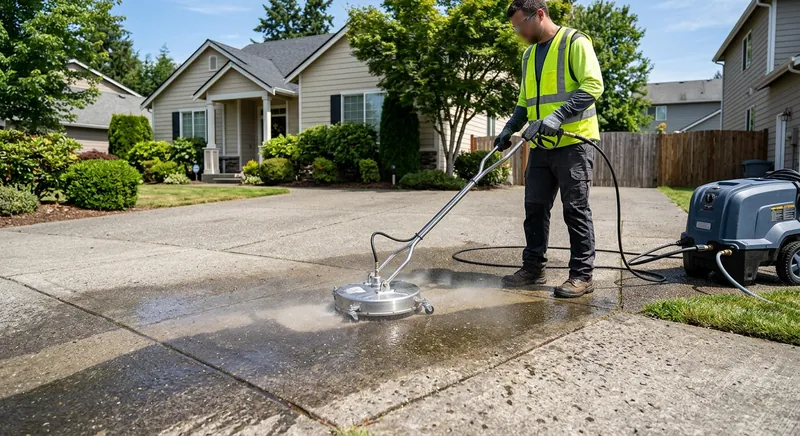
Best Pressure Washers for Home Cleaning
Compare electric and gas pressure washers by PSI, flow rate, cleaning units, and pump types to find the right tool for cars, siding, decks, and concrete.
 Tools & DIY Equipment
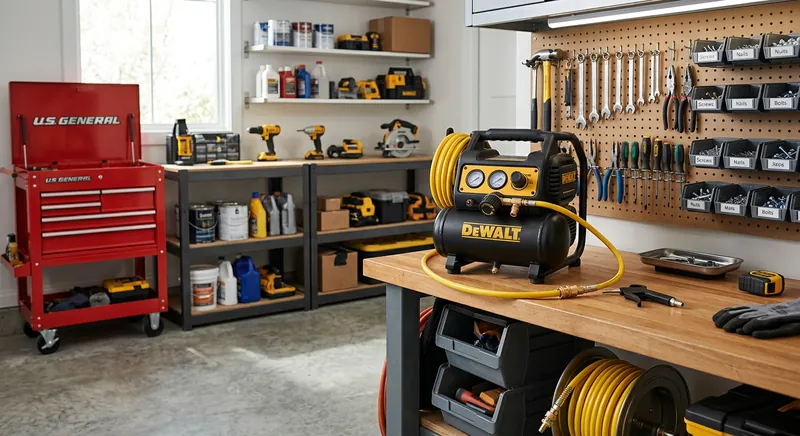
Best Air Compressors for Home Use
Compare pancake, hot dog, and vertical air compressors by tank size, CFM at 90 PSI, and pump type. Find the right compressor for nail guns and home pneumatic tools.
 Tools & DIY Equipment
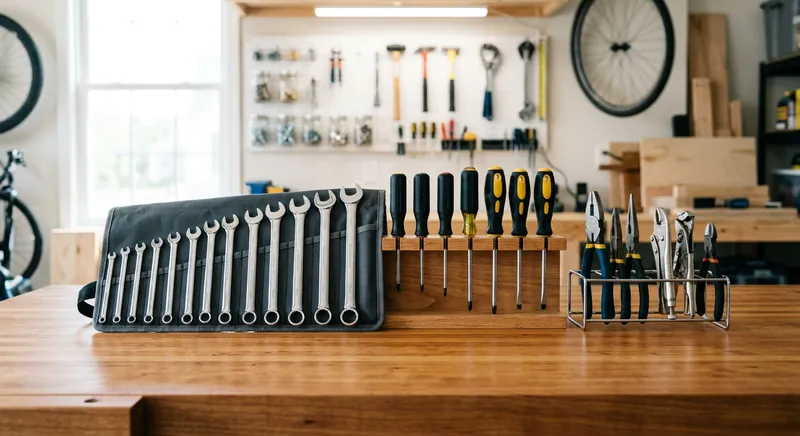
Best Tool Sets for Homeowners
Compare 100-piece to 200-piece home tool sets and power tool combo kits. Learn what essentials to look for and which sets offer the best value for homeowners.
Get Smarter About Your Home
Receive practical buying guides, product comparisons, maintenance tips and home project ideas from HomeGear Guide.
You can unsubscribe at any time.