Best Wheelchair Ramps for Home Access and Mobility
Affiliate Disclosure: HomeGear Guide is reader-supported. When you buy through links on our site, we may earn an affiliate commission at no extra cost to you. We do not accept paid product placements or sponsor-biased reviews.
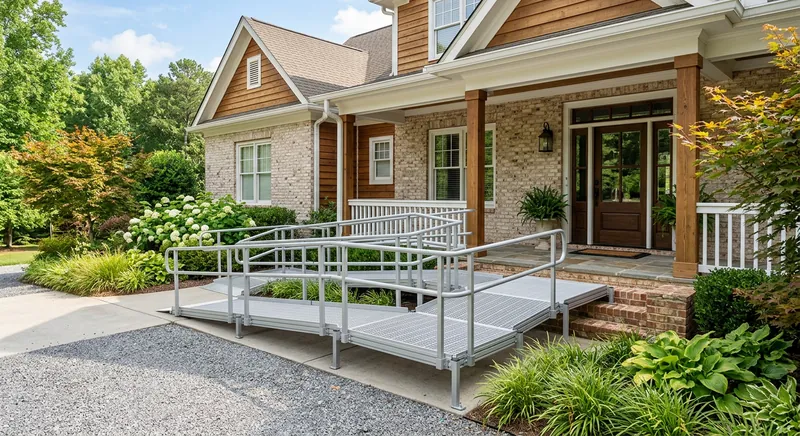
A wheelchair ramp removes one of the most common barriers to getting in and out of a home: the steps at the entrance. Whether the ramp is for a wheelchair user, a mobility scooter rider, or someone who simply cannot manage stairs safely, the right ramp restores access to the outside world. But a ramp is only safe if it is built to the right slope, length, width, and weight capacity. A ramp that is too steep, too narrow, or too short for the rise it covers is dangerous — and a ramp that is not properly anchored can shift under load. Understanding the difference between portable, modular, threshold, and solid ramps, and the slope rules that govern all of them, is what makes the difference between a ramp that works and one that does not.
Quick Answer
For most residential entry steps, a modular aluminum wheelchair ramp with a 1-to-12 slope ratio, 36-inch width, and 600-pound weight capacity is the best choice because modular ramps are adjustable to any entry height, install without permanent construction, can be reconfigured or removed if needs change, and support both wheelchair and mobility scooter use. The 1-to-12 slope ratio, meaning 1 inch of rise per 12 inches of ramp length, is the ADA standard that ensures a safe manageable incline for manual wheelchair users. Portable folding ramps are the budget alternative for 1 to 2 step entries, costing 100 to 400 dollars versus 1,000 to 3,000 for modular systems. The main trade-off is permanence versus cost, as solid permanent ramps made of wood or concrete provide the most stable surface but require building permits and construction. Threshold ramps under 6 inches high are simple 50 to 150 dollar solutions for door barriers. Always include a level landing at the top and bottom.
Top Picks at a Glance
Modular Aluminum Ramp
Folding Portable Ramp
Threshold Ramp
Solid Wheelchair Ramp
Product Comparison
| Product | Best For | Material | Weight Capacity | Surface | Price Range | Details |
|---|---|---|---|---|---|---|
Modular Aluminum Ramp Best for Permanent | A permanent or semi-permanent ramp for a home entrance | Aluminum | 600–800 lbs | Slip-resistant textured | $300–$3,000 | View Review ↓ |
Folding Portable Ramp Best for Portability | Portable access for vehicles, steps, and temporary needs | Aluminum | 600–800 lbs | Slip-resistant grit or textured | $100–$600 | View Review ↓ |
Threshold Ramp Best for Doorways | Bridging small rises at doorways and thresholds | Rubber or aluminum | 600–1,000 lbs | Slip-resistant | $30–$150 | View Review ↓ |
Solid Wheelchair Ramp Best for Short Rises | Short rises where a one-piece ramp is practical | Aluminum or rubber | 600–800 lbs | Slip-resistant | $80–$400 | View Review ↓ |
Modular Aluminum Ramp
Best for Permanent- Best For:
- A permanent or semi-permanent ramp for a home entrance
- Material:
- Aluminum
- Weight Capacity:
- 600–800 lbs
- Surface:
- Slip-resistant textured
- Price Range:
- $300–$3,000
Folding Portable Ramp
Best for Portability- Best For:
- Portable access for vehicles, steps, and temporary needs
- Material:
- Aluminum
- Weight Capacity:
- 600–800 lbs
- Surface:
- Slip-resistant grit or textured
- Price Range:
- $100–$600
Threshold Ramp
Best for Doorways- Best For:
- Bridging small rises at doorways and thresholds
- Material:
- Rubber or aluminum
- Weight Capacity:
- 600–1,000 lbs
- Surface:
- Slip-resistant
- Price Range:
- $30–$150
Solid Wheelchair Ramp
Best for Short Rises- Best For:
- Short rises where a one-piece ramp is practical
- Material:
- Aluminum or rubber
- Weight Capacity:
- 600–800 lbs
- Surface:
- Slip-resistant
- Price Range:
- $80–$400
Detailed Product Reviews & Specifications
Modular Aluminum Ramp
A modular ramp system made from prefabricated aluminum sections that bolt together to cover the required rise. Aluminum is lightweight, rust-proof, and strong enough for high weight capacities. The modular design means the ramp can be configured to the needed length and removed if no longer required.
Pros
- •Rust-proof aluminum stands up to weather without maintenance
- •Modular sections can be configured to the required length and layout
- •High weight capacity suitable for wheelchairs and scooters
- •Can be disassembled and relocated if needed
Cons
- •Higher cost than portable or threshold ramps
- •Requires assembly and secure anchoring
- •May require a building permit depending on local codes
Key Specifications
Folding Portable Ramp
A folding ramp, typically made of aluminum, that folds in half or in thirds for transport and storage. Designed for temporary use — loading a wheelchair or scooter into a vehicle, bridging a step, or accessing a raised entry. Carries easily and sets up in seconds.
Pros
- •Folds compactly for transport and storage
- •Sets up quickly for temporary access
- •Lightweight aluminum is easy to carry
- •Versatile for vehicles, steps, and raised entries
Cons
- •Limited length means it only suits shorter rises
- •Not designed for permanent installation
- •Must be positioned carefully on a stable surface each use
Key Specifications
Threshold Ramp
A short, solid ramp designed to bridge the small rise at a doorway threshold — typically 1 to 6 inches. Made of rubber or aluminum, a threshold ramp sits flush against the threshold so a wheelchair or scooter can roll over the lip without catching.
Pros
- •Solves the common threshold lip that catches wheelchair wheels
- •Simple solid design with no assembly
- •Rubber models conform to uneven surfaces
- •Affordable and easy to position
Cons
- •Only suits very short rises (typically under 6 inches)
- •Not for stairs or larger rises
- •Solid design cannot be adjusted for different heights
Key Specifications
Solid Wheelchair Ramp
A one-piece solid ramp, typically made of aluminum or rubber, with no folding or modular joints. Designed for short rises where a single rigid surface is the simplest and most stable solution. No assembly required — position it and it is ready to use.
Pros
- •No joints or moving parts for maximum stability
- •Quick to position with no assembly
- •Solid surface feels secure underfoot and under wheels
- •Durable with minimal maintenance
Cons
- •Single solid piece is heavy and hard to move at longer lengths
- •Limited to shorter rises because of weight and storage
- •Cannot be folded or disassembled for transport
Key Specifications
Portable, Modular, Threshold, and Solid Ramps
Wheelchair ramps come in four main types, each suited to a different access need. A portable folding ramp is designed to be carried and deployed for temporary use — loading a wheelchair into a vehicle, bridging a single step, or accessing a raised entry on the go. It folds for transport and is the most flexible option for changing situations.
A modular aluminum ramp is a permanent or semi-permanent system built from prefabricated sections that bolt together to cover a larger rise at a home entrance. It is the right choice when you need a ramp that stays in place and handles the full rise of a set of entry steps. A threshold ramp is a short, solid ramp that bridges the small lip at a doorway. A solid one-piece ramp is a simple, stable solution for a short rise where a single rigid surface is practical.
Which Ramp for Which Situation?
For a home entrance with several steps, a modular ramp sized to the full rise is the answer. For a single step or vehicle loading, a folding portable ramp works. For a doorway threshold lip that catches wheels, a threshold ramp solves it. For a short rise where a stable one-piece surface is fine and portability is not needed, a solid ramp is the simplest option.
Slope and Length: The 1:12 Rule
Slope is the most important safety factor for any wheelchair ramp, and the standard guideline is 1:12 — meaning one inch of rise requires one foot of ramp length. A 12-inch rise needs a 12-foot ramp to maintain a safe, manageable slope. Steeper slopes are difficult or impossible for a manual wheelchair user to climb and dangerous to descend. For scooters and power wheelchairs, the 1:12 slope is a good baseline, though some manufacturers allow steeper slopes for short rises — follow the device manufacturer's guidance.
Longer ramps with a gentler slope are always safer and easier to use. If space allows, a 1:16 or 1:20 slope is even more comfortable. Never use a ramp that is too short for the rise, as the steep slope creates a tipping and roll-back hazard. Measure the rise — the vertical height from the ground to the top of the entry — before selecting a ramp length.
Landings and Platform Requirements
Any ramp over a certain length needs a level landing partway up for resting and turning. A straight ramp should have a landing at least every 30 feet, and any ramp that changes direction needs a landing at the turn. The top and bottom of every ramp should have a level landing so the user can stop, turn, and open a door safely. Landings should be at least as wide as the ramp and a minimum of 60 inches square for turning space.
Material: Aluminum vs. Steel
Aluminum is the most common ramp material for home use because it is lightweight, rust-proof, and strong. An aluminum ramp left outside year-round will not corrode, which makes it a low-maintenance choice. It is also light enough that modular sections can be handled during installation without heavy equipment.
Steel ramps are extremely strong but heavier and susceptible to rust if the coating is scratched. Steel is more common in commercial or heavy-duty permanent installations. For residential use, aluminum is generally the better choice unless the ramp will be painted and maintained regularly. Some threshold ramps are made of solid rubber, which conforms to uneven surfaces and is ideal for bridging threshold lips.
Width, Surface, and Anchoring
Ramp width should be at least 36 inches for a standard wheelchair, and wider if the ramp will be used by a scooter. Check the width of the device that will use the ramp and add clearance for hands on the wheels. Handrails are recommended on any ramp over 6 inches of rise and are required by code on permanent ramps over a certain height.
The ramp surface should be slip-resistant, especially for outdoor ramps exposed to rain and snow. Textured metal surfaces or applied grit provide traction. Finally, a permanent or modular ramp must be securely anchored so it cannot shift under load. Portable ramps must be placed on a stable, level surface and checked each time they are deployed. A ramp that slides or tips is a serious hazard.
Safety & Compliance Notice
Proper slope, width, and landing areas are critical for ramp safety. A ramp that is too steep, too narrow, or improperly anchored is a serious hazard. Check local building codes and permit requirements before installing a permanent ramp.
Frequently Asked Questions
The standard guideline is 1:12, meaning one inch of rise requires one foot of ramp length. A 12-inch rise needs a 12-foot ramp. A gentler slope (1:16 or 1:20) is even easier and safer. Steeper slopes are difficult for manual wheelchair users and dangerous to descend. For very short rises, some scooter manufacturers allow a steeper slope — follow the device manufacturer's guidance.
Final Verdict
A modular aluminum ramp is the best choice for a permanent home entrance because it is rust-proof, configurable to the required length, and strong enough for wheelchairs and scooters. For portable access — vehicle loading, occasional steps, or travel — a folding portable ramp is the practical pick. A threshold ramp solves the common problem of a doorway lip that catches wheels, and a solid one-piece ramp is the simplest stable solution for a short rise. Whatever ramp you choose, size it to the rise using the 1:12 slope rule, confirm the width fits the device, ensure a slip-resistant surface, and anchor or position it securely. Proper slope, width, and landings are not optional — they are what make a ramp safe to use.
Lisa Park
Kitchen & Bathroom Editor
Lisa covers kitchen and bathroom fixtures, water filtration, and accessibility products for HomeGear Guide. Her work focuses on the details that make daily-use spaces more functional and safer for all members of the household.
Related Articles & Buying Guides
 Accessibility & Senior Home Products
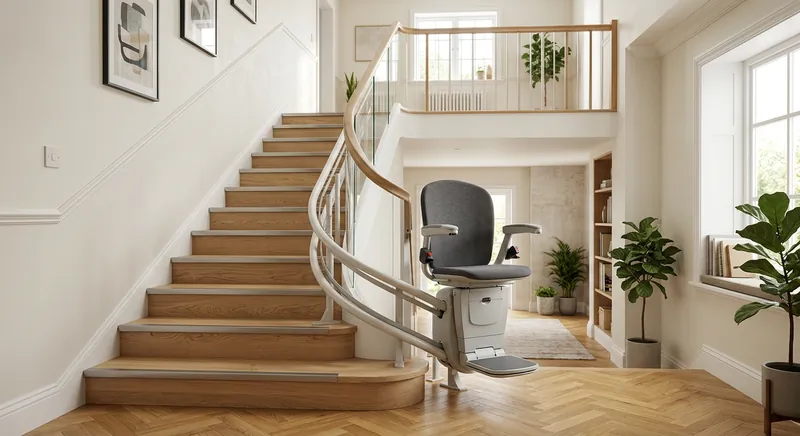
Best Stair Lifts for Safe Navigation of Home Stairs
Straight rail, curved rail, heavy-duty, and compact stair lifts each suit different staircases and users. Compare track type, weight capacity, battery backup, and installation needs.
 Accessibility & Senior Home Products
Best Mobility Scooters for Independence and Everyday Use
Travel, mid-size, heavy-duty, and foldable mobility scooters each suit different lifestyles. Compare weight capacity, battery range, turning radius, and disassembly before you buy.
 Accessibility & Senior Home Products
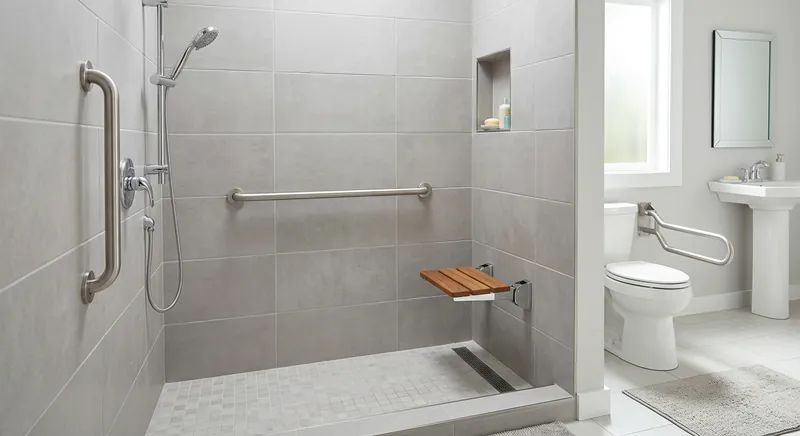
Best Grab Bars for Bathroom Safety and Stability
Compare ADA-compliant bathroom grab bars by weight capacity, grip diameter, non-slip textures, and secure stud mounting to make showers and tubs safe for all ages.
 Accessibility & Senior Home Products
Best Shower Chairs for Safe and Comfortable Bathing
Adjustable, folding, bariatric, and wall-mounted shower chairs each solve a different bathing safety need. Compare weight capacity, height adjustment, backrest, and drainage before you buy.
Get Smarter About Your Home
Receive practical buying guides, product comparisons, maintenance tips and home project ideas from HomeGear Guide.
You can unsubscribe at any time.