Best Mobility Scooters for Independence and Everyday Use
Affiliate Disclosure: HomeGear Guide is reader-supported. When you buy through links on our site, we may earn an affiliate commission at no extra cost to you. We do not accept paid product placements or sponsor-biased reviews.
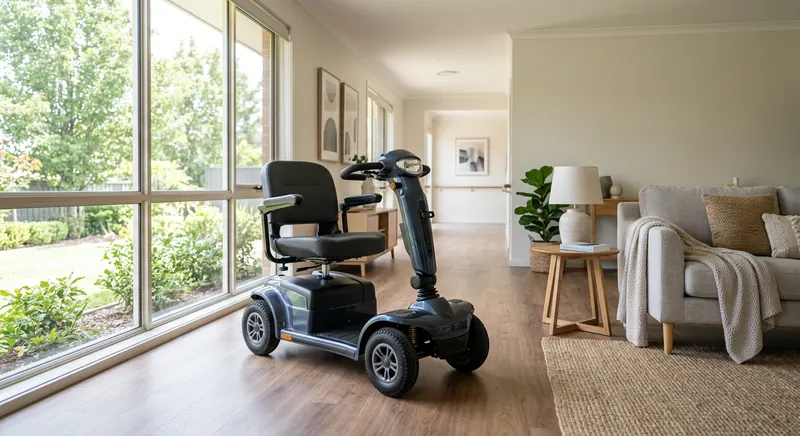
A mobility scooter can restore independence for anyone who finds walking long distances difficult or tiring. Trips to the store, the park, or even just down the hallway become manageable again, and a scooter lets the rider cover ground without the fatigue or fall risk that comes with extended walking. But mobility scooters are not interchangeable. A compact travel scooter that disassembles to fit in a car trunk is a very different machine from a heavy-duty model built for all-day outdoor use and a higher weight capacity. Range, turning radius, weight capacity, portability, and battery type all affect where and how the scooter can be used. Matching the scooter to the rider's body, home, and daily routine is what makes the difference between a device that gets used every day and one that sits unused.
Quick Answer
For most homeowners, a 4-wheel mobility scooter with a 300 to 350 pound weight capacity, a 10 to 15 mile range per charge, a turning radius under 40 inches, and a disassembly feature for transport is the best choice because it handles the most common daily activities including shopping, outdoor paths, and indoor navigation, while being portable enough to break down into 4 to 5 manageable pieces for car trunk transport. A 4-wheel configuration provides the best stability for outdoor use, while 3-wheel models offer a tighter turning radius for indoor use. The main trade-off is portability versus capability, as travel scooters weighing 75 to 100 pounds total are easy to transport but have limited range and smaller seats, while heavy-duty scooters with 400-plus pound capacities and 25-mile ranges weigh 200-plus pounds and require a vehicle lift. Battery type matters, with lithium-ion offering 30 percent lighter weight and longer lifespan than lead-acid at a higher cost.
Top Picks at a Glance
Travel Mobility Scooter
Mid-Size Mobility Scooter
Heavy-Duty Mobility Scooter
Foldable Mobility Scooter
Product Comparison
| Product | Best For | Weight Capacity | Range | Turning Radius | Price Range | Details |
|---|---|---|---|---|---|---|
Travel Mobility Scooter Best for Portability | Portability and frequent transport in a car | 250–300 lbs | 8–12 miles per charge | 32–40 inches | $600–$1,500 | View Review ↓ |
Mid-Size Mobility Scooter Best Overall | A balance of indoor maneuverability and outdoor capability | 300–350 lbs | 12–20 miles per charge | 40–50 inches | $1,000–$2,500 | View Review ↓ |
Heavy-Duty Mobility Scooter Best for Higher Weight | Higher weight capacity and rugged outdoor use | 400–500 lbs | 18–30 miles per charge | 50–65 inches | $1,800–$4,000 | View Review ↓ |
Foldable Mobility Scooter Best for Transport | Quick folding for transport and storage | 250–300 lbs | 8–14 miles per charge | 32–42 inches | $800–$1,800 | View Review ↓ |
Travel Mobility Scooter
Best for Portability- Best For:
- Portability and frequent transport in a car
- Weight Capacity:
- 250–300 lbs
- Range:
- 8–12 miles per charge
- Turning Radius:
- 32–40 inches
- Price Range:
- $600–$1,500
Mid-Size Mobility Scooter
Best Overall- Best For:
- A balance of indoor maneuverability and outdoor capability
- Weight Capacity:
- 300–350 lbs
- Range:
- 12–20 miles per charge
- Turning Radius:
- 40–50 inches
- Price Range:
- $1,000–$2,500
Heavy-Duty Mobility Scooter
Best for Higher Weight- Best For:
- Higher weight capacity and rugged outdoor use
- Weight Capacity:
- 400–500 lbs
- Range:
- 18–30 miles per charge
- Turning Radius:
- 50–65 inches
- Price Range:
- $1,800–$4,000
Foldable Mobility Scooter
Best for Transport- Best For:
- Quick folding for transport and storage
- Weight Capacity:
- 250–300 lbs
- Range:
- 8–14 miles per charge
- Turning Radius:
- 32–42 inches
- Price Range:
- $800–$1,800
Detailed Product Reviews & Specifications
Travel Mobility Scooter
A lightweight, compact mobility scooter designed to disassemble into several manageable pieces that fit into a car trunk. The heaviest piece typically weighs under 30 lbs, so most users can break it down and lift it without help.
Pros
- •Disassembles into lightweight pieces for car transport
- •Smallest footprint for use indoors and in tight spaces
- •Easy to store in a closet or trunk
- •Typically the most affordable scooter category
Cons
- •Lower weight capacity than larger scooters
- •Shorter range and lower top speed
- •Smaller wheels are less suited to rough outdoor terrain
Key Specifications
Mid-Size Mobility Scooter
A mid-size mobility scooter that offers a comfortable seat, good range, and enough power for both indoor use and outdoor trips on sidewalks and paved paths. Larger than a travel scooter but more maneuverable than a heavy-duty model, it is the most versatile option for everyday use.
Pros
- •Comfortable seat for longer rides
- •Good range for daily errands and outdoor use
- •Better ground clearance and larger wheels than travel models
- •Balanced size works indoors and outdoors
Cons
- •Heavier and less portable than travel scooters
- •May require a vehicle lift or ramp for transport
- •Larger turning radius than compact models
Key Specifications
Heavy-Duty Mobility Scooter
A large, reinforced mobility scooter built for higher weight capacities, rugged outdoor terrain, and longer rides. Features a powerful motor, larger wheels, enhanced suspension, and a wide, supportive seat. Designed for riders who need more support than a standard scooter provides.
Pros
- •Highest weight capacity for larger riders
- •Powerful motor handles inclines and rough terrain
- •Larger wheels and suspension for outdoor comfort
- •Longest range for all-day use
Cons
- •Largest footprint — may not fit in small homes or tight aisles
- •Heaviest scooter type; requires a vehicle lift for transport
- •Highest price category
Key Specifications
Foldable Mobility Scooter
A mobility scooter with a folding frame that collapses into a compact shape in seconds, without disassembling into separate pieces. Lighter than a mid-size scooter and faster to stow than a disassembling travel model, it is designed for riders who want grab-and-go portability.
Pros
- •Folds in seconds without separating into pieces
- •Compact folded size fits in car trunks and closets
- •Lighter overall weight than mid-size scooters
- •No small parts to lose or reassemble
Cons
- •Lower weight capacity than mid-size or heavy-duty models
- •Smaller seat and less suspension for long rides
- •Folding mechanism adds moving parts that need occasional checks
Key Specifications
Travel, Mid-Size, Heavy-Duty, and Foldable Scooters
Mobility scooters fall into four main categories, and the right one depends on where and how you ride. Travel scooters are the smallest and lightest, designed to disassemble into pieces that fit in a car trunk. They prioritize portability over power and comfort, with smaller seats, shorter range, and lower weight capacities.
Mid-size scooters are the most versatile everyday option. They are larger and more comfortable than travel models, with better range and larger wheels for outdoor use, but still maneuverable enough for many indoor settings. Heavy-duty scooters are the largest and most powerful, built for higher weight, rugged terrain, and all-day riding. Foldable scooters collapse as a single unit for quick stowage, splitting the difference between travel and mid-size models.
Choosing Based on Where You Ride
If you mostly ride indoors or on smooth surfaces and need to transport the scooter in a car, a travel or foldable model is the practical choice. If you ride outdoors on sidewalks and paved paths and want comfort for longer trips, a mid-size scooter fits best. If you need higher weight capacity or ride on rougher terrain, a heavy-duty scooter is the answer. Many riders benefit from trying a scooter in person before buying.
Weight Capacity and Rider Comfort
Weight capacity is a safety specification, not a suggestion. Choose a scooter rated comfortably above the rider's weight. Operating near the limit reduces range, strains the motor and battery, and can affect stability. Standard scooters typically support 250–350 lbs, while heavy-duty models support 400–500 lbs or more.
Comfort matters because a scooter is something the rider sits in for extended periods. Look for an adjustable, padded seat with armrests, enough legroom, and a tiller that adjusts to a comfortable reach. Suspension and larger wheels smooth out bumps outdoors. A seat that swivels makes getting on and off easier and safer.
Range, Battery, and Charging
Range is how far a scooter can travel on a full battery charge, and it varies widely by model. Travel scooters typically run 8–12 miles per charge, mid-size models 12–20 miles, and heavy-duty scooters up to 30 miles. Range depends on the rider's weight, terrain, inclines, and speed — expect real-world range to fall below the maximum rating under demanding conditions.
Most scooters use sealed lead-acid (SLA) batteries, which are affordable and reliable but heavy. Some newer models use lithium-ion batteries, which are lighter, hold a charge longer, and last more charge cycles, but cost more. Charging typically takes 6–8 hours for a full charge. A scooter that can be charged on or off the frame gives you more flexibility for storing the battery indoors.
Turning Radius and Transport
Turning radius determines how tight a space the scooter can navigate. A smaller turning radius (32–40 inches) lets the scooter turn around in a hallway or a store aisle. Larger scooters with 50–65 inch turning radii need more room and may not work in tight indoor spaces. Measure the narrowest doorway and hallway at home and compare to the scooter's width and turning radius before buying.
Transport is the other practical question. Travel scooters disassemble into pieces light enough for a car trunk. Foldable scooters collapse as one piece. Mid-size and heavy-duty scooters are too heavy to lift and require a vehicle lift, ramp, or accessible vehicle. If you plan to take the scooter in a car, confirm the transport method and its cost before purchasing — a vehicle lift can add significantly to the total.
Safety & Compliance Notice
Consult a healthcare provider to determine whether a mobility scooter is appropriate for your needs and to confirm the right type and capacity. Always follow the manufacturer's operating instructions and weight limits.
Frequently Asked Questions
You do not need a prescription to buy a mobility scooter for personal use. However, if you want insurance or Medicare to cover part of the cost, a doctor's prescription and a face-to-face mobility evaluation are typically required. Medicare may cover a scooter as durable medical equipment if it is medically necessary and prescribed. Consult a healthcare provider to determine whether a scooter is appropriate for your needs.
Final Verdict
A mid-size mobility scooter is the best all-around choice for most riders because it balances indoor maneuverability with outdoor capability, offers a comfortable seat and good range, and handles the daily errands that make a scooter worthwhile. If portability is the priority — frequent car transport, travel, or limited storage — a travel scooter that disassembles or a foldable scooter that collapses as one piece is the right call. For riders who need a higher weight capacity, ride on rougher terrain, or use the scooter for most of the day, a heavy-duty model delivers the power, range, and support required. Whatever you choose, match the weight capacity and turning radius to the rider and the home, plan for transport, and consult a healthcare provider to confirm a scooter is the right mobility solution.
Lisa Park
Kitchen & Bathroom Editor
Lisa covers kitchen and bathroom fixtures, water filtration, and accessibility products for HomeGear Guide. Her work focuses on the details that make daily-use spaces more functional and safer for all members of the household.
Related Articles & Buying Guides
 Accessibility & Senior Home Products
Best Wheelchair Ramps for Home Access and Mobility
Modular aluminum, folding portable, threshold, and solid wheelchair ramps each solve a different access need. Compare length, slope, weight capacity, and material before you buy.
 Accessibility & Senior Home Products
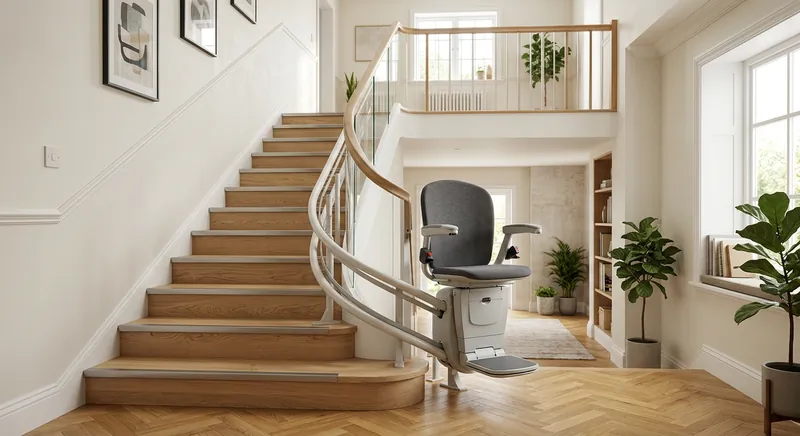
Best Stair Lifts for Safe Navigation of Home Stairs
Straight rail, curved rail, heavy-duty, and compact stair lifts each suit different staircases and users. Compare track type, weight capacity, battery backup, and installation needs.
 Accessibility & Senior Home Products
Best Lift Chair Recliners for Standing and Reclining with Ease
Infinite-position, 3-position, heavy-duty, and compact lift chairs each suit different users and rooms. Compare weight capacity, recline positions, power mechanism, and upholstery before you buy.
 Accessibility & Senior Home Products
Walk-In Tub Reviews: A Closer Look at Model Types and User Experience
Soaking, whirlpool, bariatric, and compact walk-in tubs each deliver a different bathing experience. Compare door seal reliability, drain speed, heated seats, and comfort in this detailed review.
Get Smarter About Your Home
Receive practical buying guides, product comparisons, maintenance tips and home project ideas from HomeGear Guide.
You can unsubscribe at any time.