Best Lift Chair Recliners for Standing and Reclining with Ease
Affiliate Disclosure: HomeGear Guide is reader-supported. When you buy through links on our site, we may earn an affiliate commission at no extra cost to you. We do not accept paid product placements or sponsor-biased reviews.
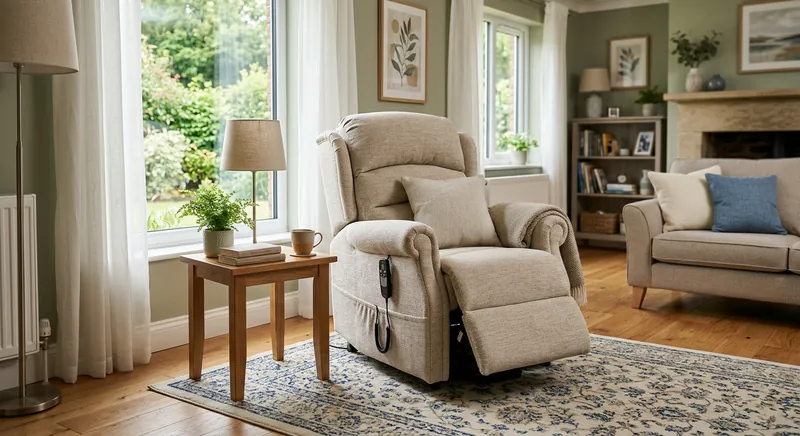
A lift chair recliner does something a standard recliner cannot: it tilts forward and raises the seat to help the user stand up without straining their legs, hips, or back. For anyone with limited mobility, arthritis, or recovering from surgery, that lift function can be the difference between sitting independently and needing help every time. And unlike a hospital-style lift device, a lift chair looks like a normal recliner and fits in a living room. But lift chairs vary widely in how far they recline, how much weight they support, how they are powered, and how comfortable they are for long periods. Choosing the right one means matching the chair's capacity and recline function to the user's body, needs, and the room it will live in.
Quick Answer
For most homeowners, an infinite-position lift chair recliner with a 375 to 450 pound weight capacity, heat and massage, and a dual motor system is the best choice because it provides full recline to a near-flat position for napping, independent control of the back and footrest for customized positioning, and reliable lift assistance for users with arthritis, limited mobility, or post-surgical recovery. A dual motor system allows the backrest and footrest to move independently, which is critical for finding comfortable positions that single-motor chairs cannot achieve. The main trade-off is functionality versus size, as infinite-position chairs require 24 to 30 inches of wall clearance for full recline, while wall-hugger designs need only 4 to 6 inches but offer more limited recline. A 375-pound capacity covers most users, while bariatric models at 500-plus pounds cost 1,200 to 2,500 dollars. Heat and massage features add 150 to 300 dollars and are worth it for users with chronic pain.
Top Picks at a Glance
Infinite-Position Lift Chair
3-Position Lift Chair
Heavy-Duty Lift Chair
Compact Lift Chair
Product Comparison
| Product | Best For | Recline Positions | Weight Capacity | Power | Price Range | Details |
|---|---|---|---|---|---|---|
Infinite-Position Lift Chair Best Overall | Full recline control including zero-gravity and Trendelenburg positions | Infinite (dual motor) | 300–375 lbs | Electric (plugs into standard outlet) | $600–$1,500 | View Review ↓ |
3-Position Lift Chair Best Value | Essential lift and recline function at a moderate price | 3 (upright, TV, full recline) | 300–350 lbs | Electric (plugs into standard outlet) | $400–$900 | View Review ↓ |
Heavy-Duty Lift Chair Best for Higher Weight | Higher weight capacity and a wider, reinforced seat | 3-position or infinite (model-dependent) | 375–500 lbs | Electric (plugs into standard outlet) | $700–$2,000 | View Review ↓ |
Compact Lift Chair Best for Small Spaces | Smaller rooms and users who need a space-saving lift chair | 3-position (most compact models) | 250–300 lbs | Electric (plugs into standard outlet) | $350–$700 | View Review ↓ |
Infinite-Position Lift Chair
Best Overall- Best For:
- Full recline control including zero-gravity and Trendelenburg positions
- Recline Positions:
- Infinite (dual motor)
- Weight Capacity:
- 300–375 lbs
- Power:
- Electric (plugs into standard outlet)
- Price Range:
- $600–$1,500
3-Position Lift Chair
Best Value- Best For:
- Essential lift and recline function at a moderate price
- Recline Positions:
- 3 (upright, TV, full recline)
- Weight Capacity:
- 300–350 lbs
- Power:
- Electric (plugs into standard outlet)
- Price Range:
- $400–$900
Heavy-Duty Lift Chair
Best for Higher Weight- Best For:
- Higher weight capacity and a wider, reinforced seat
- Recline Positions:
- 3-position or infinite (model-dependent)
- Weight Capacity:
- 375–500 lbs
- Power:
- Electric (plugs into standard outlet)
- Price Range:
- $700–$2,000
Compact Lift Chair
Best for Small Spaces- Best For:
- Smaller rooms and users who need a space-saving lift chair
- Recline Positions:
- 3-position (most compact models)
- Weight Capacity:
- 250–300 lbs
- Power:
- Electric (plugs into standard outlet)
- Price Range:
- $350–$700
Detailed Product Reviews & Specifications
Infinite-Position Lift Chair
A lift chair with dual motors that control the backrest and footrest independently, allowing the user to position the chair anywhere from upright to full recline — including zero-gravity and Trendelenburg positions. The most adjustable lift chair type, ideal for users who spend extended periods in the chair or who need specific positions for comfort or circulation.
Pros
- •Independent backrest and footrest control for any position
- •Reclines fully flat for resting and includes zero-gravity position
- •Dual motors allow fine-tuned positioning
- •Often includes heat and massage features
Cons
- •Highest cost among lift chair types
- •Dual motors add weight and complexity
- •Requires more space behind the chair for full recline
Key Specifications
3-Position Lift Chair
A lift chair with a single motor that moves the backrest and footrest together through three positions: seated upright, partially reclined (TV position), and fully reclined. The lift function raises and tilts the chair forward to help the user stand. Simpler and more affordable than an infinite-position chair, it covers the core needs of most users.
Pros
- •More affordable than infinite-position models
- •Single motor is simpler and lighter
- •Covers the essential positions most users need
- •Available in a wide range of styles and sizes
Cons
- •Backrest and footrest move together — no independent control
- •Cannot reach zero-gravity or Trendelenburg positions
- •Full recline may not be as flat as dual-motor models
Key Specifications
Heavy-Duty Lift Chair
A reinforced lift chair built for higher weight capacities, with a wider seat, a sturdier frame, and a more powerful lift motor. Designed for users whose weight exceeds the capacity of a standard lift chair, and available in both 3-position and infinite-position recline configurations.
Pros
- •Higher weight capacity for larger users
- •Wider, more supportive seat for comfort
- •Reinforced frame and powerful lift motor
- •Available in 3-position or infinite-position recline
Cons
- •Higher cost than standard-capacity chairs
- •Wider seat requires more floor space
- •Heavier chair is harder to move for cleaning or rearranging
Key Specifications
Compact Lift Chair
A space-saving lift chair with a narrower seat and a smaller footprint, designed for apartments, bedrooms, or any room where a full-size lift chair would not fit. Provides the same lift function and recline capability in a more compact package.
Pros
- •Smaller footprint fits apartments and bedrooms
- •Narrower seat for tighter spaces
- •Lighter and easier to position
- •Still provides full lift and recline function
Cons
- •Lower weight capacity than standard or heavy-duty chairs
- •Smaller seat may be less comfortable for larger users
- •Fewer premium features available at this size
Key Specifications
Recline Positions: 3-Position vs. Infinite-Position
The number of recline positions is one of the biggest differences between lift chair models. A 3-position chair uses a single motor that moves the backrest and footrest together through three settings: upright for sitting, a partial recline often called the TV position, and a full recline for resting. The backrest and footrest are linked — when one moves, the other moves with it.
An infinite-position chair uses two motors that control the backrest and footrest independently. This lets the user stop the backrest at any angle while adjusting the footrest separately, and it enables positions that a 3-position chair cannot reach, like zero-gravity (which elevates the legs above the heart for circulation) and Trendelenburg (which tilts back with the feet raised). Infinite-position chairs also recline fully flat, which a 3-position chair typically cannot.
Which Recline Type Do You Need?
If you want a chair for sitting, watching TV, and occasional reclining, a 3-position chair covers it. If you spend most of the day in the chair, need specific positions for circulation or swelling, or want to sleep in the chair, an infinite-position model is worth the extra cost. The independent motor control is what makes the difference for extended use.
Weight Capacity and Seat Size
Weight capacity must exceed the user's weight with a comfortable margin. Standard lift chairs support 300–350 lbs, while heavy-duty models support 375–500 lbs. Operating near the capacity limit strains the lift motor and frame and shortens the chair's life. When in doubt, choose a chair rated at least 50 lbs above the user's weight.
Seat size is just as important as capacity. The seat should be wide enough for the user to sit comfortably without feeling constrained, and deep enough to support the thighs without pressure behind the knees. Heavy-duty chairs have wider, deeper seats. Compact chairs have narrower seats suitable for smaller users but may be uncomfortable for larger ones. Check the seat dimensions, not just the overall chair dimensions, before purchasing.
Power Mechanism and Battery Backup
Lift chairs are powered by electric motors and plug into a standard household outlet. The lift motor does the work of tilting the chair forward and raising the seat so the user can stand without bearing full weight on their legs. A recline motor (or a second motor on infinite-position models) controls the backrest and footrest. The controls are typically a simple hand remote with buttons for lift, recline, and — on dual-motor models — independent backrest and footrest adjustment.
A battery backup is an important feature to look for. If the power goes out, a battery backup allows the chair to return to a seated position so the user is not stuck reclined. Some chairs include this feature, while others offer it as an accessory. If the user spends significant time reclined or sleeping in the chair, a battery backup is worth having.
Upholstery, Size, and Comfort Features
Lift chairs are upholstered in fabric, faux leather, or microfiber. Fabric is the most common and is available in colors that blend with home decor. Faux leather is easier to clean but can be less breathable. Microfiber is soft and durable. Choose a material that suits the user and the room — and consider how easy it is to clean, especially for anyone with incontinence concerns.
Comfort features like heat and massage are available on many models. Heat is usually built into the seat and lower back and can soothe sore muscles and joints. Massage functions typically offer vibration in the seat and back with multiple modes. These features add cost and are not essential for the core lift function, but many users find them worthwhile for daily comfort. Measure the room before purchasing — a fully reclining lift chair needs significant clearance behind and in front of it.
Safety & Compliance Notice
Consult a healthcare provider to determine whether a lift chair is appropriate for the user's needs and mobility level. Lift chairs are powered electrical devices — follow the manufacturer's operating and weight instructions.
Frequently Asked Questions
A lift chair uses an electric motor to slowly tilt the entire chair forward and raise the seat, reducing the distance the user has to lift their body weight to stand. The user operates the lift with a hand remote, so they control the speed and angle. The lift does the heavy work, minimizing strain on the legs, hips, and back.
Final Verdict
An infinite-position lift chair is the best overall choice for users who spend significant time in the chair or who need specific positions for comfort, circulation, or resting, because the dual motors provide full independent control of the backrest and footrest. A 3-position lift chair is the best value for users who want reliable lift and recline function without paying for positions they will not use. A heavy-duty lift chair is essential for users whose weight exceeds a standard chair's capacity, and it offers a wider, more supportive seat. For smaller spaces, a compact lift chair delivers the core lift and recline function in a footprint that fits an apartment or bedroom. Whatever you choose, match the weight capacity and seat size to the user, measure the room for clearance, and confirm an outlet is within reach. Consult a healthcare provider to confirm a lift chair suits the user's needs.
Lisa Park
Kitchen & Bathroom Editor
Lisa covers kitchen and bathroom fixtures, water filtration, and accessibility products for HomeGear Guide. Her work focuses on the details that make daily-use spaces more functional and safer for all members of the household.
Related Articles & Buying Guides
 Accessibility & Senior Home Products
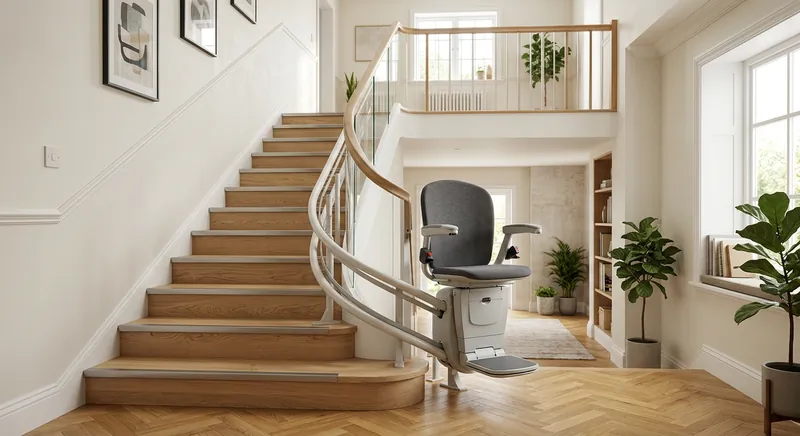
Best Stair Lifts for Safe Navigation of Home Stairs
Straight rail, curved rail, heavy-duty, and compact stair lifts each suit different staircases and users. Compare track type, weight capacity, battery backup, and installation needs.
 Accessibility & Senior Home Products
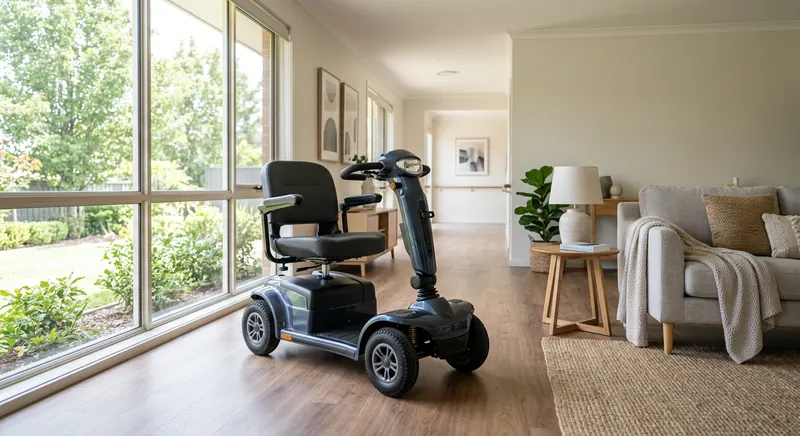
Best Mobility Scooters for Independence and Everyday Use
Travel, mid-size, heavy-duty, and foldable mobility scooters each suit different lifestyles. Compare weight capacity, battery range, turning radius, and disassembly before you buy.
 Accessibility & Senior Home Products
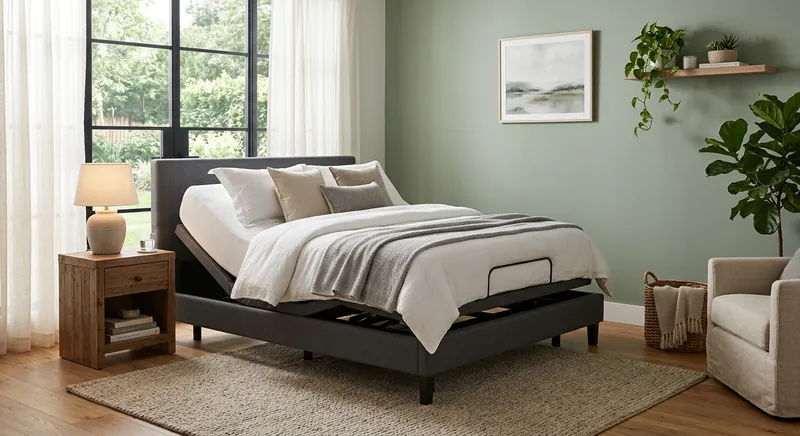
Best Adjustable Beds for Seniors: Comfort, Positioning, and Accessibility
Split-king, massage, preset-position, and budget adjustable beds each suit different senior needs. Compare articulation, presets, wall-hugger design, weight capacity, and remote control.
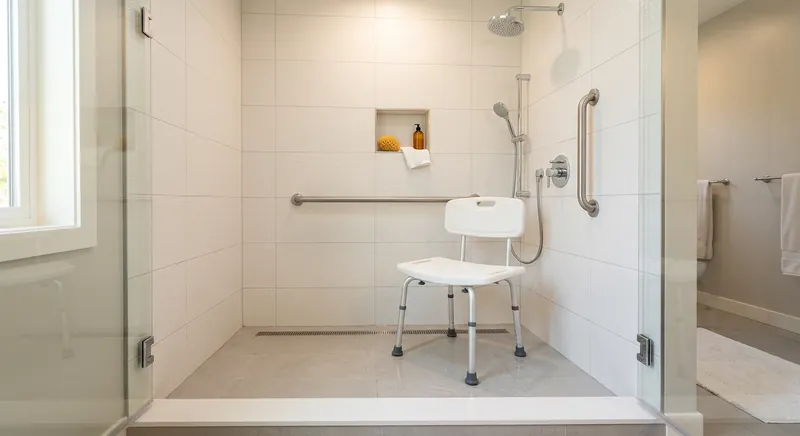 Accessibility & Senior Home Products
Best Shower Chairs for Safe and Comfortable Bathing
Adjustable, folding, bariatric, and wall-mounted shower chairs each solve a different bathing safety need. Compare weight capacity, height adjustment, backrest, and drainage before you buy.
Get Smarter About Your Home
Receive practical buying guides, product comparisons, maintenance tips and home project ideas from HomeGear Guide.
You can unsubscribe at any time.