Walk-In Tub Reviews: A Closer Look at Model Types and User Experience
Affiliate Disclosure: HomeGear Guide is reader-supported. When you buy through links on our site, we may earn an affiliate commission at no extra cost to you. We do not accept paid product placements or sponsor-biased reviews.
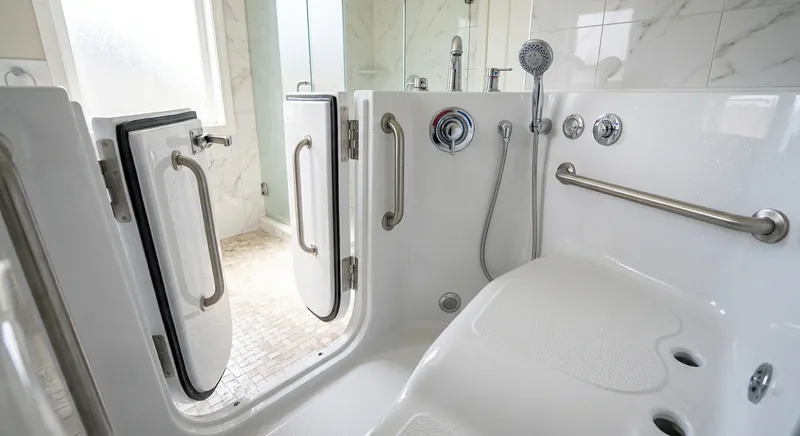
This review takes a closer look at walk-in tubs than a standard buying guide. The goal here is to examine the different model types in detail — what the soaking, whirlpool, bariatric, and compact experiences are actually like — and to focus on the factors that shape the day-to-day user experience: how the door seal holds up, how fast the tub drains, whether a heated seat makes a difference, and how the tub feels for different body types. A walk-in tub is a significant investment and a permanent bathroom fixture, so understanding the real-world trade-offs between model types matters more than feature lists. This review breaks down what to expect from each type so you can choose the one that fits the person who will use it.
Quick Answer
When comparing walk-in tub types, the soaking model is the best starting point for most homeowners because it provides the core benefits of safe low-threshold entry, comfortable seated bathing, and basic hydrotherapy through air jets at the most affordable price of 2,500 to 5,000 dollars, without the complexity and maintenance of water jets. Whirlpool models with targeted water jets cost 4,000 to 7,000 dollars and provide deeper muscle relaxation for users with arthritis or chronic pain, but require more cleaning to prevent bacteria buildup in jet lines. Bariatric models with 40-plus inch widths and 500-pound capacities are essential for larger users but require a wider bathroom footprint and reinforced flooring. The drain speed is the most common user complaint across all types, as walk-in tubs hold 40 to 50 gallons and take 8 to 15 minutes to drain. Fast-drain systems costing 300 to 500 dollars more are worth the investment. Heated seats add comfort during the drain wait.
Top Picks at a Glance
Soaking Walk-In Tub
Whirlpool Walk-In Tub
Bariatric Walk-In Tub
Compact Walk-In Tub
Product Comparison
| Product | Best For | Tub Type | Door Type | Electrical Required | Price Range | Details |
|---|---|---|---|---|---|---|
Soaking Walk-In Tub Best Basic | A straightforward, reliable soaking bath without hydrotherapy complexity | Soaking (no jets) | Inward or outward-swinging | No | $2,000–$5,000 | View Review ↓ |
Whirlpool Walk-In Tub Best for Therapy | Therapeutic water-jet massage for sore muscles and joints | Whirlpool (water jets) | Inward or outward-swinging | Yes (dedicated GFCI circuit) | $3,500–$8,000 | View Review ↓ |
Bariatric Walk-In Tub Best for Larger Users | Larger users who need a wider seat and a higher weight capacity | Bariatric (wide, reinforced) | Outward-swinging (typically) | If hydrotherapy jets included | $4,000–$10,000 | View Review ↓ |
Compact Walk-In Tub Best for Small Spaces | Small bathrooms where a full-size walk-in tub will not fit | Compact (space-saving) | Inward-swinging (typically) | Only if jets included | $1,800–$4,500 | View Review ↓ |
Soaking Walk-In Tub
Best Basic- Best For:
- A straightforward, reliable soaking bath without hydrotherapy complexity
- Tub Type:
- Soaking (no jets)
- Door Type:
- Inward or outward-swinging
- Electrical Required:
- No
- Price Range:
- $2,000–$5,000
Whirlpool Walk-In Tub
Best for Therapy- Best For:
- Therapeutic water-jet massage for sore muscles and joints
- Tub Type:
- Whirlpool (water jets)
- Door Type:
- Inward or outward-swinging
- Electrical Required:
- Yes (dedicated GFCI circuit)
- Price Range:
- $3,500–$8,000
Bariatric Walk-In Tub
Best for Larger Users- Best For:
- Larger users who need a wider seat and a higher weight capacity
- Tub Type:
- Bariatric (wide, reinforced)
- Door Type:
- Outward-swinging (typically)
- Electrical Required:
- If hydrotherapy jets included
- Price Range:
- $4,000–$10,000
Compact Walk-In Tub
Best for Small Spaces- Best For:
- Small bathrooms where a full-size walk-in tub will not fit
- Tub Type:
- Compact (space-saving)
- Door Type:
- Inward-swinging (typically)
- Electrical Required:
- Only if jets included
- Price Range:
- $1,800–$4,500
Detailed Product Reviews & Specifications
Soaking Walk-In Tub
A standard soaking walk-in tub with a low step-in threshold, a water-tight door, and a built-in contoured seat. No jets, no pumps, no electrical connection — just a deep, warm soak. The simplest and most reliable walk-in tub type, with the fewest components that can fail.
Pros
- •Fewest mechanical components means fewer things to break
- •No electrical connection required — simpler installation
- •Deep soak depth for full-body immersion
- •Generally the most affordable walk-in tub type
Cons
- •No hydrotherapy or massage features
- •Standard drain speed means longer wait to exit
- •No heated seat to keep the user warm during fill and drain
Key Specifications
Whirlpool Walk-In Tub
A walk-in tub equipped with whirlpool water jets that move bath water through adjustable nozzles for a deep, targeted massage. Whirlpool jets provide more force than air jets, making this the choice for users who want serious hydrotherapy for arthritis, muscle soreness, or joint pain. Often includes a heated seat and backrest.
Pros
- •Water jets deliver a deeper, more targeted massage than air jets
- •Heated seat and backrest keep the user warm during fill and drain
- •Adjustable jet direction for targeting specific areas
- •Therapeutic benefit for arthritis and muscle soreness
Cons
- •Requires a dedicated GFCI electrical circuit
- •Water jets require more cleaning and maintenance than air jets
- •Higher cost than soaking models
Key Specifications
Bariatric Walk-In Tub
A walk-in tub built with a wider interior, a reinforced contoured seat, and a higher weight capacity than standard models. Designed for larger users who find standard walk-in tubs cramped or who exceed the weight rating. Often includes an outward-swinging door for easier entry.
Pros
- •Wider interior and seat accommodate larger users comfortably
- •Higher weight capacity than standard walk-in tubs
- •Outward-swinging door allows easier entry and wheelchair transfer
- •Reinforced frame and seat for durability
Cons
- •Largest footprint — requires a wide enough bathroom space
- •Highest price category among walk-in tubs
- •Holds more water, which requires adequate water heater capacity
Key Specifications
Compact Walk-In Tub
A space-saving walk-in tub designed to fit into small bathrooms or replace an existing standard tub without major structural changes. Shorter and narrower than standard walk-in tubs, with a smaller water capacity that fills and drains faster.
Pros
- •Fits bathrooms where standard walk-in tubs cannot
- •Often fits the footprint of an existing standard tub
- •Smaller water volume fills and drains faster
- •Still provides seated soaking and safety features
Cons
- •Less interior room for larger or taller users
- •Fewer hydrotherapy options available
- •May feel tight for extended soaking
Key Specifications
Soaking, Whirlpool, and Air-Jet Experiences Compared
The three main walk-in tub experiences are quite different. A soaking tub is just warm water — no jets, no pumps, no electrical connection. It is the simplest and most reliable type, with the fewest components that can fail. The experience is a deep, quiet, warm soak, which many users find perfectly sufficient.
A whirlpool tub uses water jets that recirculate bath water through adjustable nozzles for a deep, targeted massage. The force is more intense than air jets, which makes whirlpool the choice for users with significant muscle soreness or arthritis. The trade-off is maintenance: water jets and their plumbing need periodic cleaning, and bath oils should not be used because they can clog the system. An air-jet tub (covered in our walk-in tub buying guide) uses air rather than water and is easier to maintain, but the massage is gentler.
Which Experience Is Right?
If the goal is simply a safe, warm bath, a soaking tub is the most reliable and affordable choice. If therapeutic massage for arthritis or sore muscles is the priority, a whirlpool tub delivers the most force. If the user wants gentle massage with less maintenance, an air-jet tub (see our walk-in tub buying guide) is the middle ground. The experience difference is real — try to sit in a display model if possible.
Door Seal Reliability Over Time
The door seal is the component that makes a walk-in tub work, and its reliability is the most common long-term concern. The seal is a rubber or silicone gasket that compresses when the door latches, creating a water-tight barrier. On inward-swinging doors, water pressure pushes the seal tighter as the tub fills, which is a natural safety advantage. On outward-swinging doors, the latch mechanism does the work of compressing the seal.
Over years of use, the seal can wear, compress, or develop mineral buildup. A failing seal shows as a slow drip from the door when the tub is full. Most seals are replaceable — this is a maintenance item, not a reason to replace the tub. To extend seal life, wipe the gasket clean after each use and inspect it periodically for cracks or compression loss. A well-maintained seal lasts for years; a neglected one may need replacement sooner.
Drain Speed and Heated Seats: The Waiting Experience
The most common user complaint about walk-in tubs is the time spent waiting. You cannot open the door until the tub is empty, so the user sits in the tub while it drains. Standard walk-in tubs take 8–15 minutes to drain. A fast-drain system, which uses a larger drain opening and sometimes a dedicated pump, can reduce that to 3–5 minutes. If waiting is a concern — and for many users it is — a fast-drain model is worth the extra cost.
A heated seat and backrest address the other side of the waiting problem: getting cold while the tub fills and drains. Heated surfaces keep the user comfortable during the 15–30 minutes of total fill and drain time. Soaking tubs typically do not include heated seats (they have no electrical connection), while whirlpool and air-jet models often do. For users who run cold or who bathe in a cool bathroom, a heated seat makes a real difference in comfort.
User Experience for Different Body Types
A walk-in tub that fits one person perfectly may be cramped for another. The interior seat width, seat depth, and tub length all affect comfort. Standard walk-in tubs are designed for average-sized adults, but taller or larger users may find the seat too narrow or the legroom insufficient. A bariatric tub solves this with a wider interior and a reinforced seat, but it requires a larger bathroom footprint.
Compact tubs are the opposite trade-off: they save space but have a smaller interior. A compact tub that fits a smaller user comfortably may feel tight for a larger one. The best way to assess fit is to sit in a display model — if that is not possible, check the interior seat dimensions (not just the exterior tub dimensions) and compare them to the user's measurements. A tub that is too small defeats the purpose of comfortable, safe bathing.
Safety & Compliance Notice
Walk-in tubs involve plumbing, electrical, and structural modifications. Professional assessment and installation are strongly recommended. Confirm water heater capacity is adequate for the tub's volume before purchasing.
Frequently Asked Questions
You must wait until the tub is fully drained before opening the door. Standard walk-in tubs take 8–15 minutes to drain. Models with a fast-drain system can drain in 3–5 minutes. The user sits in the tub during draining. A heated seat (on models that have one) helps keep the user comfortable during the wait.
Final Verdict
A soaking walk-in tub is the best choice for users who want a safe, reliable, deep soak without the cost and maintenance of hydrotherapy — it is the simplest type with the fewest components to fail. A whirlpool walk-in tub is the pick for users who want real therapeutic massage for arthritis or sore muscles and are willing to handle the electrical requirements and jet maintenance. A bariatric tub is essential for larger users who need a wider seat and a higher weight capacity, and its outward-swinging door makes entry and transfer easier. A compact tub is the right choice for small bathrooms, trading interior room for a space-saving footprint. Whatever type you choose, factor in the door seal maintenance, the drain speed (consider a fast-drain system), and the water heater capacity. A walk-in tub is a permanent installation — professional assessment and installation are strongly recommended.
Lisa Park
Kitchen & Bathroom Editor
Lisa covers kitchen and bathroom fixtures, water filtration, and accessibility products for HomeGear Guide. Her work focuses on the details that make daily-use spaces more functional and safer for all members of the household.
Related Articles & Buying Guides
 Accessibility & Senior Home Products
Best Shower Chairs for Safe and Comfortable Bathing
Adjustable, folding, bariatric, and wall-mounted shower chairs each solve a different bathing safety need. Compare weight capacity, height adjustment, backrest, and drainage before you buy.
 Accessibility & Senior Home Products
Best Grab Bars for Bathroom Safety and Stability
Compare ADA-compliant bathroom grab bars by weight capacity, grip diameter, non-slip textures, and secure stud mounting to make showers and tubs safe for all ages.
 Accessibility & Senior Home Products
Best Lift Chair Recliners for Standing and Reclining with Ease
Infinite-position, 3-position, heavy-duty, and compact lift chairs each suit different users and rooms. Compare weight capacity, recline positions, power mechanism, and upholstery before you buy.
 Accessibility & Senior Home Products
Best Mobility Scooters for Independence and Everyday Use
Travel, mid-size, heavy-duty, and foldable mobility scooters each suit different lifestyles. Compare weight capacity, battery range, turning radius, and disassembly before you buy.
Get Smarter About Your Home
Receive practical buying guides, product comparisons, maintenance tips and home project ideas from HomeGear Guide.
You can unsubscribe at any time.