Best Anti-Slip Shower Mats for Bathroom Safety
Affiliate Disclosure: HomeGear Guide is reader-supported. When you buy through links on our site, we may earn an affiliate commission at no extra cost to you. We do not accept paid product placements or sponsor-biased reviews.
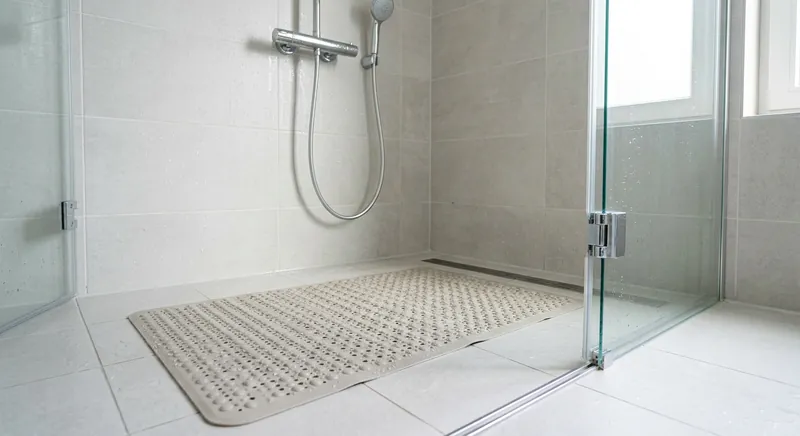
A slippery shower or tub floor is one of the most common causes of bathroom falls, and an anti-slip mat is a simple, affordable way to reduce that risk. The right mat provides a stable, textured surface that grips the floor and your feet, giving you confidence when stepping, turning, and standing in the shower. But not all anti-slip mats work the same way. Material, suction cup design, drainage, size, and maintenance all affect how well a mat performs and how long it lasts. Some users prefer a cushioned mat, others want a low-profile solution, and some need something that is easy to keep clean. This guide compares the main options.
Quick Answer
For most homeowners, a rubber or silicone anti-slip shower mat with hundreds of suction cups, a textured pebble surface, and drainage holes is the best choice because it provides reliable traction on wet surfaces, conforms to both flat and slightly textured tub floors, and is machine washable for easy maintenance. Rubber and silicone mats outperform PVC and vinyl alternatives in both grip quality and durability, lasting 2 to 4 years versus 6 to 12 months for cheaper plastic mats. The number and pattern of suction cups determines how securely the mat stays in place during use, with 200-plus cups providing the most secure grip. The main trade-off is comfort versus stability, as cushioned mats feel better underfoot but can shift more easily than low-profile mats. Mats with drainage holes dry faster and resist mold better than solid mats. A machine-washable design is essential for hygiene maintenance.
Top Picks at a Glance
Rubber Shower Mat with Suction Cups
Silicone Bath Mat
Peel-and-Stick Anti-Slip Strips
Machine-Washable Shower Mat
Product Comparison
| Product | Best For | Material | Suction/Grip | Drainage | Price Range | Details |
|---|---|---|---|---|---|---|
Rubber Shower Mat with Suction Cups Best Overall | Reliable slip prevention on flat tub and shower floors | Natural or synthetic rubber | 100–200 cups on underside | Hole pattern throughout | $15–$35 | View Review ↓ |
Silicone Bath Mat Best for Comfort | Comfortable cushioning with slip resistance | Food-grade silicone | Optional or minimal | Channels or hole pattern | $25–$50 | View Review ↓ |
Peel-and-Stick Anti-Slip Strips Best Low Profile | Low-profile slip prevention without a mat | Textured adhesive strips | Permanent (until removed) | Strip pattern across shower floor | $10–$25 | View Review ↓ |
Machine-Washable Shower Mat Best for Maintenance | Easy maintenance and hygiene | Synthetic fabric with non-slip backing | Non-slip rubber backing | Permeable fabric surface | $20–$45 | View Review ↓ |
Rubber Shower Mat with Suction Cups
Best Overall- Best For:
- Reliable slip prevention on flat tub and shower floors
- Material:
- Natural or synthetic rubber
- Suction/Grip:
- 100–200 cups on underside
- Drainage:
- Hole pattern throughout
- Price Range:
- $15–$35
Silicone Bath Mat
Best for Comfort- Best For:
- Comfortable cushioning with slip resistance
- Material:
- Food-grade silicone
- Suction/Grip:
- Optional or minimal
- Drainage:
- Channels or hole pattern
- Price Range:
- $25–$50
Peel-and-Stick Anti-Slip Strips
Best Low Profile- Best For:
- Low-profile slip prevention without a mat
- Material:
- Textured adhesive strips
- Suction/Grip:
- Permanent (until removed)
- Drainage:
- Strip pattern across shower floor
- Price Range:
- $10–$25
Machine-Washable Shower Mat
Best for Maintenance- Best For:
- Easy maintenance and hygiene
- Material:
- Synthetic fabric with non-slip backing
- Suction/Grip:
- Non-slip rubber backing
- Drainage:
- Permeable fabric surface
- Price Range:
- $20–$45
Detailed Product Reviews & Specifications
Rubber Shower Mat with Suction Cups
A rubber shower mat with multiple suction cups on the underside that grip the tub or shower floor. The textured top surface provides traction for feet, while drainage holes allow water to flow through rather than pooling.
Pros
- •Strong suction cups hold the mat firmly in place
- •Textured rubber surface provides excellent foot traction
- •Drainage holes prevent water from pooling on the mat
- •Affordable and widely available
Cons
- •Suction cups may not adhere to textured shower floors
- •Rubber can develop mildew if not dried between uses
- •Some users find the texture uncomfortable underfoot
Key Specifications
Silicone Bath Mat
A silicone shower mat that provides a soft, cushioned surface underfoot while still offering slip resistance. Silicone is naturally non-slip, resists mildew better than rubber, and is gentler on sensitive feet.
Pros
- •Cushioned surface is comfortable for standing
- •Silicone resists mildew and mold better than rubber
- •Non-slip even without suction cups on some surfaces
- •Soft texture is gentle on feet
Cons
- •More expensive than rubber mats
- •Less aggressive grip than suction-cup rubber mats
- •Can retain water in the cushioned surface
Key Specifications
Peel-and-Stick Anti-Slip Strips
Adhesive anti-slip strips that apply directly to the tub or shower floor. Create a textured, non-slip surface without adding a mat. Ideal for users who do not want to deal with a loose mat or who have textured floors where suction cups will not work.
Pros
- •No mat to move, clean, or store
- •Very low profile — barely visible
- •Works on textured and contoured shower floors
- •No mildew buildup from a mat sitting on the floor
Cons
- •Adhesive may eventually peel, requiring replacement
- •Less cushioning than a mat
- •Application surface must be clean and dry
- •Cannot be repositioned once applied
Key Specifications
Machine-Washable Shower Mat
A shower mat designed to be machine-washed and dried, making it easy to keep clean and free of mildew. Typically made from quick-drying synthetic material with a non-slip backing.
Pros
- •Machine washable for easy cleaning
- •Quick-drying material resists mildew
- •Can be laundered regularly for hygiene
- •Soft, fabric-like surface is comfortable
Cons
- •Non-slip backing may degrade over time with washing
- •May not grip as firmly as suction-cup rubber mats
- •Fabric surface holds more water than rubber or silicone
Key Specifications
Material: Rubber, Silicone, and Vinyl
The material of a shower mat determines its grip, comfort, durability, and maintenance needs. Rubber is the most common and most affordable material. It provides excellent traction and works well with suction cups, but it can develop mildew if not dried between uses and some people dislike the rubber smell when new.
Silicone is softer, more cushioned, and naturally resistant to mildew. It is a good choice for users with sensitive feet who find rubber uncomfortable. Silicone mats tend to cost more than rubber and may not grip as aggressively on smooth surfaces. Vinyl mats are lightweight and inexpensive but generally less durable than rubber or silicone and may need more frequent replacement.
Suction Cups and Drainage
Suction cups on the underside of a mat are what keep it from sliding. A mat with many small suction cups (100–200) generally holds better than one with a few large cups. However, suction cups only work on smooth, non-porous surfaces like fiberglass, acrylic, or smooth tile. They will not grip effectively on textured, pebbled, or non-smooth shower floors.
Drainage is equally important. A mat without drainage holes traps water between the mat and the shower floor, creating a breeding ground for mildew and reducing the effectiveness of the suction cups. Look for mats with a pattern of drainage holes or channels that allow water to flow through. Good drainage keeps the mat cleaner and extends its life.
Size and Fit
A shower mat that is too small leaves areas of the floor exposed and slippery. One that is too large may bunch up at the edges, creating a tripping hazard. Measure your shower or tub floor before purchasing. Standard mats are 14–16 inches wide and 26–30 inches long, which fits most bathtubs. Shower stall mats may be smaller or shaped differently.
For bathtubs, make sure the mat does not extend past the curved bottom of the tub where the suction cups would lose contact. For shower stalls, ensure the mat lies flat without curling at the edges. Some mats are designed to be trimmed to fit custom shapes.
Maintenance and Mildew Resistance
No shower mat is maintenance-free. Even mildew-resistant materials like silicone need to be cleaned and dried periodically. Rubber mats should be lifted after each use, rinsed, and allowed to dry — leaving a wet mat on the shower floor will lead to mildew within days. Silicone and machine-washable mats are easier to maintain but still need regular attention.
Machine-washable mats are the easiest to keep clean — simply toss them in the washing machine on a gentle cycle. Peel-and-stick strips require the least maintenance since there is no mat to remove, but the shower floor itself needs regular cleaning. To extend any mat's life, remove it from the shower between uses, rinse it clean, and let it air dry.
Safety & Compliance Notice
Anti-slip mats reduce but do not eliminate fall risk. For maximum safety, combine with properly installed grab bars.
Frequently Asked Questions
Generally, no. Suction cups require a smooth, non-porous surface to create a vacuum seal. Textured, pebbled, or contoured shower floors prevent the cups from making full contact. For textured floors, peel-and-stick anti-slip strips are a better option because they adhere directly to the surface.
Final Verdict
A rubber shower mat with suction cups is the best overall choice for most users — it provides reliable grip on smooth tub and shower floors at an affordable price. If comfort is a priority, a silicone mat offers a softer, more cushioned surface and resists mildew better than rubber. Peel-and-stick strips are the best low-profile option for users who do not want a mat, and they are the only option that works on textured shower floors. For the easiest maintenance, a machine-washable mat can be laundered regularly to keep it clean and hygienic. Whatever mat you choose, remember that it reduces but does not eliminate fall risk — for maximum safety, combine it with properly installed grab bars.
Lisa Park
Kitchen & Bathroom Editor
Lisa covers kitchen and bathroom fixtures, water filtration, and accessibility products for HomeGear Guide. Her work focuses on the details that make daily-use spaces more functional and safer for all members of the household.
Related Articles & Buying Guides
 Accessibility & Senior Home Products
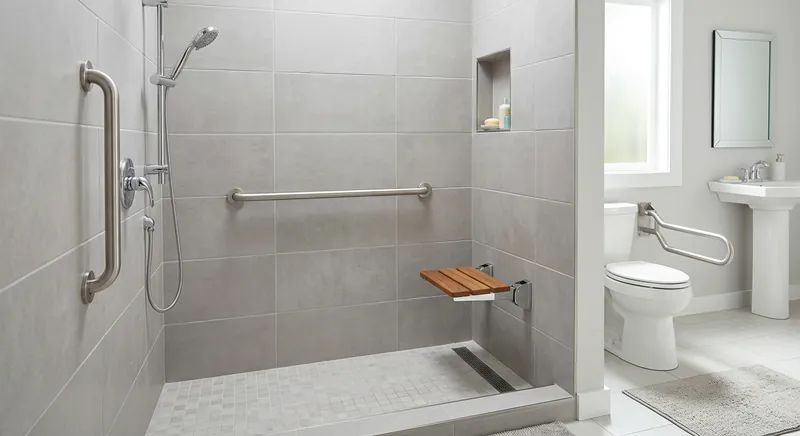
Best Grab Bars for Bathroom Safety and Stability
Compare ADA-compliant bathroom grab bars by weight capacity, grip diameter, non-slip textures, and secure stud mounting to make showers and tubs safe for all ages.
 Bathroom Improvement
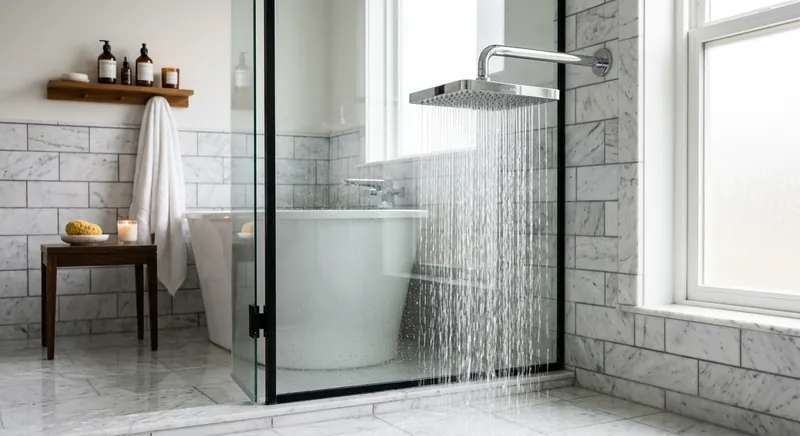
Best Shower Heads for Every Bathroom and Budget
Handheld, high-pressure, rain, and water-saving shower heads each suit different needs. Compare flow rate, spray patterns, and WaterSense certification before you buy.
 Bathroom Improvement
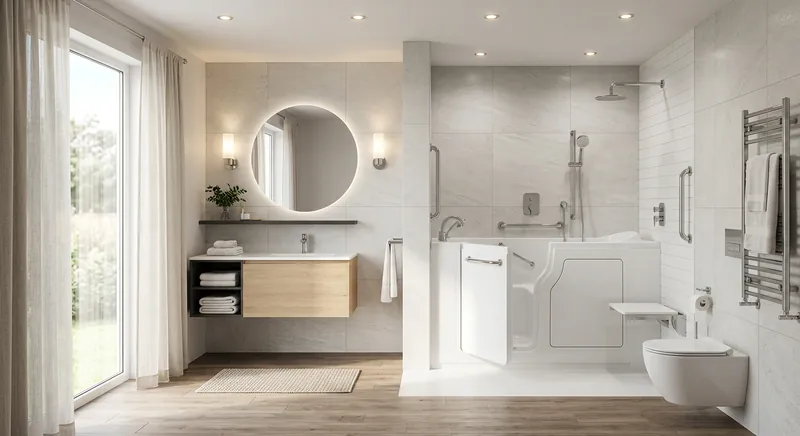
Best Walk-In Tubs for Safe and Comfortable Bathing
Walk-in tubs make bathing safer and more accessible. Compare soaking, hydrotherapy, compact, and wheelchair-accessible models by door type, size, drain speed, and installation needs.
 Accessibility & Senior Home Products
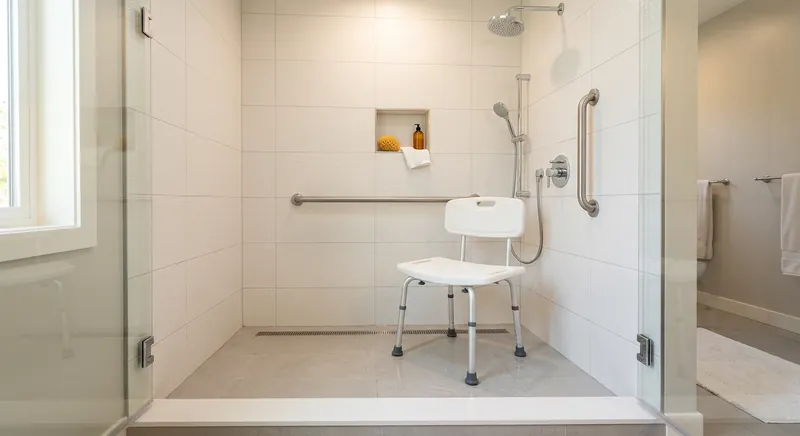
Best Shower Chairs for Safe and Comfortable Bathing
Adjustable, folding, bariatric, and wall-mounted shower chairs each solve a different bathing safety need. Compare weight capacity, height adjustment, backrest, and drainage before you buy.
Get Smarter About Your Home
Receive practical buying guides, product comparisons, maintenance tips and home project ideas from HomeGear Guide.
You can unsubscribe at any time.