Best Shower Heads for Every Bathroom and Budget
Affiliate Disclosure: HomeGear Guide is reader-supported. When you buy through links on our site, we may earn an affiliate commission at no extra cost to you. We do not accept paid product placements or sponsor-biased reviews.
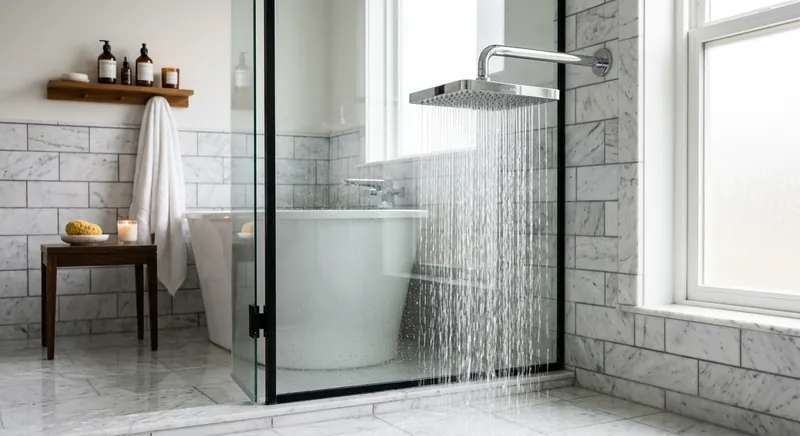
A shower head is one of the easiest bathroom upgrades you can make, and it has a surprisingly large impact on your daily routine. The right shower head can improve water pressure, add convenience, reduce water consumption, or turn an ordinary shower into a spa-like experience. But with so many types — handheld, fixed, rain, high-pressure, water-saving — and features like spray patterns, flow rate, and WaterSense certification to sort through, choosing can feel overwhelming. This guide simplifies the decision by comparing the main types and the factors that matter most.
Quick Answer
For most homeowners, a handheld shower head with a 1.8 GPM flow rate, multiple spray patterns, and a 5 to 7 foot hose is the best choice because it combines the convenience of a fixed head with the flexibility of a handheld wand, making it easy to rinse hair, clean the shower, and bathe children or pets. A flow rate of 1.8 GPM provides satisfying pressure while meeting WaterSense efficiency standards and reducing water consumption by approximately 28 percent compared to standard 2.5 GPM heads. Metal construction with a brushed nickel or chrome finish lasts significantly longer than plastic alternatives. The main trade-off is pressure versus efficiency, as ultra-low-flow heads at 1.5 GPM save more water but may feel weak. Rain shower heads provide a luxurious experience but require ceiling or high-wall mounting and typically have lower pressure. A pause feature that reduces flow to a trickle while soaping is valuable for water savings.
Top Picks at a Glance
Handheld Shower Head
High-Pressure Shower Head
Rain Shower Head
Water-Saving Shower Head
Product Comparison
| Product | Best For | Type | Flow Rate | Spray Settings | Price Range | Details |
|---|---|---|---|---|---|---|
Handheld Shower Head Best Overall | Versatility and ease of cleaning | Handheld with hose | 1.8–2.5 GPM | 3–7 modes | $25–$80 | View Review ↓ |
High-Pressure Shower Head Best for Low Pressure | Homes with low water pressure | Fixed wall-mount | 2.0–2.5 GPM | 1–5 modes | $20–$60 | View Review ↓ |
Rain Shower Head Best for Luxury | A spa-like, gentle full-body rinse | Overhead/ceiling or wall-mount | 1.8–2.5 GPM | 8–12 inches | $40–$150 | View Review ↓ |
Water-Saving Shower Head Best for Efficiency | Reducing water usage without sacrificing comfort | Fixed or handheld | 1.5–2.0 GPM | WaterSense (EPA) | $20–$55 | View Review ↓ |
Handheld Shower Head
Best Overall- Best For:
- Versatility and ease of cleaning
- Type:
- Handheld with hose
- Flow Rate:
- 1.8–2.5 GPM
- Spray Settings:
- 3–7 modes
- Price Range:
- $25–$80
High-Pressure Shower Head
Best for Low Pressure- Best For:
- Homes with low water pressure
- Type:
- Fixed wall-mount
- Flow Rate:
- 2.0–2.5 GPM
- Spray Settings:
- 1–5 modes
- Price Range:
- $20–$60
Rain Shower Head
Best for Luxury- Best For:
- A spa-like, gentle full-body rinse
- Type:
- Overhead/ceiling or wall-mount
- Flow Rate:
- 1.8–2.5 GPM
- Spray Settings:
- 8–12 inches
- Price Range:
- $40–$150
Water-Saving Shower Head
Best for Efficiency- Best For:
- Reducing water usage without sacrificing comfort
- Type:
- Fixed or handheld
- Flow Rate:
- 1.5–2.0 GPM
- Spray Settings:
- WaterSense (EPA)
- Price Range:
- $20–$55
Detailed Product Reviews & Specifications
Handheld Shower Head
A handheld shower head with a flexible hose and wall-mounted bracket. Detaching the head makes it easy to rinse hard-to-reach areas, clean the shower enclosure, and assist children or pets with bathing.
Pros
- •Detachable head for targeted rinsing and cleaning
- •Multiple spray settings for different preferences
- •Easy to install without professional help
- •Helpful for limited mobility and caregiver assistance
Cons
- •Hose can develop leaks over time
- •Bracket mount may need occasional tightening
- •Slightly lower flow than fixed heads in some models
Key Specifications
High-Pressure Shower Head
A fixed shower head engineered to maximize water pressure through optimized nozzle design and flow restriction. Delivers a forceful spray even in homes with below-average water pressure.
Pros
- •Strong, invigorating spray even with low home water pressure
- •Simple fixed installation with no moving parts
- •Durable construction with minimal maintenance
- •Often includes a massage spray setting
Cons
- •May use more water per minute than water-saving models
- •Limited spray pattern variety on some models
- •Can feel too intense for users who prefer a gentle shower
Key Specifications
Rain Shower Head
A wide-diameter shower head mounted overhead that simulates rainfall with a gentle, even distribution of water. Creates a relaxing, immersive shower experience with broad coverage.
Pros
- •Wide, even coverage for a relaxing shower experience
- •Sleek, modern appearance that upgrades bathroom aesthetics
- •Gentle spray is comfortable for sensitive skin
- •Available in ceiling-mount and wall-mount configurations
Cons
- •Generally lower pressure than standard shower heads
- •May require a shower arm extension for proper mounting
- •Larger size can be harder to clean around nozzles
Key Specifications
Water-Saving Shower Head
A shower head designed to deliver a satisfying spray while using significantly less water than standard models. Many WaterSense-certified options use 1.5–2.0 GPM while maintaining good spray quality through efficient nozzle engineering.
Pros
- •Reduces water and energy bills
- •WaterSense-certified models meet EPA efficiency standards
- •Maintains satisfying spray through optimized nozzles
- •Environmentally friendly choice
Cons
- •Lower flow may feel less powerful to some users
- •Fewer spray settings on basic models
- •May take longer to rinse long or thick hair
Key Specifications
Flow Rate and Water Pressure
Flow rate, measured in gallons per minute (GPM), is the single most important specification to understand. Standard shower heads sold in the US are limited to a maximum of 2.5 GPM by federal regulation. Water-saving models typically flow at 1.5–2.0 GPM. High-pressure models often use the full 2.5 GPM but channel it through engineered nozzles to maximize perceived pressure.
It is important to understand the difference between flow rate and water pressure. Flow rate is how much water the head uses; pressure is how forcefully it comes out. A high-pressure shower head can deliver a strong spray at a moderate flow rate by using air-induction nozzles that mix air with water. If your home has low water pressure (below 40 PSI), no shower head can create pressure that your plumbing does not supply — but a pressure-optimized head can make the most of what you have.
Spray Patterns and Settings
Shower heads offer a range of spray patterns, and the right one is a matter of personal preference. Common patterns include a wide full-body spray for general use, a concentrated massage spray for sore muscles, a mist spray for a gentle, fine coverage, and a combination mode that mixes patterns.
More settings are not always better. Some users find they use the same one or two settings consistently and never touch the rest. If you know your preference, a simpler shower head with one or two well-executed spray patterns may serve you better than a model with seven mediocre ones.
Handheld vs. Fixed Shower Heads
A fixed shower head mounts permanently to the wall and stays in place. It is simple, durable, and has no hose to leak or wear out. Fixed heads are the traditional choice and work well for most standard showers.
A handheld shower head attaches to a hose and can be removed from its bracket. This makes it easier to rinse specific areas, clean the shower walls, bathe children or pets, and assist someone with limited mobility. Many handheld models also include a wall bracket that lets them function like a fixed head when docked. For accessibility and versatility, a handheld shower head is hard to beat.
WaterSense Certification and Efficiency
WaterSense is an EPA program that certifies products meeting specific water efficiency standards without sacrificing performance. A WaterSense-certified shower head uses no more than 2.0 GPM and has been independently tested to confirm it provides a satisfactory spray.
Switching from a standard 2.5 GPM shower head to a WaterSense-certified 1.8 GPM model can save thousands of gallons of water per year for a typical family, along with the energy used to heat that water. The savings show up on both your water bill and your gas or electric bill. If efficiency is a priority, look for the WaterSense label.
Frequently Asked Questions
A quality shower head can last 5–10 years. Signs that it is time to replace yours include mineral buildup that cannot be cleaned, cracked or leaking components, reduced flow despite good home water pressure, or visible corrosion. If spray patterns have become uneven or weak, mineral deposits in the nozzles may be the cause — try soaking the head in vinegar before replacing.
Final Verdict
A handheld shower head is the best all-around choice for most households because it combines everyday showering convenience with the ability to clean the shower, bathe kids and pets, and assist anyone with limited mobility. If your home has low water pressure, a high-pressure shower head will make the most of what your plumbing delivers. Rain shower heads are worth the investment if you want a relaxing, spa-like experience and do not mind lower pressure. For anyone focused on reducing water and energy bills, a WaterSense-certified water-saving head delivers real savings without a dramatic drop in comfort. All four types are easy to install without a plumber.
Lisa Park
Kitchen & Bathroom Editor
Lisa covers kitchen and bathroom fixtures, water filtration, and accessibility products for HomeGear Guide. Her work focuses on the details that make daily-use spaces more functional and safer for all members of the household.
Related Articles & Buying Guides
 Bathroom Improvement
Best Bathroom Exhaust Fans for Moisture and Odor Control
CFM rating, noise level in sones, and humidity sensors are the key factors in choosing a bathroom fan. Compare standard, ultra-quiet, humidity-sensing, and budget options.
 Bathroom Improvement
Best Walk-In Tubs for Safe and Comfortable Bathing
Walk-in tubs make bathing safer and more accessible. Compare soaking, hydrotherapy, compact, and wheelchair-accessible models by door type, size, drain speed, and installation needs.
 Bathroom Improvement
Best Bathroom Vanities Under $500 for Style and Storage
Single sink, compact, double sink, and floating vanities under $500 each fit different bathroom layouts. Compare size, sink type, storage, and construction quality.
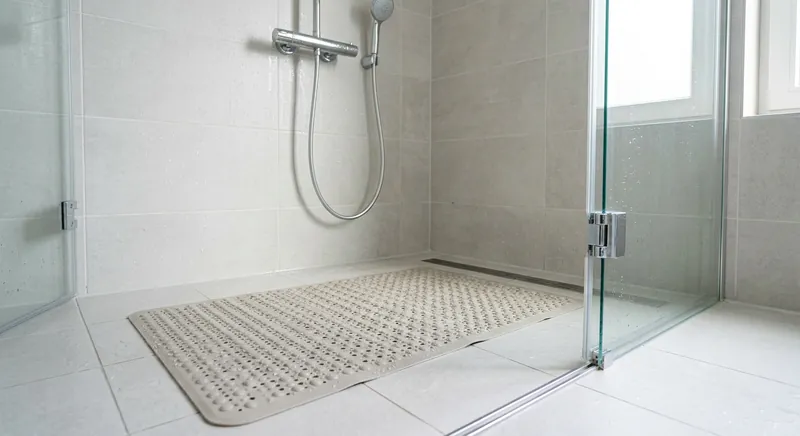 Bathroom Improvement
Best Anti-Slip Shower Mats for Bathroom Safety
Rubber, silicone, peel-and-stick strips, and machine-washable mats each reduce shower fall risk differently. Compare material, suction, drainage, and maintenance needs.
Get Smarter About Your Home
Receive practical buying guides, product comparisons, maintenance tips and home project ideas from HomeGear Guide.
You can unsubscribe at any time.