Walk-In Tub Installation: What Homeowners Need to Know
Affiliate Disclosure: HomeGear Guide is reader-supported. When you buy through links on our site, we may earn an affiliate commission at no extra cost to you. We do not accept paid product placements or sponsor-biased reviews.
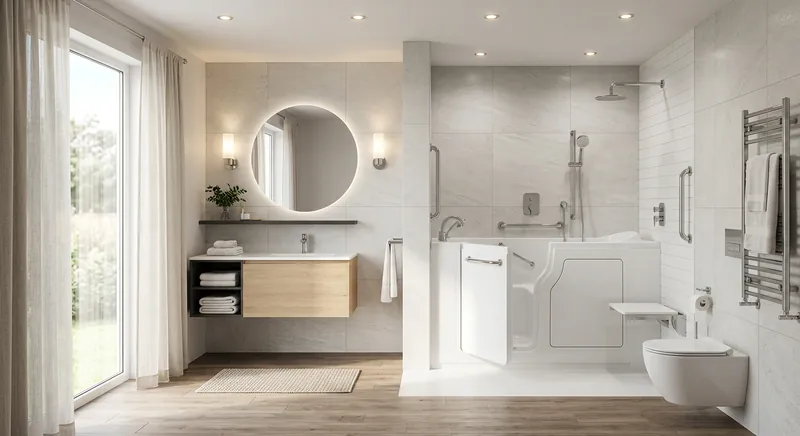
A walk-in tub can make bathing safe and accessible for anyone with mobility limitations, but the installation is significantly more complex than replacing a standard bathtub. Walk-in tubs are heavier, hold more water, often require electrical connections for hydrotherapy features, and may need floor reinforcement to support the combined weight of the tub, water, and user. Before purchasing a walk-in tub, it is essential to understand the plumbing, electrical, structural, and installation requirements so you can budget accurately and avoid surprises. Based on our research into manufacturer specifications and installation guidelines, the four key considerations are plumbing requirements, electrical needs, floor and bathroom preparation, and the decision between professional and DIY installation.
Quick Answer
Based on our research, walk-in tub installation requires three key preparations beyond a standard tub replacement: plumbing upgrades to handle 40 to 50 gallons of water at a faster fill rate, a dedicated GFCI-protected electrical circuit for hydrotherapy models with air jets or heated seats, and floor reinforcement to support the combined weight of the tub (200 to 500 pounds), water (40 to 50 gallons at 8.3 pounds per gallon), and user (up to 300 pounds) — a total of 600 to 1,200 pounds concentrated in a smaller footprint than a standard tub. Professional installation is strongly recommended and typically costs $2,500 to $4,500 in addition to the tub price, because the work involves plumbing, electrical, and structural modifications that most homeowners are not equipped to handle. The total installed cost of a walk-in tub ranges from $5,000 to $12,000 depending on the tub features and the extent of modifications needed.
Plumbing Requirements for a Walk-In Tub
Walk-in tubs hold significantly more water than standard bathtubs — typically 40 to 50 gallons versus 25 to 35 gallons for a standard tub. This means your water heater must have sufficient capacity to fill the tub with hot water. A 40-gallon water heater can typically handle a standard walk-in tub, but larger models or back-to-back use may require a 50-gallon or larger tank, or a tankless water heater with adequate flow rate. Check the tub's water capacity against your heater's recovery rate before purchasing.
Fill rate is a common concern. Because walk-in tubs hold more water and the user must sit inside the tub with the door closed while it fills, fill time can be 10 to 20 minutes depending on water pressure and pipe size. If your home has low water pressure, the fill time can be uncomfortably long, especially in winter. Some installations benefit from upgrading the supply line from a 1/2-inch to a 3/4-inch pipe to increase flow rate. Consult a plumber to evaluate whether your existing plumbing can deliver adequate fill speed.
Drain speed is equally important because the user cannot open the door until the water has drained. Standard walk-in tubs can take 8 to 15 minutes to drain fully. Models with a fast-drain system use a larger drain opening and dedicated pump to reduce drain time to 3 to 5 minutes. If drain time is a concern — and for most users it is the biggest complaint — choose a model with a fast-drain feature and ensure the drain pipe is properly sized and clear of obstructions.
Electrical Needs for Hydrotherapy Features
A basic soaking walk-in tub with no jets or heated seat requires no electrical connection — it uses only plumbing, like a standard bathtub. However, most walk-in tubs include hydrotherapy features such as air jets, water jets, heated seats, or heated backrests, and these require a dedicated GFCI-protected electrical circuit.
Air-jet and water-jet systems typically require a dedicated 15-amp or 20-amp, 120-volt GFCI-protected circuit. This circuit must be dedicated — meaning no other devices share it — and must include a GFCI breaker or outlet for safety in a wet environment. If your bathroom does not already have a dedicated circuit near the tub location, an electrician will need to run one, which adds $200 to $500 to the installation cost depending on the distance from the panel and the difficulty of running the wire.
Heated seats and backrests typically draw less current but still require a dedicated circuit in most jurisdictions. Some premium models with combination air and water jets, chromatherapy lighting, and other features may require a 20-amp circuit. Always check the manufacturer's electrical specifications before purchasing and have an electrician verify that your bathroom can support the required circuit before installation begins.
Floor Reinforcement and Bathroom Preparation
Walk-in tubs are heavy. The tub itself weighs 200 to 500 pounds, and when filled with 40 to 50 gallons of water (at 8.3 pounds per gallon) and occupied by a user, the total weight can reach 600 to 1,200 pounds concentrated in a smaller footprint than a standard tub. This concentrated weight can exceed what a standard bathroom floor is designed to support, especially in older homes with 2x8 or 2x10 joists at 16-inch spacing.
A structural assessment is essential before purchasing a walk-in tub. A contractor or structural engineer can evaluate whether the floor joists are adequate or need reinforcement. Reinforcement may involve adding sister joists alongside existing ones, installing additional blocking between joists, or adding a support beam beneath the tub location. The cost of floor reinforcement varies widely — from $200 if the floor is already adequate and only minor work is needed, to $1,500 or more if significant structural work is required.
Bathroom door width is another preparation consideration. Walk-in tubs are typically delivered as a single unit, and the bathroom door must be wide enough to accommodate it. Standard bathroom doors are 24 to 28 inches wide, and some walk-in tubs are 26 to 30 inches wide. Measure the door width and the tub's shipping dimensions before purchasing. If the door is too narrow, you may need to remove the door temporarily, widen the opening, or in some cases choose a compact tub model that fits through a standard door.
Professional Installation vs DIY
Walk-in tub installation is not a typical DIY project. It involves plumbing connections, electrical wiring for hydrotherapy models, potential floor reinforcement, and precise leveling and sealing of the tub. Most manufacturers require professional installation to validate the warranty, and many insurance and Medicare waiver programs that may provide reimbursement require installation by a licensed contractor.
Professional installation typically costs $2,500 to $4,500, which includes plumbing connections, electrical work, floor reinforcement if needed, tub mounting and leveling, and sealing. The total installed cost of a walk-in tub — including the tub, installation, and any necessary modifications — ranges from $5,000 to $12,000. Soaking tubs without hydrotherapy features are at the lower end, while premium models with air jets, heated seats, fast-drain systems, and ADA-compliant features are at the higher end.
If you are an experienced DIYer with plumbing and electrical skills, you may be able to handle some aspects of the installation, such as removing the old tub and preparing the space. However, the electrical work should be done by a licensed electrician, and the plumbing connections should be done by a licensed plumber to ensure proper sealing and code compliance. The risk of a DIY installation is that an improperly sealed door gasket, a misaligned drain, or an inadequate electrical connection can lead to leaks, water damage, or electrical hazards — all of which are far more expensive to fix than the cost of professional installation.
Safety & Compliance Notice
Walk-in tub installation involves plumbing, electrical, and structural modifications. Professional assessment and installation are strongly recommended. Never attempt electrical or plumbing work without proper licensing and permits.
Frequently Asked Questions
Professional installation of a walk-in tub typically costs $2,500 to $4,500, which includes plumbing connections, electrical work for hydrotherapy models, floor reinforcement if needed, and tub mounting and sealing. The total installed cost including the tub ranges from $5,000 to $12,000 depending on the tub features and the extent of modifications needed. Get multiple quotes from licensed installers to compare.
Final Verdict
Walk-in tub installation is a complex project that requires careful planning and professional execution. The three key preparations are verifying your water heater can supply 40 to 50 gallons of hot water, ensuring a dedicated GFCI-protected electrical circuit is available for hydrotherapy models, and having a structural assessment to determine if floor reinforcement is needed. Professional installation is strongly recommended and typically costs $2,500 to $4,500, bringing the total installed cost to $5,000 to $12,000. While this is a significant investment, a properly installed walk-in tub provides years of safe, accessible bathing that can be life-changing for users with mobility limitations. Do not attempt installation yourself unless you have licensed plumbing and electrical skills, and always verify warranty requirements before beginning.
Lisa Park
Kitchen & Bathroom Editor
Lisa covers kitchen and bathroom fixtures, water filtration, and accessibility products for HomeGear Guide. Her work focuses on the details that make daily-use spaces more functional and safer for all members of the household.
Related Articles & Buying Guides
Bathroom ImprovementBest Walk-In Tubs for Safe and Comfortable Bathing
Walk-in tubs make bathing safer and more accessible. Compare soaking, hydrotherapy, compact, and wheelchair-accessible models by door type, size, drain speed, and installation needs.
 Accessibility & Senior Home Products
Best Grab Bars for Bathroom Safety and Stability
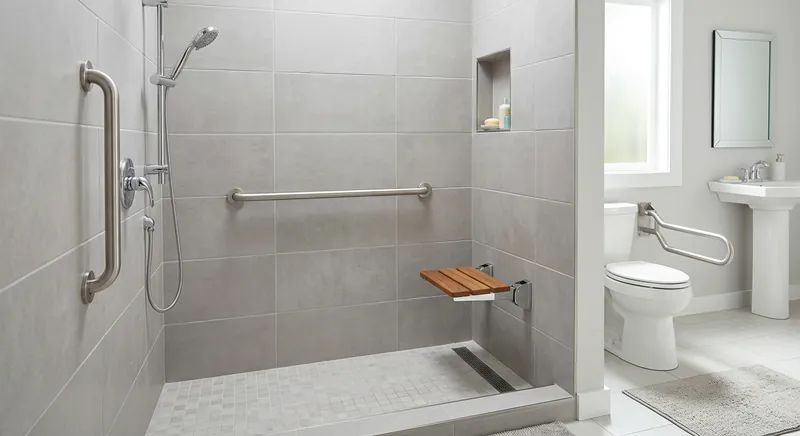
Compare ADA-compliant bathroom grab bars by weight capacity, grip diameter, non-slip textures, and secure stud mounting to make showers and tubs safe for all ages.
 Accessibility & Senior Home Products
Best Shower Chairs for Safe and Comfortable Bathing
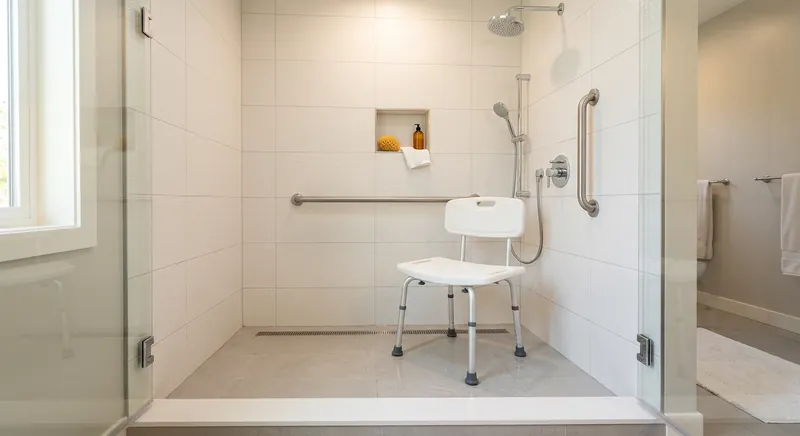
Adjustable, folding, bariatric, and wall-mounted shower chairs each solve a different bathing safety need. Compare weight capacity, height adjustment, backrest, and drainage before you buy.
 Bathroom Improvement
Best Anti-Slip Shower Mats for Bathroom Safety
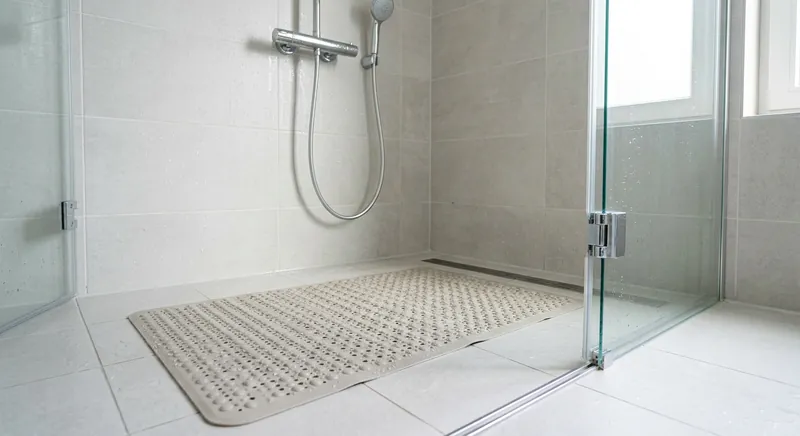
Rubber, silicone, peel-and-stick strips, and machine-washable mats each reduce shower fall risk differently. Compare material, suction, drainage, and maintenance needs.
Get Smarter About Your Home
Receive practical buying guides, product comparisons, maintenance tips and home project ideas from HomeGear Guide.
You can unsubscribe at any time.