Best Garden Hoses for Watering and Yard Work
Affiliate Disclosure: HomeGear Guide is reader-supported. When you buy through links on our site, we may earn an affiliate commission at no extra cost to you. We do not accept paid product placements or sponsor-biased reviews.
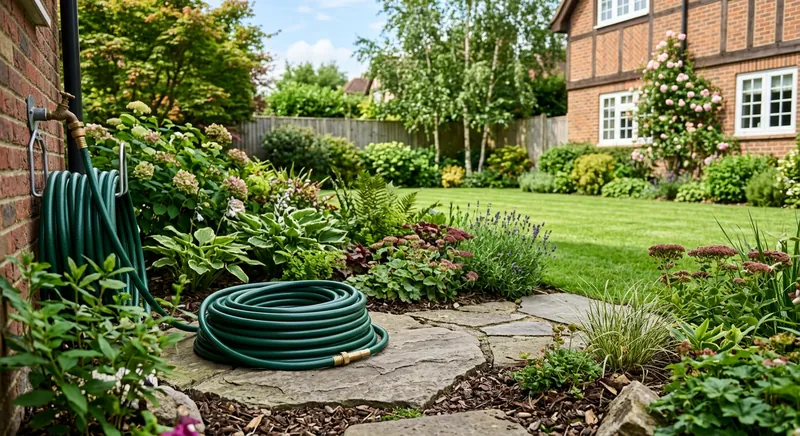
A garden hose seems simple until you fight one that kinks, leaks, or cracks after a single season. The material, diameter, length, and fittings determine whether a hose is a reliable tool or a constant frustration. Rubber hoses last for years but are heavy. Vinyl hoses are light and cheap but kink and crack. Hybrid polymer hoses split the difference. Expandable hoses are convenient for storage but have durability limits. Understanding these tradeoffs helps you choose a hose that delivers the water flow you need, resists kinking, and survives seasons of use without leaking at the fittings.
Quick Answer
For most homeowners, a 5/8-inch diameter rubber garden hose with brass fittings is the best choice because rubber remains flexible in all temperatures, resists kinking, and lasts 7 to 10 years with proper storage, significantly outlasting vinyl alternatives. A 5/8-inch diameter delivers approximately 5 to 9 gallons per minute, which is sufficient for watering, car washing, and powering most sprinklers. Brass fittings are superior to plastic because they do not crack, cross-thread, or degrade from UV exposure. Hybrid polymer hoses offer a lighter alternative to rubber with similar kink resistance at a slightly lower cost. The main trade-off is durability versus weight, as rubber hoses are the most durable but also the heaviest, weighing 20 to 30 pounds when full of water. Expandable hoses are convenient for storage but typically last only 1 to 2 seasons before leaking.
Top Picks at a Glance
Hybrid Polymer Hose
Rubber Garden Hose
Expandable Garden Hose
Heavy-Duty Vinyl Hose
Product Comparison
| Product | Best For | Material | Diameter | Length | Fittings | Price Range | Details |
|---|---|---|---|---|---|---|---|
Rubber Garden Hose Most Durable | Long-term durability and all-weather use | Rubber | 5/8 inch | 50–100 feet | Brass | $40–$90 | View Review ↓ |
Hybrid Polymer Hose Best Overall | Balance of durability, flexibility, and weight | Hybrid polymer | 5/8 inch | 50–100 feet | Brass or aluminum | $35–$75 | View Review ↓ |
Expandable Garden Hose Easiest to Store | Easy storage and light watering tasks | Expandable latex/polyester | 1/2 inch | 25–75 feet | Brass or plastic | $25–$60 | View Review ↓ |
Heavy-Duty Vinyl Hose Best Budget | Budget buyers and light occasional use | Vinyl (reinforced) | 5/8 inch | 25–100 feet | Plastic or brass | $15–$40 | View Review ↓ |
Rubber Garden Hose
Most Durable- Best For:
- Long-term durability and all-weather use
- Material:
- Rubber
- Diameter:
- 5/8 inch
- Length:
- 50–100 feet
- Fittings:
- Brass
- Price Range:
- $40–$90
Hybrid Polymer Hose
Best Overall- Best For:
- Balance of durability, flexibility, and weight
- Material:
- Hybrid polymer
- Diameter:
- 5/8 inch
- Length:
- 50–100 feet
- Fittings:
- Brass or aluminum
- Price Range:
- $35–$75
Expandable Garden Hose
Easiest to Store- Best For:
- Easy storage and light watering tasks
- Material:
- Expandable latex/polyester
- Diameter:
- 1/2 inch
- Length:
- 25–75 feet
- Fittings:
- Brass or plastic
- Price Range:
- $25–$60
Heavy-Duty Vinyl Hose
Best Budget- Best For:
- Budget buyers and light occasional use
- Material:
- Vinyl (reinforced)
- Diameter:
- 5/8 inch
- Length:
- 25–100 feet
- Fittings:
- Plastic or brass
- Price Range:
- $15–$40
Detailed Product Reviews & Specifications
Rubber Garden Hose
A rubber garden hose that withstands hot water, cold weather, and sun exposure without cracking or becoming brittle. The most durable hose material, resistant to kinking and abrasion, but also the heaviest. A good choice for homeowners who want a hose that lasts many years and can handle demanding conditions.
Pros
- •Most durable material — resists cracking and UV damage
- •Handles hot water and extreme cold without damage
- •Kink-resistant and flexible even in cool weather
- •Long service life with proper care
Cons
- •Heaviest hose material — harder to coil and move
- •Higher cost than vinyl or expandable hoses
- •Can leave marks on floors if dragged indoors
Key Specifications
Hybrid Polymer Hose
A hybrid polymer garden hose that blends rubber and polymer characteristics to offer durability closer to rubber with lighter weight and better flexibility. Remains flexible in cold weather, resists kinking, and is easier to coil than rubber. A strong all-around choice for most homeowners.
Pros
- •Lighter than rubber with similar durability
- •Flexible in cold weather without cracking
- •Kink-resistant and easy to coil
- •Good balance of weight, flexibility, and longevity
Cons
- •More expensive than vinyl hoses
- •Not as durable as pure rubber over many years
- •May not handle hot water as well as rubber
Key Specifications
Expandable Garden Hose
An expandable garden hose that contracts to a compact size when water is off and expands to full length under water pressure. Extremely lightweight and easy to store, making it popular for small yards, patios, and occasional watering. Has durability limits compared to rubber and hybrid polymer hoses.
Pros
- •Expands for use and contracts for easy storage
- •Very lightweight and easy to coil and carry
- •Compact storage — fits in small spaces
- •Will not tangle or kink when expanded
Cons
- •Less durable than rubber or hybrid polymer
- •Internal expanding material can fail over time
- •Lower water flow than standard hoses
- •Not suitable for high-pressure or heavy use
Key Specifications
Heavy-Duty Vinyl Hose
A heavy-duty vinyl garden hose, often reinforced with mesh for added strength. The most affordable hose option, lightweight and easy to handle, but less durable than rubber or hybrid polymer. Suitable for light, occasional watering where cost is the primary concern.
Pros
- •Lowest cost hose option
- •Lightweight and easy to coil
- •Sufficient for light, occasional watering
- •Available in a range of lengths
Cons
- •Less durable — prone to cracking and kinking
- •Becomes brittle in cold and degrades in sun
- •Fittings are often plastic and prone to leaking
- •Shorter service life than rubber or hybrid polymer
Key Specifications
What to Look for in a Garden Hose
Garden hoses vary by material, diameter, length, kink resistance, and fittings. Each choice affects water flow, durability, weight, and how the hose handles over years of use. A hose that is too narrow restricts flow, one that is too long wastes water waiting for it to reach the end, and poor fittings leak from day one.
For most homeowners, a 5/8-inch hybrid polymer hose in 50 or 100 feet with brass fittings is the best all-around choice — durable, flexible, and reasonably lightweight.
Material: Rubber, Vinyl, and Hybrid Polymer
Rubber is the most durable and handles hot water and extreme weather but is heavy. Vinyl is the lightest and cheapest but kinks, cracks, and degrades fastest. Hybrid polymer blends rubber and polymer for durability closer to rubber with lighter weight and better cold-weather flexibility — the best balance for most homeowners.
Diameter: 1/2", 5/8", and 3/4"
Diameter determines water flow. A 1/2-inch hose is lightweight but restricts flow — suitable for light watering. A 5/8-inch hose is the standard for most residential use and balances flow with manageable weight. A 3/4-inch hose delivers maximum flow for large gardens and sprinklers but is heavy and less common. Most homeowners are best served by 5/8 inch.
Length
Choose the shortest length that reaches your furthest watering point. Longer hoses mean more weight, more water wasted waiting for flow, and more to coil and store. A 50-foot hose suits most small to medium yards. A 100-foot hose reaches across larger properties. Coupling two shorter hoses is often more practical than one long hose.
Fittings: Brass vs Aluminum vs Plastic
Brass fittings are the most durable and resist corrosion and stripping — the best choice for a hose you plan to keep. Aluminum fittings are lighter and decent but bend and strip more easily than brass. Plastic fittings are common on cheap hoses and crack and leak readily. Spend a little more for brass fittings — they are the single biggest factor in leak-free connections.
Kink Resistance and Flexibility
Kinking blocks water flow and, over time, weakens the hose at the kink point until it cracks. Rubber and hybrid polymer hoses resist kinking better than vinyl. Reinforcement — an internal mesh layer — improves kink resistance in all materials. Look for hoses described as kink-resistant or reinforced.
Flexibility matters in cold weather. Vinyl hoses become stiff and unmanageable in cool temperatures, while rubber and hybrid polymer remain flexible. If you water in spring and fall when temperatures drop, a rubber or hybrid polymer hose is far easier to work with than vinyl.
Water Flow and Pressure
Water flow depends on diameter, length, and water pressure. A 5/8-inch hose at 50 feet delivers good flow for most residential watering and sprinkler use. At 100 feet, flow drops noticeably due to friction. A 3/4-inch hose maintains flow better over long distances but is heavier and harder to coil.
If you run sprinklers or need strong flow at the end of a long hose, choose a larger diameter or a shorter length. For drip irrigation and hand watering, 5/8 inch at any common length is sufficient. Match the hose diameter to how you use water, not just to the size of your yard.
Storage and Longevity
Store hoses out of direct sun when not in use — UV exposure degrades vinyl rapidly and shortens the life of all hose materials. Drain hoses before winter in cold climates to prevent freezing damage, and disconnect fittings to relieve stress on the connections.
Coil hoses loosely on a reel or hook rather than leaving them in a heap, which creates kink points. Avoid dragging hoses by the fitting — the fitting is the weakest point. With reasonable care, a rubber or hybrid polymer hose lasts 5 to 10 years, while vinyl hoses typically need replacement every 2 to 4 years.
Safety & Compliance Notice
Garden hoses can contain lead and other chemicals leached from materials. If you use a garden hose for drinking water or filling pet bowls, flush the hose for several minutes before use, choose a hose labeled as drinking-water-safe, and never drink from a hose that has been sitting in the sun.
Frequently Asked Questions
Hybrid polymer is the best all-around material for most homeowners — it offers durability close to rubber with lighter weight and better cold-weather flexibility. Rubber is the most durable and handles hot water and extreme weather but is heavy. Vinyl is the cheapest but kinks, cracks, and degrades fastest. Expandable hoses are convenient for storage but less durable.
Final Verdict
For most homeowners, a 5/8-inch hybrid polymer hose with brass fittings is the best all-around choice — durable, flexible, reasonably lightweight, and suitable for typical residential watering and yard work. Choose a rubber hose for maximum durability and all-weather or hot-water use if you do not mind the weight. An expandable hose is the most convenient for easy storage on small yards and patios but has durability limits. A heavy-duty vinyl hose is the most affordable option for light, occasional use but will need replacement more often. Choose the shortest length that reaches your furthest point, prioritize brass fittings for leak-free connections, and store the hose out of the sun to extend its life.
James Carter
Outdoor Equipment Specialist
James covers lawn care, outdoor power equipment, and yard maintenance products for HomeGear Guide. His work focuses on helping homeowners compare mowers, trimmers, and yard tools based on property size, terrain, and practical use cases.
Related Articles & Buying Guides
 Lawn & Outdoor Equipment
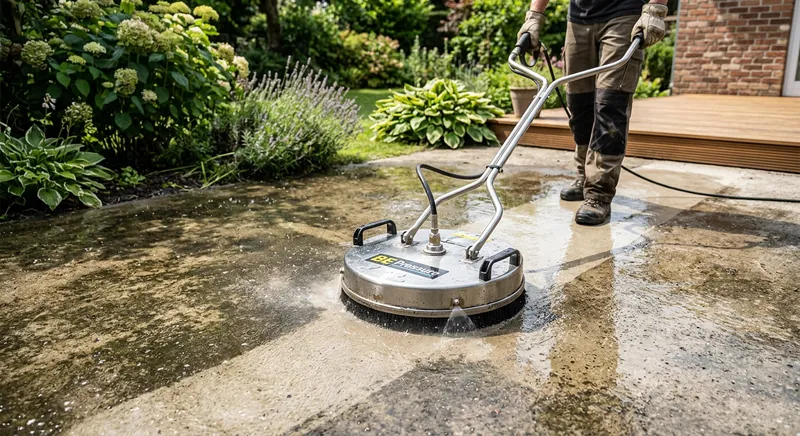
Best Pressure Washer Surface Cleaners for Flat Surfaces
Compare 12" to 24" pressure washer surface cleaners for flat surfaces. Find the right diameter, PSI compatibility, and cleaning width for your driveway and patio.
 Lawn & Outdoor Equipment
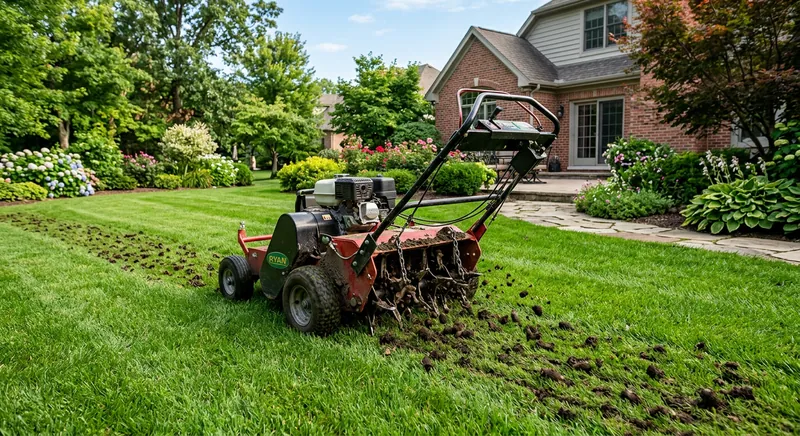
Best Lawn Aerators for Healthier Grass
Compare core and spike aerators in manual, powered, and tow-behind designs. Find the right aeration method and width for your lawn size and soil type.
 Lawn & Outdoor Equipment
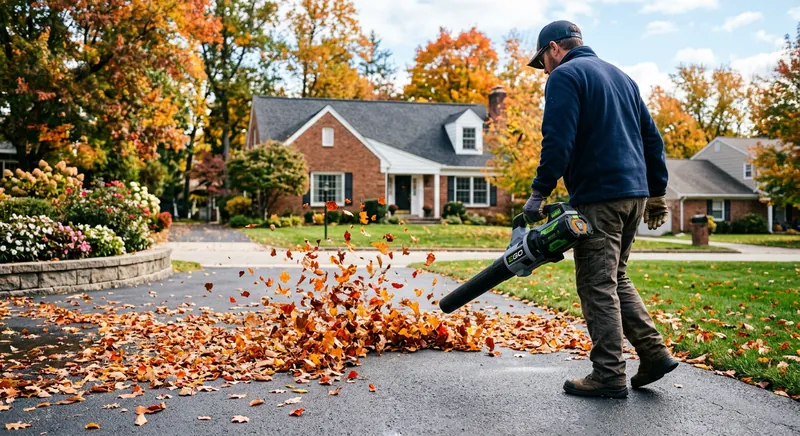
Best Leaf Blowers for Yard Cleanup
Compare gas, battery, and corded leaf blowers with CFM and MPH ratings. Find the right power source and design for your yard size and cleanup needs.
Get Smarter About Your Home
Receive practical buying guides, product comparisons, maintenance tips and home project ideas from HomeGear Guide.
You can unsubscribe at any time.