Best Impact Drivers for Driving Fasteners
Affiliate Disclosure: HomeGear Guide is reader-supported. When you buy through links on our site, we may earn an affiliate commission at no extra cost to you. We do not accept paid product placements or sponsor-biased reviews.
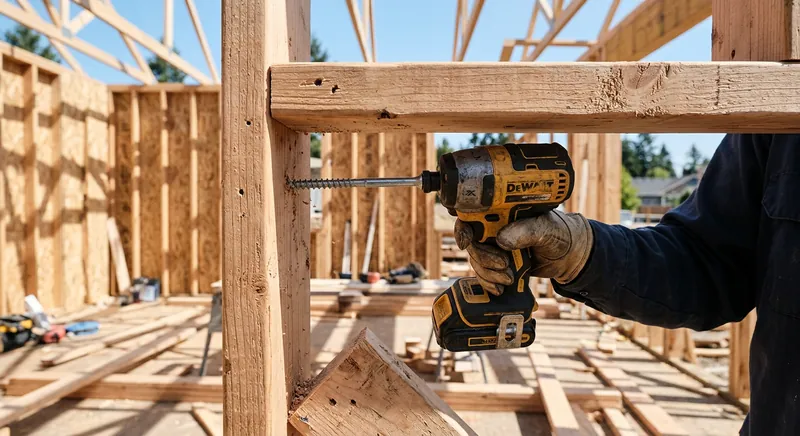
An impact driver is a specialized tool designed specifically for driving fasteners. Unlike a drill, which applies constant rotational force, an impact driver delivers rapid rotational impacts that drive long screws and lag bolts with far less strain on your wrist. If you have ever fought a drill to drive a 4-inch screw into framing, you understand why impact drivers exist. They are not a replacement for a drill — they are a complement, and many homeowners benefit from owning both.
Quick Answer
For most homeowners, a brushless 20V impact driver is the right choice because it delivers 1,200 to 1,800 inch-pounds of torque, which is more than enough for driving deck screws, lag bolts, and long fasteners into framing without stripping cam out. The rapid rotational impacts reduce wrist strain dramatically compared to a drill, and brushless technology extends battery life and motor durability. Variable speed control is essential for avoiding overdriving screws into softer materials. If you already own a cordless drill, buying an impact driver from the same battery platform saves money and adds capability. The main trade-off is that impact drivers use quarter-inch hex chucks designed only for driver bits, so they cannot replace a drill for drilling holes. A combo kit with both tools is often the best value.
Top Picks at a Glance
Brushless Impact Driver
Compact Impact Driver
High-Torque Impact Driver
Budget Impact Driver
Product Comparison
| Product | Best For | Torque | Speed Range | Motor Type | Chuck Type | Price Range | Details |
|---|---|---|---|---|---|---|---|
Brushless Impact Driver Best Overall | General fastening and deck projects | 1,500–1,800 in-lbs | 0–2,800 RPM / 0–3,200 IPM | Brushless | 1/4-inch hex | $90–$150 | View Review ↓ |
Compact Impact Driver Best for Tight Spaces | Working in tight spaces and overhead | 1,200–1,500 in-lbs | 0–2,500 RPM / 0–2,900 IPM | Brushless | 1/4-inch hex | $80–$120 | View Review ↓ |
High-Torque Impact Driver Best for Heavy Fastening | Driving large lag bolts and heavy structural fasteners | 1,800–2,200 in-lbs | 0–2,800 RPM / 0–3,400 IPM | Brushless | 1/4-inch hex | $130–$200 | View Review ↓ |
Budget Impact Driver Best Budget | Occasional fastening and first-time buyers | 1,000–1,400 in-lbs | 0–2,300 RPM / 0–2,700 IPM | Brushed | 1/4-inch hex | $50–$80 | View Review ↓ |
Brushless Impact Driver
Best Overall- Best For:
- General fastening and deck projects
- Torque:
- 1,500–1,800 in-lbs
- Speed Range:
- 0–2,800 RPM / 0–3,200 IPM
- Motor Type:
- Brushless
- Chuck Type:
- 1/4-inch hex
- Price Range:
- $90–$150
Compact Impact Driver
Best for Tight Spaces- Best For:
- Working in tight spaces and overhead
- Torque:
- 1,200–1,500 in-lbs
- Speed Range:
- 0–2,500 RPM / 0–2,900 IPM
- Motor Type:
- Brushless
- Chuck Type:
- 1/4-inch hex
- Price Range:
- $80–$120
High-Torque Impact Driver
Best for Heavy Fastening- Best For:
- Driving large lag bolts and heavy structural fasteners
- Torque:
- 1,800–2,200 in-lbs
- Speed Range:
- 0–2,800 RPM / 0–3,400 IPM
- Motor Type:
- Brushless
- Chuck Type:
- 1/4-inch hex
- Price Range:
- $130–$200
Budget Impact Driver
Best Budget- Best For:
- Occasional fastening and first-time buyers
- Torque:
- 1,000–1,400 in-lbs
- Speed Range:
- 0–2,300 RPM / 0–2,700 IPM
- Motor Type:
- Brushed
- Chuck Type:
- 1/4-inch hex
- Price Range:
- $50–$80
Detailed Product Reviews & Specifications
Brushless Impact Driver
A brushless impact driver with 1/4-inch hex chuck delivering high torque through rapid impacts. Brushless motor provides efficient power delivery and long runtime, making it suitable for extended fastening tasks.
Pros
- •High torque for driving long screws and lag bolts
- •Brushless motor for efficiency and longevity
- •Compact enough for most workspaces
- •Multiple speed settings for control
Cons
- •Accepts only 1/4-inch hex bits
- •Louder than a standard drill
- •More expensive than brushed models
Key Specifications
Compact Impact Driver
A shorter and lighter impact driver designed for confined spaces. Provides solid torque in a smaller package, making it easier to maneuver between joists, inside cabinets, and under sinks.
Pros
- •Shorter head length for tight spaces
- •Lighter weight reduces fatigue
- •Plenty of torque for most fastening
- •Easy to handle one-handed
Cons
- •Slightly lower peak torque than full-size models
- •Smaller battery capacity in some kits
- •Fewer advanced features
Key Specifications
High-Torque Impact Driver
A high-torque impact driver built for demanding fastening tasks. Delivers substantially more torque than standard models, making it capable of driving large lag bolts and structural screws without pre-drilling.
Pros
- •Maximum torque for large fasteners
- •Handles lag bolts and structural screws
- •Brushless motor for sustained power
- •Often includes multiple speed and precision modes
Cons
- •Heavier and larger than standard models
- •Higher price
- •More torque than most household tasks require
Key Specifications
Budget Impact Driver
An affordable brushed-motor impact driver that comes as a kit with battery and charger. Provides impact driving capability at a lower price for homeowners who need it occasionally.
Pros
- •Lowest price with battery and charger included
- •Impact mechanism reduces wrist strain vs a drill
- •Simple operation for basic fastening
- •Good entry point for occasional use
Cons
- •Brushed motor is less efficient
- •Lower torque than brushless models
- •Basic features with fewer speed modes
Key Specifications
How an Impact Driver Works
An impact driver combines rotation with rapid rotational impacts. When the tool senses resistance, an internal mechanism engages and delivers a series of quick, powerful torque impulses in the direction of rotation. This percussive action drives fasteners more efficiently than a drill applying constant force.
The result is that an impact driver can drive long screws and lag bolts with less wrist strain than a drill. The impacts do the work rather than your grip. However, this also makes impact drivers louder than drills, and the rapid clicking sound takes some getting used to.
Impact Driver vs Cordless Drill
A drill and an impact driver serve different purposes. A drill has a chuck that accepts round and hex shanks, offers adjustable clutch settings, and is designed for both drilling holes and driving screws. An impact driver has a 1/4-inch hex chuck, has no clutch, and is designed exclusively for driving fasteners.
For most homeowners, a drill is the first tool to buy because of its versatility. An impact driver is an excellent second tool if you regularly drive long screws or lag bolts. Using a dedicated impact driver for fastening saves your drill for drilling and speeds up project work because you are not constantly switching bits.
When to Use Each
Use a drill when you need to drill holes or drive small screws with precision — the clutch prevents overdriving. Use an impact driver when you are driving long screws, lag bolts, or a large quantity of fasteners where the impacts reduce effort and speed up the work.
Key Features to Compare
Torque is the headline specification. More torque means the driver can handle larger fasteners. For most home projects, 1,200–1,600 in-lbs is sufficient. For structural work with large lag bolts, look for 1,800+ in-lbs.
Speed settings matter for control. Single-speed drivers run at full power always, which can be too aggressive for small screws. Multi-speed or precision modes let you start slow and ramp up, which prevents stripping and damaging materials.
Motor type affects efficiency and longevity. Brushless motors are more efficient and last longer. For a tool you expect to use regularly, brushless is worth the investment.
Bit Compatibility and Selection
Impact drivers accept only 1/4-inch hex-shank bits. This includes most common screwdriver bits and hex-shank drill bits. Standard round-shank drill bits will not fit without an adapter, and adapters are not recommended because the impact force can damage them.
Use impact-rated bits when available. Impact-rated bits are forged to withstand the percussive force of the impact mechanism and are less likely to shatter or wear prematurely. Standard bits work but may break more often under impact use.
Frequently Asked Questions
You can drill holes with an impact driver using hex-shank drill bits, but it is not ideal. Impact drivers lack a clutch and apply impacts when they sense resistance, which can damage small drill bits or cause the bit to jam. For drilling, a drill is the better tool. Use the impact driver for driving fasteners.
Final Verdict
For homeowners who regularly build or repair decks, fences, shelving, or furniture, a brushless impact driver is a worthwhile addition to a cordless drill. It drives long screws and lag bolts with less effort and wrist strain than a drill, and dedicating it to fastening keeps your drill free for drilling holes. If you work in tight spaces, a compact model offers similar capability in a smaller package. For heavy structural fastening, a high-torque model handles large lag bolts that would stall a standard driver. Buy into a battery platform you already own or plan to expand, and use impact-rated bits for best results.
Sarah Mitchell
Home Improvement Editor
Sarah writes about home improvement products, tools, and materials for HomeGear Guide. Her work focuses on comparing product features, use cases, and practical buying considerations for homeowners.
Related Articles & Buying Guides
 Tools & DIY Equipment
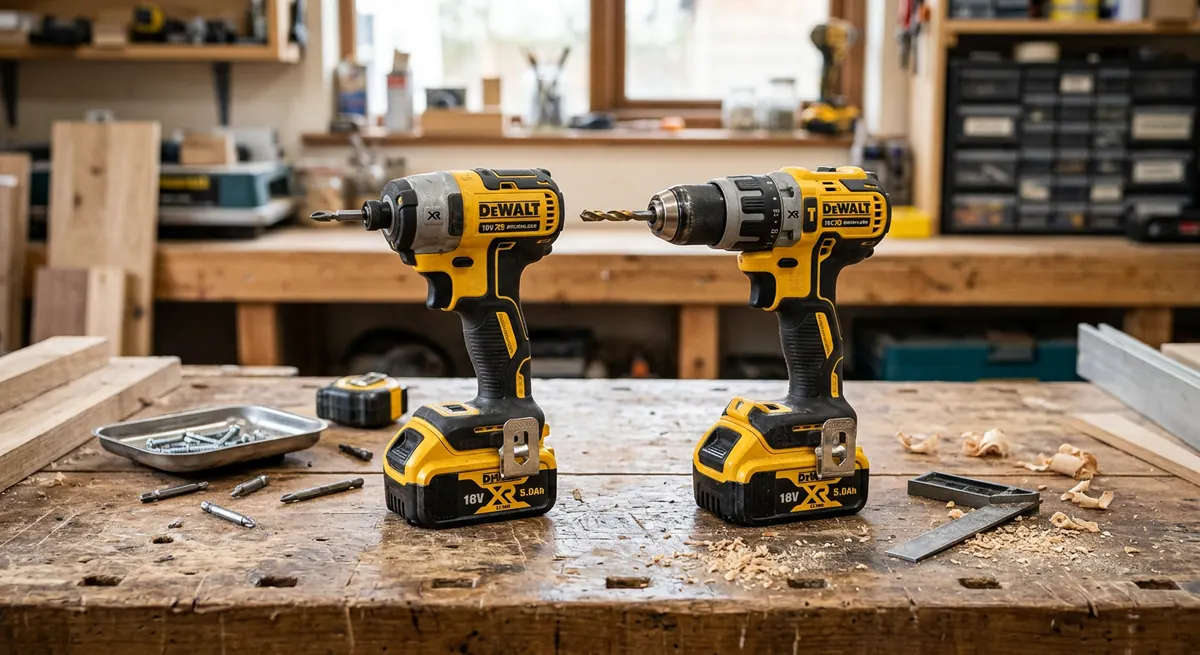
Cordless Drill vs Impact Driver: Which Do You Need?
Compare cordless drills and impact drivers by torque, chuck type, and best use cases. Learn when to use a drill, when to use an impact driver, and whether you need both.
 Tools & DIY Equipment
Best Circular Saws for Straight Cuts and Ripping
Compare 7-1/4 inch corded and cordless circular saws by blade size, bevel capacity, and motor power. Find the right saw for straight cuts and ripping lumber.
 Tools & DIY Equipment
Best Tool Sets for Homeowners
Compare 100-piece to 200-piece home tool sets and power tool combo kits. Learn what essentials to look for and which sets offer the best value for homeowners.
Get Smarter About Your Home
Receive practical buying guides, product comparisons, maintenance tips and home project ideas from HomeGear Guide.
You can unsubscribe at any time.