Best Ladders for Home Projects and Maintenance
Affiliate Disclosure: HomeGear Guide is reader-supported. When you buy through links on our site, we may earn an affiliate commission at no extra cost to you. We do not accept paid product placements or sponsor-biased reviews.
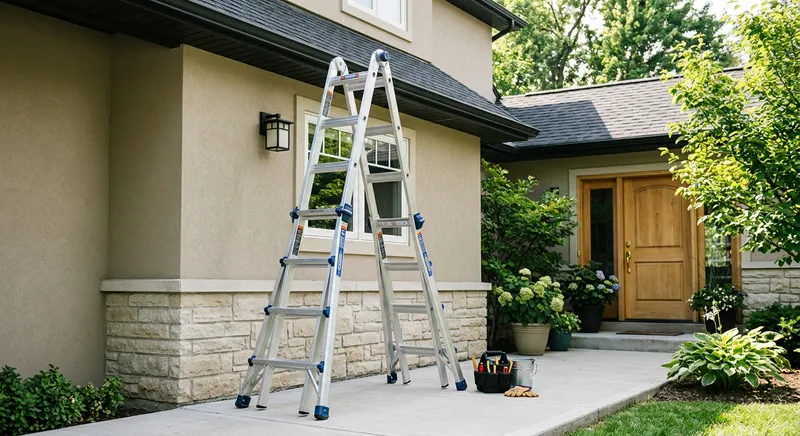
A ladder is a safety-critical tool. Every homeowner needs one for tasks that put your feet above the floor — changing light bulbs, painting, gutter cleaning, reaching high shelves, and trimming branches. But ladders are not interchangeable. The right ladder for painting a ceiling is different from the right ladder for cleaning gutters or trimming a tree. Height reach, weight rating, and material all affect which ladder is appropriate for a given task, and choosing correctly is essential for both getting the job done and staying safe while doing it.
Quick Answer
A 6-foot fiberglass stepladder with a Type IA 300-pound duty rating is the best choice for most homeowners because it handles the majority of indoor tasks including changing light bulbs, painting ceilings, and reaching high shelves, while fiberglass is non-conductive for safety around electrical work. For outdoor tasks like gutter cleaning and tree trimming, a 24-foot extension ladder or a 17-foot telescoping multi-position ladder is necessary to safely reach two-story eaves. Aluminum ladders are lighter and less expensive than fiberglass but conduct electricity and should never be used near power lines. The main trade-off is weight versus durability, with fiberglass being heavier but safer and more durable. Always choose a duty rating that exceeds your body weight plus tools and materials, and never stand on the top rung or cap.
Top Picks at a Glance
6-Foot Fiberglass Step Ladder
Multi-Position Ladder
Extension Ladder
Aluminum Step Ladder
Product Comparison
| Product | Best For | Type | Height | Weight Rating | Material | Price Range | Details |
|---|---|---|---|---|---|---|---|
6-Foot Fiberglass Step Ladder Best Overall | Indoor projects near electrical sources | Step ladder | 6 feet (10–11 ft reach) | Type IA (300 lbs) | Fiberglass | $90–$150 | View Review ↓ |
Multi-Position Ladder Best Versatility | Versatile use in multiple configurations | Multi-position | 13–22 feet (configuration dependent) | Type IA (300 lbs) | Aluminum | $150–$250 | View Review ↓ |
Extension Ladder Best for Outdoor Work | Outdoor high-reach tasks like gutters and eaves | Extension ladder | 16–32 feet (extended) | Type IA (300 lbs) | Aluminum or fiberglass | $120–$250 | View Review ↓ |
Aluminum Step Ladder Best Value | Light indoor tasks and budget buyers | Step ladder | 4–8 feet (8–13 ft reach) | Type I (250 lbs) or Type II (225 lbs) | Aluminum | $50–$100 | View Review ↓ |
6-Foot Fiberglass Step Ladder
Best Overall- Best For:
- Indoor projects near electrical sources
- Type:
- Step ladder
- Height:
- 6 feet (10–11 ft reach)
- Weight Rating:
- Type IA (300 lbs)
- Material:
- Fiberglass
- Price Range:
- $90–$150
Multi-Position Ladder
Best Versatility- Best For:
- Versatile use in multiple configurations
- Type:
- Multi-position
- Height:
- 13–22 feet (configuration dependent)
- Weight Rating:
- Type IA (300 lbs)
- Material:
- Aluminum
- Price Range:
- $150–$250
Extension Ladder
Best for Outdoor Work- Best For:
- Outdoor high-reach tasks like gutters and eaves
- Type:
- Extension ladder
- Height:
- 16–32 feet (extended)
- Weight Rating:
- Type IA (300 lbs)
- Material:
- Aluminum or fiberglass
- Price Range:
- $120–$250
Aluminum Step Ladder
Best Value- Best For:
- Light indoor tasks and budget buyers
- Type:
- Step ladder
- Height:
- 4–8 feet (8–13 ft reach)
- Weight Rating:
- Type I (250 lbs) or Type II (225 lbs)
- Material:
- Aluminum
- Price Range:
- $50–$100
Detailed Product Reviews & Specifications
6-Foot Fiberglass Step Ladder
A 6-foot fiberglass step ladder with a Type IA weight rating. Fiberglass construction provides electrical insulation, making it safe for work near wiring and electrical panels. The step ladder design is self-supporting and stable on flat surfaces for indoor maintenance and projects.
Pros
- •Non-conductive fiberglass for electrical safety
- •Self-supporting — no wall needed
- •Stable on flat surfaces
- •Type IA rating supports 300 lbs
Cons
- •Heavier than aluminum
- •Limited height reach compared to extension ladders
- •Not for outdoor high-reach tasks
Key Specifications
Multi-Position Ladder
A multi-position ladder that converts between step ladder, extension ladder, stairway ladder, and scaffold configurations. Adjustable hinges lock at multiple angles, making it adaptable to different tasks and spaces. Replaces several single-purpose ladders with one tool.
Pros
- •Converts to multiple configurations
- •Works on stairs and uneven surfaces
- •Replaces several ladders
- •High weight rating
Cons
- •Heavier than single-purpose ladders
- •More complex to adjust
- •Higher price point
Key Specifications
Extension Ladder
An extension ladder for reaching roof eaves, gutters, and high exterior surfaces. Telescoping design extends to the needed height and leans against a support surface. Available in aluminum and fiberglass, with length options for different reach requirements.
Pros
- •Reaches high exterior surfaces
- •Telescoping for adjustable height
- •Lighter in aluminum form
- •Essential for gutter and roof access
Cons
- •Requires a stable support surface
- •Not self-supporting
- •Taller extension ladders are heavy and hard to handle solo
Key Specifications
Aluminum Step Ladder
A lightweight aluminum step ladder at an affordable price. Easy to carry and reposition, making it practical for quick indoor tasks. Available in various heights from 4 to 8 feet, with Type I or Type II weight ratings for most users.
Pros
- •Lightweight and easy to carry
- •Affordable
- •Will not rust
- •Self-supporting for indoor use
Cons
- •Conductive — not safe near electrical wiring
- •Lower weight ratings in budget models
- •Less stable than fiberglass in wind
Key Specifications
Step, Extension, and Multi-Position Ladders
Step ladders are self-supporting A-frame ladders that do not require a wall or support surface. They are ideal for indoor tasks like painting, changing light fixtures, and reaching high shelves. Step ladders are rated by their standing height and provide a reach roughly 4 feet above the ladder height.
Extension ladders lean against a support surface and telescope to adjustable heights. They are necessary for reaching roof eaves, gutters, and high exterior surfaces. Extension ladders require a stable wall or surface to lean against and must be set at the correct angle for safety.
Multi-position ladders convert between configurations — step ladder, extension ladder, stairway ladder, and sometimes scaffold. They replace several single-purpose ladders with one versatile tool, which is valuable for homeowners with varied needs and limited storage.
Height and Reach Calculations
A ladder's height is not the same as its reach. A 6-foot step ladder provides a standing height of about 6 feet, but an average person can reach roughly 4 feet above that, giving an effective reach of about 10 feet. For standard 8-foot ceilings, a 4-foot step ladder is sufficient. For 10-foot ceilings, a 6-foot step ladder is appropriate.
For extension ladders, the usable height is less than the extended length because of the setup angle and overlap. A 28-foot extension ladder typically provides about 25 feet of usable reach. For gutter cleaning on a single-story home (about 11–13 feet), a 24-foot extension ladder is sufficient. For two-story homes (about 18–22 feet), a 28- to 32-foot extension ladder is needed.
Weight Ratings Explained
Ladders carry duty ratings that specify the maximum weight they support, including the person plus tools and materials. Type II (225 lbs) is for light household use. Type I (250 lbs) is for general-purpose use. Type IA (300 lbs) is for heavy-duty use. Type IAA (375 lbs) is for extra-heavy-duty professional use.
Choose a ladder with a rating that exceeds your body weight plus the weight of tools and materials you will carry. A 200-pound person carrying 30 pounds of tools and supplies needs at least a Type I (250 lbs) ladder. For safety margin, many homeowners choose Type IA (300 lbs) regardless of body weight.
Aluminum vs Fiberglass and Electrical Safety
Aluminum ladders are lightweight, affordable, and rust-resistant. They are easy to carry and reposition, which makes them practical for frequent use. However, aluminum is conductive. Never use an aluminum ladder near electrical wiring, panels, or overhead power lines — contact with a live wire can cause fatal shock.
Fiberglass ladders are non-conductive and safe for use near electrical sources. They are heavier than aluminum but more stable in wind and vibration. For any work near electricity — changing fixtures, working near breaker panels, outdoor work near service lines — a fiberglass ladder is the correct choice. The weight trade-off is worth the safety.
Safety & Compliance Notice
Ladder falls are a leading cause of home injury. Always inspect a ladder before use, set it on stable level ground, maintain three points of contact while climbing, and never stand on the top rung or step. Never use an aluminum ladder near electrical wiring or power lines.
Frequently Asked Questions
For standard 8-foot ceilings, a 4-foot step ladder provides adequate reach for changing bulbs and painting. For 10-foot ceilings, a 6-foot step ladder is appropriate. For reaching high cabinets or vaulted ceilings, an 8-foot step ladder may be needed. A 6-foot step ladder is the most versatile choice for most homes.
Final Verdict
For most homeowners, a 6-foot fiberglass step ladder is the best primary ladder. It is self-supporting, stable, and non-conductive for safe use near electrical wiring. If you need outdoor high-reach for gutters and eaves, an extension ladder sized to your home's height is essential. A multi-position ladder is an excellent investment if you want one ladder that handles multiple configurations and storage is limited. An aluminum step ladder is a budget-friendly option for light indoor use away from electrical sources. Always choose a weight rating that exceeds your weight plus tools, inspect ladders before use, and never use a damaged ladder.
Sarah Mitchell
Home Improvement Editor
Sarah writes about home improvement products, tools, and materials for HomeGear Guide. Her work focuses on comparing product features, use cases, and practical buying considerations for homeowners.
Related Articles & Buying Guides
 Tools & DIY Equipment
Best Cordless Drills for Home Projects
Compare 12V and 20V cordless drills with brushless and brushed motors. Find the right balance of power, weight, and battery platform for your home projects.
 Tools & DIY Equipment
Best Stud Finders for Locating Wall Framing
Compare electronic and magnetic stud finders with depth sensing and AC wire detection. Learn which type reliably locates studs behind drywall.
 Tools & DIY Equipment
Best Tool Sets for Homeowners
Compare 100-piece to 200-piece home tool sets and power tool combo kits. Learn what essentials to look for and which sets offer the best value for homeowners.
Get Smarter About Your Home
Receive practical buying guides, product comparisons, maintenance tips and home project ideas from HomeGear Guide.
You can unsubscribe at any time.