Best Stud Finders for Locating Wall Framing
Affiliate Disclosure: HomeGear Guide is reader-supported. When you buy through links on our site, we may earn an affiliate commission at no extra cost to you. We do not accept paid product placements or sponsor-biased reviews.
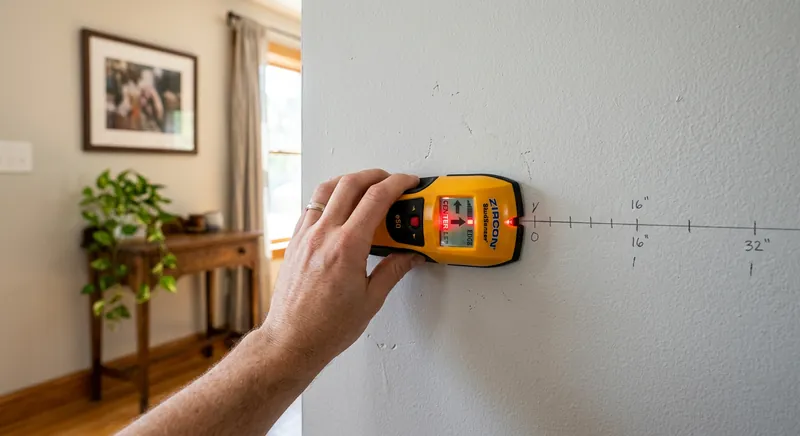
Hanging anything heavy — a television, a shelf, a mirror, a cabinet — requires anchoring into wall studs, not just drywall. Drywall alone cannot hold significant weight, and anchors that spread the load behind the wall can fail over time. A stud finder locates the wood or metal framing behind drywall so you can drive screws or nails into solid support. The right stud finder makes the difference between a secure mount and a shelf that pulls out of the wall under load.
Quick Answer
An electronic stud finder with both edge detection and center-finding capability is the best choice for most homeowners because it accurately locates wood and metal studs behind drywall, indicating center positions for secure mounting. Magnetic stud finders are cheaper and simpler but only detect metal fasteners, missing studs that use adhesive fastening or have no nearby nails. For plaster walls, which are thicker and denser than drywall, a deep-scanning electronic finder or a magnet-based finder is more reliable than a standard electronic model. Multi-sensor finders that also detect live AC wiring are worth the extra cost for safety, alerting you to hidden wires before you drill. The main trade-off is accuracy versus price, with premium electronic finders offering deep scan modes and wire detection at 40 to 70 dollars.
Top Picks at a Glance
Electronic Stud Finder with AC Detection
Magnetic Stud Finder
Multi-Mode Stud Finder
Edge-Finding Stud Finder
Product Comparison
| Product | Best For | Type | Detection Modes | Depth | AC Warning | Price Range | Details |
|---|---|---|---|---|---|---|---|
Electronic Stud Finder with AC Detection Best Overall | General wall scanning with live wire warning | Electronic (capacitive) | Stud, metal, AC wire | Up to 3/4 inch | Yes | $40–$70 | View Review ↓ |
Magnetic Stud Finder Best Value | Simple, no-battery stud location | Magnetic | Metal fasteners | Surface to 3/4 inch | No | $10–$25 | View Review ↓ |
Multi-Mode Stud Finder Best for Thick Walls | Thick walls, plaster, and textured surfaces | Electronic (capacitive) | Stud, deep scan, metal, AC | Up to 1-1/2 inches | Yes | $50–$90 | View Review ↓ |
Edge-Finding Stud Finder Best for Precision | Precise stud center location | Electronic (edge-finding) | Stud edges, center | Up to 3/4 inch | Optional | $35–$60 | View Review ↓ |
Electronic Stud Finder with AC Detection
Best Overall- Best For:
- General wall scanning with live wire warning
- Type:
- Electronic (capacitive)
- Detection Modes:
- Stud, metal, AC wire
- Depth:
- Up to 3/4 inch
- AC Warning:
- Yes
- Price Range:
- $40–$70
Magnetic Stud Finder
Best Value- Best For:
- Simple, no-battery stud location
- Type:
- Magnetic
- Detection Modes:
- Metal fasteners
- Depth:
- Surface to 3/4 inch
- AC Warning:
- No
- Price Range:
- $10–$25
Multi-Mode Stud Finder
Best for Thick Walls- Best For:
- Thick walls, plaster, and textured surfaces
- Type:
- Electronic (capacitive)
- Detection Modes:
- Stud, deep scan, metal, AC
- Depth:
- Up to 1-1/2 inches
- AC Warning:
- Yes
- Price Range:
- $50–$90
Edge-Finding Stud Finder
Best for Precision- Best For:
- Precise stud center location
- Type:
- Electronic (edge-finding)
- Detection Modes:
- Stud edges, center
- Depth:
- Up to 3/4 inch
- AC Warning:
- Optional
- Price Range:
- $35–$60
Detailed Product Reviews & Specifications
Electronic Stud Finder with AC Detection
An electronic stud finder that detects wood and metal studs through standard drywall thicknesses and includes AC wire detection to warn of live wiring behind the wall. Multiple scanning modes help distinguish stud edges from other materials.
Pros
- •Detects wood and metal studs
- •AC wire warning for safer drilling
- •Multiple scan modes for accuracy
- •Clear visual and audible indicators
Cons
- •Requires calibration before each use
- •Can be confused by dense materials or lath
- •Needs batteries
Key Specifications
Magnetic Stud Finder
A magnetic stud finder that locates studs by detecting the steel screws or nails that attach drywall to the framing. No batteries, no calibration, and no electronics — just a strong magnet that sticks to the wall when it finds a fastener.
Pros
- •No batteries required
- •Simple and reliable for standard walls
- •Affordable and durable
- •No calibration needed
Cons
- •Detects fasteners, not the stud itself
- •Less effective on walls with few or hidden fasteners
- •No depth indication or AC warning
Key Specifications
Multi-Mode Stud Finder
A multi-mode electronic stud finder with a deep scan mode for thicker wall materials such as plaster, tile over drywall, or textured surfaces. Provides stud, metal, and AC detection with adjustable sensitivity for different wall constructions.
Pros
- •Deep scan mode for thick walls
- •Works through plaster and tile
- •Adjustable sensitivity
- •Multiple detection modes
Cons
- •More expensive than basic models
- •Requires more skill to interpret readings
- •Heavier and bulkier
Key Specifications
Edge-Finding Stud Finder
An edge-finding stud finder that detects both edges of a stud and indicates the center point between them. This approach is more accurate than center-only finders, which can be inconsistent, because locating both edges defines the stud width and true center.
Pros
- •Finds both stud edges for precise center
- •More accurate than center-only models
- •Clear edge indication
- •Good for mounting that requires exact placement
Cons
- •Requires two passes per stud
- •Slightly slower to use
- •More expensive than basic models
Key Specifications
Electronic vs Magnetic Stud Finders
Electronic stud finders use capacitive sensors to detect changes in wall density. When the sensor passes over a denser area — the stud — the tool signals with a beep, light, or display change. They can detect both wood and metal studs and often include metal and AC wire detection modes.
Magnetic stud finders use strong magnets to locate the steel screws or nails that fasten drywall to studs. They are simple, require no batteries, and never need calibration. However, they detect the fastener rather than the stud itself, and they do not work on walls assembled with adhesive rather than mechanical fasteners.
Which Is Right for You?
For standard drywall over wood framing, both types work. Electronic finders provide more information — stud width, depth, and AC wire warning — but require calibration and batteries. Magnetic finders are simpler and cheaper but less informative. If you hang things occasionally in a standard home, a magnetic finder may suffice. If you do regular wall mounting, an electronic model with AC detection is safer and more capable.
Understanding Detection Modes
Stud mode detects the density change of wood or metal framing behind drywall. Metal mode specifically detects metal objects, which helps locate pipes, conduit, or metal studs. AC mode detects live wiring, which is critical for safety before drilling.
Deep scan mode increases sensitivity to penetrate thicker wall materials like plaster, tile, or multiple drywall layers. It is less precise than standard mode but necessary when the wall is thicker than a standard stud finder can read.
Why AC Wire Detection Matters
Drilling or nailing into a live electrical wire inside a wall is dangerous and can cause shock, fire, or costly damage. AC wire detection mode senses the electromagnetic field around live wiring and warns you before you drill.
Before drilling into any wall, scan for AC wiring. Note that AC detection only works on live wires — if a circuit is switched off, the detector will not sense it. Also, shielded or deeply buried wires may not be detected. When in doubt, turn off the circuit breaker for the room before drilling, and never drill directly above or below electrical outlets and switches where wiring is likely to run.
How to Use a Stud Finder Accurately
For electronic finders, start by calibrating on an empty section of wall. Place the tool flat against the wall, press and hold the calibration button, and wait for the ready signal. Then slide the tool slowly and horizontally across the wall. Mark the first indication, then continue to find the second edge.
Studs in standard residential construction are typically spaced 16 inches apart, sometimes 24 inches. Once you find one stud, you can measure 16 inches in either direction to predict the next one, then verify with the finder. Confirm the stud location by scanning vertically — a stud runs continuously from floor to ceiling.
Safety & Compliance Notice
AC wire detection only senses live wiring. Always turn off the circuit breaker for the room before drilling, and never drill directly above or below electrical outlets and switches where wiring is likely to run.
Frequently Asked Questions
In most residential construction, wall studs are spaced 16 inches apart on center. Some walls, particularly in garages or older homes, use 24-inch spacing. Once you locate one stud, measuring 16 inches horizontally helps you find the next, but always verify with the stud finder before drilling.
Final Verdict
For most homeowners, an electronic stud finder with AC wire detection is the safest and most capable choice. It locates studs, detects metal, and warns of live wiring before you drill. A magnetic finder is a reliable, affordable alternative for standard drywall with mechanical fasteners. For plaster or thick walls, a multi-mode model with deep scan is necessary. If you mount heavy items like televisions, an edge-finding model provides the most precise stud center location. Always scan for AC wiring and calibrate properly before relying on any stud finder.
Sarah Mitchell
Home Improvement Editor
Sarah writes about home improvement products, tools, and materials for HomeGear Guide. Her work focuses on comparing product features, use cases, and practical buying considerations for homeowners.
Related Articles & Buying Guides
 Tools & DIY Equipment
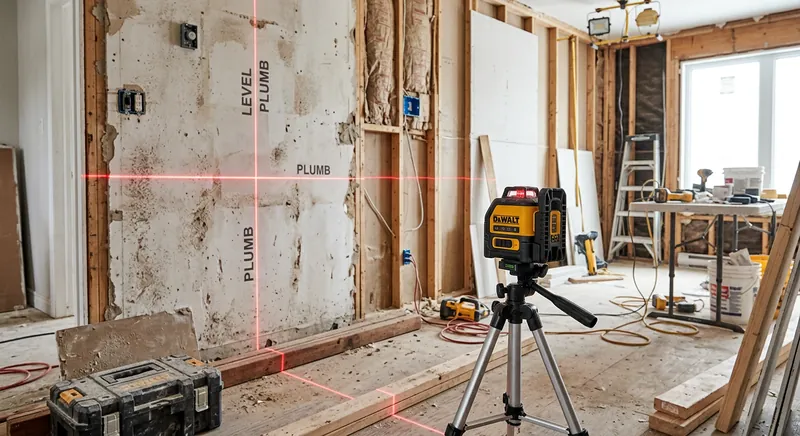
Best Laser Levels for Accurate Layout and Alignment
Compare cross-line, rotary, and 360-degree laser levels. Learn about self-leveling range, green vs red beams, and accuracy specs for precise home layout work.
 Tools & DIY Equipment
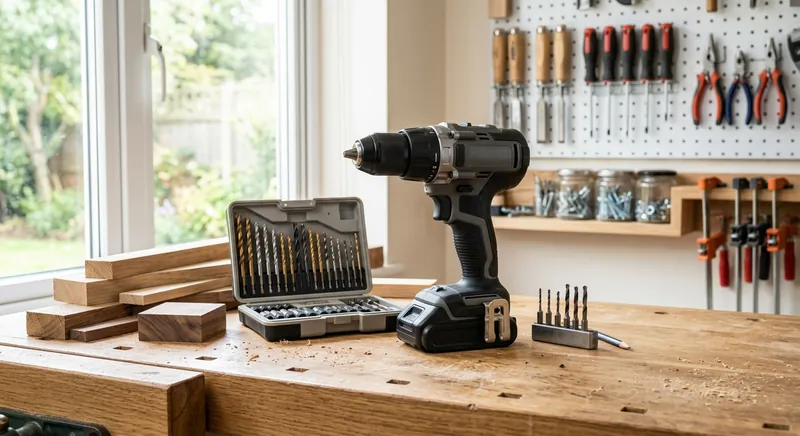
Best Cordless Drills for Home Projects
Compare 12V and 20V cordless drills with brushless and brushed motors. Find the right balance of power, weight, and battery platform for your home projects.
 Tools & DIY Equipment
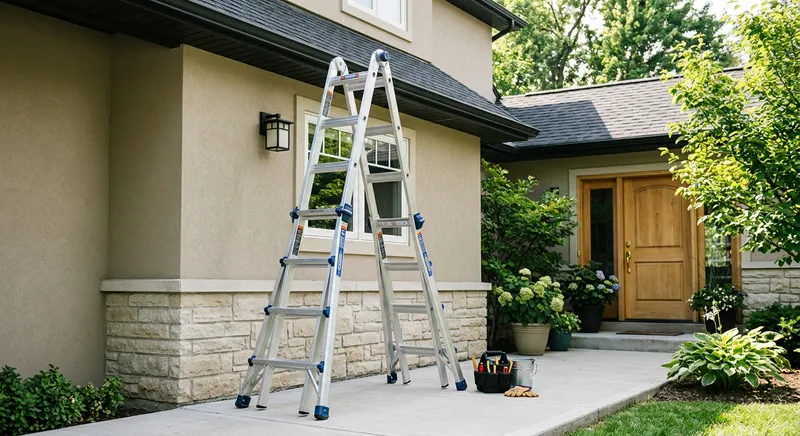
Best Ladders for Home Projects and Maintenance
Compare step, extension, and multi-position ladders by height, weight rating, and material. Find the right ladder for safe home maintenance and projects.
Get Smarter About Your Home
Receive practical buying guides, product comparisons, maintenance tips and home project ideas from HomeGear Guide.
You can unsubscribe at any time.