Best Cordless Drills for Home Projects
Affiliate Disclosure: HomeGear Guide is reader-supported. When you buy through links on our site, we may earn an affiliate commission at no extra cost to you. We do not accept paid product placements or sponsor-biased reviews.
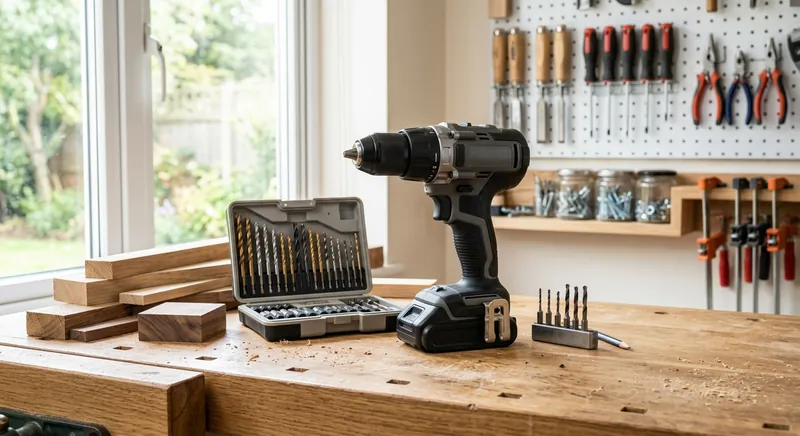
A cordless drill is the most-used power tool in most home workshops. It drills holes, drives screws, and handles dozens of assembly and repair tasks around the house. But not every cordless drill is suited to every homeowner. Voltage, chuck size, motor type, and battery platform all affect how the tool performs and whether it fits the work you actually do. Understanding these differences before you buy helps you avoid paying for power you do not need — or ending up with a drill that bogs down on the first tough job.
Quick Answer
A 20V brushless cordless drill is the best choice for most homeowners because it delivers enough power for 90 percent of household tasks including drilling into wood, metal, and masonry, plus driving screws of all sizes. Brushless motors run longer per charge, last longer overall, and generate less heat than brushed motors, justifying the modest price premium. An 18V or 20V platform is the sweet spot, as 12V drills lack power for demanding tasks while heavier 36V models are unnecessary for home use. A half-inch keyless chuck is preferable to a three-eighths inch chuck because it accepts larger bits for bigger projects. The main trade-off is weight and cost, with brushless models costing 30 to 50 percent more than brushed versions but lasting years longer. Consider battery compatibility if you already own tools from a brand.
Top Picks at a Glance
20V Brushless Drill
12V Compact Drill
Heavy-Duty 20V Hammer Drill
Budget Cordless Drill
Product Comparison
| Product | Best For | Voltage | Chuck Size | Motor Type | Torque | Price Range | Details |
|---|---|---|---|---|---|---|---|
20V Brushless Drill Best Overall | General home projects and driving tasks | 20V max | 1/2 inch | Brushless | 350–500 in-lbs | $80–$140 | View Review ↓ |
12V Compact Drill Best for Light Duty | Light household tasks and tight spaces | 12V max | 3/8 inch | Brushless | 175–250 in-lbs | $60–$100 | View Review ↓ |
Heavy-Duty 20V Hammer Drill Best for Masonry | Drilling into masonry, concrete, and hard materials | 20V max | 1/2 inch | Brushless | 500–700 in-lbs | $120–$200 | View Review ↓ |
Budget Cordless Drill Best Budget | Occasional light use and first-time buyers | 20V max | 3/8 inch | Brushed | 200–300 in-lbs | $40–$70 | View Review ↓ |
20V Brushless Drill
Best Overall- Best For:
- General home projects and driving tasks
- Voltage:
- 20V max
- Chuck Size:
- 1/2 inch
- Motor Type:
- Brushless
- Torque:
- 350–500 in-lbs
- Price Range:
- $80–$140
12V Compact Drill
Best for Light Duty- Best For:
- Light household tasks and tight spaces
- Voltage:
- 12V max
- Chuck Size:
- 3/8 inch
- Motor Type:
- Brushless
- Torque:
- 175–250 in-lbs
- Price Range:
- $60–$100
Heavy-Duty 20V Hammer Drill
Best for Masonry- Best For:
- Drilling into masonry, concrete, and hard materials
- Voltage:
- 20V max
- Chuck Size:
- 1/2 inch
- Motor Type:
- Brushless
- Torque:
- 500–700 in-lbs
- Price Range:
- $120–$200
Budget Cordless Drill
Best Budget- Best For:
- Occasional light use and first-time buyers
- Voltage:
- 20V max
- Chuck Size:
- 3/8 inch
- Motor Type:
- Brushed
- Torque:
- 200–300 in-lbs
- Price Range:
- $40–$70
Detailed Product Reviews & Specifications
20V Brushless Drill
A 20V brushless drill with a 1/2-inch chuck that handles most drilling and driving tasks around the home. Brushless motor delivers longer runtime and better efficiency than brushed alternatives, making it suitable for extended projects.
Pros
- •Brushless motor for longer runtime and motor life
- •1/2-inch chuck accepts a wide range of bits
- •Good torque for driving long screws
- •Compatible with a broad battery platform
Cons
- •Heavier than 12V alternatives
- •More expensive than brushed models
- •Overkill for very light household tasks
Key Specifications
12V Compact Drill
A compact 12V drill with a 3/8-inch chuck designed for lighter tasks. Its smaller size and lighter weight make it easier to handle for extended periods and in confined spaces like cabinets and closets.
Pros
- •Lightweight and comfortable for extended use
- •Fits into tight spaces larger drills cannot
- •Sufficient power for most indoor tasks
- •Less fatigue during overhead work
Cons
- •Limited torque for heavy-duty driving
- •3/8-inch chuck limits larger bit sizes
- •Not suited for masonry or thick materials
Key Specifications
Heavy-Duty 20V Hammer Drill
A 20V hammer drill with a hammer-drilling mode that combines rotation with rapid percussion to bore into concrete, brick, and stone. Includes a 1/2-inch metal chuck and higher torque for demanding materials.
Pros
- •Hammer mode for concrete and masonry
- •High torque for demanding materials
- •1/2-inch metal chuck for durability
- •Switchable between drill and hammer modes
Cons
- •Heavier and bulkier than standard drills
- •Higher price point
- •Hammer function adds vibration and noise
Key Specifications
Budget Cordless Drill
An affordable brushed-motor cordless drill with a 3/8-inch chuck. Comes as a kit with battery and charger included. Suitable for occasional household tasks and light DIY projects.
Pros
- •Lowest entry price with battery and charger included
- •Adequate power for basic drilling and driving
- •Simple to operate with basic controls
- •Good starter tool for occasional use
Cons
- •Brushed motor is less efficient and shorter-lived
- •Lower torque limits demanding tasks
- •Fewer speed and clutch settings than premium models
Key Specifications
What to Look for in a Cordless Drill
Cordless drills vary in voltage, chuck size, motor type, and torque. Matching these specifications to the work you do is the key to choosing a drill that performs well without overpaying for capability you will not use.
For most homeowners, a 20V brushless drill with a 1/2-inch chuck is the sweet spot. It has enough power for nearly any household task, accepts the widest range of bits, and benefits from the longer runtime and durability of a brushless motor.
Voltage: 12V vs 20V
12V drills are lighter and easier to handle, making them ideal for indoor tasks, overhead work, and use in tight spaces. 20V drills deliver substantially more torque and speed, which matters for driving long screws, drilling into thick material, and any outdoor or deck project. Most homeowners are better served by a 20V drill, but a 12V model is an excellent second tool for lighter work.
Chuck Size: 1/4", 3/8", and 1/2"
The chuck is the clamp that holds the bit. A 1/4-inch chuck is found on some impact drivers and compact tools and accepts only hex-shank bits. A 3/8-inch chuck is common on compact drills and handles most household bits. A 1/2-inch chuck accepts larger bits for bigger holes and is the best choice for a primary drill.
Brushed vs Brushless Motors
Brushless motors are more efficient, run cooler, last longer, and deliver more runtime per charge. Brushed motors are cheaper but less efficient and have a shorter service life. For a tool you expect to use for years, brushless is worth the extra cost. For occasional light use, a brushed motor is adequate.
Battery Platform Compatibility
Most cordless tools share batteries within a brand and voltage platform. If you already own cordless tools, buying a drill on the same platform means you can share batteries and chargers. If this is your first cordless tool, consider the breadth of the platform — a larger ecosystem means more tools you can add later using the same batteries.
Understanding Torque and Speed
Torque, measured in inch-pounds (in-lbs), determines how much rotational force the drill can apply. Higher torque means the drill can drive larger screws and drill through tougher material without stalling. For reference, driving a 3-inch screw into softwood typically requires 150–250 in-lbs, while heavy-duty tasks can demand 400+ in-lbs.
Most drills offer two speeds: a low gear with high torque for driving screws and a high gear with lower torque for drilling holes. A clutch with adjustable torque settings helps prevent overdriving screws and stripping screw heads — a useful feature for finer work.
How to Choose the Right Drill for Your Projects
If you work mostly indoors — assembling furniture, hanging fixtures, light repairs — a 12V compact drill is comfortable and capable. If you plan to build or repair decks, fences, shelving, or anything involving long screws or thick lumber, a 20V brushless drill is the better choice.
If you regularly drill into concrete or masonry, a hammer drill with percussion mode is worth the extra cost. For first-time buyers or those on a tight budget, a basic 20V brushed kit provides enough capability for most occasional tasks at a lower price.
Battery and Charger Considerations
Lithium-ion batteries hold their charge well between uses and have no memory effect. Capacity is measured in amp-hours (Ah) — a 2.0Ah battery is lighter but runs shorter, while a 4.0Ah or 5.0Ah battery lasts longer but adds weight.
A fast charger can refill a battery in 30–60 minutes versus several hours for a standard charger. Having two batteries means you can charge one while using the other, which prevents downtime on longer projects. Store batteries indoors at room temperature for longest life.
Frequently Asked Questions
A drill rotates the bit with adjustable speed and torque settings and has a chuck that accepts round and hex shanks. An impact driver uses rotational impacts to drive fasteners and accepts only 1/4-inch hex bits. Impact drivers are better for driving long screws and lag bolts, while drills are more versatile for drilling holes.
Final Verdict
For most homeowners, a 20V brushless drill with a 1/2-inch chuck is the best all-around choice. It has the power and versatility to handle nearly any home project, and a brushless motor provides the runtime and durability to last for years. If your work is mostly light and indoor, a 12V compact drill is more comfortable and still capable. Reserve a hammer drill for masonry work, and consider a budget brushed model only if you drill occasionally and want the lowest possible entry cost. Buying into a battery platform you can grow into is a smart long-term move.
Sarah Mitchell
Home Improvement Editor
Sarah writes about home improvement products, tools, and materials for HomeGear Guide. Her work focuses on comparing product features, use cases, and practical buying considerations for homeowners.
Related Articles & Buying Guides
 Tools & DIY Equipment
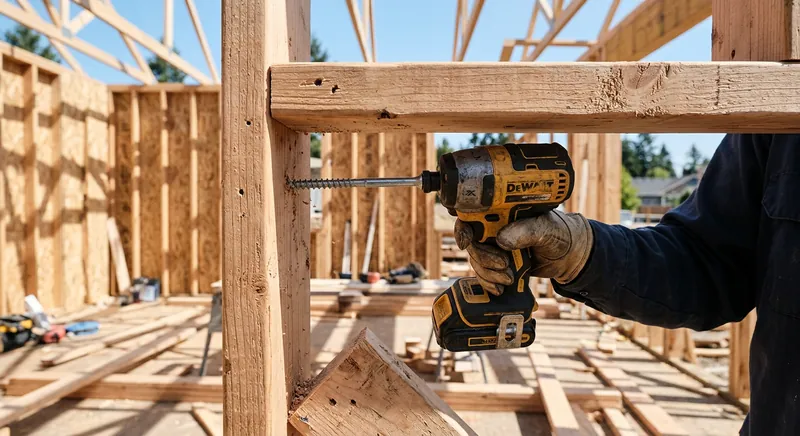
Best Impact Drivers for Driving Fasteners
Impact drivers deliver high torque through rapid rotational impacts, making them ideal for driving long screws and lag bolts. Compare options for your home projects.
 Tools & DIY Equipment
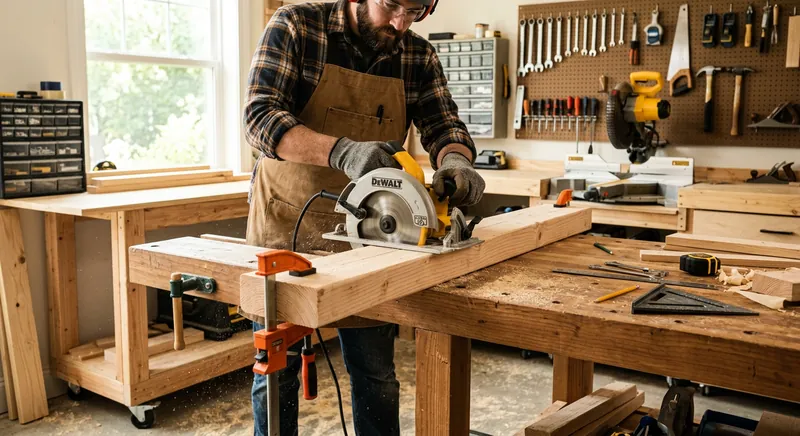
Best Circular Saws for Straight Cuts and Ripping
Compare 7-1/4 inch corded and cordless circular saws by blade size, bevel capacity, and motor power. Find the right saw for straight cuts and ripping lumber.
 Tools & DIY Equipment
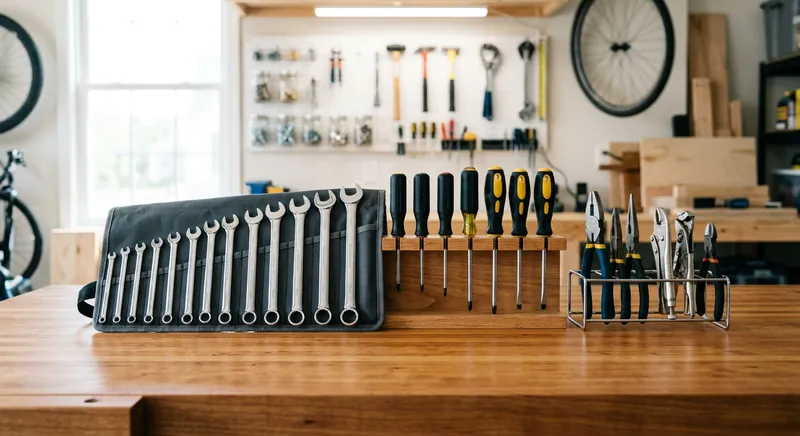
Best Tool Sets for Homeowners
Compare 100-piece to 200-piece home tool sets and power tool combo kits. Learn what essentials to look for and which sets offer the best value for homeowners.
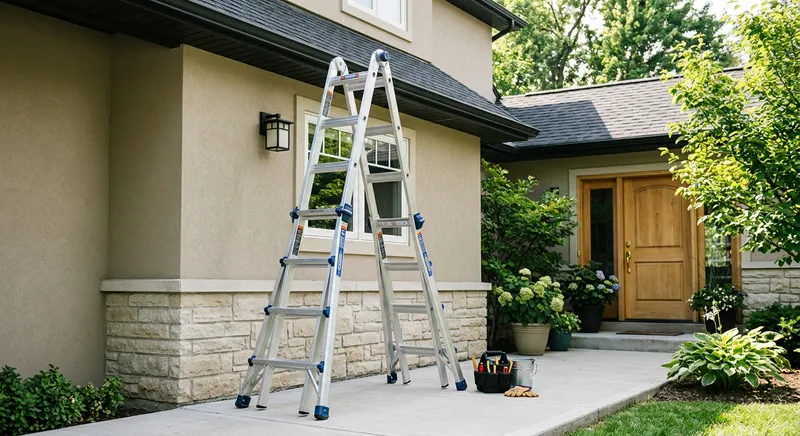 Tools & DIY Equipment
Best Ladders for Home Projects and Maintenance
Compare step, extension, and multi-position ladders by height, weight rating, and material. Find the right ladder for safe home maintenance and projects.
Get Smarter About Your Home
Receive practical buying guides, product comparisons, maintenance tips and home project ideas from HomeGear Guide.
You can unsubscribe at any time.