Best Hedge Trimmers for Shrub and Hedge Maintenance
Affiliate Disclosure: HomeGear Guide is reader-supported. When you buy through links on our site, we may earn an affiliate commission at no extra cost to you. We do not accept paid product placements or sponsor-biased reviews.
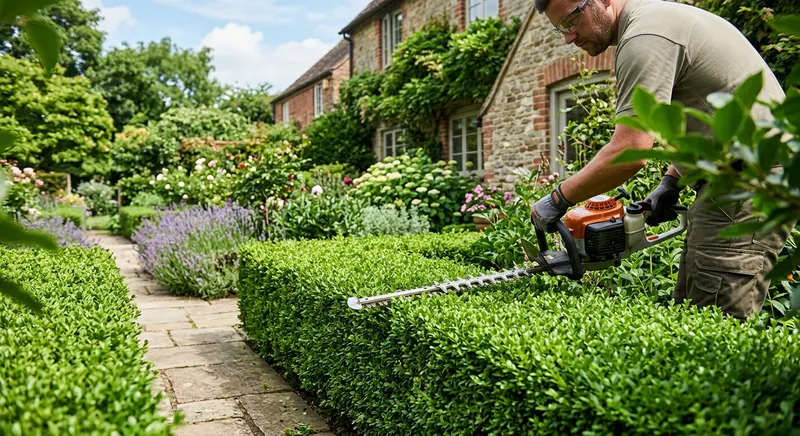
A hedge trimmer keeps shrubs and hedges neat with far less effort than hand shears, and the right one depends on the size and thickness of what you are cutting. Blade length determines how much you cut per pass, cutting capacity determines the largest branch you can handle, and the power source determines how freely you can move and how much maintenance is required. Safety features matter too — hedge trimmers cut with fast reciprocating blades, and double-switch designs and hand guards reduce the risk of accidents. Understanding these factors helps you choose a trimmer that handles your hedges comfortably without more weight or noise than the job requires.
Quick Answer
For most homeowners, a 40V or 60V battery-powered hedge trimmer with an 18 to 22-inch blade and a 3-quarter-inch cutting capacity is the best choice because it handles the majority of residential shrub and hedge maintenance with instant start, no emissions, and minimal maintenance. Blade length determines how much you cut per pass, so match it to your hedge size, with 22-inch blades covering most medium hedges and 24-plus inch blades for long formal hedges. A dual-action blade design reduces vibration by up to 50 percent compared to single-action blades, making extended use more comfortable. Gas hedge trimmers are necessary only for commercial use or branches over 1 inch thick. The main trade-off is cutting capacity versus weight, as longer blades and larger gaps between teeth handle thicker branches but add weight. Always look for a model with a hand guard and dual-switch safety design.
Top Picks at a Glance
Battery-Powered Hedge Trimmer
Corded Electric Hedge Trimmer
Gas Hedge Trimmer
Long-Reach Pole Hedge Trimmer
Product Comparison
| Product | Best For | Power Source | Blade Length | Cutting Capacity | Weight | Price Range | Details |
|---|---|---|---|---|---|---|---|
Battery-Powered Hedge Trimmer Best Overall | Most residential hedges and noise-sensitive neighborhoods | Battery (18V–80V) | 18–22 inches | 3/4–1 inch max branch | 5–9 lbs (with battery) | $90–$200 | View Review ↓ |
Corded Electric Hedge Trimmer Best for Continuous Use | Hedges within cord range of an outdoor outlet | Corded electric | 18–22 inches | 3/4–1 inch max branch | 5–7 lbs | $50–$110 | View Review ↓ |
Gas Hedge Trimmer Best for Large Hedges | Large properties and thick, woody hedges | Gas (two-stroke or four-stroke) | 20–24 inches | 1–1.25 inch max branch | 10–14 lbs | $150–$300 | View Review ↓ |
Long-Reach Pole Hedge Trimmer Best for Tall Hedges | Tall hedges and hard-to-reach tops without a ladder | Battery or gas | 17–20 inches | 3/4–1 inch max branch | 10–15 lbs | $150–$350 | View Review ↓ |
Battery-Powered Hedge Trimmer
Best Overall- Best For:
- Most residential hedges and noise-sensitive neighborhoods
- Power Source:
- Battery (18V–80V)
- Blade Length:
- 18–22 inches
- Cutting Capacity:
- 3/4–1 inch max branch
- Weight:
- 5–9 lbs (with battery)
- Price Range:
- $90–$200
Corded Electric Hedge Trimmer
Best for Continuous Use- Best For:
- Hedges within cord range of an outdoor outlet
- Power Source:
- Corded electric
- Blade Length:
- 18–22 inches
- Cutting Capacity:
- 3/4–1 inch max branch
- Weight:
- 5–7 lbs
- Price Range:
- $50–$110
Gas Hedge Trimmer
Best for Large Hedges- Best For:
- Large properties and thick, woody hedges
- Power Source:
- Gas (two-stroke or four-stroke)
- Blade Length:
- 20–24 inches
- Cutting Capacity:
- 1–1.25 inch max branch
- Weight:
- 10–14 lbs
- Price Range:
- $150–$300
Long-Reach Pole Hedge Trimmer
Best for Tall Hedges- Best For:
- Tall hedges and hard-to-reach tops without a ladder
- Power Source:
- Battery or gas
- Blade Length:
- 17–20 inches
- Cutting Capacity:
- 3/4–1 inch max branch
- Weight:
- 10–15 lbs
- Price Range:
- $150–$350
Detailed Product Reviews & Specifications
Battery-Powered Hedge Trimmer
A battery-powered hedge trimmer with an 18- to 22-inch blade and a brushless motor. Combines cordless freedom with push-button start and minimal maintenance. Quiet enough for suburban use and compatible with other tools on the same battery platform, making it the most convenient choice for typical hedge maintenance.
Pros
- •Cordless freedom with push-button start
- •Quiet operation suitable for noise-restricted areas
- •Low maintenance — no gas, oil, or cord to manage
- •Shares batteries with other tools on the same platform
Cons
- •Battery runtime limited to 30–60 minutes per charge
- •Spare batteries add significant cost
- •Less power than gas models for thick, woody branches
Key Specifications
Corded Electric Hedge Trimmer
A corded electric hedge trimmer with an 18- to 22-inch blade that provides unlimited runtime at a low cost. No battery to charge and no gas to mix, making it the most economical option for hedges within cord range of an outlet. Quiet and lightweight, but tethered to a power cord.
Pros
- •Unlimited runtime — no battery to charge
- •Lowest cost in the category
- •Lightweight and quiet operation
- •No engine or battery maintenance
Cons
- •Tethered to a power cord — limits range
- •Requires outdoor-rated extension cord (extra cost)
- •Cord management is awkward around hedges
- •Less power than gas models for thick branches
Key Specifications
Gas Hedge Trimmer
A gas-powered hedge trimmer with a 20- to 24-inch blade and a two-stroke or four-stroke engine. Delivers the most cutting power for thick, woody branches and offers unlimited runtime with refueling. The choice for large properties and extensive, mature hedgerows that overwhelm battery and corded models.
Pros
- •Maximum cutting power for thick, woody branches
- •Unlimited runtime — refuel and keep working
- •Larger blades for faster work on long hedges
- •Handles mature and overgrown hedges effectively
Cons
- •Loudest option — check local noise regulations
- •Requires gas-oil mix (two-stroke) and engine maintenance
- •Heaviest and most tiring for extended overhead use
- •Pull-start can be finicky in cold weather
Key Specifications
Long-Reach Pole Hedge Trimmer
A pole hedge trimmer with an extended reach shaft and an articulating blade head that angles to cut the tops of tall hedges from the ground. Eliminates the need for a ladder on many jobs, improving safety and efficiency. Available in battery and gas versions, with battery most common for residential use.
Pros
- •Reaches tall hedge tops from the ground
- •Articulating head angles for cutting tops and sides
- •Eliminates ladder work for improved safety
- •Available in battery versions for quiet operation
Cons
- •Heavier at the end of a long shaft — tiring overhead
- •Higher price than standard hedge trimmers
- •Less precise for detailed shaping at eye level
Key Specifications
What to Look for in a Hedge Trimmer
Hedge trimmers vary by power source, blade length, cutting capacity, and weight. Each choice affects how much you can cut, how freely you can move, and how long you can work before fatigue sets in. Matching these to the size and type of your hedges is the key to choosing a trimmer that performs without more weight or noise than the job needs.
For most homeowners, a battery-powered trimmer with an 18- to 22-inch blade is the best balance of convenience, power, and comfort. Gas is the choice for large properties and thick woody growth, and a pole trimmer is the right tool for tall hedges.
Blade Length: 18" to 24"
Blade length determines how much hedge you cut per pass. An 18- to 22-inch blade suits most residential hedges and is easier to control. A 24-inch blade covers more ground on long, tall hedges but is heavier and harder to maneuver in tight spaces. Choose a blade length that matches the size of your hedges — longer is not always better for detailed shaping.
Gas vs Battery vs Corded
Gas trimmers deliver the most power and unlimited runtime but are loud and need the most maintenance. Battery trimmers are cordless and quiet with minimal maintenance, but runtime is limited. Corded trimmers offer unlimited runtime at low cost but are tethered to an outlet. For most residential hedges, battery is the best balance of convenience and power.
Cutting Capacity (Max Branch Diameter)
Cutting capacity is the largest branch diameter the trimmer can handle, typically 3/4 to 1.25 inches. Forcing the blade through branches thicker than the rated capacity jams the blade and can damage the trimmer. For branches thicker than 1 to 1.25 inches, use loppers or a small chainsaw instead. Hedge trimmers are designed for branches, not limbs.
Safety Features
Look for a double-switch design that requires both hands to operate the trigger, preventing one-hand accidental starts. A hand guard between the handle and blade protects your forward hand from branches and the blade. Some models include a blade brake that stops the blade quickly when the trigger is released. These features matter — hedge trimmers cut with fast reciprocating teeth.
Matching the Trimmer to Your Hedges
For small to medium residential hedges with branches under 3/4 inch, a battery or corded trimmer with an 18-inch blade is sufficient and convenient. For larger hedges or longer runs, a 22-inch blade covers more ground per pass.
For thick, mature, or overgrown hedges with woody branches up to 1.25 inches, a gas trimmer provides the power and cutting capacity you need. For tall hedges where the tops are out of reach, a pole hedge trimmer with an articulating head lets you cut from the ground safely. Match the power source, blade length, and reach to the specific hedges you maintain.
Cutting Technique and Timing
Cut hedges with a slight taper — wider at the base than the top — so sunlight reaches the lower leaves and the hedge stays full to the ground. Cut the sides first, then the top, and step back periodically to check for evenness. For formal hedges, use string lines as a guide for straight, level cuts.
Trim deciduous hedges in late winter or early spring before new growth, and again in midsummer to maintain shape. Trim evergreen hedges after the first flush of spring growth. Avoid trimming during bird nesting season if hedges are active. Do not trim in wet conditions — wet branches are harder to cut and the trimmer is harder to control.
Maintenance and Blade Care
Keep the blades clean and lightly oiled to prevent sap buildup and rust. After each use, wipe the blades with a rag and apply a light coat of machine oil. Sharpen the blades when cuts become ragged — dull blades tear branches rather than cutting cleanly, which damages the hedge and strains the trimmer.
For gas models, follow the engine maintenance schedule for air filters, spark plugs, and fuel system care. For battery models, store batteries indoors at moderate temperature and keep them charged per the manufacturer's guidance. Store the trimmer with the blade guard in place and out of the weather.
Safety & Compliance Notice
Hedge trimmers have sharp blades that can cause serious lacerations. Always use both hands on the controls, never reach above shoulder height with a powered hedge trimmer, and keep the blade away from your body. For tall hedges, use a pole hedge trimmer from the ground rather than working from a ladder.
Frequently Asked Questions
An 18- to 22-inch blade suits most residential hedges and is easy to control. A 24-inch blade covers more ground on long, tall hedges but is heavier and harder to maneuver in tight spaces. Match the blade to your hedge size — longer is not always better for detailed shaping.
Final Verdict
For most homeowners, a battery-powered hedge trimmer with an 18- to 22-inch blade is the best all-around choice — convenient, quiet, low-maintenance, and powerful enough for typical residential hedges. Choose a gas trimmer for large properties or thick, woody hedges where maximum power and unlimited runtime matter. A corded electric trimmer is the most economical choice for hedges within cord range of an outlet. For tall hedges, a pole hedge trimmer with an articulating head lets you trim tops safely from the ground. Match the blade length and cutting capacity to your hedges, look for safety features like a double-switch and hand guard, and maintain the blades for clean cuts.
James Carter
Outdoor Equipment Specialist
James covers lawn care, outdoor power equipment, and yard maintenance products for HomeGear Guide. His work focuses on helping homeowners compare mowers, trimmers, and yard tools based on property size, terrain, and practical use cases.
Related Articles & Buying Guides
 Lawn & Outdoor Equipment
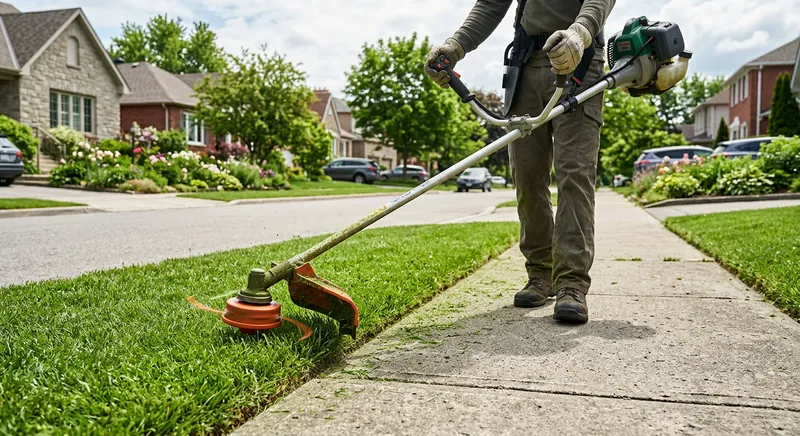
Best String Trimmers for Edging and Trimming
Compare gas, battery, and corded string trimmers with straight and curved shafts. Find the right power source, cutting width, and line feed for your yard.
 Lawn & Outdoor Equipment
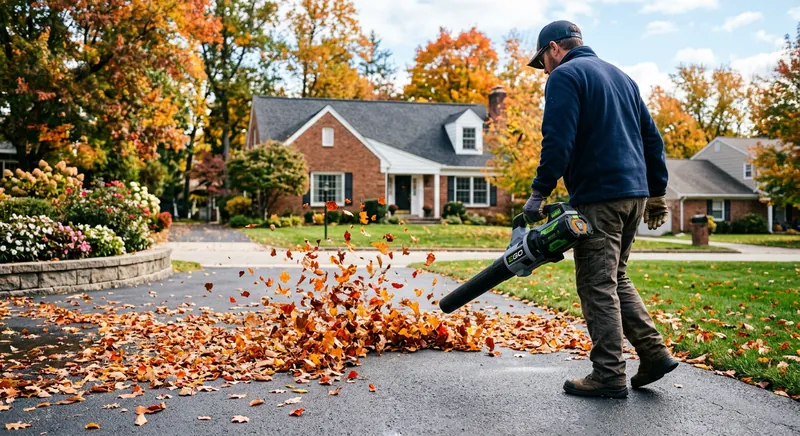
Best Leaf Blowers for Yard Cleanup
Compare gas, battery, and corded leaf blowers with CFM and MPH ratings. Find the right power source and design for your yard size and cleanup needs.
 Lawn & Outdoor Equipment
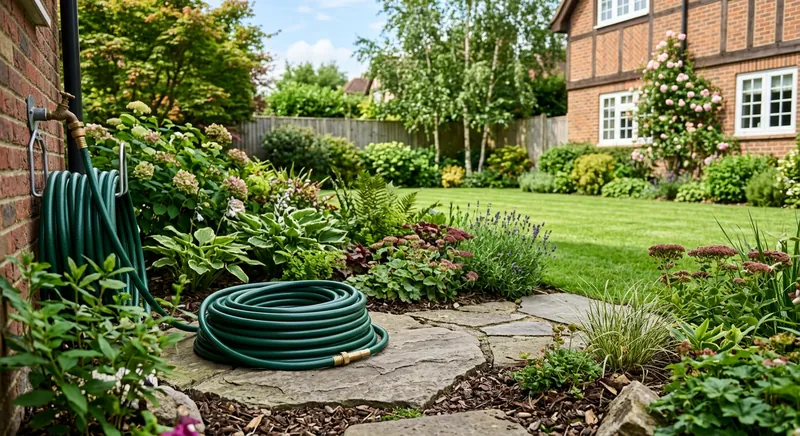
Best Garden Hoses for Watering and Yard Work
Compare rubber, hybrid polymer, expandable, and heavy-duty vinyl garden hoses. Find the right material, diameter, length, and fittings for your yard.
Get Smarter About Your Home
Receive practical buying guides, product comparisons, maintenance tips and home project ideas from HomeGear Guide.
You can unsubscribe at any time.