Riding Lawn Mower Reviews: Detailed Model Analysis
Affiliate Disclosure: HomeGear Guide is reader-supported. When you buy through links on our site, we may earn an affiliate commission at no extra cost to you. We do not accept paid product placements or sponsor-biased reviews.
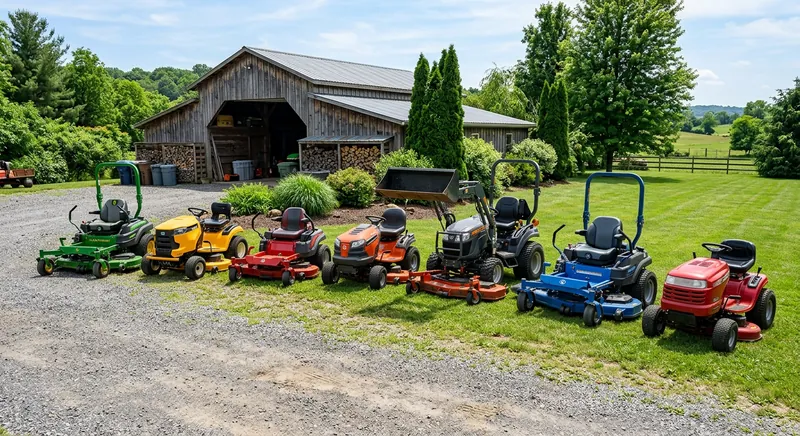
Buying guides tell you what to look for. This review focuses on what happens after the purchase — how riding mowers hold up over years of use, which components tend to fail first, and what long-term ownership actually costs. Drawing on common ownership patterns and service feedback, we break down four tiers of riding mowers by reliability, maintenance demands, and value over time. If you are deciding how much to invest, or whether to repair an aging mower or replace it, this analysis helps you weigh real-world durability against upfront price.
Quick Answer
When evaluating riding mower long-term reliability, the transmission is the component most likely to fail first, with hydrostatic transmissions lasting 500 to 1,000 hours on entry-level models and 1,500-plus hours on premium units. Entry-level mowers under 1,500 dollars typically last 5 to 8 years with regular maintenance before requiring major repairs, while mid-tier models from 2,500 to 4,000 dollars offer 10 to 15 years of service with better engine durability and serviceable transmissions. Premium models over 4,000 dollars feature commercial-grade components, fabricated decks, and hydrostatic transmissions rated for 2,000-plus hours. The main trade-off is upfront cost versus long-term ownership expense, as cheaper mowers require more frequent repairs and replacement. Engine brand matters less than maintenance frequency, as oil changes, air filter cleaning, and deck blade sharpening are the primary determinants of longevity.
Top Picks at a Glance
Entry-Level Riding Mower
Mid-Range Riding Mower
Premium Riding Mower
Garden Tractor
Product Comparison
| Product | Best For | Deck Size | Engine | Transmission | Warranty | Price Range | Details |
|---|---|---|---|---|---|---|---|
Entry-Level Riding Mower | Small yards and budget-conscious buyers | 42 inches | Single-cylinder, 17–19 HP | Manual gear-drive | 2 years limited | $1,000–$1,600 | View Review ↓ |
Mid-Range Riding Mower Best Balance | Yards from 1 to 2 acres and regular weekly mowing | 42–46 inches | Twin-cylinder, 20–24 HP | Hydrostatic | 2–3 years limited | $1,600–$2,500 | View Review ↓ |
Premium Riding Mower Best Long-Term | Homeowners prioritizing long-term durability and comfort | 46–54 inches | Twin-cylinder, 24–27 HP | Heavy-duty hydrostatic | 3–5 years limited | $2,500–$4,000 | View Review ↓ |
Garden Tractor Best for Heavy Work | Yards that need towing, ground-engaging work, and mowing | 48–54 inches | Twin-cylinder, 24–27 HP | Heavy-duty hydrostatic with load rating | 3–5 years limited | $3,000–$5,000 | View Review ↓ |
Entry-Level Riding Mower
- Best For:
- Small yards and budget-conscious buyers
- Deck Size:
- 42 inches
- Engine:
- Single-cylinder, 17–19 HP
- Transmission:
- Manual gear-drive
- Warranty:
- 2 years limited
- Price Range:
- $1,000–$1,600
Mid-Range Riding Mower
Best Balance- Best For:
- Yards from 1 to 2 acres and regular weekly mowing
- Deck Size:
- 42–46 inches
- Engine:
- Twin-cylinder, 20–24 HP
- Transmission:
- Hydrostatic
- Warranty:
- 2–3 years limited
- Price Range:
- $1,600–$2,500
Premium Riding Mower
Best Long-Term- Best For:
- Homeowners prioritizing long-term durability and comfort
- Deck Size:
- 46–54 inches
- Engine:
- Twin-cylinder, 24–27 HP
- Transmission:
- Heavy-duty hydrostatic
- Warranty:
- 3–5 years limited
- Price Range:
- $2,500–$4,000
Garden Tractor
Best for Heavy Work- Best For:
- Yards that need towing, ground-engaging work, and mowing
- Deck Size:
- 48–54 inches
- Engine:
- Twin-cylinder, 24–27 HP
- Transmission:
- Heavy-duty hydrostatic with load rating
- Warranty:
- 3–5 years limited
- Price Range:
- $3,000–$5,000
Detailed Product Reviews & Specifications
Entry-Level Riding Mower
An entry-level riding mower with a 42-inch deck, single-cylinder engine, and gear-drive transmission. Designed for light residential use on yards up to about 1 acre. Ownership feedback points to adequate performance for regular mowing but limited durability under heavier or more frequent use.
Pros
- •Lowest purchase price in the category
- •Simple mechanical design is easy to service
- •Lighter weight and compact for storage
- •Sufficient for small, regularly mowed yards
Cons
- •Single-cylinder engine vibrates more and wears faster
- •Gear-drive transmission is less convenient and less durable
- •Deck and spindle components are lighter-duty
- •Parts and deck shells may be harder to source long-term
Key Specifications
Mid-Range Riding Mower
A mid-range riding mower with a 42- or 46-inch deck, twin-cylinder engine, and hydrostatic transmission. This is the most common ownership tier, and feedback indicates a good balance of price, performance, and durability for typical residential use over a 6 to 8 year service life.
Pros
- •Twin-cylinder engine runs smoother and lasts longer
- •Hydrostatic transmission is convenient and durable with service
- •Better deck and spindle construction than entry-level
- •Widely available parts and service support
Cons
- •Higher purchase price than entry-level models
- •Hydrostatic transmission service is more expensive when needed
- •Heavier and larger than entry-level mowers
Key Specifications
Garden Tractor
A garden tractor combines a mowing deck with the frame, transmission, and hitch capacity to tow carts, run ground-engaging attachments like tillers and plows, and handle heavier work than a standard riding mower. Built with a stronger frame and a transmission rated for load, it is the right choice when mowing is only part of the job.
Pros
- •Heavy-duty frame and transmission for towing and attachments
- •Supports ground-engaging work like tilling and plowing
- •Stronger engine for sustained load
- •Versatile beyond mowing — carts, sweepers, aerators
Cons
- •Highest cost in the riding mower category
- •Heavier and larger than standard riding mowers
- •More mower than needed if you only cut grass
Key Specifications
Reliability by Component
Riding mowers fail in predictable places. The components that see the most wear are the engine, the transmission, the deck and spindle assemblies, and the belts. Understanding which parts tend to go first — and what they cost to fix — helps you choose a tier that matches your budget for both purchase and upkeep.
Across ownership tiers, engines tend to be the most reliable major component when maintenance is kept up. Transmissions are the most common source of expensive failures, particularly hydrostatic drives that have been run low on fluid or overheated on slopes.
Engine Reliability
Single-cylinder engines are simpler but vibrate more, which accelerates wear on mounts and internal components. Twin-cylinder engines run smoother, run cooler under load, and generally last longer. Regular oil changes, air filter service, and fuel stabilization are the most important factors in engine longevity across all tiers.
Transmission Longevity
Gear-drive transmissions are mechanically simple and cheap to repair, but less convenient to use. Hydrostatic transmissions are smoother and more convenient but more expensive to service and replace. The most common cause of hydrostatic failure is neglected fluid and filter service — follow the schedule in your manual, especially on hilly yards.
Deck Durability
Deck shells and spindle assemblies vary significantly by tier. Entry-level decks are thinner gauge steel and more prone to rust and warping. Mid-range and premium decks use heavier steel and better spindle bearings. Keeping the deck clean of caked grass and storing the mower out of the weather extends deck life at every tier.
Parts Availability
Parts availability is a practical long-term concern. Common brands carried by major retailers generally have good parts support for 10 years or more. Less common or discontinued models can be difficult to source parts for, especially deck shells and spindles. Before buying, check that blades, belts, and filters are readily available.
Common Issues by Tier
Entry-level mowers most commonly report premature belt wear, spindle bearing failures, and single-cylinder engine vibration issues, often within 3 to 5 years of regular use. These are usually repairable but add up over time.
Mid-range mowers see fewer deck and spindle problems and benefit from smoother twin-cylinder engines. The most reported issues are hydrostatic transmission service needs on sloped properties and occasional electrical problems with switches and safety sensors. Premium and garden tractor tiers report the fewest issues overall, with problems more often related to wear items than major component failure.
When to Repair vs Replace
A common decision point is whether to repair an aging riding mower or replace it. As a general guide, if a single repair costs less than half the price of a comparable new mower and the engine and transmission are otherwise sound, repairing usually makes sense.
If the transmission has failed on an older entry-level mower, the repair cost often approaches the value of the machine, and replacement is typically the better choice. For mid-range and premium mowers with years of serviceable life ahead, a transmission repair or engine service can be worth the investment. Consider the age, overall condition, and parts availability before deciding.
Long-Term Ownership Costs
The purchase price is only part of the cost of owning a riding mower. Over an 8 to 10 year service life, expect to replace blades annually, belts every 2 to 3 years, and battery every 3 to 4 years. Entry-level mowers may need a spindle or deck component replacement mid-life, while hydrostatic transmissions on mid-range and premium models need fluid and filter service every 1 to 2 years.
Factor in fuel, oil, filters, and occasional professional service. A mid-range mower that costs $2,000 may accumulate $500 to $1,000 in maintenance over its life — still far less than replacing the machine. Budgeting for routine service protects your investment and prevents the costly failures that come from neglect.
Safety & Compliance Notice
Used riding mowers may have worn safety switches, damaged decks, or compromised braking systems. Before operating a used mower, inspect the blade brake clutch, seat safety switch, and deck components. Never bypass safety switches. Follow the manufacturer's maintenance schedule for blade sharpening and brake inspection.
Frequently Asked Questions
With regular maintenance, residential riding mowers typically last 8 to 10 years or 500 to 1,000 hours of use. Entry-level models often land at the lower end of that range, while premium and garden tractor models can exceed it. Maintenance — particularly oil changes and transmission service — is the biggest factor in service life.
Final Verdict
For most homeowners, a mid-range riding mower with a twin-cylinder engine and hydrostatic transmission offers the best balance of purchase price and long-term reliability. Entry-level mowers suit small yards and tight budgets but show their cost cutting in shorter service life and lighter components. Premium mowers pay off for owners who keep their machines for many years and value comfort and durability. Garden tractors are the right choice only when towing and ground-engaging work are genuinely part of your routine. Whichever tier you choose, consistent maintenance — especially transmission service on hydrostatic models — is the single biggest factor in how long your mower lasts.
James Carter
Outdoor Equipment Specialist
James covers lawn care, outdoor power equipment, and yard maintenance products for HomeGear Guide. His work focuses on helping homeowners compare mowers, trimmers, and yard tools based on property size, terrain, and practical use cases.
Related Articles & Buying Guides
 Lawn & Outdoor Equipment
Best Riding Lawn Mowers for Large Yards
Compare 42" to 54" riding mowers with hydrostatic and gear-drive transmissions. Find the right deck size, engine power, and maneuverability for your yard.
 Lawn & Outdoor Equipment
Best Zero-Turn Mowers for Fast, Precise Cutting
Compare 42" to 60" zero-turn mowers with lap bar steering and up to 8 MPH top speed. Find the right deck, engine, and controls for fast, precise mowing.
 Lawn & Outdoor Equipment
Best Lawn Aerators for Healthier Grass
Compare core and spike aerators in manual, powered, and tow-behind designs. Find the right aeration method and width for your lawn size and soil type.
Get Smarter About Your Home
Receive practical buying guides, product comparisons, maintenance tips and home project ideas from HomeGear Guide.
You can unsubscribe at any time.