Best Zero-Turn Mowers for Fast, Precise Cutting
Affiliate Disclosure: HomeGear Guide is reader-supported. When you buy through links on our site, we may earn an affiliate commission at no extra cost to you. We do not accept paid product placements or sponsor-biased reviews.
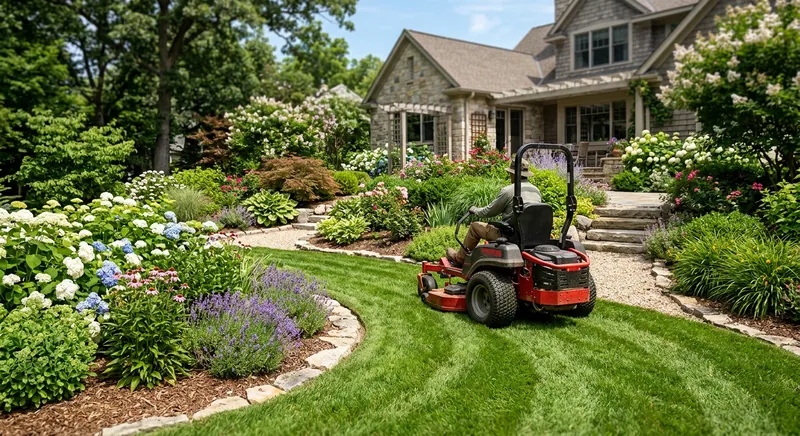
A zero-turn mower pivots in place, letting you cut around trees, beds, and fences with almost no uncut circle left behind. That maneuverability, combined with higher forward speeds than most riding mowers, makes a zero-turn the fastest way to mow a medium to large yard. The tradeoff is a learning curve: you steer with two lap bars instead of a wheel, and the controls feel different until you build muscle memory. Understanding deck size, engine configuration, and speed ratings before you buy helps you choose a zero-turn that actually saves you time without more mower than your yard requires.
Quick Answer
For homeowners with yards between 1 and 4 acres who want maximum mowing speed, a 42 to 50-inch deck zero-turn mower with a 22 to 25 horsepower V-twin engine is the best choice. Zero-turns cut mowing time by 30 to 50 percent compared to traditional riding mowers because they pivot 360 degrees, eliminating the need for trimming passes. Lap-bar steering takes 1 to 2 hours of practice to master but becomes intuitive quickly. A fabricated deck is worth the premium over a stamped deck for durability if you mow rough terrain. The main trade-off is price, as zero-turns cost 30 to 60 percent more than comparable riding mowers, and they are less capable on steep slopes because the rear wheels provide both drive and steering. For yards under 1 acre, a standard riding mower is more cost-effective.
Top Picks at a Glance
50" Zero-Turn Mower
42" Residential Zero-Turn Mower
54" Zero-Turn with Bagging
60" Commercial-Grade Zero-Turn
Product Comparison
| Product | Best For | Deck Size | Engine | Top Speed | Transmission | Price Range | Details |
|---|---|---|---|---|---|---|---|
42" Residential Zero-Turn Mower Best for Small Yards | Yards from 1 to 2 acres with many obstacles | 42 inches | Twin-cylinder, 20–23 HP | 6–7 MPH forward | Hydrostatic dual-pump | $2,500–$3,500 | View Review ↓ |
50" Zero-Turn Mower Best Overall | Yards from 2 to 4 acres with mixed obstacles and open runs | 50 inches | Twin-cylinder, 23–25 HP | 7–8 MPH forward | Hydrostatic dual-pump | $3,000–$4,500 | View Review ↓ |
54" Zero-Turn with Bagging Best for Cleanups | Yards where fast cutting and clipping collection both matter | 54 inches | Twin-cylinder, 24–26 HP | 7–8 MPH forward | Hydrostatic dual-pump | $3,800–$5,500 | View Review ↓ |
60" Commercial-Grade Zero-Turn Best for Large Properties | Properties of 5 acres or more and demanding conditions | 60 inches | Twin-cylinder, 26–32 HP | 8–10 MPH forward | Commercial hydrostatic | $5,000–$9,000 | View Review ↓ |
42" Residential Zero-Turn Mower
Best for Small Yards- Best For:
- Yards from 1 to 2 acres with many obstacles
- Deck Size:
- 42 inches
- Engine:
- Twin-cylinder, 20–23 HP
- Top Speed:
- 6–7 MPH forward
- Transmission:
- Hydrostatic dual-pump
- Price Range:
- $2,500–$3,500
50" Zero-Turn Mower
Best Overall- Best For:
- Yards from 2 to 4 acres with mixed obstacles and open runs
- Deck Size:
- 50 inches
- Engine:
- Twin-cylinder, 23–25 HP
- Top Speed:
- 7–8 MPH forward
- Transmission:
- Hydrostatic dual-pump
- Price Range:
- $3,000–$4,500
54" Zero-Turn with Bagging
Best for Cleanups- Best For:
- Yards where fast cutting and clipping collection both matter
- Deck Size:
- 54 inches
- Engine:
- Twin-cylinder, 24–26 HP
- Top Speed:
- 7–8 MPH forward
- Transmission:
- Hydrostatic dual-pump
- Price Range:
- $3,800–$5,500
60" Commercial-Grade Zero-Turn
Best for Large Properties- Best For:
- Properties of 5 acres or more and demanding conditions
- Deck Size:
- 60 inches
- Engine:
- Twin-cylinder, 26–32 HP
- Top Speed:
- 8–10 MPH forward
- Transmission:
- Commercial hydrostatic
- Price Range:
- $5,000–$9,000
Detailed Product Reviews & Specifications
42" Residential Zero-Turn Mower
A 42-inch residential zero-turn with a twin-cylinder engine and lap bar steering. The compact deck fits through standard gates, and the zero-turn capability eliminates most trimming around landscaping. Designed for homeowner use, not commercial daily operation.
Pros
- •Zero-turn radius for tight trimming around obstacles
- •42-inch deck fits standard gates
- •Faster than a traditional riding mower on obstacle-heavy yards
- •Twin-cylinder engine provides steady power
Cons
- •Learning curve for lap bar steering
- •Smaller deck means more passes on open areas
- •Residential components not built for daily commercial use
Key Specifications
50" Zero-Turn Mower
A 50-inch zero-turn with a twin-cylinder engine and hydrostatic dual-pump drive. The mid-size deck balances cutting speed with maneuverability, making it a strong all-around choice for yards that have both open stretches and landscaping to mow around.
Pros
- •50-inch deck balances speed and maneuverability
- •Twin-cylinder engine maintains blade speed in thick grass
- •Higher forward speed than standard riding mowers
- •Reduces trimming significantly versus a non-zero-turn mower
Cons
- •Deck may not fit through narrower residential gates
- •Higher price than traditional riding mowers
- •Lap bar steering requires practice
Key Specifications
54" Zero-Turn with Bagging
A 54-inch zero-turn designed to pair with a bagging collection system. Combines the speed and maneuverability of a zero-turn with the ability to collect clippings and leaves, making it a good fit for homeowners who want a clean lawn and have a larger property to maintain.
Pros
- •54-inch deck covers ground quickly
- •Bagging system collects clippings and leaves
- •Zero-turn maneuverability reduces trimming
- •Strong engine handles the load of cutting and bagging
Cons
- •Bagging attachment is an additional cost
- •Bags fill quickly on large yards
- •Wider deck requires ample gate and storage width
Key Specifications
60" Commercial-Grade Zero-Turn
A 60-inch commercial-grade zero-turn built with a heavier frame, larger fuel tank, and components rated for extended use. The wide deck maximizes cutting speed on open ground, and the commercial transmission and engine are designed to handle long hours and thick grass without overheating.
Pros
- •60-inch deck maximizes cutting speed on large properties
- •Commercial-grade frame and components for durability
- •Larger engine and fuel tank for extended run time
- •Handles thick, tall grass without bogging
Cons
- •Highest price point in the category
- •Large deck needs wide access and storage
- •Overkill for yards under 5 acres
Key Specifications
What Makes a Zero-Turn Mower Different
A zero-turn mower steers with two lap bars instead of a steering wheel. Each bar controls the drive wheel on its side independently — pushing both forward drives straight, pulling one back pivots the mower around that side, and pushing one forward while pulling the other back spins it in place. This lets the mower turn 180 degrees within its own footprint.
That capability eliminates the wide turning circles of traditional riding mowers and the uncut grass they leave at each turn. The result is less trimming, fewer passes, and faster mowing on yards with obstacles. The tradeoff is a learning curve and a different feel than wheel steering.
What to Look for in a Zero-Turn Mower
Zero-turns range from 42-inch residential models to 60-inch commercial machines. Deck size, engine configuration, top speed, and transmission type are the core specifications that determine how fast and how well the mower works for your yard.
As with any riding mower, measure your gates and storage before buying — zero-turns with decks over 50 inches often need a wider opening than a standard residential gate provides.
Deck Size
A 42-inch deck suits yards up to about 2 acres and fits standard gates. A 50-inch deck is the versatile middle choice for 2 to 4 acres. A 54- to 60-inch deck is best for 4 acres or more, where the wider cut saves significant time on open stretches.
Lap Bar Controls
Lap bars give you independent control of each drive wheel. They are intuitive once learned but take practice — most owners need a few sessions to build confidence. Look for adjustable lap bars that fit your arm length, and consider a model with a parking brake that engages automatically when the bars are moved outward.
Speed: Forward and Reverse
Residential zero-turns typically reach 6 to 8 MPH forward and 3 to 4 MPH in reverse. Commercial models can hit 8 to 10 MPH forward. Higher top speed helps on open ground, but cutting quality depends more on blade tip speed and engine power than raw forward speed. Mowing at full speed in thick grass can leave an uneven cut.
Single vs Twin-Cylinder Engines
Single-cylinder engines are simpler and cheaper but vibrate more and produce less power. Twin-cylinder engines run smoother, deliver more consistent power under load, and last longer in demanding conditions. For a zero-turn, a twin-cylinder engine is worth the premium — it handles thick grass better and provides a more comfortable mowing experience.
Zero-Turn vs Traditional Riding Mower
A zero-turn is faster and more maneuverable than a traditional riding mower, especially on yards with many obstacles. The ability to pivot in place means you spend less time backing up and trimming. On open, obstacle-free yards, the speed advantage is smaller and a traditional riding mower may be sufficient for less money.
Zero-turns cost more than comparable riding mowers and have a learning curve. If your yard is mostly open and speed is not a priority, a riding mower may be the better value. If you have trees, beds, and fence lines to mow around, a zero-turn earns its premium in time saved.
Safety and Operating Tips
Zero-turn mowers behave differently than riding mowers on slopes. Because the rear wheels do all the driving and steering, a zero-turn can lose traction or slide on hills more readily than a tractor-style mower. Most manufacturers recommend mowing only up to about 10 to 15 degrees of slope, and always mowing up and down rather than across.
Always disengage the blades before crossing gravel, pavement, or driveways. Keep children and pets away, and never carry passengers. Practice with the lap bars in an open area before tackling your full yard, and read the manual for slope ratings specific to your model.
Safety & Compliance Notice
Zero-turn mowers have a higher rollover risk than traditional riding mowers, especially on slopes. Never operate a zero-turn mower on slopes exceeding the manufacturer's rated angle. Learn lap bar controls in an open, flat area before mowing near obstacles or drop-offs. Keep children and pets away, and never carry passengers.
Frequently Asked Questions
There is a learning curve because you steer with two lap bars instead of a wheel. Most homeowners become comfortable after a few mowing sessions. The controls are intuitive once you understand that each bar drives the wheel on its side. Practice in an open area first, away from obstacles.
Final Verdict
A 50-inch twin-cylinder zero-turn is the best all-around choice for homeowners with 2 to 4 acres, offering a balance of cutting speed, maneuverability, and power. Choose a 42-inch residential model for smaller yards with obstacles, a 54-inch bagging model if a clean, clipping-free lawn is the priority, and a 60-inch commercial-grade mower for properties of 5 acres or more. Learn the lap bar controls before tackling your full yard, respect slope limits, and keep up with maintenance to protect a significant investment.
James Carter
Outdoor Equipment Specialist
James covers lawn care, outdoor power equipment, and yard maintenance products for HomeGear Guide. His work focuses on helping homeowners compare mowers, trimmers, and yard tools based on property size, terrain, and practical use cases.
Related Articles & Buying Guides
 Lawn & Outdoor Equipment
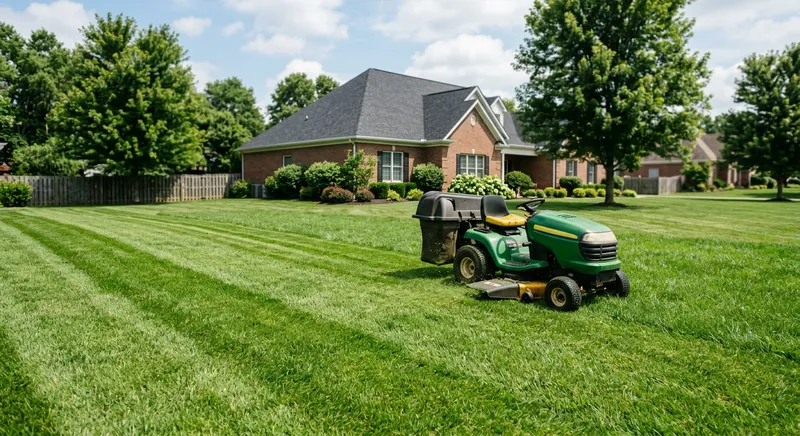
Best Riding Lawn Mowers for Large Yards
Compare 42" to 54" riding mowers with hydrostatic and gear-drive transmissions. Find the right deck size, engine power, and maneuverability for your yard.
 Lawn & Outdoor Equipment
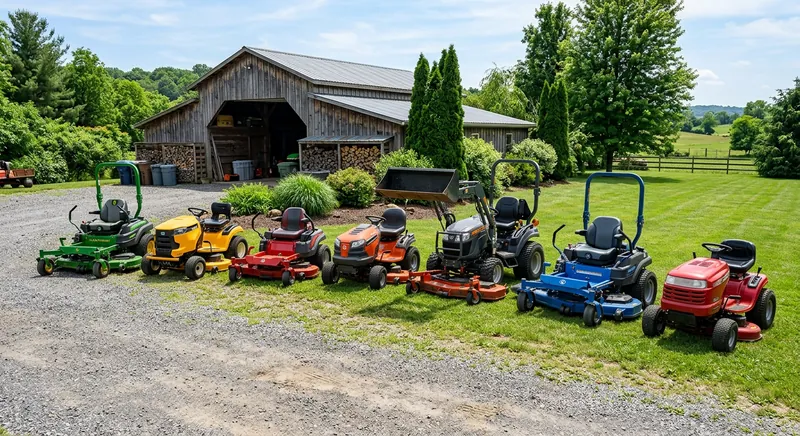
Riding Lawn Mower Reviews: Detailed Model Analysis
Detailed analysis of riding lawn mower reliability, common issues, and long-term ownership. Compare entry-level, mid-range, premium, and garden tractor options.
 Lawn & Outdoor Equipment
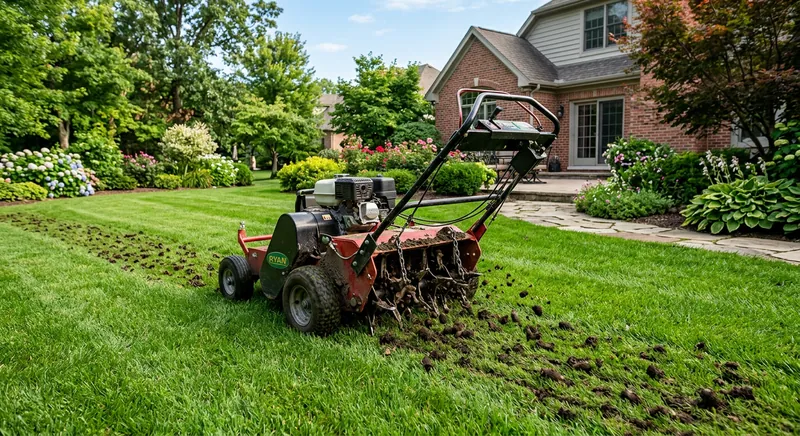
Best Lawn Aerators for Healthier Grass
Compare core and spike aerators in manual, powered, and tow-behind designs. Find the right aeration method and width for your lawn size and soil type.
 Lawn & Outdoor Equipment
Best Leaf Blowers for Yard Cleanup
Compare gas, battery, and corded leaf blowers with CFM and MPH ratings. Find the right power source and design for your yard size and cleanup needs.
Get Smarter About Your Home
Receive practical buying guides, product comparisons, maintenance tips and home project ideas from HomeGear Guide.
You can unsubscribe at any time.