Best Home Battery Backup Systems for Energy Independence
Affiliate Disclosure: HomeGear Guide is reader-supported. When you buy through links on our site, we may earn an affiliate commission at no extra cost to you. We do not accept paid product placements or sponsor-biased reviews.
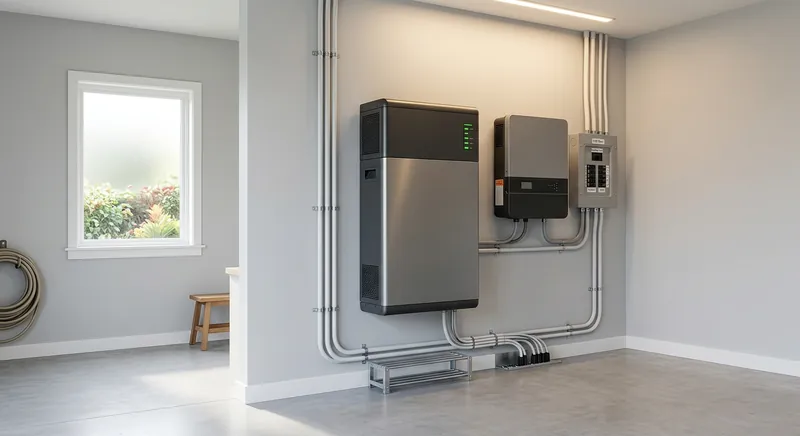
A home battery backup system is a permanent, wall-mounted energy storage solution that provides automatic power during an outage and, when paired with solar panels, can store excess daytime production for use at night or during grid failures. Unlike a portable power station, a home battery is wired into your electrical panel and operates automatically — you may not even notice the grid went down until you check your phone. Unlike a standby generator, it is silent, has no fuel costs, and requires no maintenance. The trade-offs are upfront cost, limited backup duration relative to a generator, and the need for professional installation and often utility approval. Understanding capacity (measured in kWh rather than Wh), power output, battery chemistry, and how the system integrates with solar and your electrical panel is essential to choosing a battery backup that delivers the energy independence you are paying for.
Quick Answer
For most homeowners, a 10 to 15 kWh LiFePO4 home battery backup system with a 5,000 to 7,000 watt continuous power output and seamless UPS transfer is the best choice because it provides 8 to 24 hours of whole-home backup for essential circuits including refrigerator, lights, internet, and medical devices, while LiFePO4 chemistry offers a 10-plus year lifespan with 6,000-plus cycles. When paired with solar panels, a home battery stores excess daytime production for nighttime use, reducing grid dependence by 50 to 80 percent. A 10 to 15 kWh capacity covers most outage scenarios, while 20-plus kWh systems provide multi-day backup at significantly higher cost. The main trade-off is backup duration versus cost, as a 13.5 kWh system like the Tesla Powerwall costs 10,000 to 15,000 dollars installed, while a gas standby generator providing unlimited runtime costs 7,000 to 10,000 dollars. The battery is silent, maintenance-free, and usable daily for solar self-consumption, while the generator is louder and only useful during outages.
Top Picks at a Glance
10kWh Home Battery System
5kWh Modular Battery
15kWh Home Battery
3kWh Battery
Product Comparison
| Product | Best For | Capacity | Power Output | Chemistry | Price Range | Details |
|---|---|---|---|---|---|---|
10kWh Home Battery System Best Overall | Balanced capacity for essential home backup with solar integration | 10kWh (10,000Wh) | 5kW continuous / 7kW+ peak | LiFePO4 | $8,000–$12,000 (installed) | View Review ↓ |
5kWh Modular Battery Best for Scalability | Starting small and scaling capacity over time | 5kWh per module (expandable) | 3–5kW continuous (inverter dependent) | LiFePO4 | $5,000–$8,000 (initial system, installed) | View Review ↓ |
15kWh Home Battery Best for Whole-Home | Whole-home backup with larger capacity | 15kWh (15,000Wh) | 7–10kW continuous / higher peak | LiFePO4 | $12,000–$18,000 (installed) | View Review ↓ |
3kWh Battery Best Value | Essential circuits at the lowest home battery price | 3kWh (3,000Wh) | 2–3kW continuous / higher peak | LiFePO4 | $3,500–$6,000 (installed) | View Review ↓ |
10kWh Home Battery System
Best Overall- Best For:
- Balanced capacity for essential home backup with solar integration
- Capacity:
- 10kWh (10,000Wh)
- Power Output:
- 5kW continuous / 7kW+ peak
- Chemistry:
- LiFePO4
- Price Range:
- $8,000–$12,000 (installed)
5kWh Modular Battery
Best for Scalability- Best For:
- Starting small and scaling capacity over time
- Capacity:
- 5kWh per module (expandable)
- Power Output:
- 3–5kW continuous (inverter dependent)
- Chemistry:
- LiFePO4
- Price Range:
- $5,000–$8,000 (initial system, installed)
15kWh Home Battery
Best for Whole-Home- Best For:
- Whole-home backup with larger capacity
- Capacity:
- 15kWh (15,000Wh)
- Power Output:
- 7–10kW continuous / higher peak
- Chemistry:
- LiFePO4
- Price Range:
- $12,000–$18,000 (installed)
3kWh Battery
Best Value- Best For:
- Essential circuits at the lowest home battery price
- Capacity:
- 3kWh (3,000Wh)
- Power Output:
- 2–3kW continuous / higher peak
- Chemistry:
- LiFePO4
- Price Range:
- $3,500–$6,000 (installed)
Detailed Product Reviews & Specifications
10kWh Home Battery System
A 10-kilowatt-hour home battery system that provides enough stored energy to run essential household circuits for most of a day, with seamless automatic switchover during outages. Designed to integrate with solar panels for daily charging and self-consumption, and with smart app control for monitoring energy flow and backup reserve.
Pros
- •10kWh capacity covers essentials for most of a day or full home for several hours
- •Seamless automatic backup — switchover in milliseconds
- •Solar integration for self-consumption and outage charging
- •LiFePO4 chemistry with long cycle life and smart monitoring app
Cons
- •High upfront cost compared to generators
- •Requires professional installation and often utility approval
- •Limited backup duration for whole-home loads without solar recharging
Key Specifications
5kWh Modular Battery
A 5-kilowatt-hour modular home battery designed for homeowners who want to start with a smaller system and add capacity later. Each module connects to a central inverter, allowing you to begin with one battery and expand to two, three, or more as budget allows or energy needs grow. Ideal for homes with modest backup needs or for phased solar-plus-storage projects.
Pros
- •Modular design lets you start small and add capacity over time
- •Lower initial investment than large single-unit systems
- •Same smart monitoring and solar integration as larger systems
- •Scalable to meet growing energy needs or add whole-home coverage later
Cons
- •5kWh alone provides limited backup duration for most homes
- •Central inverter represents a fixed cost regardless of battery count
- •Per-kWh cost is higher when starting with a single small module
Key Specifications
15kWh Home Battery
A 15-kilowatt-hour home battery system that provides enough stored energy for whole-home backup during typical outages, or extended essential-circuits backup spanning multiple days. The larger capacity supports running more of the home simultaneously, including air conditioning for limited periods, and pairs well with solar for daily cycling and self-consumption.
Pros
- •15kWh capacity supports whole-home backup for typical outages
- •Higher power output handles larger simultaneous loads including AC
- •Solar integration for daily charging and outage resilience
- •LiFePO4 chemistry with long cycle life and smart monitoring
Cons
- •Highest upfront cost among home battery options
- •Large and heavy — requires wall space and structural consideration
- •May require utility approval and interconnection paperwork
Key Specifications
3kWh Battery
A 3-kilowatt-hour home battery that provides the lowest-cost entry into permanent home battery backup. Sized for essential circuits — a refrigerator, some lighting, and basic outlets for a few hours — it offers automatic, silent backup without the investment of larger systems. A good starting point for homeowners who want battery backup for short outages or as a complement to a generator.
Pros
- •Lowest cost entry into permanent home battery backup
- •Automatic, silent operation for essential circuits
- •Solar integration for charging during outages
- •Compact and wall-mounted with minimal space requirements
Cons
- •Limited capacity — only a few hours of essential backup
- •Not sufficient for whole-home or air conditioning loads
- •Professional installation and utility approval still required
Key Specifications
Understanding kWh Capacity and Power Output
Home battery systems are rated in kilowatt-hours (kWh), where 1 kWh equals 1,000 watt-hours. Capacity tells you how much total energy the battery stores; power output (in kW) tells you how much power it can deliver at once. A 10kWh battery with a 5kW output can run devices totaling 5,000W at any moment, and will last about 2 hours at that maximum load or longer at lower loads.
To estimate backup duration, divide the capacity by your total load in kW. A 10kWh battery powering a 1kW essential load (refrigerator, lights, furnace blower, modem) will last roughly 10 hours accounting for inverter losses. The same battery powering a 3kW load (adding a window AC) lasts about 3 hours. This is why managing load during an outage extends backup duration dramatically.
Power output matters for what you can run simultaneously. A battery with 5kW output can start most household motors but may struggle with multiple large appliances at once. A 10kW output battery handles nearly any residential load. Match both capacity and output to your backup goals — capacity for how long, output for what you can run at the same time.
Solar Integration and Backup Duration
A home battery paired with solar panels transforms from a finite backup into a potentially indefinite power source, as long as the sun recharges the battery each day. During an outage, solar panels charge the battery while the battery powers your home, creating a closed loop that can sustain essential loads for days or longer if weather cooperates.
Without solar, a home battery is a finite resource — once depleted, it stays depleted until grid power returns. This is the fundamental difference between a battery alone and a battery plus solar. For outage resilience, the combination is significantly more capable than either component alone.
Backup duration depends on capacity, load, and whether solar is recharging. A 10kWh battery alone might provide 12 hours of essential backup. The same battery with a 5kW solar array recharging during the day can extend that to multiple days, because each sunny day replenishes the energy used overnight. In cloudy weather, solar output drops and the battery may not fully recharge, so duration depends heavily on conditions.
Self-Consumption and Time-of-Use Savings
Beyond outage backup, a home battery with solar can reduce electricity bills through self-consumption — storing excess solar energy produced during the day and using it in the evening rather than selling it back to the grid at lower rates. In areas with time-of-use pricing, this can be financially valuable: charge the battery during off-peak hours or from solar, then use that stored energy during peak-rate hours. Some utilities also offer incentives or rebates for home battery installation, especially programs that allow the utility to draw from your battery during grid demand peaks.
Battery Chemistry and Lifespan
Nearly all modern home battery systems use LiFePO4 (lithium iron phosphate) chemistry. LiFePO4 offers 4,000–6,000 charge cycles before degrading to about 80% of original capacity, which translates to roughly 10–15 years of daily use. It is also more thermally stable and safer than other lithium chemistries, with minimal risk of thermal runaway.
Most home battery manufacturers warrant their products for 10 years, guaranteeing a minimum capacity (often 70% of original) at the end of the warranty period. This is the key spec to compare — not just the warranty length but the guaranteed retained capacity. A battery that retains 80% after 10 years is a better long-term value than one that retains 60%.
Unlike portable power stations, where chemistry varies, home batteries have largely standardized on LiFePO4. When comparing systems, focus on warranty terms, cycle life, and the manufacturer's reputation rather than chemistry. The chemistry decision has essentially been made for you — and LiFePO4 is the right one for a permanent installation expected to last a decade or more.
Installation, Permitting, and Utility Approval
A home battery backup system is a permanent electrical installation that requires professional installation by a licensed electrician, typically the same contractor who would install solar. The battery mounts on a wall (usually in a garage or utility area), connects to your electrical panel through a sub-panel or automatic transfer switch, and integrates with your solar inverter if you have one.
Most jurisdictions require permits and inspections for battery installation, and if the battery is paired with solar or connected to the grid, you will need utility interconnection approval. This process ensures the utility knows about your battery and that it is installed safely, with proper disconnects so line workers are not endangered during outages.
The installation process usually takes 1–3 days depending on complexity, and the permitting and utility approval process can add weeks to the timeline. Work with a reputable installer who handles permitting and utility paperwork as part of the project. The installed price — not just the equipment price — is what you should compare, and it often includes significant labor, electrical, and permitting costs above the battery itself.
Safety & Compliance Notice
Home battery backup systems require professional installation and may require permits and utility approval. Installation involves electrical panel work, potential solar interconnection, and compliance with local codes. Always use a licensed electrician or certified solar installer, and check local permitting and utility interconnection requirements before beginning any installation.
Frequently Asked Questions
Backup duration depends on capacity and load. A 10kWh battery running essential circuits (refrigerator, lights, furnace blower, modem) at about 1kW total will last roughly 10 hours. The same battery running a 3kW load including a window AC will last about 3 hours. Pairing the battery with solar panels extends duration significantly, as solar recharges the battery during the day. Without solar, the battery is a finite resource that stays depleted until grid power returns.
Final Verdict
A 10kWh home battery system is the best choice for most homeowners — it provides enough capacity for most-of-a-day essential backup or several hours of whole-home coverage, with automatic switchover and solar integration for extended resilience. For those who want to start small and scale, a 5kWh modular battery lets you enter at a lower cost and add capacity over time. For whole-home backup including air conditioning for limited periods, a 15kWh system offers the most capacity. And for essential-circuits backup at the lowest price, a 3kWh battery covers the basics. Pair any of these with solar panels for the most capable and resilient backup solution, and work with a licensed installer who handles permitting and utility approval. While the upfront cost is higher than a generator, a home battery offers silent, maintenance-free, fuel-free backup that also provides daily value through self-consumption and time-of-use savings.
Emily Ross
Smart Home & Energy Writer
Emily researches smart home technology, home energy systems, and backup power solutions for HomeGear Guide. Her work focuses on helping homeowners understand how connected devices and energy products compare and what to look for before investing.
Related Articles & Buying Guides
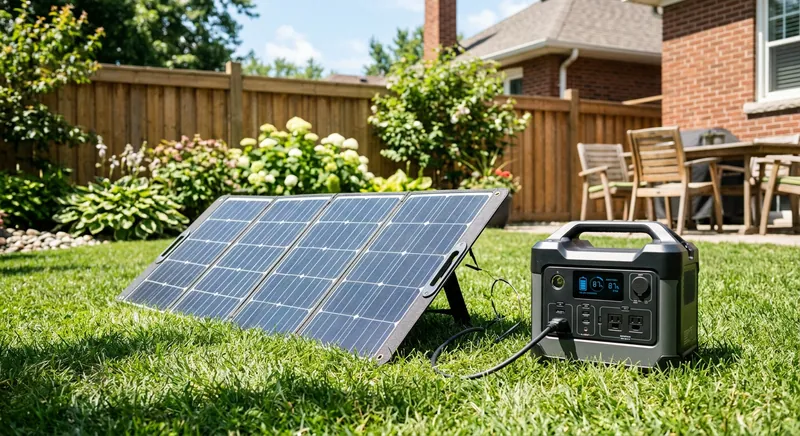 Home Energy & Backup Power
Best Solar Generators for Clean, Quiet Portable Power
Compare solar generators for clean, quiet portable power. Understand battery capacity in watt-hours, inverter output, solar input, charge time, and LiFePO4 vs NMC chemistry.
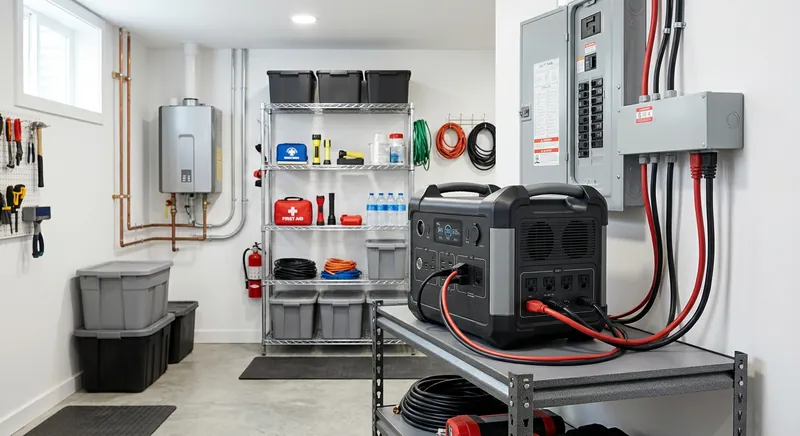 Home Energy & Backup Power
Best Battery Power Stations for Home Backup and Portable Power
Compare battery power stations for home backup and portable use. Understand capacity in watt-hours, AC output, battery chemistry, charging options, and UPS functionality.
 Home Energy & Backup Power
Best Solar Panels for Home Rooftop and Ground Installations
Compare residential solar panels for home rooftop and ground installations. Understand wattage, efficiency, monocrystalline vs polycrystalline, temperature coefficient, warranty, and degradation rate.
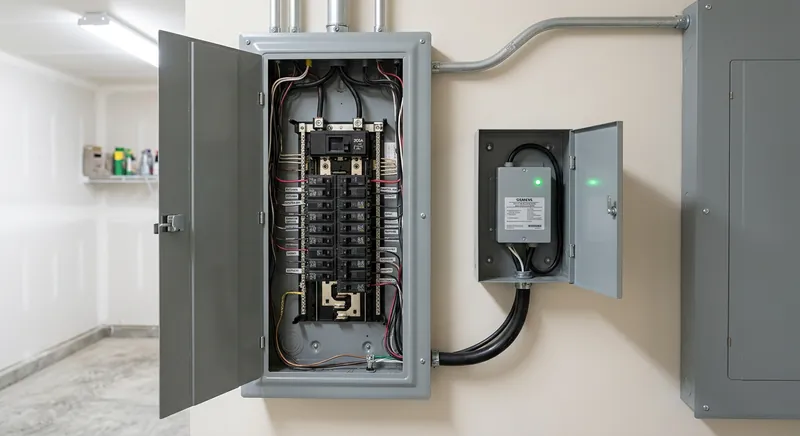 Home Energy & Backup Power
Best Whole-House Surge Protectors to Safeguard Your Electronics
Compare whole-house surge protectors for your electrical panel. Understand joule ratings, kA surge current, response time, LED status, NEMA ratings, and installation.
Get Smarter About Your Home
Receive practical buying guides, product comparisons, maintenance tips and home project ideas from HomeGear Guide.
You can unsubscribe at any time.