Best Battery Power Stations for Home Backup and Portable Power
Affiliate Disclosure: HomeGear Guide is reader-supported. When you buy through links on our site, we may earn an affiliate commission at no extra cost to you. We do not accept paid product placements or sponsor-biased reviews.
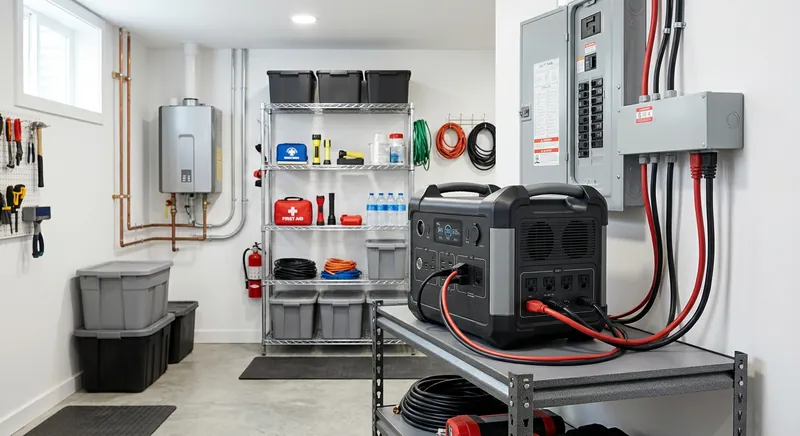
A battery power station is the indoor-safe, silent alternative to a gas generator. It stores energy in a rechargeable battery and delivers it through AC outlets, USB ports, and DC outputs — no fuel, no exhaust, no noise. For apartment dwellers, anyone who cannot or does not want to run a gas generator, and homeowners who want clean backup for electronics and small appliances, a power station is the most practical option. The challenge is choosing the right capacity and output for your situation. A station that is too small will run out before the outage ends. One with insufficient AC output will not start a refrigerator compressor. And features like UPS functionality and battery expansion can make a meaningful difference if you know to look for them. Understanding capacity, output, chemistry, and charging options before you buy ensures you get a power station that actually does what you need.
Quick Answer
For most homeowners, a 1,000 to 1,500 watt-hour LiFePO4 power station with a 1,500 to 2,000 watt pure sine wave inverter, multiple AC outlets, and 100-watt USB-C charging is the best choice because it provides enough capacity for 8 to 12 hours of refrigerator backup, charges phones and laptops dozens of times, and runs small appliances like fans and lights during an outage, all in a silent, indoor-safe package. LiFePO4 chemistry is the key feature to prioritize, offering 2,000 to 3,500 charge cycles for a 5 to 10 year lifespan versus 500 to 1,000 cycles for older NMC batteries. A 1,500 watt inverter handles most appliances, but check starting watts for refrigerators, which need 2 to 3 times their running wattage. The main trade-off is capacity versus weight and cost, as a 1,500 Wh station weighs 30 to 40 pounds and costs 1,000 to 1,800 dollars. UPS functionality that switches in under 20 milliseconds is worth paying for if you need uninterrupted computer power.
Top Picks at a Glance
1500Wh LiFePO4 Power Station
1000Wh Power Station with UPS
3000Wh Expandable Power Station
500Wh Power Station
Product Comparison
| Product | Best For | Battery Capacity | AC Output | Battery Chemistry | Price Range | Details |
|---|---|---|---|---|---|---|
1500Wh LiFePO4 Power Station Best Overall | Versatile home backup with long-lasting battery chemistry | 1500Wh (1.5kWh) | 1500–1800W continuous / 3000W+ surge | LiFePO4 | $900–$1,500 | View Review ↓ |
1000Wh Power Station with UPS Best for Electronics | Protecting electronics with uninterruptible power | 1000Wh | 1000–1200W continuous / 2000W+ surge | <20ms typical (check specs) | $600–$1,100 | View Review ↓ |
3000Wh Expandable Power Station Best for Extended Backup | Extended backup with capacity to grow | 3000Wh (3kWh), expandable | 2400–3000W continuous / 4800W+ surge | LiFePO4 | $2,000–$3,500 | View Review ↓ |
500Wh Power Station Best Value | Affordable portable power for devices and small electronics | 500Wh | 500–600W continuous / 1000W surge | NMC or LiFePO4 (check specs) | $250–$450 | View Review ↓ |
1500Wh LiFePO4 Power Station
Best Overall- Best For:
- Versatile home backup with long-lasting battery chemistry
- Battery Capacity:
- 1500Wh (1.5kWh)
- AC Output:
- 1500–1800W continuous / 3000W+ surge
- Battery Chemistry:
- LiFePO4
- Price Range:
- $900–$1,500
1000Wh Power Station with UPS
Best for Electronics- Best For:
- Protecting electronics with uninterruptible power
- Battery Capacity:
- 1000Wh
- AC Output:
- 1000–1200W continuous / 2000W+ surge
- Battery Chemistry:
- <20ms typical (check specs)
- Price Range:
- $600–$1,100
3000Wh Expandable Power Station
Best for Extended Backup- Best For:
- Extended backup with capacity to grow
- Battery Capacity:
- 3000Wh (3kWh), expandable
- AC Output:
- 2400–3000W continuous / 4800W+ surge
- Battery Chemistry:
- LiFePO4
- Price Range:
- $2,000–$3,500
500Wh Power Station
Best Value- Best For:
- Affordable portable power for devices and small electronics
- Battery Capacity:
- 500Wh
- AC Output:
- 500–600W continuous / 1000W surge
- Battery Chemistry:
- NMC or LiFePO4 (check specs)
- Price Range:
- $250–$450
Detailed Product Reviews & Specifications
1500Wh LiFePO4 Power Station
A 1500-watt-hour LiFePO4 power station that balances capacity, output, and longevity. Provides enough stored energy to run a refrigerator for most of a day, charge devices many times over, or power a CPAP machine for multiple nights. The LiFePO4 chemistry offers thousands of charge cycles for years of reliable use.
Pros
- •LiFePO4 chemistry for 2,000+ charge cycles and long lifespan
- •Enough capacity for refrigerator runtime and overnight medical devices
- •Pure sine wave inverter safe for sensitive electronics
- •Multiple charging options including AC, solar, and car
Cons
- •Heavy — often 35–45 pounds, limiting portability
- •Higher price than NMC stations of similar capacity
- •AC recharge from empty takes several hours
Key Specifications
1000Wh Power Station with UPS
A 1000-watt-hour power station with built-in UPS (uninterruptible power supply) functionality that switches to battery power within milliseconds of an outage, keeping connected computers and networking equipment running without interruption. Ideal for home offices, networking gear, and anyone who cannot afford a sudden power loss to electronics.
Pros
- •UPS functionality switches to battery in milliseconds — no reboot or data loss
- •Enough capacity for hours of home office or networking runtime
- •Pure sine wave output protects sensitive electronics
- •Compact enough for a desk or shelf
Cons
- •Limited capacity for appliance backup
- •UPS switchover time varies by model — verify it meets your needs
- •May use NMC chemistry on some models with shorter lifespan
Key Specifications
3000Wh Expandable Power Station
A 3000-watt-hour expandable power station designed for extended home backup. The largest practical portable battery class, it can run a refrigerator for over a day, power essential circuits for multiple days with conservative use, and accept expansion batteries to increase total capacity. High AC output supports most household appliances.
Pros
- •Large capacity supports extended backup of essentials
- •Expandable with additional battery modules for more runtime
- •High AC output handles most household appliances
- •LiFePO4 chemistry for long cycle life
Cons
- •Very heavy — often 60–70+ pounds, not truly portable
- •Highest price tier among power stations
- •Expansion batteries add significant additional cost
Key Specifications
500Wh Power Station
A 500-watt-hour power station that offers solid portable power at an accessible price. Enough capacity to charge phones and laptops many times, run LED lighting for an evening, or power a small fan overnight. Lightweight and easy to carry, making it a good choice for camping, emergencies, and everyday portable power.
Pros
- •Affordable entry into battery backup
- •Lightweight and easy to carry
- •Silent and safe for indoor use
- •Multiple outlets for phones, laptops, and small devices
Cons
- •Cannot run refrigerators or appliances for meaningful time
- •Often uses NMC chemistry with shorter cycle life
- •Limited AC output may not handle motorized devices
Key Specifications
Matching Capacity and Output to Your Needs
Two numbers define what a power station can do: capacity in watt-hours (Wh) and AC output in watts (W). Capacity tells you how long it can run a device; output tells you what devices it can run at all. Both matter, and confusing them leads to buying a station that cannot do what you expect.
A 500Wh station with a 500W inverter can charge phones all day but cannot start a refrigerator compressor that needs a 1200W surge. A 1500Wh station with a 1500W inverter can start that compressor and run it for hours. The inverter output must exceed both the running watts and the starting surge of whatever you plug in.
To choose, list what you want to power and for how long. Add up the running watts for the duration estimate and check the starting watts for the inverter requirement. A refrigerator (700W running, 2000W surge) plus a few lights (50W) and a phone charger (10W) means you need at least a 2000W surge rating and enough watt-hours to run the fridge for your target duration.
Battery Chemistry and Lifespan
LiFePO4 (lithium iron phosphate) and NMC (nickel manganese cobalt) are the two main battery chemistries in power stations. LiFePO4 offers significantly more charge cycles — typically 2,000–3,500 before reaching 80% capacity — making it the better choice for a device you plan to use for years or rely on frequently. It is also more thermally stable and safer.
NMC batteries are lighter and more energy-dense, which is why they appear in smaller, more portable stations. They typically last 500–1,000 cycles. For occasional use — a few camping trips or short outages per year — NMC is adequate. For a backup you want to depend on for years, or for daily use, LiFePO4's longer lifespan justifies the price difference.
Most newer power stations at 1000Wh and above now use LiFePO4. If you are investing in a larger station, look for LiFePO4 specifically. For small, portable stations where weight matters and use is occasional, NMC is an acceptable trade-off.
Caring for Your Battery
To maximize battery lifespan, avoid storing the station fully discharged for long periods. Keep it around 50% charge if storing for months. Avoid exposing it to extreme heat or cold, as temperature extremes degrade lithium batteries faster than use. If your station supports it, avoid running it down to 0% regularly — shallow discharges are gentler on the battery than full discharges. Follow the manufacturer's maintenance guidelines for long-term storage.
Charging Options and UPS Functionality
Most power stations charge from a wall outlet (AC), and many also support solar panel and 12V car charging. AC charging is fastest, typically recharging a station in 1–4 hours depending on capacity and charger speed. Solar charging is slower but essential during an outage with no grid power. Car charging is slowest but useful on road trips.
Some power stations include UPS (uninterruptible power supply) functionality. When plugged into a wall outlet and powering devices simultaneously, a UPS-enabled station switches to battery power within milliseconds if grid power fails, keeping connected equipment running without interruption. This is valuable for computers, networking gear, and anything that should not lose power suddenly.
Not all stations that claim UPS functionality have a true fast switchover. Some take 30–50ms, which may be fast enough for networking gear but could cause a desktop computer to reboot. If true uninterruptible power is important, check the switchover time in the specifications and look for sub-20ms performance.
Expansion and Scalability
Some power stations support expansion batteries — additional battery modules that connect to the main unit to increase total capacity. This is valuable if you want to start with a smaller investment and add capacity later, or if you anticipate longer outages and want to extend runtime without buying an entirely new, larger station.
Expansion batteries are typically brand-specific and connect with a proprietary cable. They are not interchangeable between brands or even between all models from the same brand. Check compatibility before purchasing. Expansion batteries often cost nearly as much as a standalone station of similar capacity, so the value is in incremental growth rather than cost savings.
If you think you may need more capacity in the future, choose a station that supports expansion from the start. If you are confident about your capacity needs, buying a single larger station is often simpler and more cost-effective than a base unit plus expansion batteries.
Generator Size & Appliance Wattage Calculator
Tally running watts and surge starting watts across your home appliances to select the right generator size for emergency outages.
Frequently Asked Questions
A power station can replace a gas generator for limited, essential backup — running phones, laptops, lights, and a refrigerator for several hours to a day. It cannot match a gas generator for whole-home backup or multi-day, high-wattage use. Gas generators run as long as you have fuel; a power station is done when the battery is empty unless you have solar panels to recharge. For many homes, a power station complements a gas generator rather than replacing it entirely.
Final Verdict
A 1500Wh LiFePO4 power station is the best all-around choice for home backup — it has the capacity to run a refrigerator for most of a day, the output to handle motor starts, and the long-lasting chemistry to serve you for years. For home offices and electronics that cannot tolerate any power interruption, a 1000Wh station with true UPS functionality keeps computers and networking gear running through outages without a reboot. For extended backup of essentials across multiple days, a 3000Wh expandable station offers the most capacity and the option to add more later. And for affordable, portable power for devices and small electronics, a 500Wh station covers the basics at a low price. Match the capacity and output to your actual needs, choose LiFePO4 for longevity, and consider solar panels if you want to recharge during an extended outage.
Emily Ross
Smart Home & Energy Writer
Emily researches smart home technology, home energy systems, and backup power solutions for HomeGear Guide. Her work focuses on helping homeowners understand how connected devices and energy products compare and what to look for before investing.
Related Articles & Buying Guides
 Home Energy & Backup Power
Best Solar Generators for Clean, Quiet Portable Power
Compare solar generators for clean, quiet portable power. Understand battery capacity in watt-hours, inverter output, solar input, charge time, and LiFePO4 vs NMC chemistry.
 Home Energy & Backup Power
Best Portable Generators for Home Backup and Outdoor Use
Compare portable generators by running watts, surge capacity, dual-fuel options, and clean inverter power to keep your essential household circuits running during outages.
 Home Energy & Backup Power
Best Home Standby Generators for Automatic Whole-Home Backup
Compare automatic home standby generators by kW capacity, fuel supply, transfer equipment, and installation requirements to keep your whole home powered during outages.
 Home Energy & Backup Power
Best Whole-House Surge Protectors to Safeguard Your Electronics
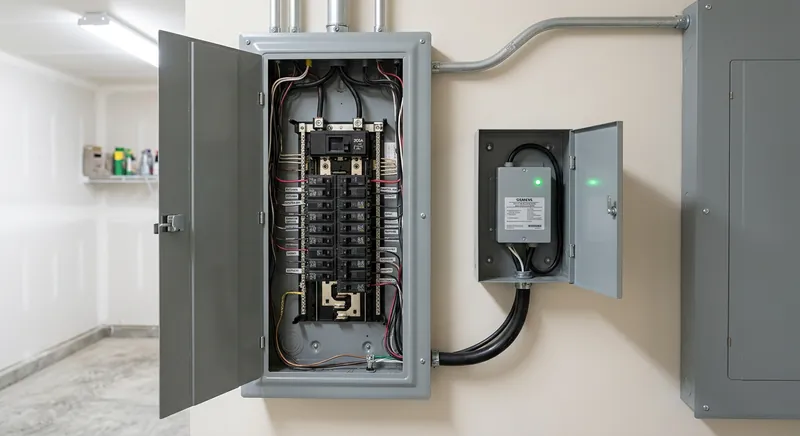
Compare whole-house surge protectors for your electrical panel. Understand joule ratings, kA surge current, response time, LED status, NEMA ratings, and installation.
Get Smarter About Your Home
Receive practical buying guides, product comparisons, maintenance tips and home project ideas from HomeGear Guide.
You can unsubscribe at any time.