Best Portable Generators for Home Backup and Outdoor Use
Affiliate Disclosure: HomeGear Guide is reader-supported. When you buy through links on our site, we may earn an affiliate commission at no extra cost to you. We do not accept paid product placements or sponsor-biased reviews.
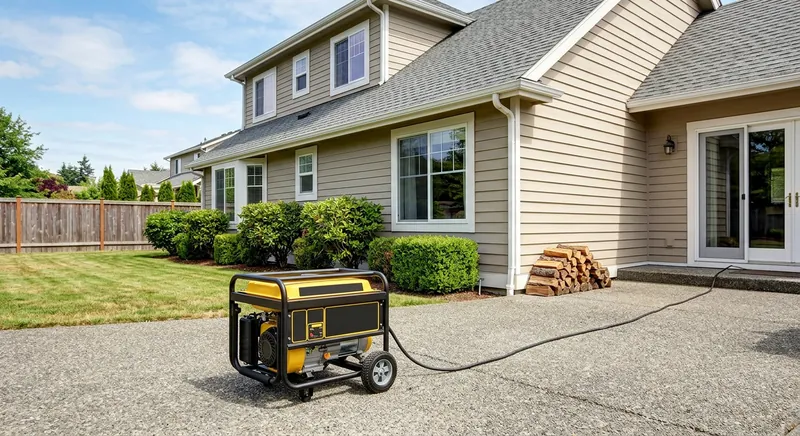
Severe storms, winter grid freezes, and aging utility distribution infrastructure have made emergency home backup power a necessity rather than a luxury. When utility power fails, a portable generator keeps your refrigerator cold, your well pump cycling, your gas furnace blower circulating heat, and your home communication networks online. However, selecting a generator requires understanding electrical engineering principles: calculating starting surge wattage for inductive motor loads, choosing between gasoline and shelf-stable propane fuel, evaluating clean inverter power (Total Harmonic Distortion) for sensitive electronics, and establishing code-compliant transfer switch connections. Emily Ross provides a rigorous technical comparison grounded in ANSI/PGMA and National Electrical Code standards.
Quick Answer
For whole-home essential circuit backup (powering a refrigerator, well pump, furnace blower, sump pump, and lighting), a 7,000 to 8,000 running watt (9,000+ surge watt) dual-fuel generator equipped with a 30A or 50A 120V/240V twist-lock outlet is the premier choice. Propane is the superior storage fuel for emergency preparedness because it stores indefinitely without gumming up carburetors, though it delivers approximately 10% lower peak wattage than gasoline. If you are powering sensitive digital electronics (computers, variable-speed furnace boards, smart TVs), select an Inverter Generator with Total Harmonic Distortion (THD) under 3% to prevent damaging delicate microprocessors. Never run any generator indoors or within 20 feet of windows, and always install through a transfer switch or interlock kit.
Top Picks at a Glance
7500W Dual-Fuel Electric-Start Generator
Heavy-duty 420cc OHV engine with CO auto-shutoff sensor and 30A 120/240V transfer switch hookup.
3500W Super-Quiet Dual-Fuel Inverter
Pure sine wave power with THD under 3% operating at an ultra-quiet 58 dBA for sensitive electronics.
10,000W Tri-Fuel Home Backup Generator
Massive 12,500 starting watts capable of running whole-home central air conditioning and water heaters.
2200W Lightweight Inverter Generator
46-pound ultra-quiet inverter delivering 1,800 running watts for refrigerators, routers, and tailgates.
Product Comparison
| Product | Running / Surge Watts | Fuel Flexibility | Total Harmonic Distortion | Runtime at 50% Load | Outlets Available | Best Application | Details |
|---|---|---|---|---|---|---|---|
7500W Dual-Fuel Electric-Start Generator Best Overall Home Backup | 7,500W (Gas) / 6,750W (LPG) | 9,375W (Gas) / 8,400W (LPG) | 420cc 4-Stroke OHV | 11 Hrs (Gas) / 8 Hrs (20-Lb LPG) | 1x 120/240V 30A L14-30R, 4x 120V GFCI | Essential whole-home circuit backup, deep well pumps, and multi-day storm outages | View Review ↓ |
3500W Super-Quiet Dual-Fuel Inverter Best Quiet Inverter | 3,500W (Gas) / 3,150W (LPG) | 4,000W (Gas) / 3,600W (LPG) | < 3% (Pure Sine Wave) | 58 dBA at 23 Feet | Push-Button Electric & Remote Key Fob | Sensitive electronics, gas furnace blowers, modern refrigerators, and quiet suburban nights | View Review ↓ |
10,000W Tri-Fuel Home Backup Generator Best High-Capacity Heavy-Duty | 10,000W (Gas) / 9,000W (LP) / 8,100W (NG) | 12,500W (Gas) / 11,250W (LP) / 10,100W (NG) | 1x 50A 14-50R, 1x 30A L14-30R, 4x 120V GFCI | 459cc OHV Commercial Engine | Tri-Fuel (Gas / Propane / Natural Gas) | Large homes, central air conditioners up to 3 tons, electric ranges, and natural gas line connection | View Review ↓ |
2200W Lightweight Inverter Generator Best Ultra-Portable Compact | 1,800W | 2,200W | 46.3 Lbs | 52 dBA (Quarter Load) | 79cc 4-Stroke OHV | Emergency refrigerator backup, internet routers, charging stations, and outdoor tailgating | View Review ↓ |
7500W Dual-Fuel Electric-Start Generator
Best Overall Home Backup- Running / Surge Watts:
- 7,500W (Gas) / 6,750W (LPG)
- Fuel Flexibility:
- 9,375W (Gas) / 8,400W (LPG)
- Total Harmonic Distortion:
- 420cc 4-Stroke OHV
- Runtime at 50% Load:
- 11 Hrs (Gas) / 8 Hrs (20-Lb LPG)
- Outlets Available:
- 1x 120/240V 30A L14-30R, 4x 120V GFCI
- Best Application:
- Essential whole-home circuit backup, deep well pumps, and multi-day storm outages
3500W Super-Quiet Dual-Fuel Inverter
Best Quiet Inverter- Running / Surge Watts:
- 3,500W (Gas) / 3,150W (LPG)
- Fuel Flexibility:
- 4,000W (Gas) / 3,600W (LPG)
- Total Harmonic Distortion:
- < 3% (Pure Sine Wave)
- Runtime at 50% Load:
- 58 dBA at 23 Feet
- Outlets Available:
- Push-Button Electric & Remote Key Fob
- Best Application:
- Sensitive electronics, gas furnace blowers, modern refrigerators, and quiet suburban nights
10,000W Tri-Fuel Home Backup Generator
Best High-Capacity Heavy-Duty- Running / Surge Watts:
- 10,000W (Gas) / 9,000W (LP) / 8,100W (NG)
- Fuel Flexibility:
- 12,500W (Gas) / 11,250W (LP) / 10,100W (NG)
- Total Harmonic Distortion:
- 1x 50A 14-50R, 1x 30A L14-30R, 4x 120V GFCI
- Runtime at 50% Load:
- 459cc OHV Commercial Engine
- Outlets Available:
- Tri-Fuel (Gas / Propane / Natural Gas)
- Best Application:
- Large homes, central air conditioners up to 3 tons, electric ranges, and natural gas line connection
2200W Lightweight Inverter Generator
Best Ultra-Portable Compact- Running / Surge Watts:
- 1,800W
- Fuel Flexibility:
- 2,200W
- Total Harmonic Distortion:
- 46.3 Lbs
- Runtime at 50% Load:
- 52 dBA (Quarter Load)
- Outlets Available:
- 79cc 4-Stroke OHV
- Best Application:
- Emergency refrigerator backup, internet routers, charging stations, and outdoor tailgating
Detailed Product Reviews & Specifications
7500W Dual-Fuel Electric-Start Generator
A reliable, high-capacity dual-fuel portable generator engineered specifically for emergency home backup. Produces 7,500 running watts on gasoline and 6,750 running watts on propane, easily handling the high starting surges of well pumps and furnace fans.
Pros
- •Dual-fuel versatility runs on standard pump gasoline or clean, shelf-stable propane
- •Includes 120V/240V 30A L14-30R locking outlet ready for manual transfer switches
- •Push-button electric start with included battery and reliable recoil backup
- •ANSI/PGMA G300 certified carbon monoxide detection sensor with automatic safety shutoff
Cons
- •Weighs 195 lbs (includes heavy-duty wheel kit and folding handle)
- •Conventional alternator produces 10%–15% THD; not recommended for bare sensitive electronics
Key Specifications
3500W Super-Quiet Dual-Fuel Inverter
An enclosed pure sine wave inverter generator designed for clean, silent power. Inverter technology produces Total Harmonic Distortion under 3%, making it entirely safe for laptops, smart TVs, and microprocessor-controlled furnace boards.
Pros
- •Produces true pure sine wave clean power (THD < 3%) safe for all electronics
- •Fully enclosed sound-dampening cabinet operates at a quiet 58 dBA
- •Dual-fuel flexibility runs on gasoline or 20-lb propane barbecue tanks
- •Digital data center displays voltage, frequency, remaining run time, and power draw
Cons
- •Outputs 120V only (TT-30R RV and standard outlets); no 240V capability
- •Higher cost per watt compared to open-frame conventional generators
Key Specifications
10,000W Tri-Fuel Home Backup Generator
A heavy-duty high-capacity tri-fuel generator capable of running on gasoline, liquid propane, or household natural gas lines. Delivers 10,000 running watts and 12,500 starting watts, providing near-standby power capacity at portable prices.
Pros
- •Tri-fuel capability connects directly to home natural gas lines for infinite runtime
- •Includes 50-amp 120V/240V NEMA 14-50R outlet capable of running central AC
- •Powerful 459cc commercial engine easily starts 3-ton compressor loads
- •Heavy-duty cast iron cylinder sleeves extend engine operational life
Cons
- •Large, heavy unit (weighs 230 lbs) requiring significant storage space
- •Natural gas operation requires professional plumber hookup
Key Specifications
2200W Lightweight Inverter Generator
An ultra-compact suitcase inverter generator designed for supreme mobility. Weighing under 46 pounds, it provides 1,800 running watts of clean pure sine wave power on just 1.2 gallons of fuel.
Pros
- •Weighs only 46 pounds with built-in ergonomic suitcase carry handle
- •Ultra-quiet 52 dBA operating noise level at 25% load
- •Superb fuel economy: runs up to 9.5 hours on a single 1.2-gallon tank
- •Twin USB charging ports for direct phone and tablet charging
Cons
- •Manual recoil pull-start only (no electric battery start)
- •Limited capacity strictly for essentials
Key Specifications
Running Watts vs. Starting Watts: Sizing Inductive Motor Loads
The most common sizing failure occurs when homeowners calculate only 'running watts' and ignore inductive starting surges. Resistive electrical loads (like incandescent light bulbs, toasters, and space heaters) draw the same wattage continuously from startup to shutdown.
Inductive loads containing electric motors or compressors (such as refrigerators, deep well pumps, sump pumps, and furnace blowers) require an initial surge of electricity lasting 2 to 3 seconds to overcome rotational inertia and start the motor. This 'starting surge' is typically 2x to 3x higher than running wattage. A 700-watt refrigerator compressor often requires 2,200 starting watts. If your generator lacks sufficient surge capacity, the breaker trips immediately.
Use our interactive Generator Size Calculator to inventory your household appliances and accurately tally running and starting watts.
Gas, Dual-Fuel, and Propane: Choosing Your Fuel
Gasoline: Gasoline provides the highest energy density (approx. 114,000 BTU per gallon), delivering the highest electrical output per engine size. However, gasoline contains ethanol, which absorbs atmospheric moisture and degrades in as little as 30 to 60 days. Storing gasoline in carburetors causes gum and varnish buildup that prevents emergency starting.
Propane (LPG): Propane contains slightly less energy per gallon (approx. 91,500 BTU), producing ~10% lower peak wattage. However, propane stores indefinitely in standard pressurized cylinders without degrading. It burns significantly cleaner, emits far fewer carbon deposits, and leaves carburetors clean and ready to fire instantly.
Natural Gas (NG): Tri-fuel generators connect directly to household utility natural gas meters. While natural gas yields ~15% to 20% lower peak wattage than gasoline, it eliminates the need to store, transport, or pour fuel in the middle of a blizzard.
Inverter vs. Conventional Generators: Total Harmonic Distortion (THD)
Conventional generators use standard alternators producing raw AC electricity governed mechanically by engine RPM. As heavy loads cycle on and off, engine speed fluctuates, producing Total Harmonic Distortion (THD) of 10% to 25%. This 'dirty power' causes microprocessors in modern variable-speed HVAC blowers, refrigerators, smart TVs, and laptops to overheat or malfunction.
Inverter generators use advanced multiphase alternators that generate high-frequency AC, rectify it to DC power, and then invert it through a microprocessor back into a clean 120V 60Hz pure sine wave with THD under 3%. This matches or exceeds the power quality delivered by commercial electric utilities.
Transfer Switches, Interlock Kits, and Safe Connection
NEVER 'backfeed' a generator by connecting it to a household dryer outlet with a homemade suicide cord. Backfeeding is illegal under the National Electrical Code (NEC) and can energize outdoor utility lines, fatally electrocuting utility linemen working to restore neighborhood power.
Safe and legal connection requires one of two systems installed by a licensed electrician:
1. Manual Transfer Switch: A subpanel containing 6 to 10 dedicated circuit switches (refrigerator, well pump, furnace, lights) that physically isolates those circuits from the utility grid.
2. Generator Interlock Kit: A mechanical metal sliding plate mounted on your main electrical panel that physically prevents the main utility breaker and the generator backfeed breaker from being turned on simultaneously.
Always place your generator outdoors at least 20 feet away from doors, windows, and fresh air vents to prevent deadly carbon monoxide gas from seeping indoors.
Generator Size & Appliance Wattage Calculator
Tally running watts and surge starting watts across your home appliances to select the right generator size for emergency outages.
Safety & Compliance Notice
Carbon monoxide (CO) from portable generator exhaust is colorless, odorless, and deadly within minutes. Never operate a generator indoors or within 20 feet of any opening. Ensure battery-backed carbon monoxide alarms are installed on every floor of your home.
Frequently Asked Questions
NEVER run an unprotected generator in the rain or snow; water entering electrical outlets causes short circuits, equipment fires, and electrocution hazards. If operating during storms, use an outdoor running cover tent (like a Gentent) that protects outlets while maintaining open ventilation.
Final Verdict
For the vast majority of homeowners seeking dependable emergency storm protection, 7500W Dual-Fuel Electric-Start Generator provides the premier combination of starting surge capacity, fuel flexibility, and transfer switch compatibility. If low noise and pure sine wave power for digital electronics are your top priorities, 3500W Super-Quiet Dual-Fuel Inverter delivers whisper-quiet performance.
Emily Ross
Smart Home & Energy Writer
Emily researches smart home technology, home energy systems, and backup power solutions for HomeGear Guide. Her work focuses on helping homeowners understand how connected devices and energy products compare and what to look for before investing.
Related Articles & Buying Guides
 Home Energy & Backup Power
Best Home Standby Generators for Automatic Whole-Home Backup
Compare automatic home standby generators by kW capacity, fuel supply, transfer equipment, and installation requirements to keep your whole home powered during outages.
 Home Energy & Backup Power
Best Solar Generators for Clean, Quiet Portable Power
Compare solar generators for clean, quiet portable power. Understand battery capacity in watt-hours, inverter output, solar input, charge time, and LiFePO4 vs NMC chemistry.
 Home Energy & Backup Power
Best Battery Power Stations for Home Backup and Portable Power
Compare battery power stations for home backup and portable use. Understand capacity in watt-hours, AC output, battery chemistry, charging options, and UPS functionality.
Home Energy & Backup PowerPortable Generator Safety: Carbon Monoxide Risks and Safe Operation
Portable generators produce deadly carbon monoxide. Learn safe placement, transfer switch requirements, and the dangerous mistakes that cause carbon monoxide poisoning.
 Home Energy & Backup Power
Best Whole-House Surge Protectors to Safeguard Your Electronics
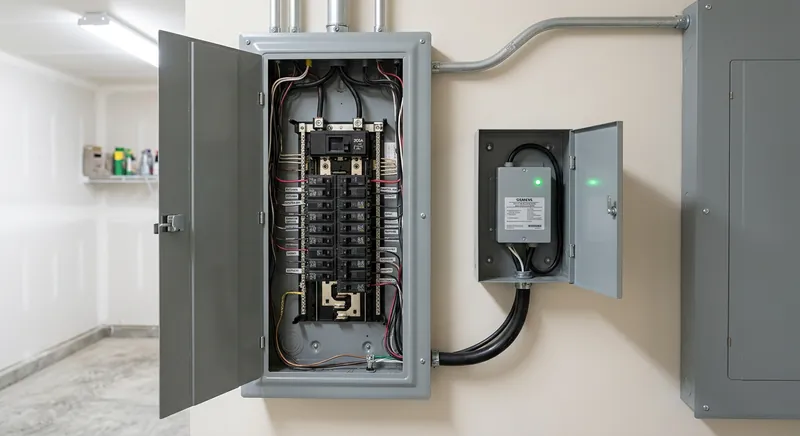
Compare whole-house surge protectors for your electrical panel. Understand joule ratings, kA surge current, response time, LED status, NEMA ratings, and installation.
Get Smarter About Your Home
Receive practical buying guides, product comparisons, maintenance tips and home project ideas from HomeGear Guide.
You can unsubscribe at any time.