Best Solar Generators for Clean, Quiet Portable Power
Affiliate Disclosure: HomeGear Guide is reader-supported. When you buy through links on our site, we may earn an affiliate commission at no extra cost to you. We do not accept paid product placements or sponsor-biased reviews.
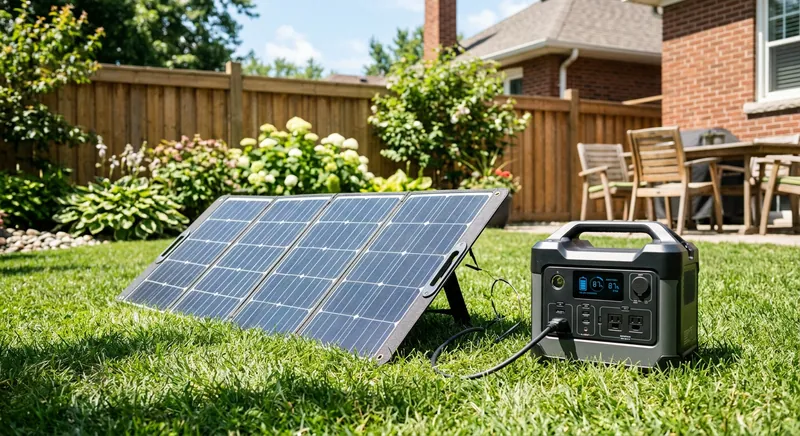
A solar generator — more accurately a portable power station paired with solar panels — offers something a gas generator cannot: silent, emission-free power that you can use indoors and recharge with sunlight. That makes them compelling for camping, apartment dwellers who cannot run a gas generator, and anyone who wants backup power without the noise, fumes, and fuel storage that combustion generators require. The trade-off is capacity and recharge time. A solar generator stores a fixed amount of energy in its battery, and once it is depleted, recharging from solar panels can take many hours depending on sunlight and panel wattage. Understanding the relationship between battery capacity (watt-hours), inverter output (watts), solar input, and battery chemistry is the key to choosing a solar generator that will actually meet your needs rather than leaving you in the dark.
Quick Answer
For most homeowners seeking portable solar power, a 1,000 to 2,000 watt-hour power station paired with 200 to 400 watts of solar panels is the best choice because it provides enough capacity to run a refrigerator for 8 to 15 hours, charge phones and laptops dozens of times, and power lights and small appliances during an outage, while remaining portable enough for camping and outdoor use. LiFePO4 battery chemistry is strongly preferred over NMC because it lasts 2,000 to 3,500 charge cycles versus 500 to 1,000, meaning a 10-plus year lifespan versus 3 to 5 years. A pure sine wave inverter is essential for safely running electronics and appliances. The main trade-off is capacity versus recharge time, as a 2,000 Wh station takes 5 to 10 hours to recharge from 400 watts of solar panels in good conditions. AC charging from a wall outlet is 3 to 5 times faster. Expandable battery systems allow capacity upgrades without replacing the unit.
Top Picks at a Glance
1000Wh Solar Generator Kit
500Wh Portable Power Station
2000Wh Solar Generator
300Wh Power Station
Product Comparison
| Product | Best For | Battery Capacity | Inverter Output | Solar Input | Price Range | Details |
|---|---|---|---|---|---|---|
1000Wh Solar Generator Kit Best Overall | Balanced capacity and portability with solar charging | 1000Wh (1kWh) | 1000W continuous / 2000W surge | 100–200W typical panel input | $700–$1,200 | View Review ↓ |
500Wh Portable Power Station Best for Portability | Lightweight power for camping and day trips | 500Wh | 500–600W continuous / 1000W surge | 50–100W with compatible panel | $300–$500 | View Review ↓ |
2000Wh Solar Generator Best for Home Backup | Extended home backup and off-grid power | 2000Wh (2kWh) | 2000W continuous / 4000W surge | 200–400W with compatible panels | $1,200–$2,000 | View Review ↓ |
300Wh Power Station Best Value | Entry-level portable power at a low price | 300Wh | 300W continuous / 600W surge | 30–60W with compatible panel | $150–$300 | View Review ↓ |
1000Wh Solar Generator Kit
Best Overall- Best For:
- Balanced capacity and portability with solar charging
- Battery Capacity:
- 1000Wh (1kWh)
- Inverter Output:
- 1000W continuous / 2000W surge
- Solar Input:
- 100–200W typical panel input
- Price Range:
- $700–$1,200
500Wh Portable Power Station
Best for Portability- Best For:
- Lightweight power for camping and day trips
- Battery Capacity:
- 500Wh
- Inverter Output:
- 500–600W continuous / 1000W surge
- Solar Input:
- 50–100W with compatible panel
- Price Range:
- $300–$500
2000Wh Solar Generator
Best for Home Backup- Best For:
- Extended home backup and off-grid power
- Battery Capacity:
- 2000Wh (2kWh)
- Inverter Output:
- 2000W continuous / 4000W surge
- Solar Input:
- 200–400W with compatible panels
- Price Range:
- $1,200–$2,000
300Wh Power Station
Best Value- Best For:
- Entry-level portable power at a low price
- Battery Capacity:
- 300Wh
- Inverter Output:
- 300W continuous / 600W surge
- Solar Input:
- 30–60W with compatible panel
- Price Range:
- $150–$300
Detailed Product Reviews & Specifications
1000Wh Solar Generator Kit
A 1000-watt-hour solar generator kit that bundles a mid-capacity power station with one or two solar panels for off-grid charging. Provides enough stored energy to run a CPAP machine overnight, charge phones and laptops many times over, or power a mini fridge for several hours, with a pure sine wave inverter safe for electronics.
Pros
- •Enough capacity for overnight CPAP, device charging, or small appliances
- •Includes solar panel(s) for off-grid recharging
- •Pure sine wave inverter is safe for sensitive electronics
- •Silent and emission-free — safe to use indoors
Cons
- •Solar recharge time can be a full day in suboptimal sunlight
- •Heavier than small power stations — roughly 25–30 pounds
- •Cannot run high-wattage appliances like microwaves or heaters for long
Key Specifications
500Wh Portable Power Station
A 500-watt-hour portable power station designed for maximum portability. Light enough to carry on a hike or pack in an RV, it provides enough capacity for phone and laptop charging, running LED lights, or powering a small fan overnight. Solar charging is available with a compatible panel.
Pros
- •Lightweight and compact — often under 15 pounds
- •Easy to carry for camping, hiking, or tailgating
- •Silent operation safe for indoor and tent use
- •Multiple outlets including AC, USB, and 12V
Cons
- •Limited capacity — not enough for appliances or extended outages
- •May use NMC chemistry with shorter cycle life than LiFePO4
- •Solar panel often sold separately from the station
Key Specifications
2000Wh Solar Generator
A 2000-watt-hour solar generator with high inverter output, designed for extended backup and off-grid use. Can run a refrigerator for most of a day, power a CPAP machine for multiple nights, or run a microwave briefly. The larger battery and higher inverter output make it the most capable solar generator for home backup scenarios.
Pros
- •Large capacity supports refrigerators and larger appliances for hours
- •High inverter output can handle motor starts and brief high-wattage loads
- •LiFePO4 chemistry offers long cycle life
- •Solar and AC charging options for flexible recharging
Cons
- •Heavy — often 50+ pounds, limiting portability
- •Highest price among solar generators
- •Solar recharge from empty can take more than a day with standard panels
Key Specifications
300Wh Power Station
A 300-watt-hour power station that offers the lowest cost entry into portable solar-rechargeable power. Small enough to fit in a backpack, it provides enough capacity to charge a phone several times, run a laptop for a few hours, or power LED lights for an evening. A good first step for anyone curious about solar generators.
Pros
- •Lowest price point for solar-rechargeable power
- •Small and lightweight — under 10 pounds typically
- •Silent and safe for indoor use
- •Good for phone and laptop charging and small LED lights
Cons
- •Very limited capacity — cannot run appliances
- •Often uses NMC chemistry with shorter lifespan
- •Inverter output may not handle motorized devices
Key Specifications
Understanding Battery Capacity in Watt-Hours
Battery capacity in a solar generator is measured in watt-hours (Wh). One watt-hour means the battery can supply one watt of power for one hour. A 1000Wh battery can theoretically run a 100W device for 10 hours, though in practice you lose roughly 10–15% to inverter inefficiency, so expect closer to 8.5 hours.
To estimate how long a solar generator will run a specific device, divide the watt-hour capacity by the device's wattage, then subtract about 15% for inefficiency. A refrigerator that averages 150W would run for roughly 5.5 hours on a 1000Wh battery. A phone drawing 10W would charge many times over.
The important reality check is that solar generators store a finite amount of energy. Unlike a gas generator that runs as long as you feed it fuel, a solar generator is done when the battery is empty. For outage use, think about how many watt-hours you need per day and whether your solar panels can replenish that during daylight hours.
Inverter Output and Solar Input Explained
Inverter output, measured in watts, is the maximum power the solar generator can deliver at any moment. This determines what you can plug in. A 1000W inverter can run a device drawing 1000W, but if a motorized appliance needs a 2000W starting surge, the inverter must be able to deliver that surge or it will shut down. Check both continuous and surge ratings.
Solar input is how fast you can recharge the battery from solar panels, measured in watts. A 100W solar panel under full sun delivers roughly 100W to the battery, meaning a 1000Wh battery would take about 10–12 hours of ideal sun to recharge from empty. Real-world conditions — clouds, panel angle, season, and latitude — reduce this significantly.
Some solar generators support higher solar input (400W or more) by accepting multiple panels in parallel. If fast solar recharging matters to you, check the maximum solar input wattage and buy enough panels to reach it. A large battery with a small panel takes a very long time to recharge.
AC Charging vs Solar Charging
Most solar generators can also recharge from a wall outlet (AC charging), which is much faster than solar — often 1–3 hours from empty to full. This is useful before an outage or for day-to-day use, but during an extended outage with no grid power, solar is your only recharge option. Some models also support car charging from a 12V outlet, which is slower than AC but useful for road trips and RVs.
LiFePO4 vs NMC Battery Chemistry
The two dominant battery chemistries in solar generators are lithium iron phosphate (LiFePO4, also called LFP) and nickel manganese cobalt (NMC). The chemistry matters because it affects lifespan, safety, and weight.
LiFePO4 batteries typically last 2,000–3,500 charge cycles before degrading to about 80% of original capacity. That translates to years of daily use. They are also more thermally stable and less prone to thermal runaway than NMC. The trade-off is that LiFePO4 is slightly heavier and bulkier for the same capacity.
NMC batteries are lighter and more energy-dense, which is why they are common in smaller, portable power stations. They typically last 500–1,000 cycles. For occasional use — a few camping trips a year — NMC is fine. For daily or frequent use, or for a backup you want to rely on for years, LiFePO4's longer lifespan makes it the better long-term choice. Most newer solar generators at 1000Wh and above now use LiFePO4.
Outlets and Realistic Use Cases
Check the outlet configuration before buying. Most solar generators offer a mix of AC outlets (household plugs), USB-A and USB-C ports, and a 12V car-style outlet. Some include a wireless charging pad on top. The number and type of AC outlets determines how many devices you can run simultaneously.
For camping and device charging, USB ports and one or two AC outlets are usually sufficient. For home backup, look for multiple AC outlets and preferably a 12V or Anderson port for accessories. If you want to run an appliance with a standard plug, make sure the inverter output is sufficient for both the running and starting watts.
A solar generator is not a replacement for a gas or standby generator for whole-home backup. It is best suited for essentials — phones, laptops, lights, CPAP, and a refrigerator for a limited time. Understanding this limitation up front prevents the disappointment of expecting a 1000Wh battery to power your entire house.
Generator Size & Appliance Wattage Calculator
Tally running watts and surge starting watts across your home appliances to select the right generator size for emergency outages.
Frequently Asked Questions
Recharge time depends on battery capacity, solar panel wattage, and sunlight conditions. As a rough guide, a 1000Wh battery with a 100W panel takes about 10–12 hours of direct sun to recharge from empty. With a 200W panel, that drops to 5–6 hours. Cloudy weather, poor panel angle, and winter sun all extend recharge times significantly. For faster solar recharging, use multiple panels up to the generator's maximum solar input rating.
Final Verdict
For most buyers, a 1000Wh solar generator kit hits the sweet spot of capacity, portability, and value — enough stored energy for overnight CPAP, device charging, or a few hours of refrigerator runtime, with included solar panels for off-grid recharging. If portability is your priority, a 500Wh station is light enough to carry anywhere. For serious home backup where you want to run a refrigerator for a full day, a 2000Wh solar generator is the most capable option. And for a low-cost entry into solar-rechargeable power, a 300Wh station covers device charging without a big investment. Match the battery capacity to your actual daily energy needs, choose LiFePO4 for longevity, and buy enough solar panel wattage to recharge in a reasonable time.
Emily Ross
Smart Home & Energy Writer
Emily researches smart home technology, home energy systems, and backup power solutions for HomeGear Guide. Her work focuses on helping homeowners understand how connected devices and energy products compare and what to look for before investing.
Related Articles & Buying Guides
 Home Energy & Backup Power
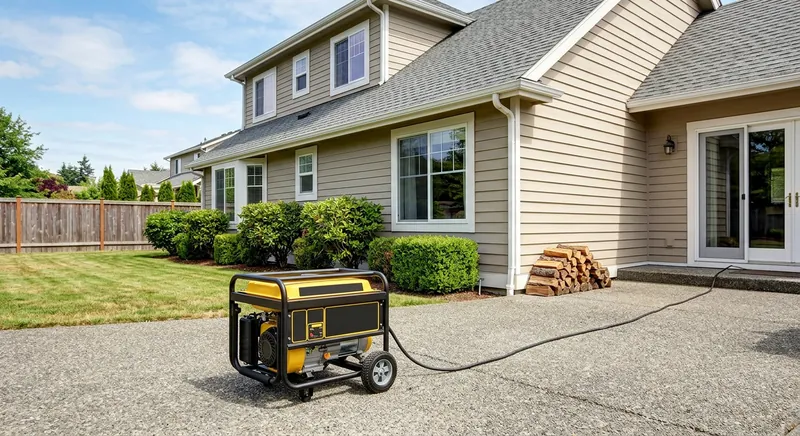
Best Portable Generators for Home Backup and Outdoor Use
Compare portable generators by running watts, surge capacity, dual-fuel options, and clean inverter power to keep your essential household circuits running during outages.
 Home Energy & Backup Power
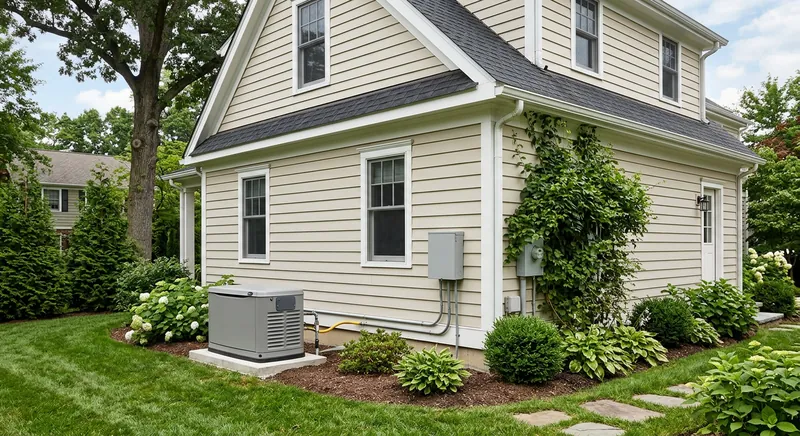
Best Home Standby Generators for Automatic Whole-Home Backup
Compare automatic home standby generators by kW capacity, fuel supply, transfer equipment, and installation requirements to keep your whole home powered during outages.
 Home Energy & Backup Power
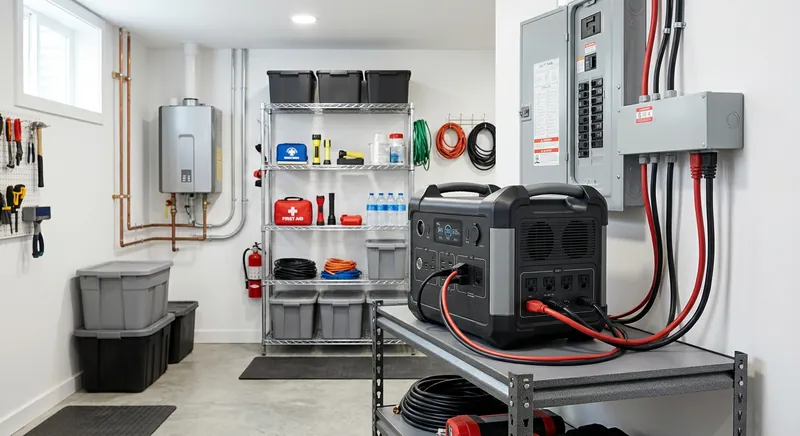
Best Battery Power Stations for Home Backup and Portable Power
Compare battery power stations for home backup and portable use. Understand capacity in watt-hours, AC output, battery chemistry, charging options, and UPS functionality.
 Home Energy & Backup Power
Best Solar Panels for Home Rooftop and Ground Installations
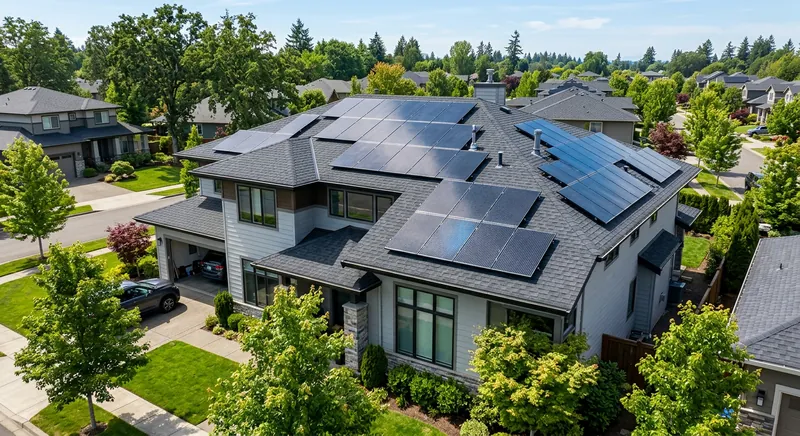
Compare residential solar panels for home rooftop and ground installations. Understand wattage, efficiency, monocrystalline vs polycrystalline, temperature coefficient, warranty, and degradation rate.
Get Smarter About Your Home
Receive practical buying guides, product comparisons, maintenance tips and home project ideas from HomeGear Guide.
You can unsubscribe at any time.