Portable Generator Safety: Carbon Monoxide Risks and Safe Operation
Affiliate Disclosure: HomeGear Guide is reader-supported. When you buy through links on our site, we may earn an affiliate commission at no extra cost to you. We do not accept paid product placements or sponsor-biased reviews.
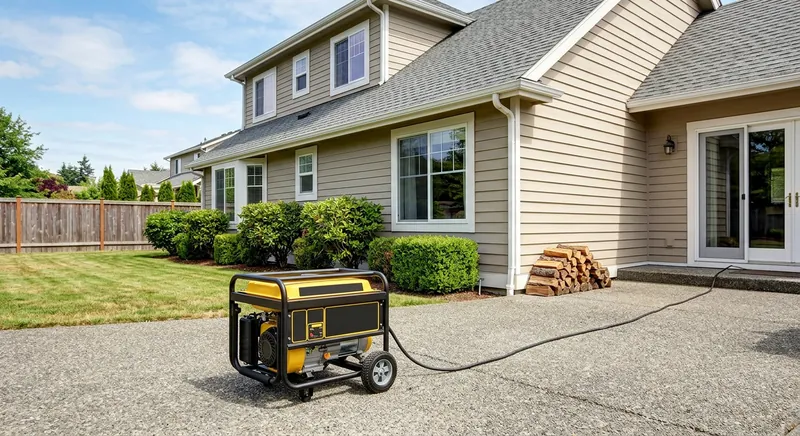
Portable generators save lives during power outages by keeping refrigerators, medical equipment, and heating systems running. But they also take lives when used incorrectly. According to the Consumer Product Safety Commission (CPSC), portable generators are responsible for more carbon monoxide deaths than any other consumer product. The CDC reports that carbon monoxide from portable generators kills approximately 70 to 100 people in the United States each year and sends thousands more to emergency rooms. Carbon monoxide is colorless, odorless, and tasteless — you cannot detect it without a CO alarm, and by the time symptoms appear, you may be too disoriented to escape. The tragedy is that virtually every one of these deaths is preventable. Based on our research into CPSC and CDC guidance, safe generator operation comes down to four principles: understanding the carbon monoxide risk, placing the generator correctly, using a transfer switch for home connection, and avoiding the dangerous mistakes that cause poisoning and injury.
Quick Answer
Portable generators must NEVER be used indoors, in a garage, in a basement, in a crawl space, or near windows, doors, or vents — even with doors and windows open. Carbon monoxide from a portable generator can kill within minutes, and opening windows or doors does not make an indoor space safe. Based on CPSC and CDC guidance, a portable generator must be placed at least 20 feet from the home, with the exhaust directed away from any building, and at least one battery-operated carbon monoxide alarm must be installed in the home near sleeping areas. For safe home connection, a transfer switch installed by a licensed electrician is required — never connect a generator to your home wiring by plugging it into a wall outlet, a practice called backfeeding, which is illegal, can kill utility workers, and can destroy your generator and home electronics. Always use a transfer switch, always operate outdoors at least 20 feet away, and always maintain working CO alarms.
Understanding Carbon Monoxide Risks
Carbon monoxide (CO) is a byproduct of combustion, and portable generators produce large amounts of it. A single portable generator produces as much carbon monoxide as hundreds of idling cars. CO is colorless, odorless, and tasteless — you cannot see it, smell it, or taste it. When inhaled, CO replaces oxygen in the blood, depriving the brain and heart of oxygen. Early symptoms of CO poisoning include headache, dizziness, nausea, and confusion, which progress to loss of consciousness, brain damage, and death as exposure continues.
The CPSC reports that portable generators are associated with more CO deaths than any other consumer product. The danger is amplified by the fact that generators are most often used during storms and power outages — situations where people may already be stressed, where ventilation may be compromised, and where emergency response may be delayed. The CDC notes that many CO deaths from generators occur during winter storms when people use generators to power heating equipment, and during hurricane season when extended outages lead people to take risks with generator placement.
A critical misconception is that opening windows and doors makes it safe to run a generator indoors or in a garage. It does not. The CPSC and CDC are unequivocal: there is no safe way to operate a portable generator indoors, in a garage, or in any enclosed or partially enclosed space. The volume of CO produced by a generator overwhelms any ventilation a homeowner can create. Even a generator running in an attached garage with the garage door open can produce lethal CO levels inside the home within minutes.
Safe Generator Placement Outdoors
The CPSC and CDC recommend placing a portable generator at least 20 feet from the home, with the exhaust directed away from any building, including neighboring homes. The 20-foot rule is a minimum — farther is always better. Place the generator on a dry, level surface, and protect it from rain with a purpose-built generator tent or canopy that allows adequate ventilation. Never operate a generator in wet conditions without protection, as water and electricity create an electrocution hazard.
Direct the exhaust away from windows, doors, vents, and air intakes. CO can enter a home through open windows, doors, HVAC intakes, and even small gaps around windows and doors. Even if the generator is 20 feet away, if the exhaust is directed toward a window, CO can enter the home at dangerous concentrations. Wind direction matters — place the generator downwind of the home when possible.
Install battery-operated carbon monoxide alarms on every level of the home and near sleeping areas, as recommended by the CPSC and CDC. Test the alarms monthly and replace the batteries annually. If a CO alarm sounds, evacuate the home immediately, call 911, and do not re-enter until emergency responders have confirmed the air is safe. CO alarms are the last line of defense — they are not a substitute for safe generator placement.
Transfer Switch Requirements for Safe Home Connection
The only safe way to connect a portable generator to your home's electrical system is through a manual transfer switch installed by a licensed electrician. A transfer switch isolates the generator power from the utility grid, preventing backfeeding — the dangerous practice of feeding generator power back into the utility lines through your home wiring. Backfeeding can electrocute utility workers who are restoring power, destroy your generator, damage your home electronics, and is illegal in every jurisdiction.
Never connect a generator to your home by plugging it into a wall outlet. This practice, called backfeeding, sends power from the generator through your home wiring and back out to the utility grid through the electric meter. A utility worker touching a line that you have energized through backfeeding can be killed instantly. Backfeeding can also destroy your generator when utility power is restored and collides with your generator output, and it can cause fires and damage to electronics in your home.
A transfer switch is installed next to your electrical panel and connects to specific circuits you want to power during an outage. When utility power fails, you start the generator, plug it into the transfer switch inlet box, and switch the transfer switch to generator power. This safely isolates the selected circuits from the utility grid. A transfer switch installed by a licensed electrician typically costs $250 to $500, plus the generator inlet box and power cord. This is a modest investment compared to the cost of a life, a lawsuit, or a destroyed home.
Common Dangerous Mistakes to Avoid
Running a generator indoors or in a garage is the most dangerous mistake — and the most common cause of CO deaths. The CPSC and CDC are clear: there is no safe indoor use of a portable generator. Not in a garage with the door open. Not in a basement with windows open. Not in a crawl space. Not near an open window. Generators produce lethal amounts of carbon monoxide that no amount of ventilation can make safe. Always operate at least 20 feet from the home, outdoors, with exhaust directed away.
Backfeeding — plugging a generator into a wall outlet to power the home — is the second most dangerous mistake. It can kill utility workers, destroy equipment, and cause fires. The only safe connection is through a transfer switch installed by a licensed electrician. Never attempt to connect a generator to your home wiring without a transfer switch.
Refueling a hot or running generator is a fire hazard. Gasoline spilled on a hot engine can ignite instantly. Always shut the generator down and let it cool for at least 5 minutes before refueling. Never refuel indoors or near ignition sources. Store fuel only in approved containers, in a well-ventilated area away from living spaces.
Overloading the generator by connecting more devices than it can handle can damage the generator and your appliances. Calculate the total running and starting watts of everything you want to power and ensure the generator's rated output exceeds that total by at least 15 to 20 percent. Using a generator in wet conditions without protection creates an electrocution risk. Use a purpose-built generator tent or canopy, and never touch a generator with wet hands.
Generator Size & Appliance Wattage Calculator
Tally running watts and surge starting watts across your home appliances to select the right generator size for emergency outages.
Safety & Compliance Notice
Portable generators produce deadly carbon monoxide. NEVER operate a generator indoors, in a garage, in a basement, or near windows or doors. Always operate at least 20 feet from the home with exhaust directed away. Always use a transfer switch for home connection — never backfeed. Install and maintain carbon monoxide alarms near sleeping areas. Following CPSC and CDC guidance saves lives.
Frequently Asked Questions
No. Never run a portable generator in a garage, basement, crawl space, or any enclosed or partially enclosed space — even with the door open. The CPSC and CDC are unequivocal: there is no safe way to operate a portable generator indoors. Carbon monoxide from a generator can reach lethal levels within minutes, and opening doors or windows does not make it safe. Always operate a generator at least 20 feet from the home, outdoors, with exhaust directed away.
Final Verdict
Portable generator safety is not optional — it is a matter of life and death. The CPSC reports that portable generators cause more carbon monoxide deaths than any other consumer product, and virtually every one of these deaths is preventable. The rules are simple and non-negotiable: never operate a generator indoors, in a garage, or near windows — always at least 20 feet from the home with exhaust directed away. Always use a transfer switch installed by a licensed electrician for home connection — never backfeed. Always install and maintain carbon monoxide alarms near sleeping areas. Always let the generator cool before refueling. Always use a generator in dry conditions or with a purpose-built protective cover. Following these rules ensures that your generator provides the backup power you need without endangering your family, your neighbors, or the utility workers who restore power to your community.
Emily Ross
Smart Home & Energy Writer
Emily researches smart home technology, home energy systems, and backup power solutions for HomeGear Guide. Her work focuses on helping homeowners understand how connected devices and energy products compare and what to look for before investing.
Related Articles & Buying Guides
Home Energy & Backup PowerBest Portable Generators for Home Backup and Outdoor Use
Compare portable generators by running watts, surge capacity, dual-fuel options, and clean inverter power to keep your essential household circuits running during outages.
 Home Energy & Backup Power
Best Home Standby Generators for Automatic Whole-Home Backup
Compare automatic home standby generators by kW capacity, fuel supply, transfer equipment, and installation requirements to keep your whole home powered during outages.
 Home Energy & Backup Power
Best Solar Generators for Clean, Quiet Portable Power
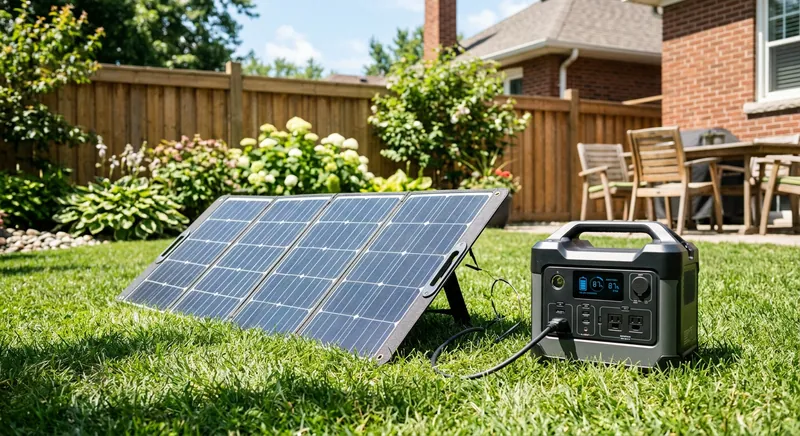
Compare solar generators for clean, quiet portable power. Understand battery capacity in watt-hours, inverter output, solar input, charge time, and LiFePO4 vs NMC chemistry.
 Smart Home
Best Smart Smoke Detectors for Early Warning and Alerts
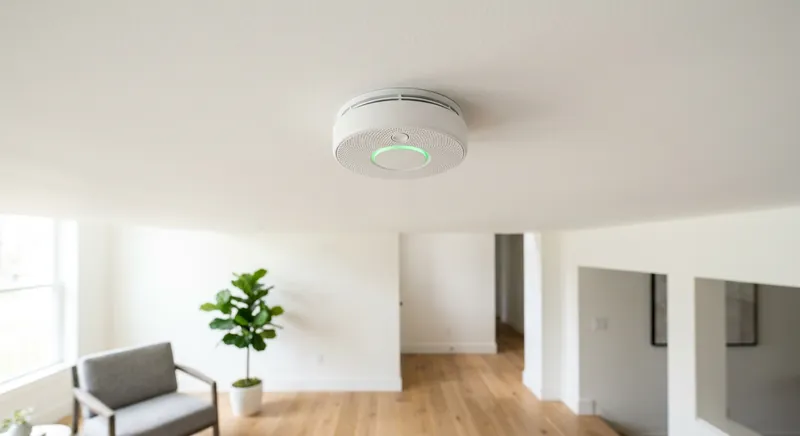
Compare hardwired, battery, and voice-alert smart smoke detectors. Understand ionization vs photoelectric sensors, CO detection, wireless interconnectivity, and app alerts.
 Home Energy & Backup Power
Best Battery Power Stations for Home Backup and Portable Power
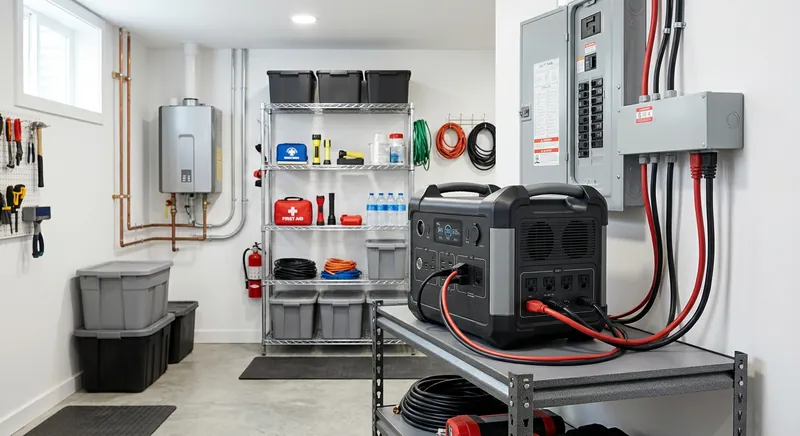
Compare battery power stations for home backup and portable use. Understand capacity in watt-hours, AC output, battery chemistry, charging options, and UPS functionality.
Get Smarter About Your Home
Receive practical buying guides, product comparisons, maintenance tips and home project ideas from HomeGear Guide.
You can unsubscribe at any time.