Best Smart Smoke Detectors for Early Warning and Alerts
Affiliate Disclosure: HomeGear Guide is reader-supported. When you buy through links on our site, we may earn an affiliate commission at no extra cost to you. We do not accept paid product placements or sponsor-biased reviews.
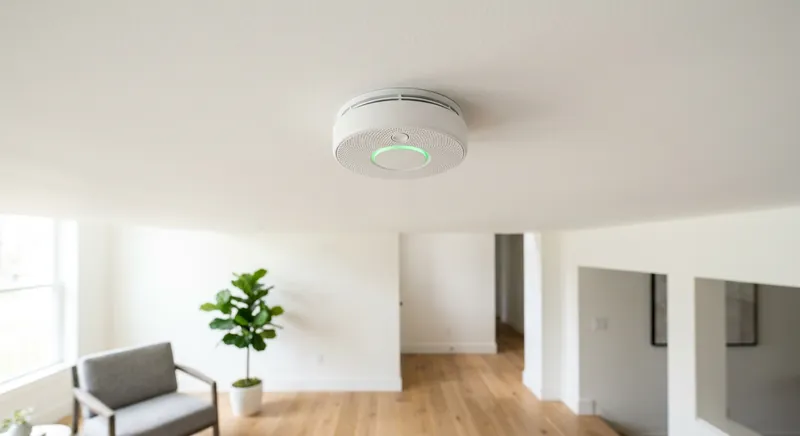
A smart smoke detector does everything a standard smoke alarm does — sounds a loud alarm when it detects smoke — and adds the ability to send alerts to your phone when you are not home, distinguish between smoke and steam, and interconnect wirelessly with other detectors so that when one alarms, they all do. For anyone who has ever been away from home and wondered whether that burnt-toast smell was actually a problem, or who has been jolted awake by a false alarm and had to track down which detector was triggered, the added features are genuinely useful. But a smart smoke detector is a life-safety device, which means the sensor type, power source, and interconnectivity method matter more than app features. Understanding the differences helps you choose detectors that not only connect to your phone but also detect fires reliably and meet your local building code requirements.
Quick Answer
For most homeowners, a hardwired smart smoke detector with a 10-year sealed battery backup, dual photoelectric and ionization sensors, and wireless interconnectivity is the best choice because it provides the most reliable fire detection across both smoldering and flaming fires, eliminates battery replacement for a decade, and ensures all alarms sound simultaneously when one triggers. Hardwired detectors with battery backup are required by building code in new construction and many renovations. Photoelectric sensors respond faster to smoldering fires common in upholstered furniture, while ionization sensors detect flaming fires faster. Dual-sensor models combine both for comprehensive protection. The main trade-off is cost versus sensor coverage, as dual-sensor smart detectors cost 50 to 100 percent more than single-sensor models. Interconnectivity via Wi-Fi is simpler than wired interconnect but requires consistent network reliability. CO detection is a valuable combined feature for homes with fuel-burning appliances.
Top Picks at a Glance
Hardwired Smart Smoke + CO Alarm
Battery-Operated Smart Smoke Alarm
Smart Smoke Detector with Voice Alert
Budget Smart Smoke Alarm
Product Comparison
| Product | Best For | Sensor Type | CO Detection | Power Source | Interconnectivity | Price Range | Details |
|---|---|---|---|---|---|---|---|
Hardwired Smart Smoke + CO Alarm Best Overall | Comprehensive protection with smoke and carbon monoxide detection | Dual (photoelectric + ionization or split-spectrum) | Yes (electrochemical sensor) | Hardwired with battery backup | Wireless with compatible models | $80–$130 | View Review ↓ |
Battery-Operated Smart Smoke Alarm Best for Wireless | Wireless installation without existing wiring | Photoelectric or dual | Varies by model — some include CO | Battery (AA or sealed long-life) | Wireless with compatible models | $60–$100 | View Review ↓ |
Smart Smoke Detector with Voice Alert Best for Families | Families with children and multi-hazard warnings | Dual (smoke + CO) | Yes | Hardwired with battery backup or battery | Wireless with compatible models | $90–$130 | View Review ↓ |
Budget Smart Smoke Alarm Best Value | Basic smart smoke detection at a low cost | Photoelectric or ionization (single) | Typically no | Battery or hardwired depending on model | Wireless with same-brand models (limited) | $40–$70 | View Review ↓ |
Hardwired Smart Smoke + CO Alarm
Best Overall- Best For:
- Comprehensive protection with smoke and carbon monoxide detection
- Sensor Type:
- Dual (photoelectric + ionization or split-spectrum)
- CO Detection:
- Yes (electrochemical sensor)
- Power Source:
- Hardwired with battery backup
- Interconnectivity:
- Wireless with compatible models
- Price Range:
- $80–$130
Battery-Operated Smart Smoke Alarm
Best for Wireless- Best For:
- Wireless installation without existing wiring
- Sensor Type:
- Photoelectric or dual
- CO Detection:
- Varies by model — some include CO
- Power Source:
- Battery (AA or sealed long-life)
- Interconnectivity:
- Wireless with compatible models
- Price Range:
- $60–$100
Smart Smoke Detector with Voice Alert
Best for Families- Best For:
- Families with children and multi-hazard warnings
- Sensor Type:
- Dual (smoke + CO)
- CO Detection:
- Yes
- Power Source:
- Hardwired with battery backup or battery
- Interconnectivity:
- Wireless with compatible models
- Price Range:
- $90–$130
Budget Smart Smoke Alarm
Best Value- Best For:
- Basic smart smoke detection at a low cost
- Sensor Type:
- Photoelectric or ionization (single)
- CO Detection:
- Typically no
- Power Source:
- Battery or hardwired depending on model
- Interconnectivity:
- Wireless with same-brand models (limited)
- Price Range:
- $40–$70
Detailed Product Reviews & Specifications
Hardwired Smart Smoke + CO Alarm
A hardwired smart smoke and carbon monoxide detector that connects to your home's electrical system with battery backup. Provides phone alerts, wireless interconnectivity with compatible detectors, and split-spectrum sensor technology that detects both slow smoldering and fast flaming fires.
Pros
- •Detects both smoke and carbon monoxide in one unit
- •Hardwired with battery backup for continuous operation
- •Wireless interconnectivity — all linked alarms sound together
- •Phone alerts when you are away from home
Cons
- •Requires hardwiring to existing junction box
- •More expensive than standard smoke alarms
- •Professional installation may be needed if no existing wiring
Key Specifications
Battery-Operated Smart Smoke Alarm
A battery-operated smart smoke detector that requires no wiring. Installs on any ceiling with included hardware. Connects to Wi-Fi for phone alerts and wirelessly interconnects with other compatible battery-operated smart detectors in the home.
Pros
- •No wiring required — installs on any ceiling
- •Wireless interconnectivity with compatible battery detectors
- •Phone alerts when smoke is detected and you are away
- •Simple installation with included mounting hardware
Cons
- •Batteries require periodic replacement
- •No continuous power — dead batteries disable the detector
- •Some models use proprietary batteries that are harder to find
Key Specifications
Smart Smoke Detector with Voice Alert
A smart smoke detector that announces the type and location of the hazard with a voice alert before the alarm sounds. Speaks warnings such as "Smoke in kitchen" or "Carbon monoxide in bedroom," helping family members — especially children — identify the danger and its location quickly.
Pros
- •Voice alert identifies hazard type and location before the siren
- •Children respond better to voice warnings than tones alone
- •Distinguishes between smoke and carbon monoxide warnings
- •Wireless interconnectivity with compatible detectors
Cons
- •Higher price than basic smart smoke alarms
- •Voice feature is most effective with multiple units installed
- •Some models are hardwired only — check power source
Key Specifications
Budget Smart Smoke Alarm
An affordable smart smoke detector that provides phone alerts and basic smart features at a lower price than premium models. Typically covers smoke detection only (no CO) and offers fewer advanced features like voice alerts or split-spectrum sensing.
Pros
- •Lowest cost among smart smoke detectors
- •Phone alerts for smoke detection when away from home
- •Available in battery-operated versions for easy installation
- •Basic wireless interconnectivity with same-brand models
Cons
- •May detect smoke only — no carbon monoxide detection
- •Fewer sensor types and features than premium models
- •Limited smart features compared to higher-priced alternatives
Key Specifications
Ionization vs Photoelectric vs Dual Sensors
Smoke detectors use two primary sensor technologies, and each is better at detecting different types of fires. Ionization sensors are more responsive to fast-flaming fires — the kind that spread quickly with visible flames, such as grease fires or paper fires. Photoelectric sensors are more responsive to slow, smoldering fires — the kind that produce a lot of smoke before flames appear, such as upholstered furniture or electrical fires.
Because both fire types occur in homes, the safest choice is a detector with both sensor technologies — either a dual-sensor detector that includes both ionization and photoelectric sensors, or a split-spectrum detector that uses a single sensor to detect both fire types. Single-sensor detectors are less expensive but leave a gap in protection for one fire type.
If you must choose one sensor type, photoelectric is generally the better single choice. Smoldering fires are more common in homes and produce dangerous levels of smoke and gases before flames develop, and photoelectric sensors are less prone to false alarms from cooking steam and shower vapor. However, dual-sensor or split-spectrum detectors provide the most complete protection.
Carbon Monoxide Detection
Many smart smoke detectors also include a carbon monoxide (CO) sensor. CO is a colorless, odorless gas produced by fuel-burning appliances — furnaces, water heaters, stoves, and attached-vehicle exhaust. A combined smoke and CO detector reduces the number of devices you need to install and ensures both hazards are monitored in each location. If your smart smoke detector does not include CO detection, install a separate CO detector on each level and near sleeping areas.
Interconnectivity: Wired vs Wireless
Interconnected smoke detectors sound all alarms in the home when any one detector is triggered, giving everyone in the house time to respond regardless of where the fire starts. This is a critical safety feature — a fire in the basement at night needs to wake someone sleeping on the second floor, and a single isolated alarm may not be heard through closed doors and distance.
Hardwired interconnectivity uses physical wiring between detectors. When one triggers, it sends a signal through the wire to all connected detectors. This is the most reliable method and is required by many building codes for new construction and major renovations. Hardwired detectors also include battery backup so they continue to operate during power outages.
Wireless interconnectivity uses radio signals to link compatible detectors without physical wiring. This is valuable for existing homes where running interconnect wiring is impractical. Smart detectors typically use wireless interconnectivity, linking through Wi-Fi or a proprietary radio protocol. When choosing wireless, verify that all detectors in your system are compatible — interconnectivity generally works only within the same brand and product line.
Battery vs Hardwired Power
Hardwired smoke detectors connect to your home's electrical system and include a battery backup for power outages. They provide the most reliable power source and are required by code in many jurisdictions for new construction and when replacing detectors in homes that already have hardwired units. If your home has hardwired detectors, replace them with hardwired smart models — do not downgrade to battery-only.
Battery-operated smoke detectors are the standard for homes without existing hardwired wiring. They install anywhere and are the only option for renters. Smart battery-operated detectors offer the same phone alerts and wireless interconnectivity as hardwired models, with the trade-off of needing periodic battery replacement.
Some battery detectors use sealed, non-replaceable lithium batteries designed to last the full 10-year life of the detector. These eliminate the need to change batteries but require replacing the entire unit when the battery expires. Others use replaceable AA batteries, which are cheaper to maintain but require more frequent attention. Choose based on your preference for maintenance convenience versus long-term cost.
App Alerts, Voice Warnings, and Placement
The primary smart feature of a smart smoke detector is phone alerts. When the detector triggers, you receive a notification on your phone regardless of where you are, so you know about a fire even when you are at work or on vacation. Some detectors also let you silence false alarms from your phone — useful when the kitchen toast alarm goes off and you are in another room.
Voice alert detectors announce the type of hazard and its location with a spoken warning before the alarm sounds. This is particularly valuable for families with children, who may not wake to a traditional alarm tone but respond better to a voice. Program each detector with its location during setup so the voice announcement is specific — "Smoke in kitchen" is more actionable than a generic alarm.
Placement follows the same rules as standard smoke detectors: install one on every level of the home, inside each sleeping area, and outside each sleeping area. Place detectors on the ceiling or high on the wall, at least 10 feet from cooking appliances to reduce false alarms. Follow local fire code requirements, which may specify additional placement rules.
Safety & Compliance Notice
Smart smoke detectors supplement but do not replace compliance with local fire codes and building requirements. Check your local jurisdiction for required detector types, placement, and interconnectivity standards.
Frequently Asked Questions
Most smart smoke detectors meet or exceed UL safety certification standards. However, building codes vary by jurisdiction and may specify requirements for hardwiring, interconnectivity, detector type, and placement. Smart detectors supplement but do not replace compliance with local fire codes. Check your local requirements before installing, especially if replacing hardwired detectors or installing in new construction.
Final Verdict
For most homeowners, a hardwired smart smoke and CO detector with dual-sensor technology provides the most complete protection — it covers both fire types, detects carbon monoxide, interconnects with other detectors, and sends phone alerts when you are away. If your home lacks hardwired wiring, a battery-operated smart smoke alarm offers the same smart features with easier installation. Voice alert models are worth the premium for families with children, as spoken warnings are more effective at waking sleeping kids. Budget smart smoke alarms cover the basics of phone alerts but may lack CO detection and dual sensors. Whatever you choose, follow local fire codes for placement and interconnectivity, test detectors monthly, and replace all smoke detectors every 10 years.
Emily Ross
Smart Home & Energy Writer
Emily researches smart home technology, home energy systems, and backup power solutions for HomeGear Guide. Her work focuses on helping homeowners understand how connected devices and energy products compare and what to look for before investing.
Related Articles & Buying Guides
 Smart Home
Best Home Security Systems for DIY and Professional Monitoring
Compare DIY no-contract, professionally monitored, and self-monitored security systems. Understand sensor types, cellular backup, and smart home integration.
 Smart Home
Best Smart Thermostats for Energy Savings and Comfort
Compare learning and programmable smart thermostats with remote sensors. Understand C-wire requirements, HVAC compatibility, and which features actually save energy.
 Smart Home
Best Smart Home Hubs for Device Control and Automation
Compare Matter-compatible, Z-Wave, voice assistant, and budget smart home hubs. Understand protocol support, voice integration, automation, and local vs cloud processing.
 Smart Home
Best Video Doorbells for Home Security and Package Protection
Compare wired and battery-powered video doorbells. Understand resolution, field of view, storage fees, smart alerts, and which power source fits your home.
Get Smarter About Your Home
Receive practical buying guides, product comparisons, maintenance tips and home project ideas from HomeGear Guide.
You can unsubscribe at any time.