Best Video Doorbells for Home Security and Package Protection
Affiliate Disclosure: HomeGear Guide is reader-supported. When you buy through links on our site, we may earn an affiliate commission at no extra cost to you. We do not accept paid product placements or sponsor-biased reviews.
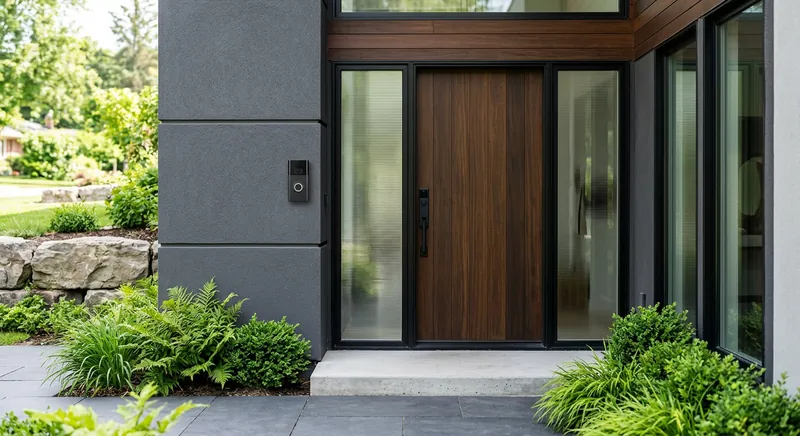
A video doorbell lets you see who is at your front door from anywhere, which is useful whether you are at work, on vacation, or just do not feel like getting up from the couch. Beyond convenience, a video doorbell is one of the most practical security devices for a home — it captures deliveries, visitors, and anyone approaching your porch. But choosing the right one involves more than picking the first model you see. Resolution, field of view, power source, and ongoing storage fees all affect both the upfront cost and the long-term experience. A doorbell that looks great in the store can become frustrating if its battery dies every two weeks or if you have to pay a monthly fee just to review recorded footage.
Quick Answer
For most homeowners, a hardwired 1080p video doorbell with a 160-degree field of view and local storage capability is the best choice because it provides clear enough video for face and package identification, eliminates battery charging every 2 to 4 weeks, and avoids mandatory monthly subscription fees for accessing recorded footage. Night vision with infrared LEDs is essential since many package deliveries and porch activity occur in low light. A 160-degree or wider field of view captures packages placed on the ground and visitors of all heights. Battery-powered doorbells are the practical alternative for homes without existing doorbell wiring, though they require charging every 1 to 3 months. The main trade-off is convenience versus image quality, as 2K and 4K models offer sharper detail but cost 50 to 100 percent more and often require subscription storage. Pre-buffer recording that captures the 3 to 5 seconds before motion triggers is a valuable premium feature.
Top Picks at a Glance
Wired Video Doorbell
Battery Video Doorbell
Budget Doorbell Camera
Premium Doorbell with 3D Motion
Product Comparison
| Product | Best For | Resolution | Field of View | Power Source | Storage | Price Range | Details |
|---|---|---|---|---|---|---|---|
Wired Video Doorbell Best Overall | Reliable, always-on front door monitoring | 1080p or higher | 155–180 degrees | Hardwired (existing doorbell transformer) | Cloud (subscription) or local depending on model | $100–$200 | View Review ↓ |
Battery Video Doorbell Best for Wireless | Homes without existing doorbell wiring | 1080p or higher | 140–160 degrees | Rechargeable battery | Cloud (subscription) or local depending on model | $100–$180 | View Review ↓ |
Budget Doorbell Camera Best Value | Basic video doorbell coverage at a low cost | 720p–1080p | 120–155 degrees | Battery or wired depending on model | Cloud (subscription typically required for recording) | $50–$90 | View Review ↓ |
Premium Doorbell with 3D Motion Best Premium | Advanced motion detection and premium video quality | 1536p or higher | 150–180 degrees | Hardwired (some models offer battery pack) | Cloud (subscription for full feature access) | $180–$250 | View Review ↓ |
Wired Video Doorbell
Best Overall- Best For:
- Reliable, always-on front door monitoring
- Resolution:
- 1080p or higher
- Field of View:
- 155–180 degrees
- Power Source:
- Hardwired (existing doorbell transformer)
- Storage:
- Cloud (subscription) or local depending on model
- Price Range:
- $100–$200
Battery Video Doorbell
Best for Wireless- Best For:
- Homes without existing doorbell wiring
- Resolution:
- 1080p or higher
- Field of View:
- 140–160 degrees
- Power Source:
- Rechargeable battery
- Storage:
- Cloud (subscription) or local depending on model
- Price Range:
- $100–$180
Budget Doorbell Camera
Best Value- Best For:
- Basic video doorbell coverage at a low cost
- Resolution:
- 720p–1080p
- Field of View:
- 120–155 degrees
- Power Source:
- Battery or wired depending on model
- Storage:
- Cloud (subscription typically required for recording)
- Price Range:
- $50–$90
Premium Doorbell with 3D Motion
Best Premium- Best For:
- Advanced motion detection and premium video quality
- Resolution:
- 1536p or higher
- Field of View:
- 150–180 degrees
- Power Source:
- Hardwired (some models offer battery pack)
- Storage:
- Cloud (subscription for full feature access)
- Price Range:
- $180–$250
Detailed Product Reviews & Specifications
Wired Video Doorbell
A wired video doorbell that connects to your existing doorbell transformer for continuous power. No battery charging required. Provides reliable video recording, two-way audio, and motion-activated alerts as long as your existing doorbell wiring is compatible.
Pros
- •Continuous power — no battery to charge
- •Pre-roll recording captures footage before motion events on some models
- •Reliable performance without power management concerns
- •Supports continuous or event-based recording options
Cons
- •Requires compatible existing doorbell wiring and transformer
- •More involved installation than battery models
- •Professional installation may be needed if wiring is outdated
Key Specifications
Battery Video Doorbell
A battery-powered video doorbell that requires no wiring, making it installable on any door frame. The rechargeable battery typically lasts one to several months between charges depending on motion activity and settings.
Pros
- •No wiring required — installs on any doorframe
- •Quick and easy installation with basic tools
- •Battery is removable and rechargeable
- •Works in homes or apartments without doorbell transformers
Cons
- •Battery requires charging every 1–3 months depending on activity
- •Slightly larger profile than wired models
- •May miss a few seconds of footage before waking from sleep on some models
Key Specifications
Budget Doorbell Camera
An affordable video doorbell that covers the essentials — live view, two-way audio, and motion alerts — at a lower price. May have lower resolution or a narrower field of view than premium models but provides core doorbell camera functionality.
Pros
- •Lowest upfront cost among video doorbells
- •Covers essential features — live view, alerts, two-way audio
- •Available in both wired and battery versions
- •Good entry point for first-time smart home users
Cons
- •Lower resolution or narrower field of view than premium models
- •Fewer smart detection features — may alert on all motion, not just people
- •May require a subscription for cloud recording
Key Specifications
Resolution and Field of View
Video resolution determines how much detail your doorbell captures. 1080p is the current standard and is sufficient for identifying faces and reading package labels at typical doorbell distances. Higher resolutions — 1536p or 2K — provide additional detail and sharper digital zoom, which helps when trying to identify someone at the edge of the field of view.
Field of view (FOV) is the area the camera can see, measured in degrees. A wider field of view captures more of your porch and approach area. Look for at least 155 degrees if you want to see packages placed on the ground directly below the doorbell. A narrower FOV may miss items left at the base of your door.
Both resolution and FOV matter, but they work together. A high-resolution camera with a narrow field of view captures sharp detail of a small area, while a lower-resolution camera with a wide FOV captures more area but with less detail. For doorbell use, a wide field of view with at least 1080p resolution is the practical sweet spot.
Battery vs Wired: Choosing Your Power Source
The power source is one of the most important decisions when choosing a video doorbell, and it depends entirely on your home's existing wiring. If you have a working doorbell with a transformer in your walls, a wired doorbell is the better choice — it provides continuous power with no battery to charge and generally offers more reliable performance.
If you do not have existing doorbell wiring — common in older homes, apartments, or homes where the doorbell was never installed — a battery-powered doorbell is the practical option. Battery models install anywhere with a few screws and charge every one to three months depending on how often motion triggers recording.
Some premium models offer both wired and battery operation, giving you flexibility. If you plan to hardwire later, these hybrid models let you start with battery power and switch to wired when an electrician runs the wiring.
Extending Battery Life
Battery doorbells drain faster when motion events are frequent. To extend battery life, set motion zones to exclude the street and sidewalk, reduce motion sensitivity, and enable person-only detection if available. Some models also let you schedule motion detection so it is less active during hours when you are home and expecting traffic.
Cloud Storage and Subscription Fees
Most video doorbells store recorded footage in the cloud, and most require a monthly or annual subscription to access those recordings. Without a subscription, you typically get live view and real-time alerts but cannot review past recordings. This is an important cost factor — a doorbell that costs $100 upfront may cost $30–$60 per year in ongoing subscription fees.
A few doorbells offer local storage via a removable memory card, which eliminates the subscription entirely. Local storage means recordings are saved on the device itself, but footage is lost if the doorbell is stolen or damaged. Cloud storage keeps recordings safe even if the device is taken.
When comparing doorbells, factor in the total cost of ownership over two to three years, including subscription fees. A more expensive doorbell with free local storage may cost less over time than a cheaper doorbell with a required subscription.
Smart Alerts and Motion Detection
Basic doorbell cameras alert on any motion, which means every passing car, blowing branch, or visiting cat triggers a notification. This gets old fast and often leads homeowners to disable notifications entirely — which defeats the purpose of having the doorbell.
Smart motion detection uses software to distinguish people from other motion sources. Person detection means you get alerted when a human approaches, not when a squirrel runs across the porch. Some premium models add package detection, vehicle detection, and even facial recognition for known visitors.
Motion zones are another important feature. They let you define specific areas of the camera's view that trigger alerts, so you can exclude a busy street while still monitoring your porch and walkway. This feature is available on most mid-range and premium doorbells and is worth looking for.
Frequently Asked Questions
Most video doorbells require a subscription for cloud video recording. Without a subscription, you typically get live view and real-time notifications but cannot review or download past recordings. A few models offer local storage via a memory card, which eliminates the need for a subscription. Factor subscription costs into your total cost of ownership.
Final Verdict
For homeowners with existing doorbell wiring, a wired video doorbell is the best choice — it provides continuous power and reliable performance without battery maintenance. If you lack wiring or want a simple install, a battery doorbell is the practical alternative, with the trade-off of periodic charging. Budget doorbells cover the basics but may generate more false alerts and typically require a subscription for recording. Premium models with 3D motion detection are worth considering if false alerts are a frustration and you want the most refined notification experience. Whatever you choose, account for subscription costs when comparing prices, and prioritize smart person detection and adjustable motion zones to keep notifications useful.
Emily Ross
Smart Home & Energy Writer
Emily researches smart home technology, home energy systems, and backup power solutions for HomeGear Guide. Her work focuses on helping homeowners understand how connected devices and energy products compare and what to look for before investing.
Related Articles & Buying Guides
 Smart Home
Best Smart Locks for Keyless Home Entry
Compare Wi-Fi, Bluetooth, and Z-Wave smart locks with keypads and fingerprint readers. Understand deadbolt grades, battery life, and keyless entry options.
 Smart Home
Best Outdoor Security Cameras for Home Monitoring
Compare wire-free, wired PoE, floodlight, and budget outdoor cameras. Understand resolution, night vision, power source, storage options, and IP weather ratings.
 Smart Home
Best Home Security Systems for DIY and Professional Monitoring
Compare DIY no-contract, professionally monitored, and self-monitored security systems. Understand sensor types, cellular backup, and smart home integration.
 Smart Home
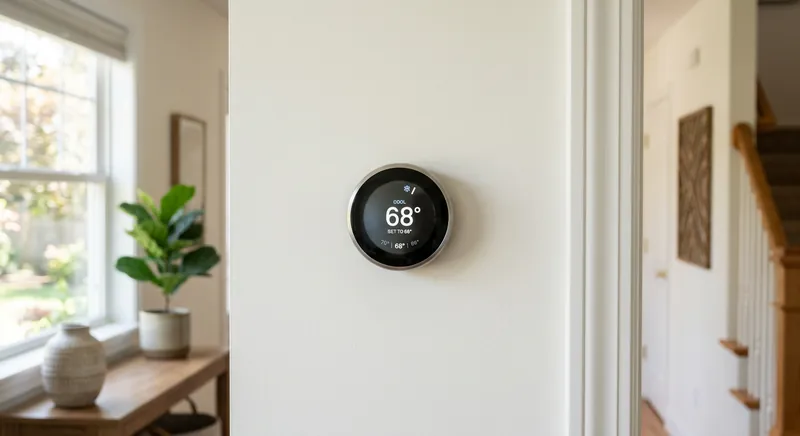
Best Smart Thermostats for Energy Savings and Comfort
Compare learning and programmable smart thermostats with remote sensors. Understand C-wire requirements, HVAC compatibility, and which features actually save energy.
Get Smarter About Your Home
Receive practical buying guides, product comparisons, maintenance tips and home project ideas from HomeGear Guide.
You can unsubscribe at any time.