Best Attic Ladders for Safe Home Access
Affiliate Disclosure: HomeGear Guide is reader-supported. When you buy through links on our site, we may earn an affiliate commission at no extra cost to you. We do not accept paid product placements or sponsor-biased reviews.
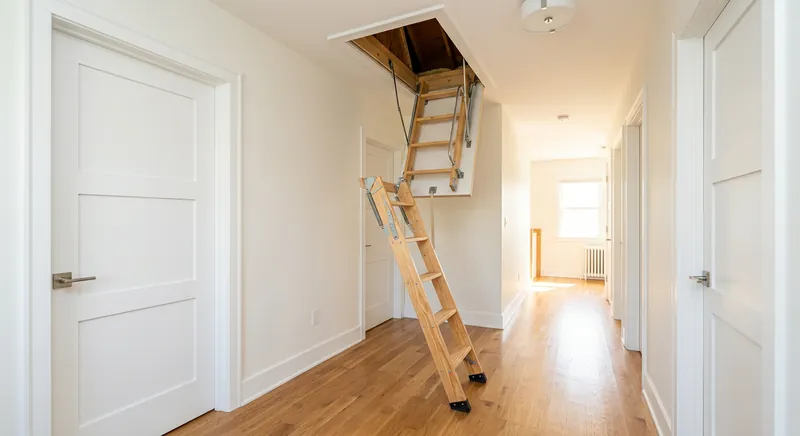
An attic ladder provides convenient access to your attic space without the hassle of setting up and storing a step ladder each time. Modern attic ladders are available in aluminum, wood, and steel, with different weight ratings and rough opening sizes. Choosing the right one involves measuring your ceiling height, verifying your rough opening, and deciding which material suits your needs and budget.
Quick Answer
Aluminum attic ladders are the best choice for most homeowners because they are lightweight, rust-resistant, and easy to operate, with weight capacities ranging from 250 to 375 pounds. They do conduct heat, which is a minor energy concern if your attic is uninsulated. Wood ladders are the most affordable option and do not conduct temperature, making them more energy-efficient, but they are heavier to operate and can warp in humid attic environments. For ceilings above 10 feet, an insulated steel ladder is the only practical option, offering the highest weight capacity and an insulated door panel that reduces energy loss. Telescoping aluminum ladders solve the problem of small or non-standard attic openings where a folding ladder will not fit, though they have lower weight capacities and require careful lock verification.
Top Picks at a Glance
Aluminum Attic Ladder
Wood Attic Ladder
Telescoping Attic Ladder
Insulated Steel Attic Ladder
Product Comparison
| Product | Best For | Material | Weight Capacity | Ceiling Height | Price Range | Details |
|---|---|---|---|---|---|---|
Aluminum Attic Ladder Best Overall | Lightweight, rust-resistant access | Aluminum | 250–375 lbs | 7–10 ft | $150–$300 | View Review ↓ |
Wood Attic Ladder Best Value | Budget-friendly, stable access | Pine or spruce | 250–300 lbs | 7–10 ft | $100–$200 | View Review ↓ |
Telescoping Attic Ladder Best for Small Spaces | Compact storage and small spaces | Aluminum | 250–330 lbs | 7–12 ft (adjustable) | $120–$250 | View Review ↓ |
Insulated Steel Attic Ladder Best for High Ceilings | Energy efficiency and high ceilings | Steel with insulated door | 350–375 lbs | 8–12 ft | $250–$450 | View Review ↓ |
Aluminum Attic Ladder
Best Overall- Best For:
- Lightweight, rust-resistant access
- Material:
- Aluminum
- Weight Capacity:
- 250–375 lbs
- Ceiling Height:
- 7–10 ft
- Price Range:
- $150–$300
Wood Attic Ladder
Best Value- Best For:
- Budget-friendly, stable access
- Material:
- Pine or spruce
- Weight Capacity:
- 250–300 lbs
- Ceiling Height:
- 7–10 ft
- Price Range:
- $100–$200
Telescoping Attic Ladder
Best for Small Spaces- Best For:
- Compact storage and small spaces
- Material:
- Aluminum
- Weight Capacity:
- 250–330 lbs
- Ceiling Height:
- 7–12 ft (adjustable)
- Price Range:
- $120–$250
Insulated Steel Attic Ladder
Best for High Ceilings- Best For:
- Energy efficiency and high ceilings
- Material:
- Steel with insulated door
- Weight Capacity:
- 350–375 lbs
- Ceiling Height:
- 8–12 ft
- Price Range:
- $250–$450
Detailed Product Reviews & Specifications
Aluminum Attic Ladder
A lightweight aluminum folding ladder with a weight capacity of 250–375 lbs. Resistant to humidity and rust, making it ideal for attic environments.
Pros
- •Lightweight and easy to operate
- •Rust-resistant for humid attics
- •Good weight capacity
- •Available in multiple sizes
Cons
- •More expensive than wood
- •Can conduct temperature
- •May flex slightly under load
Key Specifications
Wood Attic Ladder
A traditional wooden folding attic ladder that offers stability and affordability. Does not conduct temperature, making it more energy-efficient than aluminum.
Pros
- •Affordable
- •Stable and sturdy feel
- •Does not conduct heat or cold
- •Widely available
Cons
- •Heavier to operate
- •Can warp in high humidity
- •Lower weight capacity than some alternatives
- •May require painting
Key Specifications
Telescoping Attic Ladder
A telescoping aluminum ladder that extends to full length when needed and retracts to a compact size. Ideal for small attic openings where a folding ladder will not fit.
Pros
- •Compact when retracted
- •Fits small openings
- •Adjustable height
- •Lightweight
Cons
- •Lower weight capacity
- •Requires careful locking mechanism
- •Less stable than folding ladders
- •More expensive per capacity
Key Specifications
Insulated Steel Attic Ladder
A steel attic ladder with an insulated door panel. Provides excellent energy efficiency and is available in sizes for ceiling heights up to 12 feet.
Pros
- •Insulated door reduces energy loss
- •High weight capacity
- •Available for tall ceilings
- •Durable construction
Cons
- •Heaviest option to install
- •Most expensive type
- •Requires two-person installation
- •Limited opening sizes
Key Specifications
Measuring Your Space for an Attic Ladder
Before purchasing an attic ladder, you need three critical measurements: ceiling height, rough opening size, and clearance in the attic above the opening.
Ceiling height: Measure from the floor to the ceiling where the ladder will be installed. Most ladders are designed for 7 to 10-foot ceilings. For taller ceilings, look for extendable or tall-ceiling-specific models.
Rough opening: The standard rough opening for most attic ladders is 22.5 x 54 inches, but some models use 25.5 x 54 inches. Measure your existing opening if you are replacing a ladder, or plan the opening size if installing new.
Attic clearance: Ensure there is enough clearance above the opening in the attic for the ladder to fold up and for the door panel to close properly.
Aluminum vs. Wood vs. Steel
Aluminum is lightweight, rust-resistant, and easy to operate. It is the most popular choice for typical installations. However, it conducts heat, which can be a minor energy concern in uninsulated attics.
Wood is affordable, stable, and does not conduct temperature. It is the traditional choice but can warp in humid environments and is heavier to operate.
Steel is the most durable option with the highest weight capacities. Insulated steel models provide excellent energy efficiency. Steel ladders are heavy and typically the most expensive.
Installation Considerations
Attic ladder installation involves cutting or modifying the ceiling, framing the rough opening, and mounting the ladder assembly. This is a moderate to advanced DIY project that requires basic carpentry skills.
For most homeowners, a helper is needed to hold the ladder in place during installation. Steel and tall-ceiling models may require professional installation.
Ensure the ladder is properly secured to the ceiling joists and that all hinges and hardware are tightened according to the manufacturer's instructions.
Energy Efficiency and Insulation Considerations
An uninsulated attic ladder door is one of the most common sources of energy loss in a home. A standard attic hatch can allow as much air leakage as a 1-square-foot hole in your ceiling, letting heated air escape in winter and hot attic air enter your living space in summer. Insulated steel ladders address this with a weatherstripped, insulated door panel that significantly reduces air infiltration.
If you choose an aluminum or wood ladder without an insulated door, you can improve energy efficiency by adding weatherstripping around the frame and attaching rigid foam insulation to the back of the door panel. Foam insulation tape around the frame perimeter seals the gap between the door and the ceiling, while a layer of rigid foam board cut to fit the door panel adds R-value.
Check the R-value rating when comparing insulated models. Higher-quality insulated ladders carry R-values of 5 to 10, which provides meaningful thermal resistance. Budget insulated models may only offer R-3 or less, which is better than nothing but still allows significant heat transfer compared to a well-insulated ceiling.
Frequently Asked Questions
Choose a ladder with a weight capacity of at least 250 lbs. If you or anyone using the ladder weighs over 200 lbs, or you plan to carry heavy items into the attic, look for a 300+ lb capacity model. Always account for the weight of items you carry.
Final Verdict
An aluminum attic ladder is the best all-around choice for most homeowners — lightweight, rust-resistant, and available in sizes for standard ceiling heights. If budget is a priority, a wood ladder provides solid value and stability. For small or non-standard openings, a telescoping ladder offers flexibility. Homeowners with high ceilings should choose an insulated steel ladder for its energy efficiency and tall-ceiling capability. Always measure carefully before purchasing and consider professional installation for heavy or tall-ceiling models.
Michael Davies
Home Systems & Repair Editor
Michael writes about roofing, attic ventilation, insulation, and structural repair products for HomeGear Guide. His focus is on helping homeowners understand the materials and tools involved in protecting their home exterior and interior.
Related Articles & Buying Guides
 Roofing & Home Repair
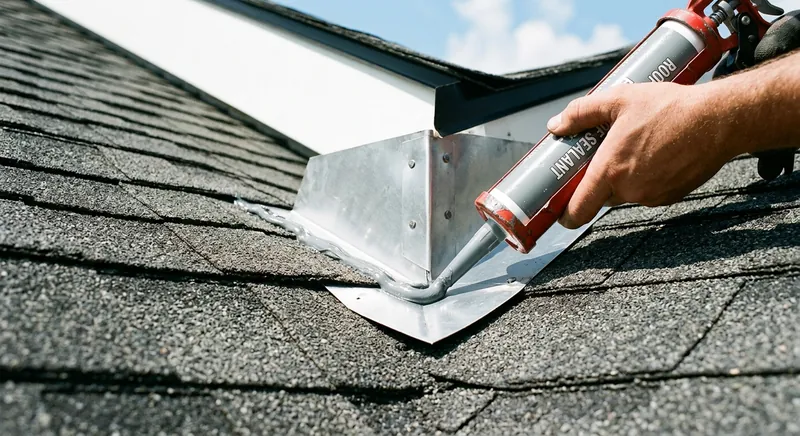
Best Roof Sealants for Reliable Leak Protection
Compare elastomeric, silicone, asphalt, and rubber roof sealants to find the right formula for your specific repair, roof material, and climate.
 Roofing & Home Repair
Best Moisture Meters for Home Inspection
Pin and pinless moisture meters detect hidden water problems before they become visible. Compare accuracy, depth, and features for home use.
 Roofing & Home Repair
Best Mold Test Kits for Home Use
Petri dish, swab, and air sampling mold test kits each serve different detection needs. Compare methods, accuracy, and lab analysis options.
 Roofing & Home Repair
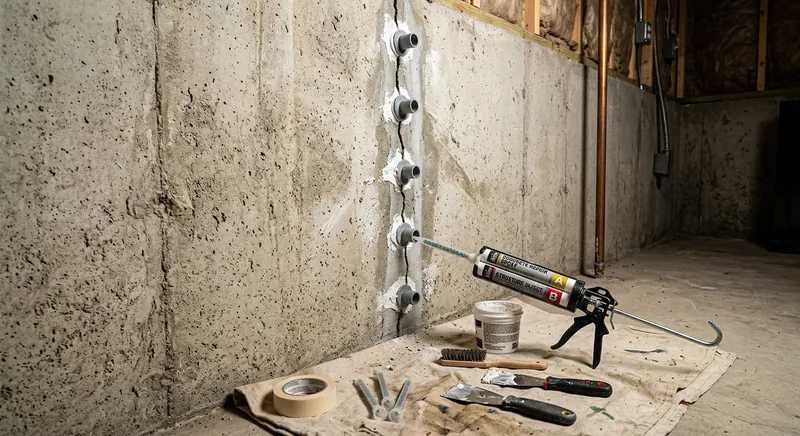
Best Foundation Crack Repair Kits
Epoxy and polyurethane injection kits handle different foundation crack types. Compare products for hairline cracks, active water leaks, and structural repairs.
Get Smarter About Your Home
Receive practical buying guides, product comparisons, maintenance tips and home project ideas from HomeGear Guide.
You can unsubscribe at any time.