Best Mold Test Kits for Home Use
Affiliate Disclosure: HomeGear Guide is reader-supported. When you buy through links on our site, we may earn an affiliate commission at no extra cost to you. We do not accept paid product placements or sponsor-biased reviews.
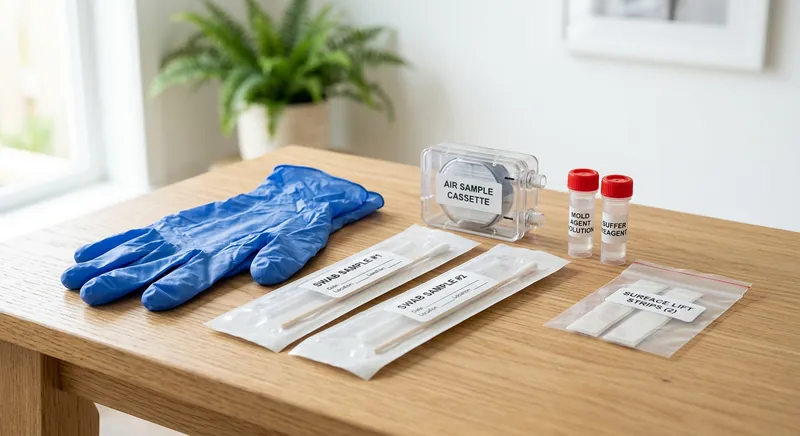
If you suspect mold in your home — whether from a musty smell, visible growth, or past water damage — a mold test kit can help you confirm whether mold is present and whether spore levels are elevated. Home mold test kits vary in method and sophistication, from simple petri dish settle plates to swab tests and air sampling kits that include lab analysis. Understanding the differences helps you choose the right kit for your situation.
Quick Answer
Home mold test kits vary widely in what they can tell you. Settle plate kits are the most affordable option and can confirm whether mold spores are present in a room, but they cannot identify species or measure concentration, and mold spores exist naturally in all indoor air. Air sampling kits provide a broader picture of indoor spore levels and are better for assessing whole-room air quality. Swab kits are the right choice when you have visible suspected growth and want species identification through lab analysis. For the most meaningful results, a kit that includes lab analysis with an outdoor comparison sample is essential, as indoor spore levels should be compared to the outdoor baseline to determine whether there is an actual problem. No home kit can replace a professional inspection for hidden mold.
Top Picks at a Glance
Air Sampling Mold Test Kit
Petri Dish Settle Plate Kit
Swab Mold Test Kit
Mold Test Kit with Lab Report
Product Comparison
| Product | Best For | Method | Results | Turnaround | Price Range | Details |
|---|---|---|---|---|---|---|
Air Sampling Mold Test Kit Best Overall | Detecting airborne mold spores | Air sampling | Visible growth or lab analysis | 48–96 hours (lab: 1–2 weeks) | $30–$60 | View Review ↓ |
Petri Dish Settle Plate Kit Best Value | Simple, affordable mold detection | Settle plate | Visible growth (yes/no) | 48–96 hours | $10–$25 | View Review ↓ |
Swab Mold Test Kit Best for Surface Testing | Testing visible suspected mold growth | Surface swab | Lab analysis (species ID) | 1–2 weeks (lab) | $20–$50 | View Review ↓ |
Mold Test Kit with Lab Analysis Best with Lab Analysis | Comprehensive mold assessment with professional report | Air + surface sampling | Lab report with species ID | 1–2 weeks | $50–$120 | View Review ↓ |
Air Sampling Mold Test Kit
Best Overall- Best For:
- Detecting airborne mold spores
- Method:
- Air sampling
- Results:
- Visible growth or lab analysis
- Turnaround:
- 48–96 hours (lab: 1–2 weeks)
- Price Range:
- $30–$60
Petri Dish Settle Plate Kit
Best Value- Best For:
- Simple, affordable mold detection
- Method:
- Settle plate
- Results:
- Visible growth (yes/no)
- Turnaround:
- 48–96 hours
- Price Range:
- $10–$25
Swab Mold Test Kit
Best for Surface Testing- Best For:
- Testing visible suspected mold growth
- Method:
- Surface swab
- Results:
- Lab analysis (species ID)
- Turnaround:
- 1–2 weeks (lab)
- Price Range:
- $20–$50
Mold Test Kit with Lab Analysis
Best with Lab Analysis- Best For:
- Comprehensive mold assessment with professional report
- Method:
- Air + surface sampling
- Results:
- Lab report with species ID
- Turnaround:
- 1–2 weeks
- Price Range:
- $50–$120
Detailed Product Reviews & Specifications
Air Sampling Mold Test Kit
An air sampling kit that collects airborne mold spores on a culture plate or tape slide. Provides a broader picture of indoor mold levels than surface testing.
Pros
- •Detects airborne spores
- •Broader coverage than surface swabs
- •Can identify spore concentration
- •Useful for whole-room assessment
Cons
- •Requires more setup
- •Results take several days
- •Affected by air movement during testing
- •May require lab submission for full analysis
Key Specifications
Petri Dish Settle Plate Kit
A basic settle plate kit that uses petri dishes with growth medium to collect mold spores that settle from the air. Simple to use and very affordable.
Pros
- •Very affordable
- •Simple to use
- •No special equipment
- •Good for initial screening
Cons
- •Only collects settled spores
- •Cannot identify mold species
- •No quantitative results
- •Affected by room conditions
Key Specifications
Swab Mold Test Kit
A swab-based test kit for collecting samples from visible suspected mold growth on surfaces. Can be sent to a lab for species identification.
Pros
- •Direct surface testing
- •Can identify mold species with lab analysis
- •Easy to use on visible growth
- •Fast sample collection
Cons
- •Only tests the swabbed area
- •Lab analysis may cost extra
- •Cannot assess airborne spore levels
- •Requires visible growth to test
Key Specifications
Mold Test Kit with Lab Analysis
A complete kit that includes air and surface sampling options plus prepaid lab analysis. Results include mold species identification and spore count comparison to outdoor baseline.
Pros
- •Professional lab analysis included
- •Species identification
- •Quantitative spore counts
- •Comparison to outdoor baseline
Cons
- •Most expensive option
- •Longer wait for results
- •Requires careful sample collection
- •Lab fee usually included in price
Key Specifications
Understanding Mold Test Methods
Mold test kits use three primary methods. Settle plates collect spores that fall onto a growth medium from the air. Air sampling uses a pump or fan to actively pull air across a collection medium. Surface swabs collect material directly from visible growth.
Settle plates are the simplest but least informative — they tell you if mold spores are present but not the type or concentration. Air sampling provides a broader picture of indoor air quality. Surface swabs are best for identifying specific visible growth.
When to Test for Mold
Consider testing for mold if you smell musty odors, have had water damage or leaks, see visible discoloration on walls or ceilings, or experience unexplained allergy-like symptoms at home.
However, visible mold growth does not necessarily require testing — if you can see mold, the appropriate response is to address the moisture source and clean or remove the affected material. Testing is most useful when you suspect hidden mold or want to verify that remediation was effective.
Limitations of Home Mold Test Kits
Home mold test kits cannot replace a professional mold inspection. They can indicate the presence of mold but cannot assess the extent of hidden growth, identify the moisture source, or provide a remediation plan.
Mold spores are present in all indoor environments. A positive result does not necessarily mean there is a mold problem — the key is whether indoor spore levels are significantly elevated compared to outdoor levels. Lab-analyzed kits that include outdoor comparison samples provide the most meaningful results.
If you have health concerns, significant visible growth, or suspect hidden mold in wall cavities, consult a professional mold inspector rather than relying on home test kits.
How to Use Mold Test Kits Properly
Proper sample collection is critical for meaningful results. For settle plates, place the dish on a stable surface at table height in the center of the room, away from windows and HVAC vents. Expose the growth medium for the duration specified in the instructions — typically 1 hour — then seal and incubate at room temperature for 48–96 hours. Do not place plates in direct sunlight or near cooking areas where airborne oils can contaminate the sample.
For air sampling kits, follow the pump operation instructions exactly. Run the sampler for the specified time period and at the specified flow rate. Collect an outdoor sample on the same day for comparison — most lab-analyzed kits include a second sampling device for this purpose. The outdoor sample establishes the baseline that the lab uses to determine whether indoor levels are elevated.
For swab kits, moisten the swab with the provided transport medium if included, then firmly swab the visible growth in a back-and-forth motion across an area of about 1 square inch. Place the swab in the transport tube immediately and seal it. Send the sample to the lab promptly, following the kit's shipping instructions to avoid degradation during transit.
Safety & Compliance Notice
Mold test kits can indicate the presence of mold but cannot identify the species or determine health risks. If you suspect significant mold growth or have health concerns, consult a professional mold inspector. Individuals with respiratory conditions should not attempt mold cleanup without professional guidance.
Frequently Asked Questions
Home kits can indicate the presence of mold but have limitations. Settle plates can show false positives because mold spores are naturally present in all indoor air. Kits with lab analysis provide more reliable results, especially those that compare indoor and outdoor spore levels.
Final Verdict
For a comprehensive assessment, a mold test kit with lab analysis provides the most useful information — species identification and spore count comparison to outdoor baseline. If you simply want to check whether mold is present in a room, an affordable settle plate kit is a quick screening tool. For testing visible suspected growth, a swab kit with lab submission identifies the species. Remember that home test kits cannot replace professional inspection, especially for hidden mold or health-related concerns. If you suspect significant mold issues, consult a professional mold inspector.
Michael Davies
Home Systems & Repair Editor
Michael writes about roofing, attic ventilation, insulation, and structural repair products for HomeGear Guide. His focus is on helping homeowners understand the materials and tools involved in protecting their home exterior and interior.
Related Articles & Buying Guides
 Roofing & Home Repair
Best Moisture Meters for Home Inspection
Pin and pinless moisture meters detect hidden water problems before they become visible. Compare accuracy, depth, and features for home use.
 Roofing & Home Repair
Best Roof Leak Repair Products for Quick Fixes
From emergency patch tape to permanent elastomeric sealant, compare roof leak repair products for different leak types, roof materials, and urgency.
 Roofing & Home Repair
Best Roof Sealants for Reliable Leak Protection
Compare elastomeric, silicone, asphalt, and rubber roof sealants to find the right formula for your specific repair, roof material, and climate.
 Roofing & Home Repair
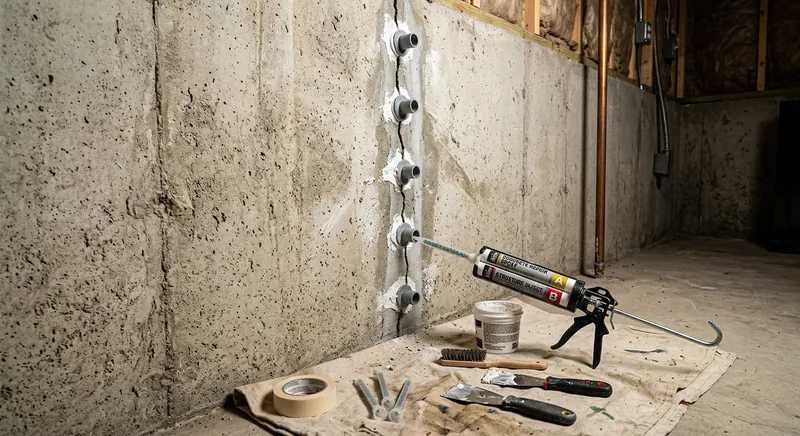
Best Foundation Crack Repair Kits
Epoxy and polyurethane injection kits handle different foundation crack types. Compare products for hairline cracks, active water leaks, and structural repairs.
Get Smarter About Your Home
Receive practical buying guides, product comparisons, maintenance tips and home project ideas from HomeGear Guide.
You can unsubscribe at any time.