Best Roof Leak Repair Products for Quick Fixes
Affiliate Disclosure: HomeGear Guide is reader-supported. When you buy through links on our site, we may earn an affiliate commission at no extra cost to you. We do not accept paid product placements or sponsor-biased reviews.
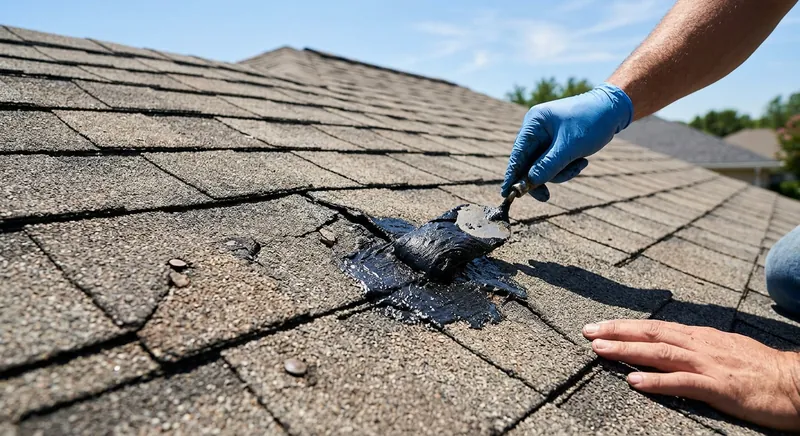
When water starts dripping from your ceiling, you need a fast, effective repair. Roof leak repair products range from emergency tapes that stop water temporarily to permanent sealants and patches that can extend your roof's life by years. The right product depends on where the leak is, what your roof is made of, and whether you need a stopgap or a lasting fix.
Quick Answer
The right roof leak repair product depends on urgency and leak type. For an active leak during a storm, rubberized repair tape that sticks to wet surfaces is the only option that works immediately without tools, though it is strictly temporary and should be replaced within months. For a permanent fix on a dry surface, an elastomeric patch and seal compound offers the best combination of flexibility and longevity, lasting 5 to 10 years on most roof materials. Asphalt shingle roofs are best served by a dedicated asphalt patch compound that blends with shingle colors. Spray sealants fill a niche for small gaps and hard-to-reach areas where brush application is impractical. Always identify the actual leak source before repairing, as water often travels from the entry point.
Top Picks at a Glance
Roof Leak Repair Tape
Elastomeric Patch & Seal
Asphalt Shingle Patch
Roof Leak Spray Sealant
Product Comparison
| Product | Best For | Type | Lifespan | Price Range | Details |
|---|---|---|---|---|---|
Roof Leak Repair Tape Best Emergency Fix | Emergency temporary leak stops | Rubberized repair tape | 1–3 years (temporary) | $15–$30 per roll | View Review ↓ |
Elastomeric Patch and Seal Best Permanent Repair | Permanent repair of small to medium leaks | Elastomeric patch compound | 5–10 years | $25–$50 per gallon | View Review ↓ |
Asphalt Shingle Patch Best for Shingles | Repairing damaged asphalt shingles | Asphalt patch compound | 3–7 years | $12–$22 per tub | View Review ↓ |
Roof Leak Spray Sealant Best Spray Option | Hard-to-reach areas and quick coverage | Aerosol spray sealant | 2–5 years | $10–$20 per can | View Review ↓ |
Roof Leak Repair Tape
Best Emergency Fix- Best For:
- Emergency temporary leak stops
- Type:
- Rubberized repair tape
- Lifespan:
- 1–3 years (temporary)
- Price Range:
- $15–$30 per roll
Elastomeric Patch and Seal
Best Permanent Repair- Best For:
- Permanent repair of small to medium leaks
- Type:
- Elastomeric patch compound
- Lifespan:
- 5–10 years
- Price Range:
- $25–$50 per gallon
Asphalt Shingle Patch
Best for Shingles- Best For:
- Repairing damaged asphalt shingles
- Type:
- Asphalt patch compound
- Lifespan:
- 3–7 years
- Price Range:
- $12–$22 per tub
Roof Leak Spray Sealant
Best Spray Option- Best For:
- Hard-to-reach areas and quick coverage
- Type:
- Aerosol spray sealant
- Lifespan:
- 2–5 years
- Price Range:
- $10–$20 per can
Detailed Product Reviews & Specifications
Roof Leak Repair Tape
A heavy-duty, waterproof rubberized tape that adheres to wet surfaces for emergency repairs. Can stop active leaks temporarily until a permanent fix is possible.
Pros
- •Sticks to wet surfaces
- •Fast emergency solution
- •Works on multiple roof materials
- •No tools required
Cons
- •Temporary fix only
- •May not conform to irregular shapes
- •Limited lifespan in sun exposure
Key Specifications
Elastomeric Patch and Seal
A flexible, brushable elastomeric compound that seals and waterproofs damaged areas. Can be applied to flashing, seams, cracks, and small holes for a lasting repair.
Pros
- •Permanent repair solution
- •Flexible and crack-resistant
- •Good adhesion to clean surfaces
- •Can cover medium areas
Cons
- •Requires dry surface for application
- •Needs proper surface preparation
- •Longer cure time than tape
Key Specifications
Asphalt Shingle Patch
A trowel-grade asphalt compound designed specifically for repairing cracks, holes, and lifted shingles on asphalt shingle roofs.
Pros
- •Color-matches asphalt shingles
- •Good adhesion to shingle surface
- •Easy trowel application
- •Affordable
Cons
- •Limited flexibility
- •May crack in extreme temperature swings
- •Not for large areas
Key Specifications
Roof Leak Spray Sealant
An aerosol spray sealant that provides a quick, even coat of waterproof sealant. Good for covering small areas, gaps, and hard-to-reach spots.
Pros
- •Quick and easy application
- •Reaches tight spaces
- •Even coverage
- •Good for small gaps and cracks
Cons
- •Limited coverage per can
- •Less durable than brush-on products
- •Overspray can be messy
Key Specifications
Types of Roof Leak Repair Products
Roof leak repair products fall into four main categories: emergency tapes, brush-on sealants, trowel-grade patches, and spray sealants. Each has a different use case, durability, and application method.
Emergency tapes are for stopping active leaks immediately. They stick to wet surfaces and provide a temporary barrier, but they are not a permanent solution.
Brush-on and trowel-grade products are for permanent repairs. They require a dry surface and proper preparation but provide years of protection.
Spray sealants fill a niche for small gaps and hard-to-reach areas where brush or trowel application is impractical.
Identifying the Source of a Roof Leak
Finding the source of a roof leak can be harder than it seems. Water often travels along roof decking or rafters before dripping from the ceiling, meaning the visible drip may be several feet from the actual entry point.
Check the attic during rain for water trails, dark stains, or wet insulation. Common leak points include roof penetrations (vents, chimneys, skylights), damaged flashing, cracked shingles, and areas where different roof planes meet.
If you cannot locate the source, or if the leak is extensive, a professional roof inspection is the safest approach.
Temporary vs. Permanent Repairs
A temporary repair, such as applying leak tape during a storm, can prevent interior damage while you wait for better conditions or a professional roofer. Temporary repairs should always be followed by a permanent fix.
Permanent repairs involve proper surface preparation, compatible repair products, and adequate dry time. A well-executed permanent repair can last 5–10 years or more, depending on the product and conditions.
Matching Products to Specific Leak Types
Flashing leaks around chimneys, vents, and skylights are the most common roof leak source. These penetrations move slightly with temperature changes, creating gaps between the flashing and the roof surface. Silicone sealant is ideal here because it adheres to both metal flashing and roofing material while remaining flexible enough to accommodate movement.
Shingle cracks and holes from impact damage (hail, fallen branches) call for asphalt patch compound on asphalt roofs or rubberized patch on other materials. If a shingle is torn or missing entirely, replace the shingle rather than patching — patching over a missing shingle leaves the underlayment exposed.
Seam leaks on flat or low-slope roofs occur where membrane rolls overlap. Liquid rubber or elastomeric patch applied along the seam length creates a waterproof bridge. For actively leaking seams during rain, apply repair tape as a stopgap, then follow up with a liquid coating once the surface dries.
Frequently Asked Questions
Emergency repair tape can be applied to wet surfaces for a temporary fix during rain. Permanent repair products require a dry surface. If water is entering your home, use emergency tape to slow the leak and arrange for a permanent repair once the roof dries.
Final Verdict
Keep a roll of roof leak repair tape on hand for emergency situations — it can prevent interior damage during a storm. For permanent repairs, an elastomeric patch and seal compound provides the best combination of flexibility, adhesion, and longevity. Asphalt shingle patch is the right choice for shingle-specific repairs. For small gaps and hard-to-reach spots, a spray sealant offers convenience. When in doubt about the extent of damage, consult a professional roofer.
Michael Davies
Home Systems & Repair Editor
Michael writes about roofing, attic ventilation, insulation, and structural repair products for HomeGear Guide. His focus is on helping homeowners understand the materials and tools involved in protecting their home exterior and interior.
Related Articles & Buying Guides
 Roofing & Home Repair
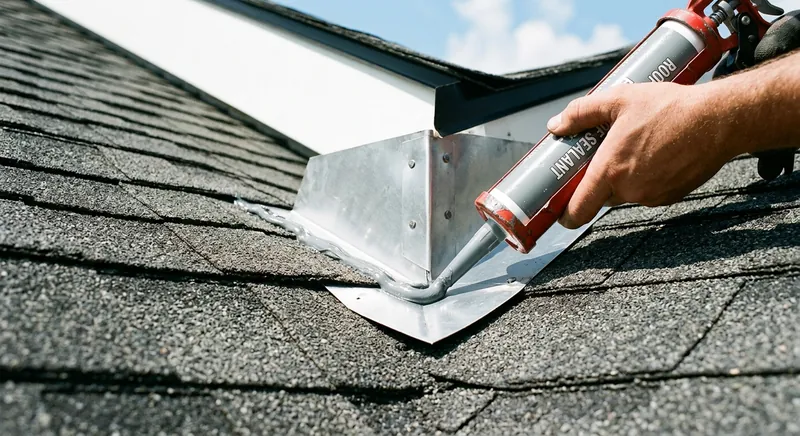
Best Roof Sealants for Reliable Leak Protection
Compare elastomeric, silicone, asphalt, and rubber roof sealants to find the right formula for your specific repair, roof material, and climate.
 Roofing & Home Repair
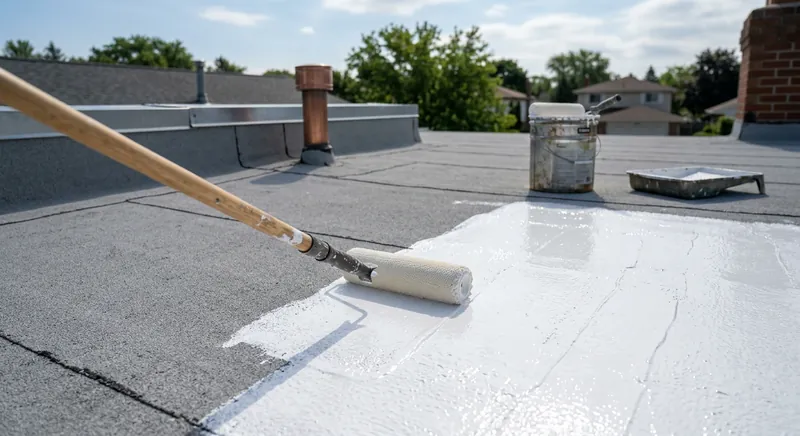
Best Roof Coatings for Flat Roofs
Compare silicone, elastomeric acrylic, polyurethane, and liquid rubber roof coatings for flat roofs to prevent leaks, lower cooling costs, and resist ponding water.
Roofing & Home RepairBest Roof Patches for Stopping Leaks Fast
Asphalt, rubberized, and epoxy roof patches each handle different leak scenarios. Compare products for emergency and permanent leak repairs.
 Roofing & Home Repair
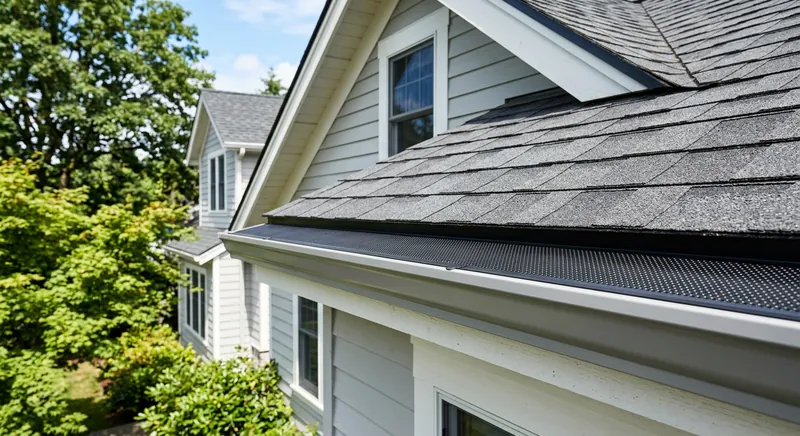
Best Gutter Guards for Low-Maintenance Gutters
Mesh, screen, reverse-curve, and foam gutter guards each handle debris differently. Compare types, installation methods, and maintenance needs.
Get Smarter About Your Home
Receive practical buying guides, product comparisons, maintenance tips and home project ideas from HomeGear Guide.
You can unsubscribe at any time.