Best Roof Patches for Stopping Leaks Fast
Affiliate Disclosure: HomeGear Guide is reader-supported. When you buy through links on our site, we may earn an affiliate commission at no extra cost to you. We do not accept paid product placements or sponsor-biased reviews.
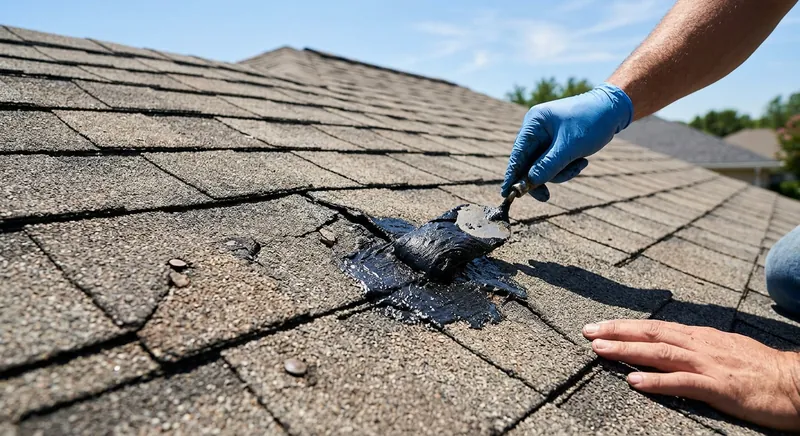
A roof patch is a targeted repair product designed to seal a specific damaged area and stop water from entering. Unlike full roof coatings that cover an entire roof surface, patches are meant for small, localized repairs — a cracked shingle, a hole around a vent, or a damaged seam. Choosing the right patch product depends on your roof material, the size of the damage, and whether you need an immediate or long-term fix.
Quick Answer
For most localized roof leaks, a rubberized patch compound provides the best balance of flexibility, adhesion, and longevity, working across multiple roof materials and lasting 5 to 10 years. Asphalt shingle roofs are best repaired with a dedicated asphalt patch that color-matches the shingle surface and costs significantly less. Metal roof leaks require a polyurethane sealant because metal expands and contracts dramatically with temperature changes, and only polyurethane maintains flexibility under those conditions. For emergencies during active rain, rubberized patch tape sticks to wet surfaces and stops water immediately, but it is a temporary measure that must be followed with a permanent repair. The main trade-off between products is flexibility versus rigidity, and choosing a product that cannot flex with your roof material will result in premature failure.
Top Picks at a Glance
Rubberized Roof Patch
Asphalt Roof Patch
Roof Patch Tape
Polyurethane Roof Sealant
Product Comparison
| Product | Best For | Type | Lifespan | Price Range | Details |
|---|---|---|---|---|---|
Rubberized Roof Patch Best Overall | Flexible, long-lasting patches on multiple surfaces | Rubberized patch compound | 5–10 years | $20–$40 per tub | View Review ↓ |
Asphalt Roof Patch Best for Asphalt Shingles | Asphalt shingle roof repairs | Asphalt patch compound | 3–7 years | $12–$22 per tub | View Review ↓ |
Roof Patch Tape Best Emergency Option | Emergency leak stops | Rubberized repair tape | 1–3 years (temporary) | $15–$25 per roll | View Review ↓ |
Polyurethane Roof Sealant Best for Metal Roofs | Metal roof and flashing repairs | Polyurethane sealant | 10–15 years | $15–$30 per tube | View Review ↓ |
Rubberized Roof Patch
Best Overall- Best For:
- Flexible, long-lasting patches on multiple surfaces
- Type:
- Rubberized patch compound
- Lifespan:
- 5–10 years
- Price Range:
- $20–$40 per tub
Asphalt Roof Patch
Best for Asphalt Shingles- Best For:
- Asphalt shingle roof repairs
- Type:
- Asphalt patch compound
- Lifespan:
- 3–7 years
- Price Range:
- $12–$22 per tub
Roof Patch Tape
Best Emergency Option- Best For:
- Emergency leak stops
- Type:
- Rubberized repair tape
- Lifespan:
- 1–3 years (temporary)
- Price Range:
- $15–$25 per roll
Polyurethane Roof Sealant
Best for Metal Roofs- Best For:
- Metal roof and flashing repairs
- Type:
- Polyurethane sealant
- Lifespan:
- 10–15 years
- Price Range:
- $15–$30 per tube
Detailed Product Reviews & Specifications
Rubberized Roof Patch
A rubberized compound that adheres to most roofing materials and remains flexible after curing. Good for cracks, small holes, and seam repairs.
Pros
- •Flexible after curing
- •Adheres to multiple roof materials
- •Good crack-bridging ability
- •Long-lasting repair
Cons
- •Requires dry surface
- •Needs proper surface preparation
- •More expensive than asphalt patch
Key Specifications
Asphalt Roof Patch
A trowel-grade asphalt compound for repairing cracks, holes, and lifted areas on asphalt shingle roofs. Color-matches common shingle colors.
Pros
- •Matches asphalt shingle appearance
- •Affordable
- •Good adhesion to asphalt surfaces
- •Easy trowel application
Cons
- •Limited flexibility
- •May crack in extreme temperatures
- •Only for asphalt surfaces
Key Specifications
Roof Patch Tape
A waterproof, rubberized tape that adheres to wet surfaces for immediate leak prevention. No tools or curing time required.
Pros
- •Sticks to wet surfaces
- •Immediate leak stop
- •No tools needed
- •Works on multiple materials
Cons
- •Temporary fix
- •Visible on roof surface
- •Limited conformability on irregular shapes
Key Specifications
Polyurethane Roof Sealant
A polyurethane sealant that adheres well to metal surfaces and remains flexible through temperature extremes. Ideal for metal roof seams, screws, and flashing repairs.
Pros
- •Excellent metal adhesion
- •Highly flexible
- •Resists temperature extremes
- •Good UV stability
Cons
- •Higher cost
- •Limited to sealant applications
- •Requires caulking gun
Key Specifications
Patch vs. Sealant vs. Coating
These three categories serve different repair needs. A patch is a thick compound for filling holes and cracks. A sealant is a thinner product for sealing seams and gaps. A coating covers an entire roof surface for protection.
For a localized leak, a patch is usually the right choice. For leaks at seams or joints, a sealant may be more appropriate. For general roof protection and multiple small issues, a coating provides broader coverage.
Choosing a Patch by Roof Material
Asphalt shingles: Use asphalt-based or rubberized patch compounds. These adhere well to shingle surfaces and blend with shingle colors.
Metal roofs: Use polyurethane sealant for seams and fastener heads. Metal roofs expand and contract significantly, so a flexible sealant is essential.
Flat roofs (rubber or modified bitumen): Use rubberized patch or liquid rubber for damaged areas. These materials are compatible with rubber roof membranes.
Tile roofs: Tile roof leaks often occur at the underlayment rather than the tiles themselves. Professional assessment is recommended for tile roof leaks.
Surface Preparation for Effective Patches
The single most important factor in a successful roof patch is surface preparation. Even the best patch product will fail if applied over dirt, algae, loose granules, or old flaking sealant. Start by removing all loose material from the repair area with a wire brush or putty knife. Then clean the surface with a degreaser or rubbing alcohol to remove oils and contaminants that prevent adhesion.
For asphalt shingle repairs, carefully lift any loose shingle edges and remove debris underneath before applying patch compound. Press the compound firmly into the crack or hole, then smooth the surface so water flows over it rather than pooling against a raised edge.
For metal roof patches, remove any rust from the repair area with a wire brush or sandpaper. Apply a rust-inhibiting primer if the metal is bare, then apply polyurethane sealant to seams and fastener heads. The surface must be completely dry for the sealant to bond properly.
When to Call a Professional Instead of Patching
Some roof damage is beyond the scope of a DIY patch. If the roof deck feels soft or spongy underfoot, the underlying structure may be rotted and patching the surface will not address the structural problem. Multiple leaks across different roof areas typically indicate systemic failure rather than localized damage.
Leaks around chimneys and skylights often involve complex flashing configurations that are difficult to seal properly without specialized knowledge. If you have already patched a leak and it returns within a year, the repair is addressing the symptom rather than the cause — a professional inspection can identify the actual entry point.
Any roof with a slope steeper than 6:12 (rising 6 inches per foot) presents significant fall risk for DIY work. If your roof is steep, high, or difficult to access safely, the cost of a professional repair is justified by the risk reduction alone.
Roof Sealant Coverage Calculator
Estimate the exact gallons or tubes required based on your roof's square footage, pitch, and coating chemistry (elastomeric, silicone, or acrylic).
Frequently Asked Questions
Patches are suitable for small to medium damaged areas — typically cracks and holes up to a few inches across. Larger damaged areas may require shingle replacement or professional repair. Do not attempt to patch large sections of damaged roof.
Final Verdict
For most homeowners, a rubberized roof patch provides the best combination of flexibility, adhesion, and longevity for localized repairs. If you have an asphalt shingle roof, a dedicated asphalt patch compound blends well and is cost-effective. Keep patch tape on hand for emergencies, and use polyurethane sealant for metal roof and flashing repairs. Always follow up temporary repairs with permanent solutions, and consult a professional for large or recurrent leaks.
Michael Davies
Home Systems & Repair Editor
Michael writes about roofing, attic ventilation, insulation, and structural repair products for HomeGear Guide. His focus is on helping homeowners understand the materials and tools involved in protecting their home exterior and interior.
Related Articles & Buying Guides
 Roofing & Home Repair
Best Roof Sealants for Reliable Leak Protection
Compare elastomeric, silicone, asphalt, and rubber roof sealants to find the right formula for your specific repair, roof material, and climate.
Roofing & Home RepairBest Roof Leak Repair Products for Quick Fixes
From emergency patch tape to permanent elastomeric sealant, compare roof leak repair products for different leak types, roof materials, and urgency.
 Roofing & Home Repair
Best Roof Coatings for Flat Roofs
Compare silicone, elastomeric acrylic, polyurethane, and liquid rubber roof coatings for flat roofs to prevent leaks, lower cooling costs, and resist ponding water.
 Roofing & Home Repair
Best Gutter Guards for Low-Maintenance Gutters
Mesh, screen, reverse-curve, and foam gutter guards each handle debris differently. Compare types, installation methods, and maintenance needs.
Get Smarter About Your Home
Receive practical buying guides, product comparisons, maintenance tips and home project ideas from HomeGear Guide.
You can unsubscribe at any time.