Best Gutter Guards for Low-Maintenance Gutters
Affiliate Disclosure: HomeGear Guide is reader-supported. When you buy through links on our site, we may earn an affiliate commission at no extra cost to you. We do not accept paid product placements or sponsor-biased reviews.
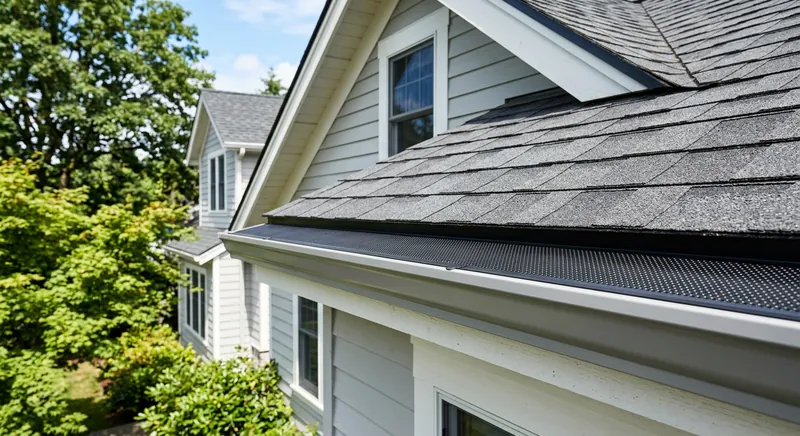
Gutter guards promise to reduce or eliminate the need to clean your gutters. While no guard is completely maintenance-free, the right type can significantly reduce how often you need to climb a ladder. The key is matching the guard type to the kind of debris your trees produce and the style of your gutters.
Quick Answer
Fine mesh gutter guards made of stainless steel offer the best all-around debris protection for most homeowners, blocking everything from large leaves to pine needles and roof grit while allowing water to flow freely. They cost more but last 10 to 20 years with minimal maintenance. If your property has mostly large-leaf trees and budget is a priority, standard aluminum or plastic screen guards are effective at half the cost, though they may let small debris through. Surface tension guards are the best solution for pine needles and heavy small-debris loads where mesh guards clog frequently, but they require professional installation at the correct angle. Foam inserts are the easiest DIY option but need replacement every 3 to 7 years and can harbor mold in humid climates. Match the guard type to your specific debris.
Top Picks at a Glance
Fine Mesh Gutter Guard
Screen Gutter Guard
Surface Tension Guard
Foam Gutter Insert
Product Comparison
| Product | Best For | Type | Installation | Lifespan | Price Range | Details |
|---|---|---|---|---|---|---|
Fine Mesh Gutter Guard Best Overall | Small debris and general use | Micro-mesh screen | DIY or professional | 10–20 years | $20–$40 per 20 ft | View Review ↓ |
Screen Gutter Guard Best Value | Large leaves and budget protection | Screen guard | DIY | 5–10 years | $10–$20 per 20 ft | View Review ↓ |
Surface Tension Gutter Guard Best for Pine Needles | Pine needles and heavy debris | Reverse curve / surface tension | Professional recommended | 15–25 years | $25–$50 per 20 ft | View Review ↓ |
Foam Gutter Insert Easiest Installation | Quick, easy installation | Foam insert | DIY | 3–7 years | $15–$25 per 20 ft | View Review ↓ |
Fine Mesh Gutter Guard
Best Overall- Best For:
- Small debris and general use
- Type:
- Micro-mesh screen
- Installation:
- DIY or professional
- Lifespan:
- 10–20 years
- Price Range:
- $20–$40 per 20 ft
Screen Gutter Guard
Best Value- Best For:
- Large leaves and budget protection
- Type:
- Screen guard
- Installation:
- DIY
- Lifespan:
- 5–10 years
- Price Range:
- $10–$20 per 20 ft
Surface Tension Gutter Guard
Best for Pine Needles- Best For:
- Pine needles and heavy debris
- Type:
- Reverse curve / surface tension
- Installation:
- Professional recommended
- Lifespan:
- 15–25 years
- Price Range:
- $25–$50 per 20 ft
Foam Gutter Insert
Easiest Installation- Best For:
- Quick, easy installation
- Type:
- Foam insert
- Installation:
- DIY
- Lifespan:
- 3–7 years
- Price Range:
- $15–$25 per 20 ft
Detailed Product Reviews & Specifications
Fine Mesh Gutter Guard
A stainless steel micro-mesh screen that blocks leaves, pine needles, and roof grit while allowing water through. Provides the best all-around debris protection.
Pros
- •Blocks even small debris
- •Stainless steel resists rust
- •Handles heavy rain flow
- •Fits most gutter sizes
Cons
- •Higher cost
- •May require professional installation
- •Can clog with fine debris like pollen over time
Key Specifications
Screen Gutter Guard
A basic screen-style guard with larger openings that blocks leaves while letting water through. Affordable and easy to install for DIYers.
Pros
- •Affordable
- •Easy DIY installation
- •Blocks large leaves
- •Available in multiple sizes
Cons
- •May let small debris through
- •Less durable than mesh
- •Can rust over time if not stainless
Key Specifications
Surface Tension Gutter Guard
A reverse-curve guard that uses surface tension to direct water into the gutter while debris falls off the edge. Effective for pine needles and small debris that clog mesh guards.
Pros
- •Sheds pine needles and small debris
- •No mesh to clog
- •Strong and durable
- •Handles heavy rain
Cons
- •More expensive
- •Professional installation recommended
- •Requires proper roof angle
- •Visible from ground
Key Specifications
Foam Gutter Insert
A porous foam insert that fits inside the gutter, allowing water to flow through while blocking debris from above. Simple to install by pressing into the gutter channel.
Pros
- •Very easy to install
- •No tools required
- •Fits standard gutters
- •Low profile
Cons
- •Can harbor mold and seeds
- •May need replacement more often
- •Can clog with fine debris
- •Not as durable as mesh or metal
Key Specifications
Understanding Gutter Guard Types
Gutter guards come in several fundamentally different designs, and each has strengths and weaknesses depending on the debris type, gutter configuration, and climate.
Mesh and screen guards filter debris by hole size. Fine mesh blocks nearly everything but can clog with very fine particles. Coarser screens let through smaller debris but are easier to clean.
Surface tension guards use the property of water adhering to a curved surface to direct water into the gutter while debris slides off. They are very effective but require proper installation angle.
Foam inserts sit inside the gutter and allow water to percolate through while blocking debris on top. They are easy to install but may degrade faster than other types.
Matching Guard Type to Your Debris
Large leaves (oak, maple): Screen guards are usually sufficient and cost-effective.
Pine needles: Surface tension guards or fine mesh are best. Standard screens let needles through.
Small seeds and helicopters: Fine mesh is the most effective. Foam inserts may trap seeds.
Roof grit from asphalt shingles: Fine mesh captures grit. Surface tension guards allow grit to wash through.
Mixed debris: Fine mesh provides the best all-around protection but at a higher cost.
Installation Considerations
Some gutter guards slide under the roof shingles and clip to the gutter edge, while others sit on top of the gutter or fit inside it. Guards that slide under shingles may void some roofing warranties — check before installing.
DIY installation is straightforward for screen, mesh, and foam guards. Surface tension guards typically require professional installation to ensure correct angle and fit.
Safety is important when working on ladders near roof edges. If your roof is high or the gutters are difficult to reach, professional installation is safer.
Cost and Long-Term Value
Gutter guard costs range widely by type and material. For a typical 200-foot gutter run, screen guards cost $100–$200, foam inserts $150–$250, fine mesh $200–$400, and surface tension guards $250–$500 in materials alone. Professional installation adds $3–$7 per linear foot, potentially doubling the total cost.
When evaluating value, consider both the upfront cost and the ongoing maintenance savings. Fine mesh guards costing $300 may seem expensive, but if they reduce professional gutter cleaning from twice a year to once every two years, they pay for themselves within three years for homes that typically pay $150–$250 per cleaning. Foam inserts at $200 seem cheaper but require replacement every 3–7 years, making them more expensive over a 15-year period.
Also factor in the cost of water damage that guards help prevent. Clogged gutters cause overflow that can damage fascia boards, siding, foundations, and landscaping. A single repair from water damage often exceeds the cost of gutter guards.
Seasonal Home Maintenance Checklist
Customizable seasonal inspection checklist covering roof seals, flashing, gutter drainage, HVAC filters, and foundation protection.
Frequently Asked Questions
No gutter guard eliminates maintenance entirely. Most reduce cleaning frequency but do not eliminate it. Fine mesh guards require the least frequent cleaning, while foam inserts may need annual attention.
Final Verdict
Fine mesh gutter guards offer the best overall protection, blocking nearly all debris while allowing water to flow. For budget-conscious homeowners with mostly large-leaf trees, standard screen guards are effective and affordable. If pine needles are your main problem, surface tension guards are the most reliable solution. Foam inserts are the easiest to install but require more frequent replacement. No guard is completely maintenance-free, but the right type can dramatically reduce how often you need to clean your gutters.
Michael Davies
Home Systems & Repair Editor
Michael writes about roofing, attic ventilation, insulation, and structural repair products for HomeGear Guide. His focus is on helping homeowners understand the materials and tools involved in protecting their home exterior and interior.
Related Articles & Buying Guides
 Roofing & Home Repair
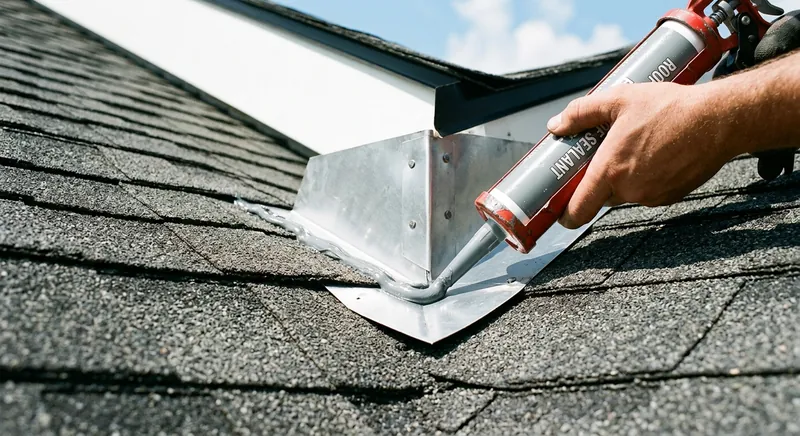
Best Roof Sealants for Reliable Leak Protection
Compare elastomeric, silicone, asphalt, and rubber roof sealants to find the right formula for your specific repair, roof material, and climate.
 Roofing & Home Repair
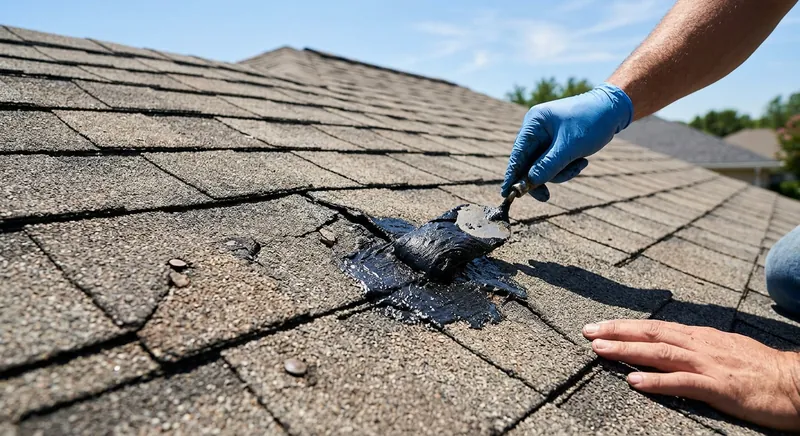
Best Roof Leak Repair Products for Quick Fixes
From emergency patch tape to permanent elastomeric sealant, compare roof leak repair products for different leak types, roof materials, and urgency.
Roofing & Home RepairBest Roof Patches for Stopping Leaks Fast
Asphalt, rubberized, and epoxy roof patches each handle different leak scenarios. Compare products for emergency and permanent leak repairs.
 Roofing & Home Repair
Best Moisture Meters for Home Inspection
Pin and pinless moisture meters detect hidden water problems before they become visible. Compare accuracy, depth, and features for home use.
 Roofing & Home Repair
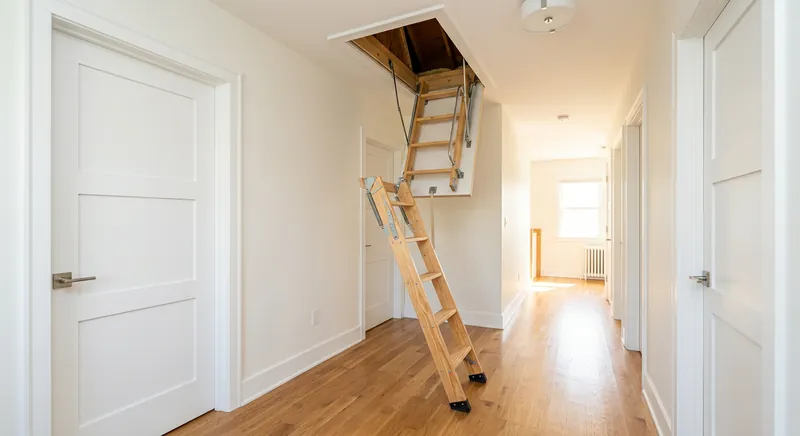
Best Attic Ladders for Safe Home Access
Aluminum, wood, and telescoping attic ladders each offer different benefits. Compare weight capacity, rough opening sizes, and installation needs.
Get Smarter About Your Home
Receive practical buying guides, product comparisons, maintenance tips and home project ideas from HomeGear Guide.
You can unsubscribe at any time.