Best Moisture Meters for Home Inspection
Affiliate Disclosure: HomeGear Guide is reader-supported. When you buy through links on our site, we may earn an affiliate commission at no extra cost to you. We do not accept paid product placements or sponsor-biased reviews.
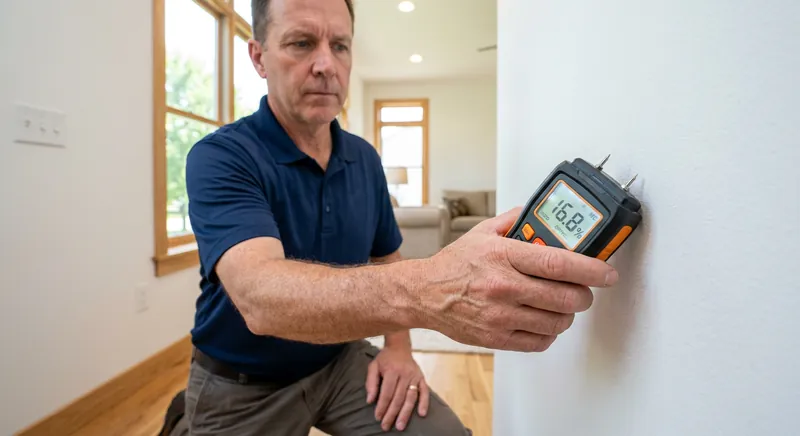
A moisture meter is a valuable diagnostic tool for detecting hidden water problems in walls, floors, ceilings, and other building materials. Whether you are investigating a suspected leak, checking drywall after a flood, or evaluating a home before purchase, a moisture meter can reveal problems that are not yet visible to the eye. The two main types — pin and pinless — work differently and have different strengths.
Quick Answer
Pinless moisture meters are the best starting point for most homeowners because they scan large areas quickly without damaging surfaces, using electromagnetic sensors to detect moisture up to three-quarters of an inch deep. They provide relative readings, so you compare suspect areas against known dry areas rather than getting an absolute percentage. Pin-type meters are more accurate and measure specific moisture content by penetrating the material with two electrodes, but they leave small holes and are slower for scanning large areas. A combo meter with both modes offers the best value, letting you scan with the pinless sensor and confirm with pins where needed. The main trade-off is convenience versus precision, and most home inspection tasks are well served by a basic pinless meter costing under $80.
Top Picks at a Glance
Pinless Moisture Meter
Pin-Type Moisture Meter
Pin and Pinless Combo Meter
Basic Pinless Meter
Product Comparison
| Product | Best For | Type | Depth | Price Range | Details |
|---|---|---|---|---|---|
Pinless Moisture Meter Best Overall | Non-destructive scanning of walls and floors | Pinless (electromagnetic) | Up to 3/4 inch | $30–$80 | View Review ↓ |
Pin-Type Moisture Meter Best for Accuracy | Precise moisture content measurement | Pin (resistance) | Up to pin length | $25–$70 | View Review ↓ |
Pin and Pinless Combo Meter Best Dual Mode | Comprehensive moisture detection | Pin + pinless combo | Up to 3/4 in (pinless) / pin depth | $50–$120 | View Review ↓ |
Basic Pinless Moisture Meter Best Budget Option | Occasional home use | Pinless | Up to 1/2 inch | $15–$30 | View Review ↓ |
Pinless Moisture Meter
Best Overall- Best For:
- Non-destructive scanning of walls and floors
- Type:
- Pinless (electromagnetic)
- Depth:
- Up to 3/4 inch
- Price Range:
- $30–$80
Pin-Type Moisture Meter
Best for Accuracy- Best For:
- Precise moisture content measurement
- Type:
- Pin (resistance)
- Depth:
- Up to pin length
- Price Range:
- $25–$70
Pin and Pinless Combo Meter
Best Dual Mode- Best For:
- Comprehensive moisture detection
- Type:
- Pin + pinless combo
- Depth:
- Up to 3/4 in (pinless) / pin depth
- Price Range:
- $50–$120
Basic Pinless Moisture Meter
Best Budget Option- Best For:
- Occasional home use
- Type:
- Pinless
- Depth:
- Up to 1/2 inch
- Price Range:
- $15–$30
Detailed Product Reviews & Specifications
Pinless Moisture Meter
A pinless moisture meter that uses electromagnetic sensors to detect moisture below the surface without damaging materials. Good for scanning large areas quickly.
Pros
- •Non-destructive testing
- •Quick scanning of large areas
- •No pin holes in surfaces
- •Easy to use
Cons
- •Less precise than pin type
- •Requires flat surface contact
- •Readings affected by material density
- •Limited depth detection
Key Specifications
Pin-Type Moisture Meter
A pin-type meter with two electrodes that penetrate the material surface for direct moisture content readings. More accurate than pinless meters but leaves small holes.
Pros
- •More accurate readings
- •Measures specific moisture content
- •Works on rough surfaces
- •Can measure at different depths with longer pins
Cons
- •Leaves pin holes in surface
- •Slower to scan large areas
- •Pins can break on hard materials
- •Requires contact pressure
Key Specifications
Pin and Pinless Combo Meter
A dual-function moisture meter with both pin and pinless modes. Scan large areas with the pinless sensor, then confirm with pin measurements where needed.
Pros
- •Both scanning methods in one tool
- •Scan then confirm approach
- •Versatile for different materials
- •Good value compared to buying two meters
Cons
- •More expensive than single-type
- •Slightly larger form factor
- •More features to learn
Key Specifications
Basic Pinless Moisture Meter
A simple, affordable pinless moisture meter for basic leak detection. Provides relative moisture readings without advanced features.
Pros
- •Very affordable
- •Simple to use
- •Non-destructive
- •Compact size
Cons
- •Limited features
- •Less accurate than premium models
- •No data logging
- •Basic display
Key Specifications
How Moisture Meters Work
Pinless meters use electromagnetic sensor pads to detect moisture below the surface. When pressed against a material, the sensor measures changes in the electrical field caused by water content. This allows non-destructive scanning but provides relative rather than absolute readings.
Pin-type meters use two metal pins that are pressed into the material. The meter measures electrical resistance between the pins — water conducts electricity, so lower resistance indicates higher moisture content. This method provides more precise readings but leaves small holes.
Using a Moisture Meter Effectively
Start by taking baseline readings in areas you know are dry. This gives you a reference point for comparison. Then scan the suspect area and compare readings.
For pinless meters, keep the sensor pad flat against the surface. Air gaps will cause inaccurate readings. Move slowly and note any sudden changes in the reading.
For pin meters, push the pins firmly into the material. Take readings at multiple points to get a picture of the moisture pattern. On drywall, avoid pressing too hard to prevent cracking.
Interpreting Moisture Readings
Moisture meter readings vary by material. Most meters include scales for wood and building materials. For wood, readings below 15% are generally considered dry. Readings above 20% indicate elevated moisture that could lead to rot or mold.
For building materials like drywall and masonry, meters typically use a relative scale. Compare readings from suspect areas against known dry areas. A reading significantly higher than the baseline indicates potential moisture intrusion.
Elevated moisture readings do not always indicate an active leak. Condensation, high humidity, or recent construction can also cause elevated readings. Investigate the cause before concluding there is a leak.
Choosing a Meter for Your Specific Needs
Homeowners investigating a single suspected leak are well served by a basic pinless meter in the $30–$50 range. The goal is to confirm whether moisture is present and map the affected area — you do not need precise percentage readings for this task. A pinless meter scans quickly and leaves no marks, which matters if you are checking finished walls in a living space.
If you are a DIY home inspector or someone who frequently works on renovation projects, a combo meter with both pin and pinless modes is the better investment. The pinless mode lets you scan rooms efficiently, while the pin mode confirms suspect readings and provides actual moisture percentages needed for wood flooring installation, drywall assessment, or post-flood documentation.
For woodworkers and flooring installers, pin-type meters with species-specific calibration are essential. Wood moisture content must be measured accurately to determine whether lumber or subflooring is dry enough for finish flooring installation. Pinless meters cannot provide the precise percentage readings needed for this application.
Frequently Asked Questions
Yes, but with limitations. Pinless meters can detect moisture up to about 3/4 inch deep. If the leak is deeper within the wall cavity, the meter may not detect it from the surface. Pin meters with longer probes can reach deeper but still have limits.
Final Verdict
A pinless moisture meter is the best starting point for most homeowners — it is non-destructive, easy to use, and effective for scanning large areas. If you need precise moisture content readings, a pin-type meter provides better accuracy. A combo meter offers the best value by combining both methods in one tool. For occasional use, a basic pinless meter is adequate for identifying areas that need further investigation. Always compare readings against known dry areas for reliable interpretation.
Michael Davies
Home Systems & Repair Editor
Michael writes about roofing, attic ventilation, insulation, and structural repair products for HomeGear Guide. His focus is on helping homeowners understand the materials and tools involved in protecting their home exterior and interior.
Related Articles & Buying Guides
 Roofing & Home Repair
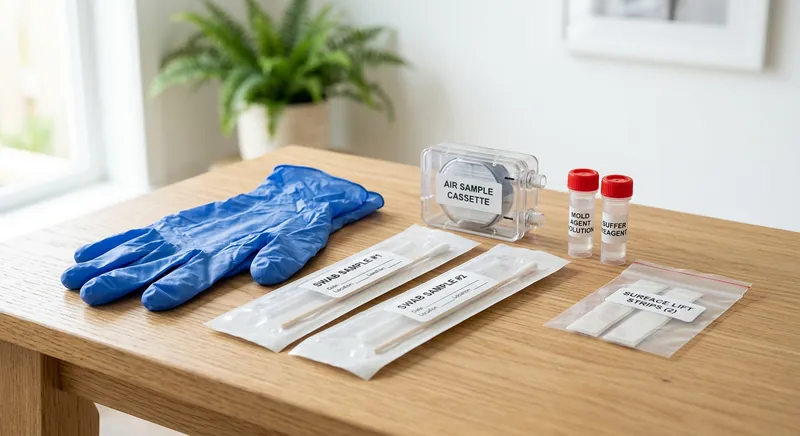
Best Mold Test Kits for Home Use
Petri dish, swab, and air sampling mold test kits each serve different detection needs. Compare methods, accuracy, and lab analysis options.
 Roofing & Home Repair
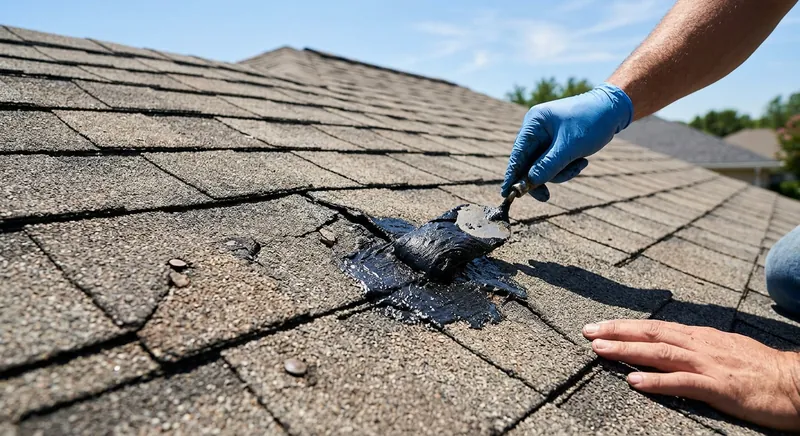
Best Roof Leak Repair Products for Quick Fixes
From emergency patch tape to permanent elastomeric sealant, compare roof leak repair products for different leak types, roof materials, and urgency.
 Roofing & Home Repair
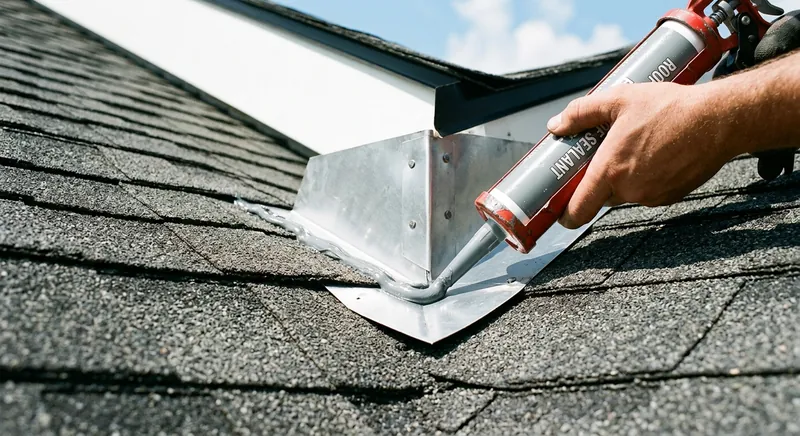
Best Roof Sealants for Reliable Leak Protection
Compare elastomeric, silicone, asphalt, and rubber roof sealants to find the right formula for your specific repair, roof material, and climate.
 Roofing & Home Repair
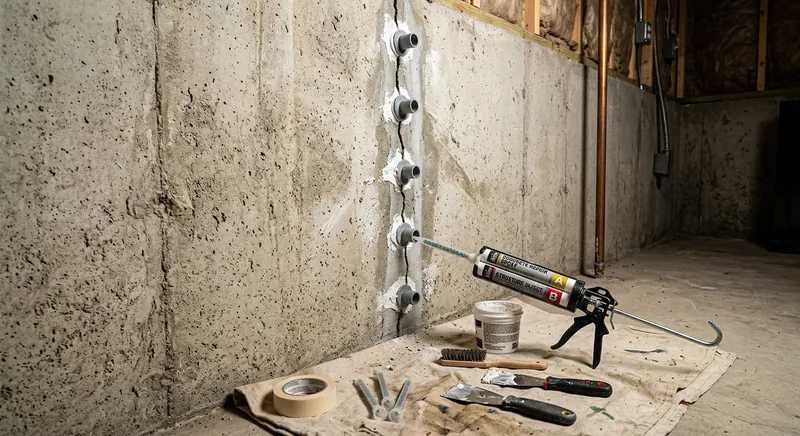
Best Foundation Crack Repair Kits
Epoxy and polyurethane injection kits handle different foundation crack types. Compare products for hairline cracks, active water leaks, and structural repairs.
Get Smarter About Your Home
Receive practical buying guides, product comparisons, maintenance tips and home project ideas from HomeGear Guide.
You can unsubscribe at any time.