Best Foundation Crack Repair Kits
Affiliate Disclosure: HomeGear Guide is reader-supported. When you buy through links on our site, we may earn an affiliate commission at no extra cost to you. We do not accept paid product placements or sponsor-biased reviews.
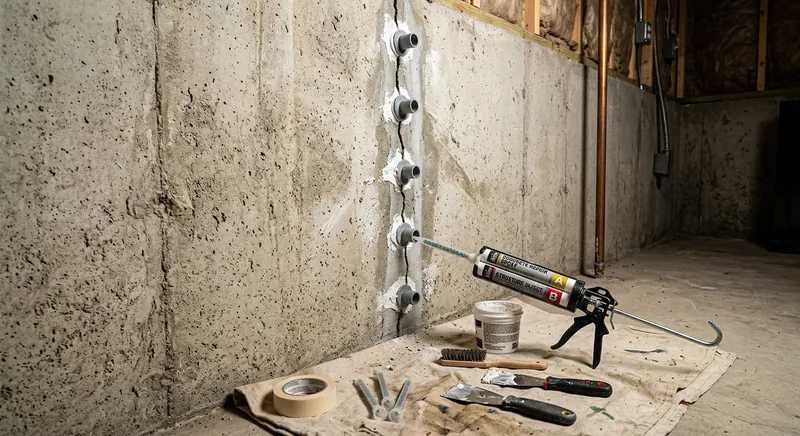
Foundation cracks are common in many homes, and not all of them indicate a structural problem. Hairline cracks in concrete walls and floors often result from normal settling and shrinkage. However, even non-structural cracks can allow water seepage, which is where crack repair kits come in. These kits use epoxy or polyurethane injection to seal cracks and stop water intrusion. The key is choosing the right product for the crack type and whether water is actively leaking.
Quick Answer
The choice between epoxy and polyurethane injection is the most important decision for foundation crack repair. Polyurethane is the right product for most homeowners because it expands to fill cracks, remains flexible to handle minor wall movement, and stops water seepage effectively. It works on both wet and dry cracks, making it ideal for leaking basement walls. Epoxy creates a rigid bond that is stronger than the surrounding concrete and is used for structural cracks that need bonding rather than waterproofing, but it requires a dry crack and will re-crack if the wall continues to move. For actively leaking cracks, hydrophilic polyurethane reacts with water to expand and seal on contact. Surface epoxy paste is sufficient for hairline cracks that are not leaking. Horizontal cracks, cracks wider than a quarter inch, or cracks with wall bowing require professional evaluation.
Top Picks at a Glance
Polyurethane Crack Injection Kit
Epoxy Crack Injection Kit
Hydrophilic Polyurethane Kit
Surface Epoxy Repair Kit
Product Comparison
| Product | Best For | Type | Crack Width | Flexibility | Price Range | Details |
|---|---|---|---|---|---|---|
Polyurethane Crack Injection Kit Best Overall | Sealing cracks and stopping water seepage | Polyurethane foam injection | 1/16 to 1/2 inch | High (flexes with movement) | $60–$150 | View Review ↓ |
Epoxy Crack Injection Kit Best for Structural Cracks | Structural crack bonding | Two-part epoxy injection | 1/32 to 1/2 inch | None (rigid bond) | $80–$200 | View Review ↓ |
Hydrophilic Polyurethane Kit Best for Active Leaks | Active water leaks through cracks | Hydrophilic polyurethane | 1/16 to 1/2 inch | High | $70–$160 | View Review ↓ |
Surface Epoxy Repair Kit Best for Hairline Cracks | Hairline cracks and surface repairs | Surface epoxy paste | Hairline to 1/8 inch | Low (semi-rigid) | $20–$50 | View Review ↓ |
Polyurethane Crack Injection Kit
Best Overall- Best For:
- Sealing cracks and stopping water seepage
- Type:
- Polyurethane foam injection
- Crack Width:
- 1/16 to 1/2 inch
- Flexibility:
- High (flexes with movement)
- Price Range:
- $60–$150
Epoxy Crack Injection Kit
Best for Structural Cracks- Best For:
- Structural crack bonding
- Type:
- Two-part epoxy injection
- Crack Width:
- 1/32 to 1/2 inch
- Flexibility:
- None (rigid bond)
- Price Range:
- $80–$200
Hydrophilic Polyurethane Kit
Best for Active Leaks- Best For:
- Active water leaks through cracks
- Type:
- Hydrophilic polyurethane
- Crack Width:
- 1/16 to 1/2 inch
- Flexibility:
- High
- Price Range:
- $70–$160
Surface Epoxy Repair Kit
Best for Hairline Cracks- Best For:
- Hairline cracks and surface repairs
- Type:
- Surface epoxy paste
- Crack Width:
- Hairline to 1/8 inch
- Flexibility:
- Low (semi-rigid)
- Price Range:
- $20–$50
Detailed Product Reviews & Specifications
Polyurethane Crack Injection Kit
A polyurethane foam injection kit that expands to fill cracks and stop water penetration. The foam flexes with minor wall movement, making it suitable for both wet and dry cracks.
Pros
- •Expands to fill crack completely
- •Flexible after curing
- •Works on wet or dry cracks
- •Stops active water seepage
Cons
- •Requires injection ports
- •Application requires care
- •More expensive than surface repairs
- •Not for structural repair
Key Specifications
Epoxy Crack Injection Kit
A two-part epoxy injection kit that bonds cracked concrete back together, restoring structural integrity. Creates a rigid, strong repair that is stronger than the surrounding concrete.
Pros
- •Restores structural integrity
- •Stronger than surrounding concrete
- •Permanent bond
- •Professional-grade results
Cons
- •Requires dry crack for best adhesion
- •Rigid — will crack again if wall moves
- •More complex application
- •Higher cost
Key Specifications
Hydrophilic Polyurethane Kit
A hydrophilic polyurethane injection that reacts with water to expand and seal actively leaking cracks. Designed specifically for cracks where water is entering.
Pros
- •Reacts with water to seal
- •Stops active leaks
- •Expands to fill voids
- •Works in wet conditions
Cons
- •Requires water to activate
- •May shrink if crack dries out
- •Not a structural repair
- •Professional application recommended for large cracks
Key Specifications
Surface Epoxy Repair Kit
A surface-applied epoxy paste for sealing hairline cracks without injection. Simple to apply with a trowel or putty knife. Good for cosmetic and minor waterproofing repairs.
Pros
- •Simple surface application
- •No injection ports needed
- •Affordable
- •Good for hairline cracks
Cons
- •Surface repair only — does not penetrate crack
- •Not for structural repair
- •May not stop deep leaks
- •Limited to narrow cracks
Key Specifications
Epoxy vs. Polyurethane Injection
The two main injection materials serve different purposes. Epoxy is a structural adhesive that bonds cracked concrete back together. It creates a rigid, strong repair but will re-crack if the wall continues to move.
Polyurethane is a waterproofing material that expands to fill the crack and remains flexible. It does not restore structural integrity but it handles minor wall movement and stops water effectively.
The rule of thumb: use epoxy for structural cracks that need bonding, and polyurethane for cracks that need waterproofing, especially if water is present.
Assessing Crack Severity
Not all foundation cracks are suitable for DIY repair. Understanding crack types helps you decide whether a repair kit is appropriate or if you need professional evaluation.
Vertical or diagonal hairline cracks (less than 1/8 inch wide) in poured concrete walls are typically shrinkage cracks and are generally safe to repair with a DIY kit.
Horizontal cracks, cracks wider than 1/4 inch, stair-step cracks in block or brick walls, or cracks accompanied by wall bowing or displacement may indicate structural problems. These require professional evaluation before any repair.
If you are unsure about crack severity, err on the side of consulting a structural engineer or foundation specialist.
The Injection Repair Process
Injection crack repair involves installing injection ports along the crack, sealing the crack surface between ports, and injecting the repair material through the ports until the crack is filled.
Surface preparation is critical. Clean the crack area thoroughly and remove any loose material or efflorescence before beginning. The crack surface must be dry for epoxy and can be wet for polyurethane.
Follow the kit instructions carefully. Most kits include ports, injection material, and surface seal. The process is methodical but manageable for a homeowner with basic DIY skills.
Preventing Future Foundation Cracks
Repairing a crack is only half the solution. If the underlying cause is not addressed, new cracks will form nearby. The most common cause of foundation cracks is water pressure against the foundation walls. Ensure gutters and downspouts direct water at least 6 feet away from the foundation, and grade the soil so it slopes away from the house on all sides.
Soil moisture fluctuations also contribute to cracking. During dry periods, clay-heavy soil shrinks and pulls away from the foundation, reducing lateral support. During wet periods, the soil expands and exerts pressure against the walls. Installing a soaker hose around the foundation perimeter during drought periods can maintain consistent soil moisture and reduce movement.
Tree roots are another common contributor to foundation cracks. Large trees planted within 15–20 feet of the foundation can draw enough moisture from the soil to cause settlement. If you have trees close to your foundation, consider root barriers or consult an arborist about managing root growth. Addressing these factors before they cause damage is far less expensive than repairing structural cracks.
Safety & Compliance Notice
Foundation cracks can indicate structural issues that require professional evaluation. Horizontal cracks, cracks wider than 1/4 inch, stair-step cracks in brick or block, and cracks accompanied by wall bowing require immediate professional assessment. DIY repair kits are appropriate for minor, non-structural cracks only.
Frequently Asked Questions
Yes, for non-structural hairline cracks or cracks that seep water. DIY injection kits are effective for these situations. However, horizontal cracks, cracks wider than 1/4 inch, or cracks with wall displacement require professional evaluation. If you are unsure, consult a foundation specialist before attempting any repair.
Final Verdict
For most homeowners dealing with a leaking foundation crack, a polyurethane injection kit provides the best combination of waterproofing and flexibility. If the crack is structural and needs bonding rather than waterproofing, an epoxy injection kit is the right choice. For actively leaking cracks, a hydrophilic polyurethane kit reacts with water to create an effective seal. Hairline cracks that are not leaking can be addressed with a simple surface epoxy paste. Always assess crack severity before attempting DIY repair — horizontal, wide, or displaced cracks require professional evaluation.
Michael Davies
Home Systems & Repair Editor
Michael writes about roofing, attic ventilation, insulation, and structural repair products for HomeGear Guide. His focus is on helping homeowners understand the materials and tools involved in protecting their home exterior and interior.
Related Articles & Buying Guides
 Roofing & Home Repair
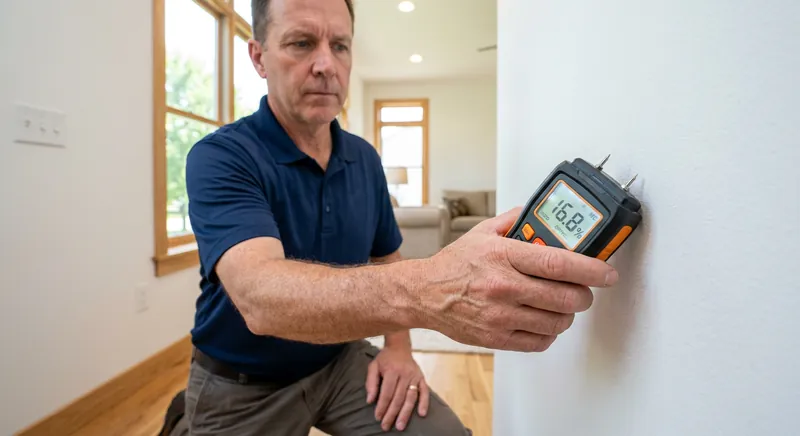
Best Moisture Meters for Home Inspection
Pin and pinless moisture meters detect hidden water problems before they become visible. Compare accuracy, depth, and features for home use.
 Roofing & Home Repair
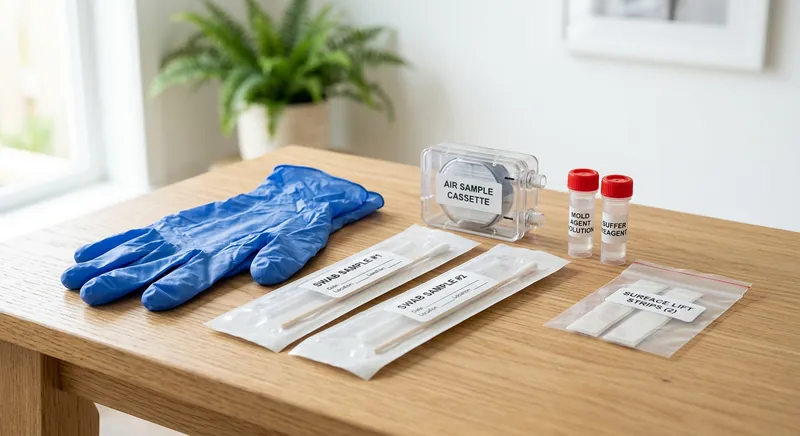
Best Mold Test Kits for Home Use
Petri dish, swab, and air sampling mold test kits each serve different detection needs. Compare methods, accuracy, and lab analysis options.
 Roofing & Home Repair
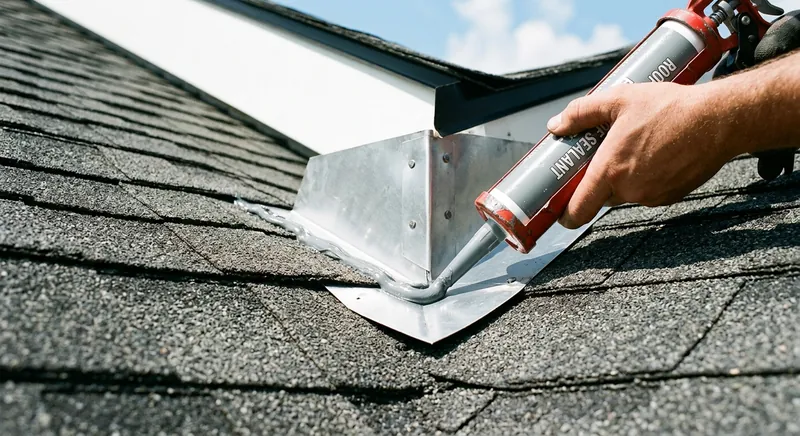
Best Roof Sealants for Reliable Leak Protection
Compare elastomeric, silicone, asphalt, and rubber roof sealants to find the right formula for your specific repair, roof material, and climate.
 Roofing & Home Repair
Best Roof Leak Repair Products for Quick Fixes
From emergency patch tape to permanent elastomeric sealant, compare roof leak repair products for different leak types, roof materials, and urgency.
Get Smarter About Your Home
Receive practical buying guides, product comparisons, maintenance tips and home project ideas from HomeGear Guide.
You can unsubscribe at any time.