Best Roof Coatings for Flat Roofs
Affiliate Disclosure: HomeGear Guide is reader-supported. When you buy through links on our site, we may earn an affiliate commission at no extra cost to you. We do not accept paid product placements or sponsor-biased reviews.
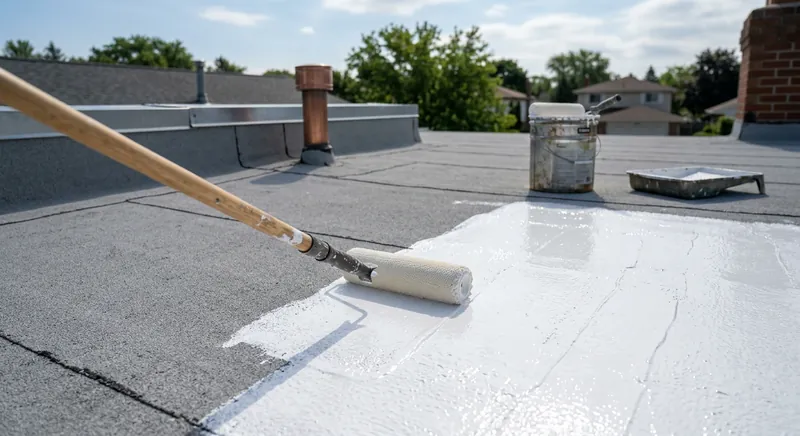
Flat and low-slope residential roofs face severe hydrostatic pressure, intense ultraviolet degradation, and persistent ponding water. Unlike pitched roofs where gravity sheds rainwater in seconds, flat roofs rely entirely on drainage slopes of 1/4-inch per foot or less. Over time, building settling creates low depressions where standing water sits for days. Standard exterior paints and cheap asphalt coatings break down under these conditions. Liquid-applied roof coating systems offer a monolithic, seam-free waterproofing membrane that restores aging flat roofs without the immense cost, structural disruption, and environmental waste of a total tear-off.
Quick Answer
For flat roofs with areas of standing water lasting more than 48 hours, High-Solids 100% Silicone (meeting ASTM D6694) is the only coating chemistry that will not re-emulsify or break down under ponding water. It forms an inorganic, UV-impervious membrane with up to 96% solids by volume. Elastomeric Acrylic coatings (ASTM D6083) are an economical, highly reflective option for low-slope roofs that possess positive, unobstructed drainage. For walkable flat roof decks or areas surrounding heavy HVAC equipment, Aliphatic Polyurethane delivers the highest tear and puncture resistance. On aged black EPDM or modified bitumen membranes, High-Build Liquid Rubber provides superior chemical cross-linking. Always calculate mil thickness carefully to ensure full manufacturer warranty protection.
Top Picks at a Glance
High-Solids 100% Silicone Roof Coating
ASTM D6694 certified silicone that resists continuous ponding water and delivers 96% solids by volume.
Premium Elastomeric Acrylic Coating
CRRC-rated high-reflectivity cool roof acrylic for low-slope decks that drain fully within 24 hours.
Aliphatic Polyurethane Liquid Coating
Heavy-duty 1,800 PSI tensile strength membrane engineered for walkable roofs and HVAC service paths.
High-Build Liquid Rubber Coating
Multi-surface elastomeric polymer with 500% elongation and a near-zero perm vapor barrier rating.
Product Comparison
| Product | Chemical Base | Solids by Volume | Elongation | Ponding Water Rating | ASTM Standard | Best For | Details |
|---|---|---|---|---|---|---|---|
High-Solids 100% Silicone Roof Coating Best for Ponding Water | 100% Inorganic Silicone | 96% | 300% | Permanent Resistance | ASTM D6694 | Flat roofs with recurring low spots, ponding water, and intense sun exposure | View Review ↓ |
Premium Elastomeric Acrylic Coating Best for Positive Drainage | 100% Acrylic Polymer | 55% | 350% | Positive Drainage Only | ASTM D6083 | Low-slope roofs with positive drainage, solar heat reduction, and budget-conscious restoration | View Review ↓ |
Aliphatic Polyurethane Liquid Coating Best for Foot Traffic | Moisture-Cure Polyurethane | 82% | 1,800 PSI | 450% | 220 lbf/in | Walkable flat roof decks, HVAC service walkways, and extreme hail or mechanical impact resistance | View Review ↓ |
High-Build Liquid Rubber Coating Best for EPDM Seams | Synthetic Elastomeric Polymer | 62% | 500% | 0.05 Perms (Vapor Barrier) | 320 PSI | Restoring aged EPDM membranes, modified bitumen seams, and built-up roofing assemblies | View Review ↓ |
High-Solids 100% Silicone Roof Coating
Best for Ponding Water- Chemical Base:
- 100% Inorganic Silicone
- Solids by Volume:
- 96%
- Elongation:
- 300%
- Ponding Water Rating:
- Permanent Resistance
- ASTM Standard:
- ASTM D6694
- Best For:
- Flat roofs with recurring low spots, ponding water, and intense sun exposure
Premium Elastomeric Acrylic Coating
Best for Positive Drainage- Chemical Base:
- 100% Acrylic Polymer
- Solids by Volume:
- 55%
- Elongation:
- 350%
- Ponding Water Rating:
- Positive Drainage Only
- ASTM Standard:
- ASTM D6083
- Best For:
- Low-slope roofs with positive drainage, solar heat reduction, and budget-conscious restoration
Aliphatic Polyurethane Liquid Coating
Best for Foot Traffic- Chemical Base:
- Moisture-Cure Polyurethane
- Solids by Volume:
- 82%
- Elongation:
- 1,800 PSI
- Ponding Water Rating:
- 450%
- ASTM Standard:
- 220 lbf/in
- Best For:
- Walkable flat roof decks, HVAC service walkways, and extreme hail or mechanical impact resistance
High-Build Liquid Rubber Coating
Best for EPDM Seams- Chemical Base:
- Synthetic Elastomeric Polymer
- Solids by Volume:
- 62%
- Elongation:
- 500%
- Ponding Water Rating:
- 0.05 Perms (Vapor Barrier)
- ASTM Standard:
- 320 PSI
- Best For:
- Restoring aged EPDM membranes, modified bitumen seams, and built-up roofing assemblies
Detailed Product Reviews & Specifications
High-Solids 100% Silicone Roof Coating
A premium 100% silicone elastomeric liquid membrane engineered specifically for flat roofs subject to severe ponding water. Because silicone is an inorganic polymer, it will not hydrolyze, soften, or peel when submerged beneath standing water.
Pros
- •Zero degradation under permanent standing and ponding water (ASTM D6694 certified)
- •High solids by volume (96%) means minimal shrinkage and thick dry film build per coat
- •Single-coat application possible over properly primed, smooth substrates
- •Exceptional resistance to UV radiation, oxidation, and ozone
Cons
- •Becomes slippery when wet; not recommended for high foot-traffic entertainment decks
- •Subsequent recoating must always be silicone; other coatings will not adhere to it
Key Specifications
Premium Elastomeric Acrylic Coating
A high-performance waterborne elastomeric acrylic coating designed to reflect intense solar radiation and extend roof lifespan. Meets ASTM D6083 standards and delivers exceptional thermal emittance to cut peak cooling loads.
Pros
- •Outstanding Cool Roof Rating Council (CRRC) solar reflectance (>85% initial SRI)
- •Significantly lower cost per gallon compared to high-solids silicone or polyurethane
- •Easy soap-and-water cleanup and low VOC emissions during installation
- •Bright white finish dramatically reduces attic and living space heat gain
Cons
- •Cannot tolerate ponding water lasting longer than 48 hours
- •Requires at least two separate coats to achieve necessary dry film thickness
Key Specifications
Aliphatic Polyurethane Liquid Coating
A heavy-duty, moisture-curing polyurethane coating that provides unmatched mechanical toughness, puncture resistance, and chemical resilience. Engineered for roof areas subject to routine maintenance foot traffic.
Pros
- •Incredible 1,800 PSI tensile strength withstands heavy foot traffic and hail
- •Superior tear resistance (220 lbf/in) prevents punctures from dropped tools
- •Resists grease, oils, and chemical spills from rooftop kitchen or HVAC exhausts
- •Excellent adhesion to primed concrete, plywood, and metal substrates
Cons
- •Higher material and application cost per square foot
- •Solvent-based formula requires strict ventilation precautions
Key Specifications
High-Build Liquid Rubber Coating
A thick, synthetic liquid rubber formulation that cures into an elastic, impervious rubber sheet across existing flat roof substrates. Excellent for bridging seam separation on aging modified bitumen and EPDM roofs.
Pros
- •High 500% elongation accommodates aggressive substrate expansion and building shifts
- •Creates a near-zero perm vapor barrier (0.05 perms) preventing vapor transmission
- •Bonds tenaciously to bituminous cap sheets and vulcanized rubber
- •Low-VOC, waterborne synthetic formula is safe and user-friendly
Cons
- •Slower cure speed in humid environments under 60°F
- •Requires reinforcing polyester fabric on all open seams and corners
Key Specifications
Understanding Flat Roof Hydrostatic and Thermal Challenges
Flat roofs represent the most vulnerable architectural style in residential construction. Because a flat roof typically has a slope of only 1/8 to 1/4 inch per foot, rainwater drains slowly. Any slight deflection in roof joists, sagging decking, or settling foundation walls causes water to pool into shallow depressions.
Roofing industry standards define 'ponding water' as standing water that remains on a roof surface 48 hours or more after precipitation has ended. Under continuous water submersion, ultraviolet radiation, biological algae growth, and freeze-thaw cycles attack standard roofing materials. In winter, ponding water freezes and expands, tearing open seam adhesives; in summer, standing water magnifies solar rays, superheating the membrane underneath.
Comparing Coating Types for Flat Roofs
Not all roof coatings are engineered equally. Understanding the underlying chemistry determines whether your roof restoration will last 15 years or fail during the first heavy rainy season.
High-Solids 100% Silicone: Silicone is an inorganic polymer containing a silicon-oxygen backbone rather than carbon-carbon chains. This chemical structure makes silicone completely unaffected by water submersion and UV radiation. It is certified under ASTM D6694 specifically for liquid-applied silicone coatings on flat roofs.
Elastomeric Acrylics: Acrylic coatings are waterborne resins that cure through evaporation. While they are exceptional solar reflectors that dramatically reduce air conditioning costs on sloped roofs, they are chemically prone to re-emulsification when submerged beneath standing water for extended periods. Acrylics should only be specified where positive drainage is guaranteed.
Polyurethanes: Aliphatic polyurethanes provide extreme mechanical toughness, tensile strength (up to 1,800 PSI), and chemical resistance. They are the premier choice for flat roofs that receive routine foot traffic from HVAC technicians, window washers, or homeowners.
Synthetic Liquid Rubber: Formulated from synthetic elastomers, liquid rubber provides high elongation (500%+) and creates an impervious moisture-vapor barrier, making it ideal for aged EPDM and modified bitumen restorations.
Surface Preparation and Application Protocol
Proper preparation is critical when coating flat roofs. A successful application follows a strict sequence: First, conduct a thorough inspection for trapped moisture. If insulation boards beneath the membrane are water-soaked, the wet sections must be cut out and replaced with dry polyisocyanurate board prior to coating.
Second, power-wash the roof with an approved eco-friendly cleaner (minimum 2,000 to 2,500 PSI) to strip all chalking, dirt, grease, and biological growth. Third, apply substrate-specific primers where required (such as an epoxy primer on metal or an asphalt-bleed-blocking primer on modified bitumen). Fourth, treat all penetrations, drains, parapet flashing, and seams with reinforcing polyester fabric fully embedded into mastic.
Finally, roll or spray the topcoat to achieve the manufacturer's specified dry film thickness (DFT), typically measuring between 20 to 30 dry mils.
Cost and Value Considerations
Tearing off and replacing a residential flat roof typically costs between $7.00 and $14.00 per square foot, taking into account dumpster rentals, landfill disposal fees, labor, and new membrane installation. By contrast, a complete professional liquid-applied coating restoration averages between $2.50 and $5.50 per square foot.
Furthermore, white reflective coatings certified by the Cool Roof Rating Council can lower roof surface temperatures from 160°F down to 100°F on hot summer days, significantly reducing the cooling burden on air conditioning units.
Use our Roof Sealant Coverage Calculator to determine exact gallon requirements and coating coverage based on your flat roof square footage and surface texture.
Roof Sealant Coverage Calculator
Estimate the exact gallons or tubes required based on your roof's square footage, pitch, and coating chemistry (elastomeric, silicone, or acrylic).
Safety & Compliance Notice
Never apply liquid coatings over structurally compromised or rotted decking. Always check for wet insulation boards using an infrared scanner or moisture meter before sealing the roof, as trapping water inside the roof assembly accelerates rot and indoor mold growth.
Frequently Asked Questions
Only high-solids 100% silicone coatings certified to ASTM D6694 are warrantied to withstand chronic ponding water without breaking down. Acrylic coatings will re-emulsify and peel if water stands on them for more than 48 hours.
Final Verdict
If your flat roof experiences any standing water after rain, High-Solids 100% Silicone Roof Coating is the unequivocally recommended solution due to its permanent resistance to ponding water and ASTM D6694 certification. For low-slope roofs that drain completely within 24 hours, Premium Elastomeric Acrylic offers significant cost savings and peak solar reflection. For walkable decks and heavy-traffic areas, Aliphatic Polyurethane delivers the needed puncture and tear resistance.
Michael Davies
Home Systems & Repair Editor
Michael writes about roofing, attic ventilation, insulation, and structural repair products for HomeGear Guide. His focus is on helping homeowners understand the materials and tools involved in protecting their home exterior and interior.
Related Articles & Buying Guides
 Roofing & Home Repair
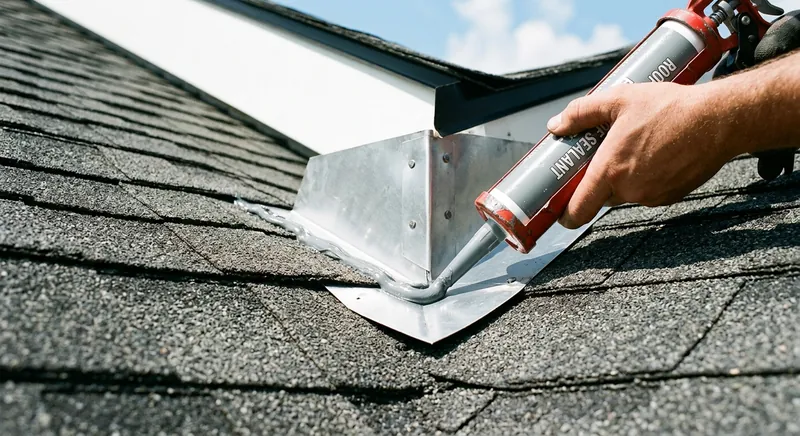
Best Roof Sealants for Reliable Leak Protection
Compare elastomeric, silicone, asphalt, and rubber roof sealants to find the right formula for your specific repair, roof material, and climate.
 Roofing & Home Repair
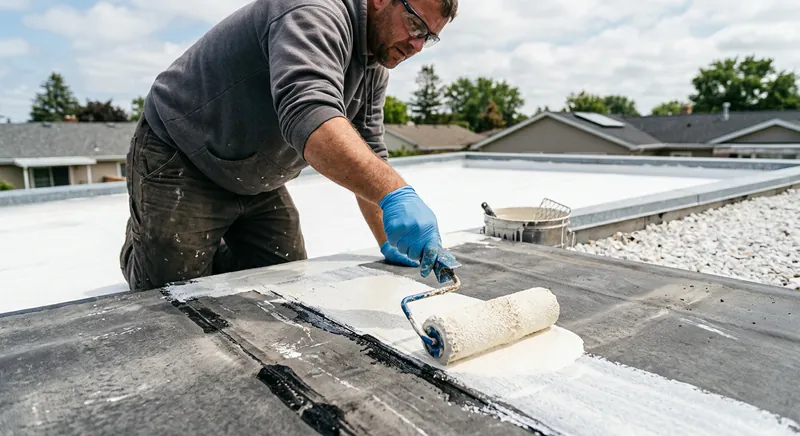
Best Rubber Roof Coatings for Weatherproof Protection
Compare liquid EPDM, butyl rubber, neoprene, and synthetic elastomeric coatings for flat and low-slope roofs to restore aged membranes and stop leaks.
 Roofing & Home Repair
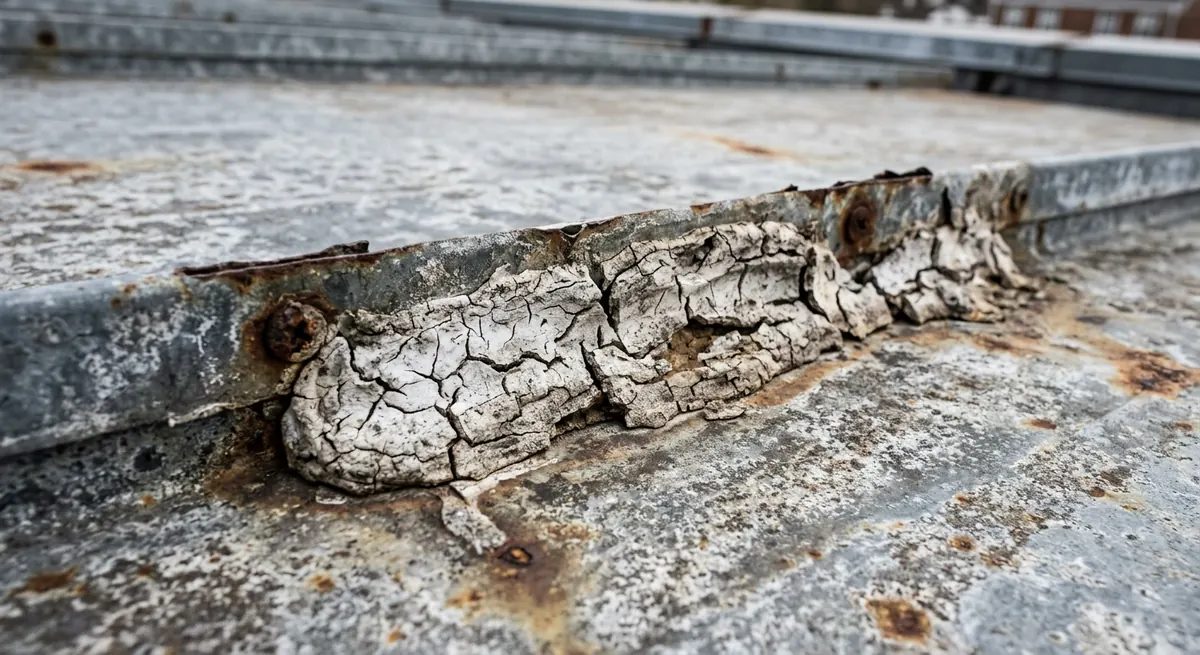
Roof Sealant vs Roof Coating: What Is the Difference?
Roof sealants and roof coatings serve different purposes. Learn the material, application, and roof-type differences to choose the right product for your repair.
 Roofing & Home Repair
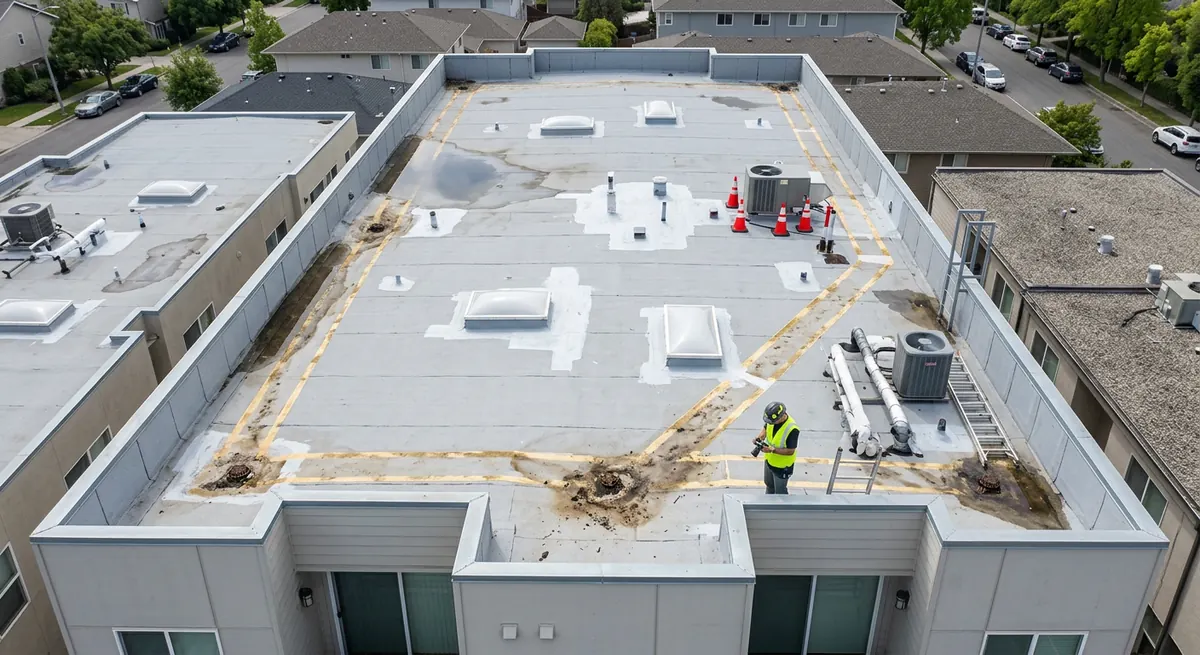
Flat Roof Maintenance Guide: Seasonal Checklist
Flat roofs require more maintenance than pitched roofs. This seasonal checklist covers drainage, coating inspection, seam checks, and debris removal to prevent leaks and extend roof life.
 Roofing & Home Repair
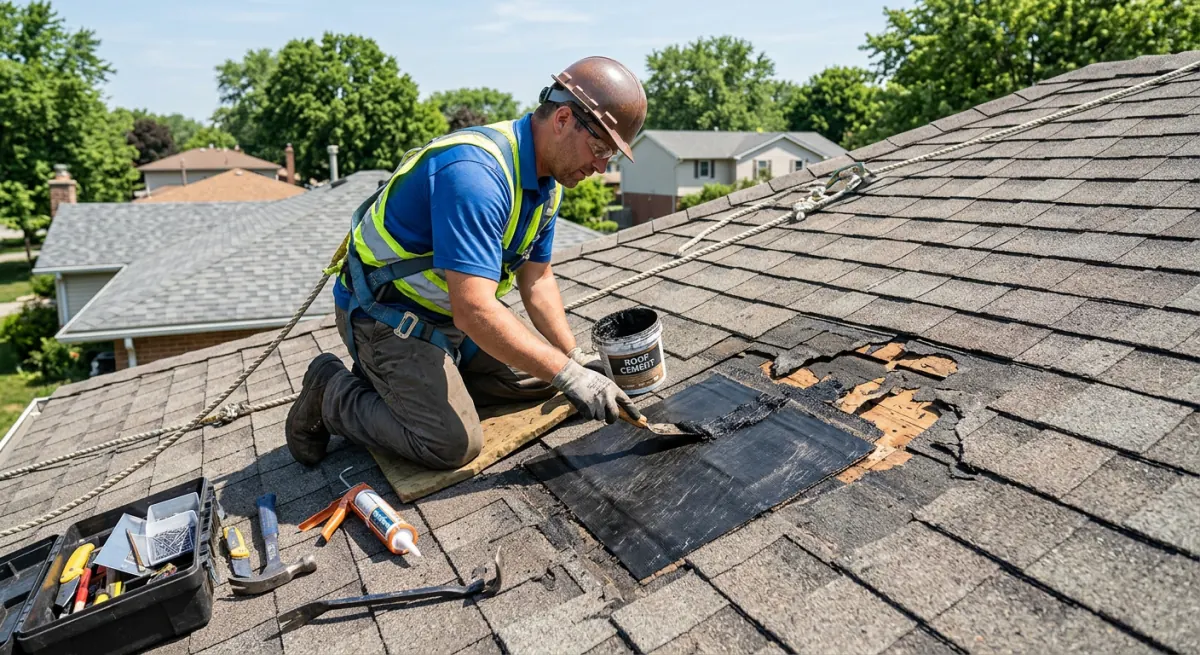
Roof Repair Cost Guide: What to Expect for Common Repairs
Understand what common roof repairs cost, the factors that drive pricing, when DIY is safe versus when to hire a professional, and the hidden costs of delaying repairs.
Get Smarter About Your Home
Receive practical buying guides, product comparisons, maintenance tips and home project ideas from HomeGear Guide.
You can unsubscribe at any time.