Roof Sealant vs Roof Coating: What Is the Difference?
Affiliate Disclosure: HomeGear Guide is reader-supported. When you buy through links on our site, we may earn an affiliate commission at no extra cost to you. We do not accept paid product placements or sponsor-biased reviews.
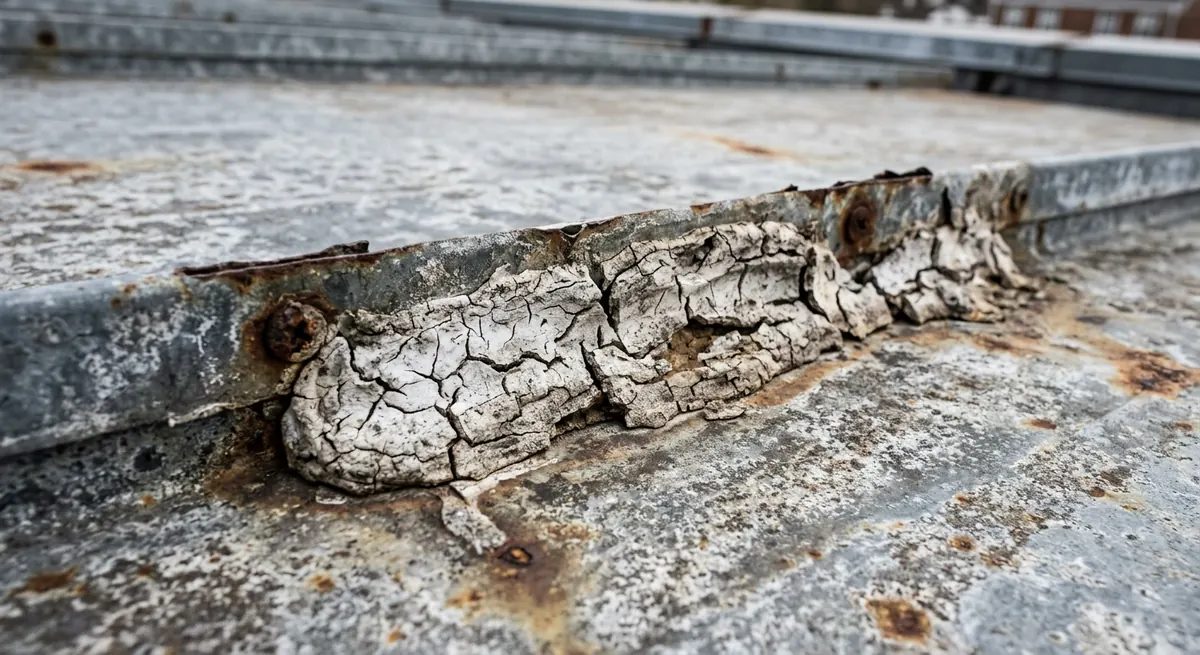
Roof sealant and roof coating are often mentioned in the same breath, but they are fundamentally different products designed for different purposes. A sealant is a targeted repair material — a thick, adhesive compound used to patch specific leaks, seal joints, and fill cracks. A coating is a protective layer applied across an entire roof surface to reflect UV rays, resist water, and extend the life of the roof. Using a sealant when you need a coating leaves large areas of your roof exposed to UV degradation and weathering. Using a coating when you need a sealant wastes material and may not properly seal the specific leak you are trying to fix. Understanding the difference helps you choose the right product for the job.
Quick Answer
Based on our research, the key distinction is scope: a roof sealant is a targeted product for repairing specific leaks, cracks, seams, and flashing joints, while a roof coating is a broad protective layer applied over an entire roof surface to extend its lifespan and reflect UV rays. Sealants are thick, adhesive compounds applied with a caulking gun or trowel to small areas — a cracked shingle, a gap around a vent boot, or a seam on a flat roof. Coatings are thinner, liquid-applied products rolled or sprayed across large areas to create a continuous waterproof membrane. Sealants are best for spot repairs on any roof type, while coatings are best for flat and low-slope roofs where UV and ponding water protection is needed. The main trade-off is precision versus coverage: sealants fill specific gaps with strong adhesion, while coatings provide uniform protection but cannot bridge significant gaps or cracks on their own.
Material Differences Between Sealants and Coatings
Roof sealants are formulated for adhesion and gap-filling. They are thick, viscous compounds — typically silicone, polyurethane, asphalt, or rubberized asphalt — designed to bond tightly to a specific surface and remain flexible enough to accommodate minor movement. A sealant needs to stick to the substrate, fill the gap, and stay in place for years. Silicone sealants excel at this because they adhere to most materials and remain flexible from -40°F to 300°F.
Roof coatings are formulated for coverage and weather resistance. They are thinner, liquid-applied products — typically elastomeric acrylic, silicone, or liquid rubber — designed to form a continuous film across a large surface. A coating needs to spread evenly, cure to a flexible membrane, and resist UV, water, and temperature cycling over the entire roof. Elastomeric coatings are popular because they expand and contract with the roof, while silicone coatings are valued for their ponding-water resistance.
The practical difference is viscosity and application method. A sealant is applied from a tube with a caulking gun or from a tub with a trowel, and it stays where you put it. A coating is applied with a roller, brush, or sprayer and flows to create a uniform layer. You cannot effectively coat a roof with sealant — it would be prohibitively expensive and uneven. You cannot effectively seal a specific crack with coating — it is too thin to fill the gap.
Application Differences and When to Use Each
Use a roof sealant when you have a specific, identifiable problem: a crack in a shingle, a gap around a plumbing vent boot, a separated seam on a flat roof membrane, or a joint where flashing has pulled away from a chimney. Sealants are applied to clean, dry surfaces in targeted areas. You clean the repair site, apply the sealant with a caulking gun or trowel, and allow it to cure. A tube of silicone sealant costs $15 to $25 and can address a single leak in under an hour.
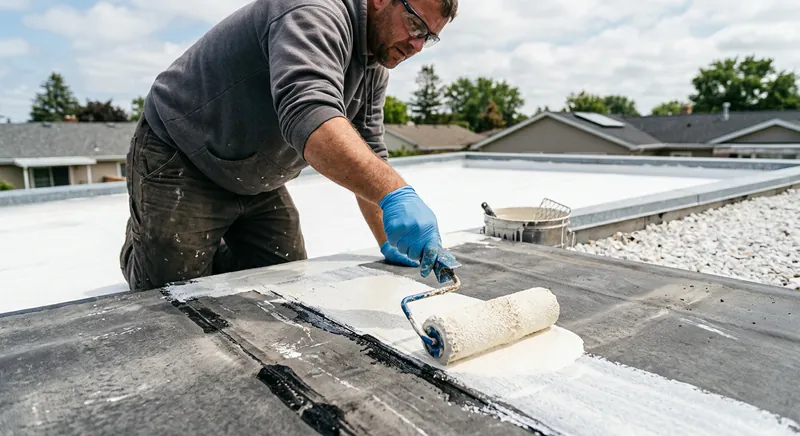
Use a roof coating when you want to protect or extend the life of an entire roof surface. Coatings are applied across the full roof after cleaning and minor repairs. You pressure-wash the surface, patch any significant cracks with sealant first, then roll or spray the coating in one or two coats. A gallon of elastomeric coating costs $30 to $60 and covers 50 to 100 square feet. A typical flat roof coating project uses 10 to 20 gallons.
The two products often work together. A common approach on a flat or low-slope roof is to seal specific cracks, seams, and flashing joints with sealant first, then apply a coating over the entire surface — including the sealed areas — for uniform protection. The sealant handles the details; the coating handles the broad surface.
Which Roof Types Suit Sealants vs Coatings
Sealants work on virtually every roof type. Asphalt shingle roofs benefit from asphalt patch or silicone sealant at flashing joints, vent boots, and cracked shingles. Metal roofs use polyurethane sealant at seams and fastener heads because polyurethane handles the expansion and contraction of metal. Flat and low-slope roofs use sealant at membrane seams, around penetrations, and at edges. Because sealants are applied to specific spots, roof type matters less — you are matching the sealant material to the substrate, not covering the whole roof.
Coatings are best suited for flat and low-slope roofs. Elastomeric and silicone coatings are designed for smooth, low-slope surfaces where UV exposure and ponding water are the primary concerns. Coating a pitched asphalt shingle roof is generally not recommended — coatings can trap moisture under shingles, add unnecessary weight, and void some shingle warranties. Metal roofs can be coated with specialized acrylic or elastomeric products designed for metal, which can extend the life of an aging metal roof by 10 to 15 years.
If you have a pitched shingle roof and a specific leak, use a sealant. If you have a flat or low-slope roof that is aging but structurally sound, a coating can extend its life by 5 to 15 years depending on the product. If your roof has both specific leaks and general surface wear, use sealant for the leaks and coating for the surface — but only on roof types appropriate for coating.
Roof Sealant Coverage Calculator
Estimate the exact gallons or tubes required based on your roof's square footage, pitch, and coating chemistry (elastomeric, silicone, or acrylic).
Frequently Asked Questions
Not effectively. A coating is too thin to fill a specific crack or gap. If you have an identifiable leak at a crack, seam, or flashing joint, use a sealant to fill and seal the gap first. Coating over an unfilled crack will not bridge it reliably. For best results, seal specific leaks with sealant, then apply coating over the entire surface including the sealed areas.
Final Verdict
The distinction is straightforward: use a roof sealant for targeted repairs of specific leaks, cracks, and joints, and use a roof coating for broad surface protection on flat or low-slope roofs. Sealants are thick, adhesive, and applied with a caulking gun or trowel to fill gaps. Coatings are thinner, liquid-applied, and rolled or sprayed across the entire roof. For the best results on a flat roof, use both — sealant for the details and coating for the surface. For a pitched shingle roof, stick with sealant for spot repairs and skip the coating.
Michael Davies
Home Systems & Repair Editor
Michael writes about roofing, attic ventilation, insulation, and structural repair products for HomeGear Guide. His focus is on helping homeowners understand the materials and tools involved in protecting their home exterior and interior.
Related Articles & Buying Guides
 Roofing & Home Repair
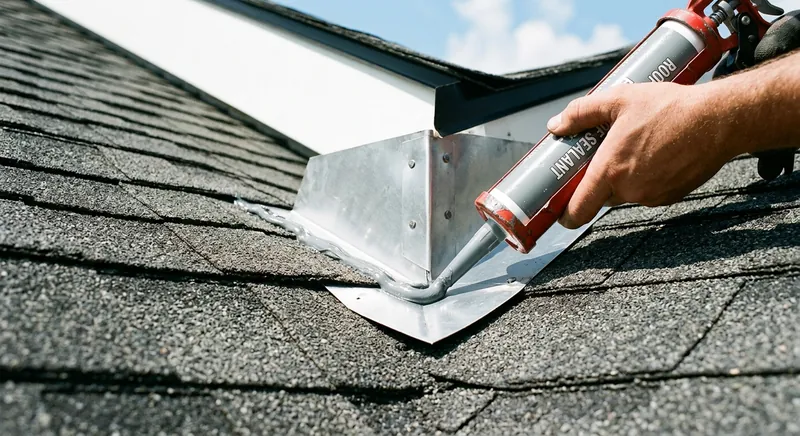
Best Roof Sealants for Reliable Leak Protection
Compare elastomeric, silicone, asphalt, and rubber roof sealants to find the right formula for your specific repair, roof material, and climate.
 Roofing & Home Repair
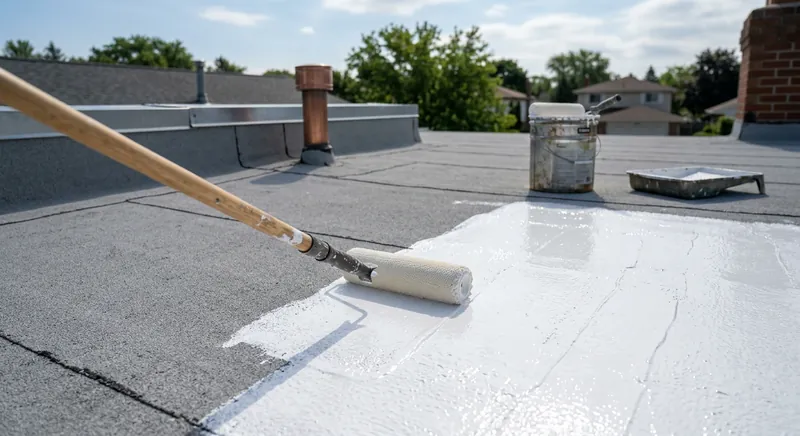
Best Roof Coatings for Flat Roofs
Compare silicone, elastomeric acrylic, polyurethane, and liquid rubber roof coatings for flat roofs to prevent leaks, lower cooling costs, and resist ponding water.
 Roofing & Home Repair
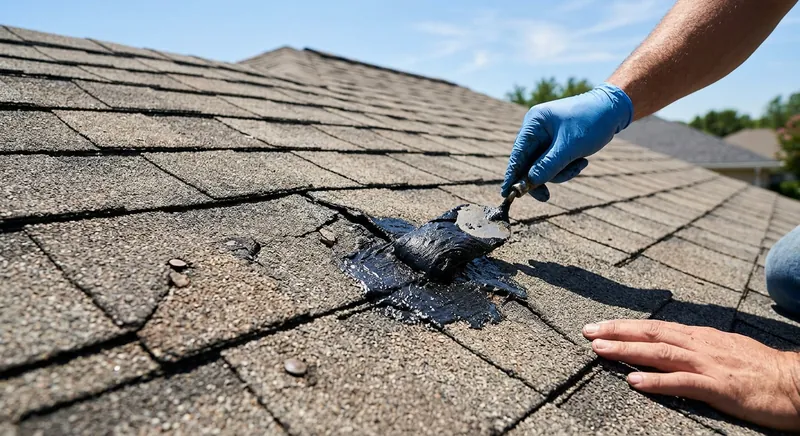
Best Roof Leak Repair Products for Quick Fixes
From emergency patch tape to permanent elastomeric sealant, compare roof leak repair products for different leak types, roof materials, and urgency.
 Roofing & Home Repair
Best Rubber Roof Coatings for Weatherproof Protection
Compare liquid EPDM, butyl rubber, neoprene, and synthetic elastomeric coatings for flat and low-slope roofs to restore aged membranes and stop leaks.
 Roofing & Home Repair
How to Find a Roof Leak Before It Causes Major Damage
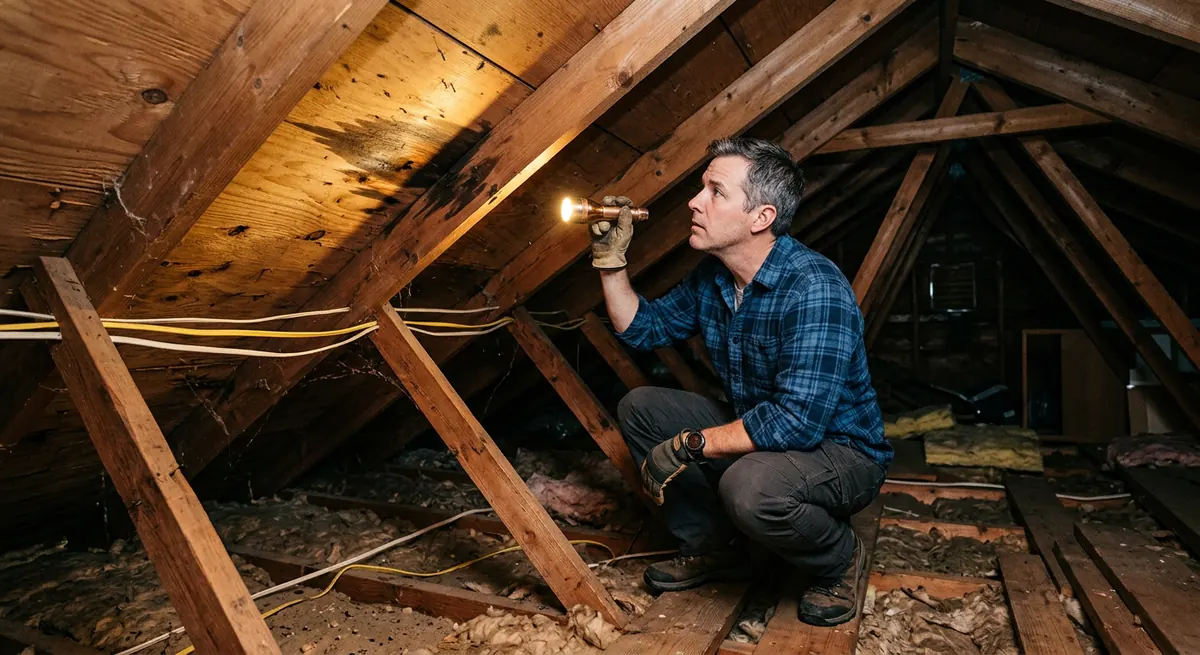
A step-by-step guide to tracing a roof leak from interior water stains to the actual entry point on the roof, including attic inspection, exterior checks, and a garden hose test.
Get Smarter About Your Home
Receive practical buying guides, product comparisons, maintenance tips and home project ideas from HomeGear Guide.
You can unsubscribe at any time.