Flat Roof Maintenance Guide: Seasonal Checklist
Affiliate Disclosure: HomeGear Guide is reader-supported. When you buy through links on our site, we may earn an affiliate commission at no extra cost to you. We do not accept paid product placements or sponsor-biased reviews.
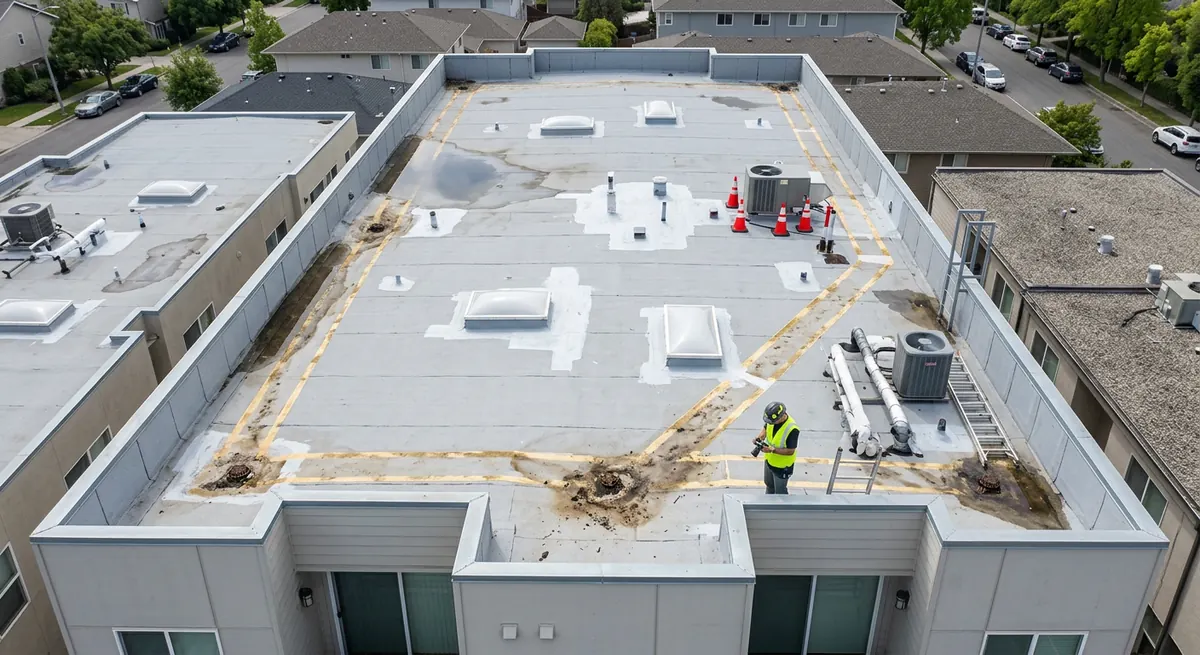
Flat and low-slope roofs require more maintenance than pitched roofs because they do not shed water as effectively. Water pools, UV degrades coatings, and seams separate — all problems that develop slowly and silently until a leak appears. A consistent maintenance routine catches these issues early, extends the roof lifespan by years, and prevents the interior water damage that flat roofs are prone to causing. This guide provides a seasonal maintenance checklist, explains what to inspect and why, and helps you decide when a repair is within DIY scope versus when to call a professional.
Quick Answer
Flat roof maintenance centers on four key areas: drainage (keep scuppers, gutters, and drains clear), surface condition (inspect coating for cracking, chalking, or blistering), seams and flashing (check for separation, lifting, or adhesive failure), and debris removal (clear leaves, branches, and dirt that trap moisture). Inspect twice per year — spring and fall — and after any major storm. The most common flat roof problems are ponding water (fix with improved drainage or a tapered insulation system), UV-degraded coating (recoat every 5 to 10 years with elastomeric or silicone), and seam separation (reseal with seam tape or liquid sealant). Budget $200 to $500 per year for routine maintenance, and plan for a full recoating every 7 to 10 years at $500 to $1,500. A well-maintained flat roof lasts 15 to 25 years; a neglected one fails in 8 to 12 years.
Why Flat Roofs Need More Maintenance
Pitched roofs shed water quickly by gravity. Flat roofs — which typically have a slope of 1:12 or less — rely on drainage paths that can be blocked, surfaces that must remain waterproof under standing water, and materials that face direct UV exposure without the benefit of shingle overlap.
Water that sits on a flat roof (ponding water) degrades roofing materials faster than flowing water. Ponding water breaks down acrylic coatings within 3 to 5 years, accelerates membrane aging, and adds weight that stresses the roof structure. If water does not drain within 48 hours after rain, the roof has a drainage problem that needs attention.
UV exposure is more intense on flat roofs because the surface faces the sun directly rather than at an angle. This means coatings degrade faster and must be reapplied more frequently than on pitched roofs. A flat roof coating that would last 10 years on a partially shaded slope may need recoating in 7 years on a fully exposed flat roof.
Seams are a inherent weakness in flat roofing. Whether the roof uses modified bitumen, EPDM rubber, TPO, or PVC, seams are where sheets are joined and where failures most often occur. Thermal cycling, UV, and foot traffic all stress seams over time.
Spring Maintenance Checklist
Spring is the most important inspection time because winter damage — ice, snow weight, and freeze-thaw cycling — may have created problems that need addressing before summer storms.
Inspect the roof surface. Walk the entire roof and look for blisters (raised bubbles in the membrane), cracks, punctures, and areas where the coating has worn thin or chalked. Mark problem areas with chalk or tape for repair.
Check all drainage paths. Clear scuppers, internal drains, and gutters of winter debris. Test that water flows freely through each drain. If water ponds in specific areas after rain, note the location — it may indicate a sagging area or blocked drain that needs attention.
Inspect seams and flashing. Look for separated seams, lifted edges, and gaps at flashing around penetrations, parapet walls, and roof edges. Press on seam areas to check adhesion — a seam that lifts easily has failed and needs resealing.
Check for winter damage. Ice dams, snow weight, and freeze-thaw can crack membranes, dislodge flashing, and damage drainage components. Look for new cracks, tears, or areas where the membrane has pulled away from walls or penetrations.
Clean the surface. Remove leaves, branches, dirt, and debris that trap moisture against the roof surface. Use a push broom or leaf blower — avoid pressure washing, which can force water under the membrane or damage coatings.
Fall Maintenance Checklist
Fall maintenance prepares the roof for winter — the harshest season for flat roofs. Addressing issues before freezing temperatures arrive prevents ice damage and water intrusion during the season when repairs are most difficult.
Repeat the surface inspection from spring. Look for new damage that developed over the summer — UV degradation is fastest during the long, hot days of summer, and thermal cycling stress is highest in late summer.
Clear all drainage paths thoroughly. Leaves are the primary fall concern. Even a small amount of leaf debris in a scupper or drain can cause water to back up and pond. Clean gutters, scuppers, and drain screens after all leaves have fallen.
Inspect and repair coating. If the coating shows significant chalking, cracking, or thinning, fall is the time to recoat — temperatures are still warm enough for proper curing, and the fresh coating will protect the roof through winter. Recoating in spring may be too late if winter ice and snow exploit the degraded areas.
Check all penetrations. Plumbing vents, HVAC curbs, skylights, and exhaust fan housings are common leak points. Inspect the flashing and sealant around each penetration and reseal any that show cracking or adhesion loss.
Trim overhanging branches. Branches that overhang the roof drop leaves, branches, and debris that clog drains and abrade the roof surface. Trim branches back at least 6 feet from the roof edge.
Dealing with Ponding Water
Ponding water is the most common and most damaging flat roof problem. Water that remains on the roof surface for more than 48 hours after rain indicates a drainage issue that will progressively worsen as the water degrades the roofing material and adds weight that sags the roof structure further.
First, determine the cause. Ponding can result from a clogged drain, a sagging roof deck, inadequate slope, or a blocked scupper. If clearing the drain or scupper resolves the ponding, the fix is simple maintenance. If the roof structure has sagged, creating a low spot, the fix is more involved.
For minor ponding in small areas, a self-leveling urethane or silicone sealant can fill the low spot and create a slope toward the drain. This is a DIY-friendly fix for areas under 10 square feet.
For larger ponding areas, a tapered insulation system installed under the roofing material may be needed to create proper slope. This is a professional job that involves removing the existing roof surface, installing tapered insulation boards, and re-roofing.
If ponding water has been present for an extended period, inspect the membrane and coating in the ponding area carefully. Water breaks down acrylic coatings within 3 to 5 years and can delaminate modified bitumen membranes. The damaged area may need to be cut out and replaced rather than simply recoated.
When to Recoat a Flat Roof
Recoating is the most important maintenance investment for a flat roof. A fresh coating restores UV protection, waterproofing, and reflectivity, extending the roof life by 5 to 15 years depending on the product.
Signs that recoating is needed: the surface is chalking heavily (rubbing your hand across it leaves a white or colored powder), the coating has cracked or is peeling in areas, the roof surface is darker than when last coated (indicating UV wear), or water is no longer beading on the surface.
The recoating schedule depends on the coating type. Elastomeric acrylic coatings need recoating every 5 to 7 years. Silicone coatings last 7 to 10 years. Liquid rubber coatings last 7 to 12 years. In high-UV climates like the Southwest, reduce these timelines by 20 to 30 percent.
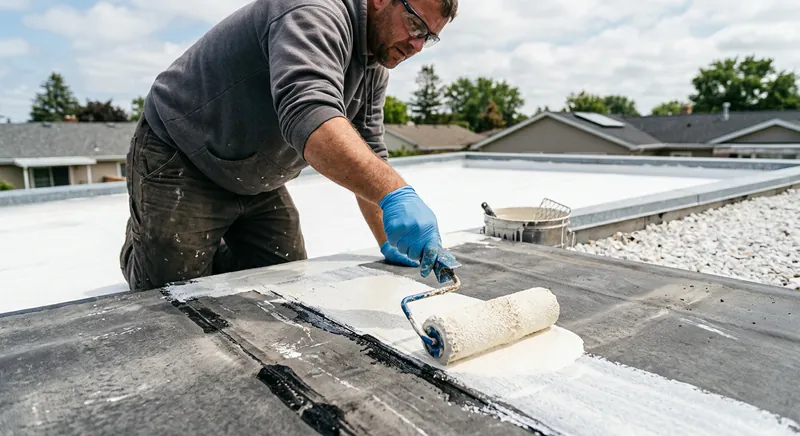
Before recoating, the roof must be cleaned, repaired, and dried. Patch all cracks and seams with sealant, clean the surface with a broom and mild detergent if needed, and allow it to dry completely. Apply the coating in two coats at right angles for uniform coverage. A typical flat roof of 1,000 to 2,000 square feet requires 10 to 20 gallons of coating.
The cost of recoating is $500 to $1,500 for a typical residential flat roof, depending on size and coating type. This investment every 7 to 10 years is far less than the $5,000 to $15,000 cost of a full flat roof replacement.
DIY vs. Professional Flat Roof Maintenance
Many flat roof maintenance tasks are within DIY scope if the roof is safely accessible — typically first-floor flat roofs or those with roof access stairs. Surface cleaning, debris removal, drain clearing, and visual inspection are all safe DIY tasks that require only basic tools.
Sealant application for small cracks and seams is a reasonable DIY project. A tube of silicone roof sealant costs $15 to $25, and applying it to a clean, dry surface takes minutes. The key is surface preparation — rushing this step is the most common DIY mistake.
Recoating is a larger project that can be DIY if you are comfortable working on the roof surface for several hours. It requires cleaning, repairing, and rolling two coats of coating. The main challenges are working safely on a flat surface (which may have trip hazards like vent pipes) and achieving uniform coverage. A homeowner can recoat a 1,000 square foot flat roof in a weekend for $300 to $600 in materials.
Hire a professional for: structural sagging or deck replacement, large-area membrane repair or replacement, any work near roof edges without parapet walls or railings, and full roof replacement. Also hire a professional if the roof is more than one story up or if you are not comfortable working on a roof surface.
A professional flat roof inspection costs $200 to $400 and is worthwhile every 3 to 5 years, even if you handle routine maintenance yourself. A professional can identify issues that are not visible from the surface, such as wet insulation under the membrane or deck deterioration.
Seasonal Home Maintenance Checklist
Customizable seasonal inspection checklist covering roof seals, flashing, gutter drainage, HVAC filters, and foundation protection.
Frequently Asked Questions
Inspect your flat roof twice per year — in spring after winter and in fall before winter. Also inspect after any major storm with hail, high winds, or heavy rain that could cause damage or debris accumulation. Each inspection takes 30 to 60 minutes and should cover the surface, drainage, seams, flashing, and penetrations.
Final Verdict
Flat roof maintenance is a consistent, seasonal commitment that pays for itself many times over. The four priorities are drainage, surface condition, seams, and coating — inspect each twice per year and after storms. The most damaging problems — ponding water, UV degradation, and seam separation — all develop slowly and are far less expensive to prevent than to repair. A homeowner who invests $200 to $500 per year in routine maintenance and recoats every 7 to 10 years can expect 20 to 25 years from a flat roof. The same roof neglected will need replacement in 8 to 12 years at $5,000 to $15,000. The choice is simple: maintain proactively or pay for replacement prematurely.
Michael Davies
Home Systems & Repair Editor
Michael writes about roofing, attic ventilation, insulation, and structural repair products for HomeGear Guide. His focus is on helping homeowners understand the materials and tools involved in protecting their home exterior and interior.
Related Articles & Buying Guides
 Roofing & Home Repair
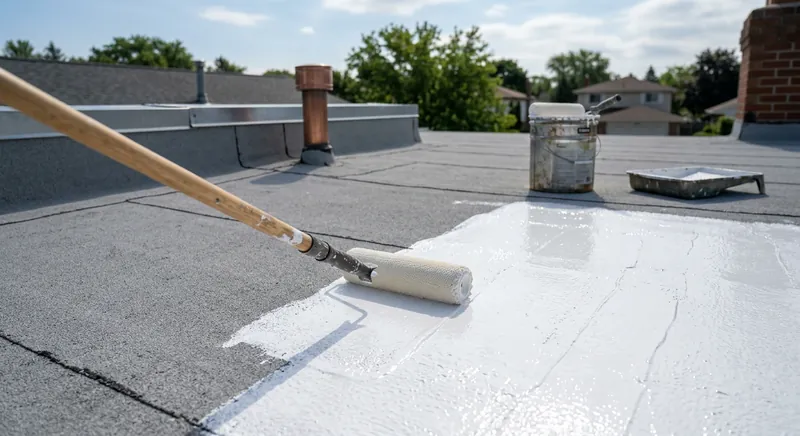
Best Roof Coatings for Flat Roofs
Compare silicone, elastomeric acrylic, polyurethane, and liquid rubber roof coatings for flat roofs to prevent leaks, lower cooling costs, and resist ponding water.
 Roofing & Home Repair
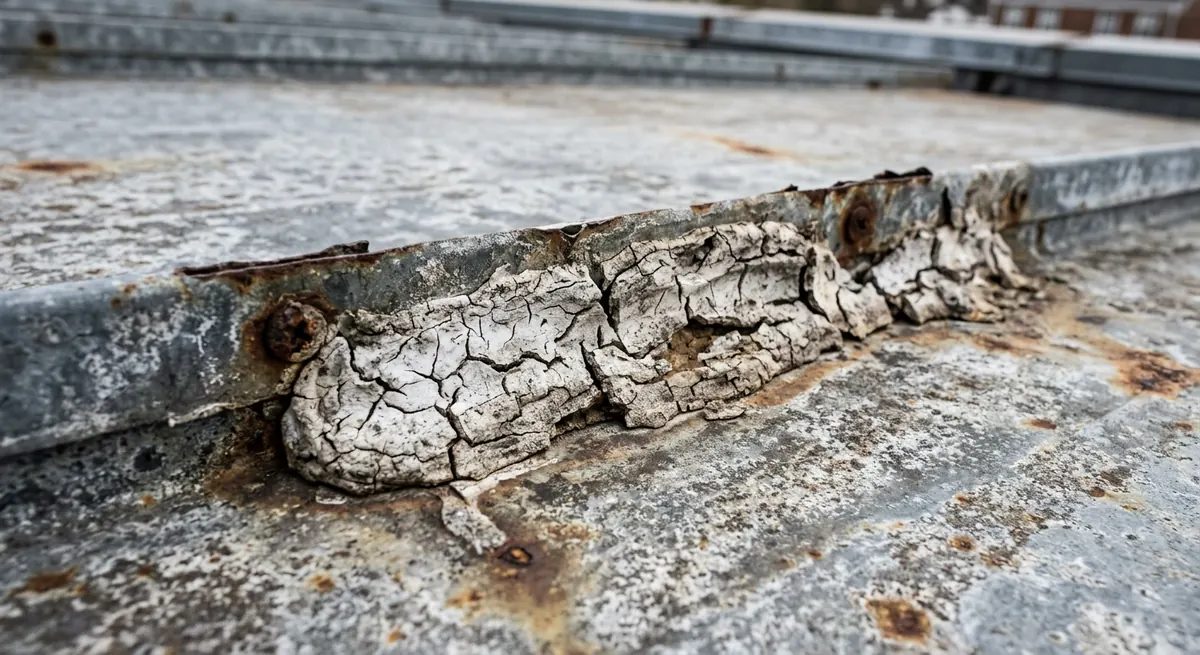
Roof Sealant vs Roof Coating: What Is the Difference?
Roof sealants and roof coatings serve different purposes. Learn the material, application, and roof-type differences to choose the right product for your repair.
 Roofing & Home Repair
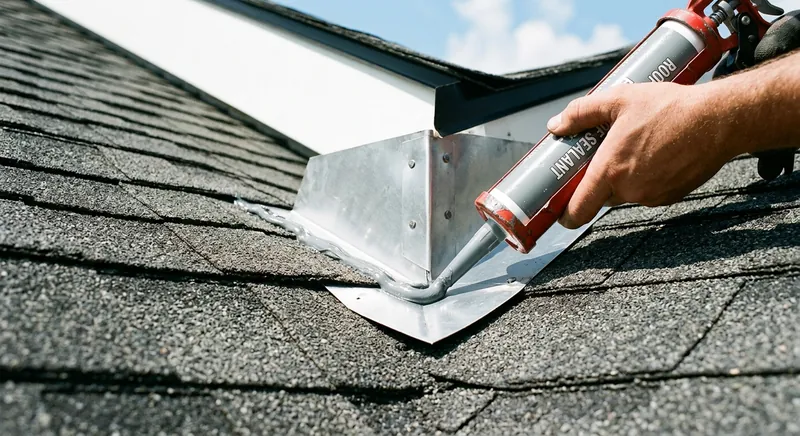
Best Roof Sealants for Reliable Leak Protection
Compare elastomeric, silicone, asphalt, and rubber roof sealants to find the right formula for your specific repair, roof material, and climate.
 Roofing & Home Repair
Best Rubber Roof Coatings for Weatherproof Protection
Compare liquid EPDM, butyl rubber, neoprene, and synthetic elastomeric coatings for flat and low-slope roofs to restore aged membranes and stop leaks.
 Roofing & Home Repair
Roof Repair Cost Guide: What to Expect for Common Repairs
Understand what common roof repairs cost, the factors that drive pricing, when DIY is safe versus when to hire a professional, and the hidden costs of delaying repairs.
Get Smarter About Your Home
Receive practical buying guides, product comparisons, maintenance tips and home project ideas from HomeGear Guide.
You can unsubscribe at any time.