Best Smart Garage Door Openers for Remote Access and Security
Affiliate Disclosure: HomeGear Guide is reader-supported. When you buy through links on our site, we may earn an affiliate commission at no extra cost to you. We do not accept paid product placements or sponsor-biased reviews.
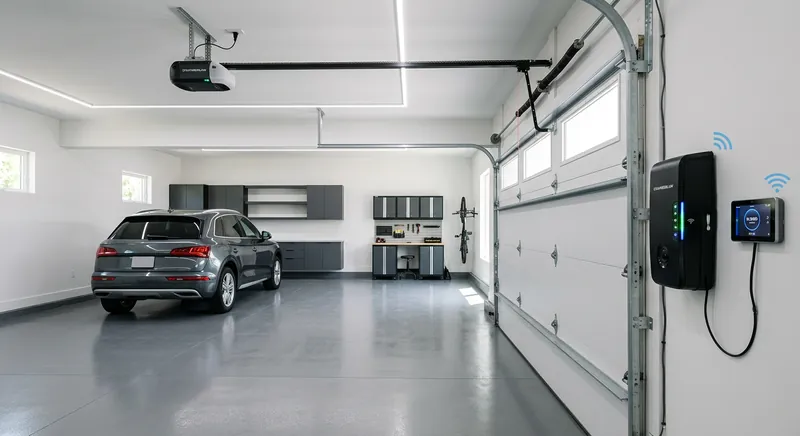
A smart garage door opener lets you check whether the garage is closed from your phone, open it for a delivery or guest while you are away, and receive alerts if it opens unexpectedly. For many homes, the garage is the largest entry point and one of the most commonly left open by mistake — making it a natural place to add smart control. There are two paths to a smart garage: replacing your existing opener with a new smart-enabled unit, or adding a smart controller to an opener that still works fine. Which path makes sense depends on the age and condition of your current opener, the drive type you prefer, and how much of the work you want to do yourself. Understanding drive types, horsepower ratings, and smart feature sets helps you choose the right approach.
Quick Answer
For most homeowners with a working garage door opener less than 15 years old, adding a smart controller for 30 to 80 dollars is the best choice because it retrofits onto your existing opener to provide phone control, scheduling, and open-close alerts without the cost and effort of replacing the entire unit. Smart controllers are compatible with most openers built after 1993 that use safety sensors. If your opener is older, unreliable, or lacks safety sensors, replacing it with a smart-enabled belt-drive unit in the 200 to 400 dollar range is the better investment. Belt-drive openers are the quietest option and are worth the premium for garages adjacent to living spaces. The main trade-off is retrofit cost versus full replacement, as smart controllers add intelligence to an aging motor that may fail soon anyway. Battery backup is a feature worth paying for in areas prone to power outages.
Top Picks at a Glance
Belt Drive Smart Opener
Chain Drive Smart Opener
Wall-Mount Smart Opener
Smart Garage Controller
Product Comparison
| Product | Best For | Drive Type | Horsepower | Connectivity | Price Range | Details |
|---|---|---|---|---|---|---|
Belt Drive Smart Opener Best Overall | Quiet operation with smart features | Belt drive | 1/2 or 3/4 HP | Built-in Wi-Fi | $200–$350 | View Review ↓ |
Chain Drive Smart Opener Best Value | Durable, affordable smart garage control | Chain drive | 1/2 HP | Built-in Wi-Fi | $150–$250 | View Review ↓ |
Wall-Mount Smart Opener Best for Clearance | Garages with low ceilings or maximum overhead clearance | Direct-drive (wall-mount/jackshaft) | Varies — rated by door size compatibility | Built-in Wi-Fi | $250–$400 | View Review ↓ |
Smart Garage Controller Best Retrofit | Adding smart features to an existing opener | N/A — works with existing opener | N/A — uses existing opener motor | Wi-Fi | $30–$80 | View Review ↓ |
Belt Drive Smart Opener
Best Overall- Best For:
- Quiet operation with smart features
- Drive Type:
- Belt drive
- Horsepower:
- 1/2 or 3/4 HP
- Connectivity:
- Built-in Wi-Fi
- Price Range:
- $200–$350
Chain Drive Smart Opener
Best Value- Best For:
- Durable, affordable smart garage control
- Drive Type:
- Chain drive
- Horsepower:
- 1/2 HP
- Connectivity:
- Built-in Wi-Fi
- Price Range:
- $150–$250
Wall-Mount Smart Opener
Best for Clearance- Best For:
- Garages with low ceilings or maximum overhead clearance
- Drive Type:
- Direct-drive (wall-mount/jackshaft)
- Horsepower:
- Varies — rated by door size compatibility
- Connectivity:
- Built-in Wi-Fi
- Price Range:
- $250–$400
Smart Garage Controller
Best Retrofit- Best For:
- Adding smart features to an existing opener
- Drive Type:
- N/A — works with existing opener
- Horsepower:
- N/A — uses existing opener motor
- Connectivity:
- Wi-Fi
- Price Range:
- $30–$80
Detailed Product Reviews & Specifications
Belt Drive Smart Opener
A belt drive garage door opener with built-in Wi-Fi for remote control, scheduling, and alerts. Belt drive operation is quieter than chain drive, making it ideal for homes with attached garages or living spaces above or adjacent to the garage.
Pros
- •Quiet belt drive — ideal for attached garages and rooms above
- •Built-in Wi-Fi for remote control and alerts via app
- •Battery backup keeps the opener working during power outages
- •Supports scheduling and automatic close features
Cons
- •Higher cost than chain drive models
- •Belt may need replacement after extended use
- •Installation requires removing the old opener and rail system
Key Specifications
Chain Drive Smart Opener
A chain drive garage door opener with built-in Wi-Fi for smart control. Chain drive is durable and cost-effective, though it is louder than belt drive. A practical choice for detached garages or homes where noise is not a concern.
Pros
- •Lower cost than belt drive models
- •Durable chain drive mechanism
- •Built-in Wi-Fi for remote control and alerts
- •Readily available replacement parts and accessories
Cons
- •Louder operation than belt drive
- •Chain may require periodic lubrication
- •Not ideal for garages adjacent to living spaces
Key Specifications
Wall-Mount Smart Opener
A wall-mount (jackshaft) garage door opener that mounts beside the door rather than on the ceiling. Eliminates the ceiling-mounted rail and trolley system, freeing up overhead space for storage or a high-lift door configuration. Includes Wi-Fi for smart control.
Pros
- •Mounts on the wall beside the door — no ceiling rail required
- •Frees overhead space for storage or ceiling clearance
- •Quiet operation with direct-drive design
- •Built-in Wi-Fi for remote control and alerts
Cons
- •Higher cost than ceiling-mounted openers
- •Installation is more complex — may require professional setup
- •Compatible only with torsion spring doors (not extension spring)
Key Specifications
Smart Garage Controller
A smart garage controller that connects to your existing garage door opener and adds Wi-Fi remote control, alerts, and scheduling without replacing the opener. Installs in minutes by wiring into the opener's control terminals and attaching a door position sensor.
Pros
- •Adds smart features without replacing a working opener
- •Quick installation — typically 15–30 minutes
- •Lower cost than a full opener replacement
- •Works with most openers manufactured after 1993
Cons
- •Does not improve the opener's mechanical condition or noise
- •Compatibility varies — some openers are not supported
- •Relies on the existing opener's motor and safety systems
Key Specifications
Compatibility with Your Existing Opener
If your current garage door opener still works reliably, the simplest path to smart control is a retrofit smart garage controller. These small devices wire into your opener's control terminals and add Wi-Fi connectivity for remote operation, alerts, and scheduling — without removing or replacing the opener itself. Installation typically takes 15–30 minutes.
However, compatibility is not universal. Most controllers work with openers manufactured after 1993 that have standard push-button controls. Some openers with proprietary smart systems built in — such as certain Chamberlain and LiftMaster models with MyQ — may not work with third-party controllers. Check the controller's compatibility list before purchasing.
If your opener is more than 10–15 years old, makes excessive noise, or has reliability issues, replacing it with a new smart-enabled opener is a better investment than retrofitting. A new opener gives you a fresh motor, updated safety sensors, and built-in smart features without compatibility concerns.
Belt Drive vs Chain Drive
The drive type determines how the opener moves the door and how much noise it makes. Chain drive openers use a metal chain to pull the trolley, which is durable and affordable but produces noticeable rattling and vibration. They are fine for detached garages but can be disruptive in homes with attached garages or rooms above.
Belt drive openers use a reinforced rubber or polyurethane belt instead of a chain. The belt operates quietly and smoothly, making it the preferred choice for attached garages and homes with living spaces above or adjacent to the garage. Belt drives cost more but the quieter operation is worth it for most attached-garage homes.
A third option — wall-mount or jackshaft openers — mount beside the door and drive the torsion shaft directly. These are the quietest and free up ceiling space, but they cost more and only work with torsion spring systems. If your garage has a torsion spring and you want maximum quiet and clearance, a wall-mount opener is worth considering.
Screw Drive Openers
Screw drive openers use a threaded steel rod to move the trolley. They have fewer moving parts than chain or belt drives, requiring less maintenance, and operate at a noise level between chain and belt. They perform well in moderate climates but can be affected by extreme temperature changes, which cause the steel rod to expand or contract and affect speed. Screw drive models are less common in the current market but remain a viable option.
Horsepower Rating and Door Size
Garage door openers are rated by horsepower (HP), and the rating you need depends on your door size and material. 1/2 HP is the most common rating and handles standard single-car and double-car steel doors. For heavier doors — solid wood, heavy insulated doors, or oversized doors — 3/4 HP provides the extra power needed for reliable operation.
Choosing an opener with too little horsepower for your door leads to strain on the motor, shorter lifespan, and potential failure. Choosing more horsepower than you need does not hurt, but it costs more. Match the HP rating to your door: 1/2 HP for standard steel doors up to 16 feet wide, 3/4 HP for heavier or oversized doors.
Also check the rail length. Standard rails fit 7-foot doors, which is the most common residential height. If you have an 8-foot door, you need a rail extension kit. For 10-foot doors, verify the opener supports that height before purchasing.
Smart Features and MyQ Compatibility
Smart garage door openers and controllers offer several features beyond remote open and close. Door status alerts notify you if the door is left open for a set period. Scheduling lets you set the door to close automatically at a specific time each night. Geo-fencing can automatically close the door when you leave a defined area. Guest access lets you grant temporary or recurring access to family members, service providers, or delivery drivers.
MyQ is a smart garage platform used by Chamberlain and LiftMaster openers. It provides app-based control, scheduling, and integration with some smart home platforms. If you buy a Chamberlain or LiftMaster opener, MyQ is built in. If you have a different brand of opener, a MyQ universal controller can add similar features. Note that MyQ has historically had limited integration with some third-party smart home platforms, so check current compatibility if integration is important to you.
When comparing smart features, focus on the ones that match your routine. If you frequently forget to close the garage, auto-close and open alerts are the most valuable. If you want to let in deliveries or guests remotely, guest access and remote open are essential. Voice assistant integration is convenient but not critical for most users.
Frequently Asked Questions
Yes. A smart garage controller wires into your existing opener's control terminals and adds Wi-Fi remote control, alerts, and scheduling. Most controllers work with openers manufactured after 1993 with standard push-button controls. Check compatibility with your specific opener model before purchasing, as some brands with built-in smart systems may not work with third-party controllers.
Final Verdict
For most homeowners replacing an opener, a belt drive smart opener with built-in Wi-Fi is the best choice — it provides quiet operation for attached garages, reliable smart features, and battery backup for power outages. If budget is the priority or your garage is detached, a chain drive smart opener delivers the same smart features at a lower cost with the trade-off of more noise. Wall-mount openers are excellent for garages with low ceilings or torsion spring doors where you want to maximize overhead space. If your existing opener still works well, a smart garage controller adds remote control and alerts for a fraction of the cost of replacement. Verify compatibility before buying, and match the horsepower rating to your door size and weight.
Emily Ross
Smart Home & Energy Writer
Emily researches smart home technology, home energy systems, and backup power solutions for HomeGear Guide. Her work focuses on helping homeowners understand how connected devices and energy products compare and what to look for before investing.
Related Articles & Buying Guides
 Smart Home
Best Smart Locks for Keyless Home Entry
Compare Wi-Fi, Bluetooth, and Z-Wave smart locks with keypads and fingerprint readers. Understand deadbolt grades, battery life, and keyless entry options.
 Smart Home
Best Video Doorbells for Home Security and Package Protection
Compare wired and battery-powered video doorbells. Understand resolution, field of view, storage fees, smart alerts, and which power source fits your home.
 Smart Home
Best Outdoor Security Cameras for Home Monitoring
Compare wire-free, wired PoE, floodlight, and budget outdoor cameras. Understand resolution, night vision, power source, storage options, and IP weather ratings.
 Smart Home
Best Smart Home Hubs for Device Control and Automation
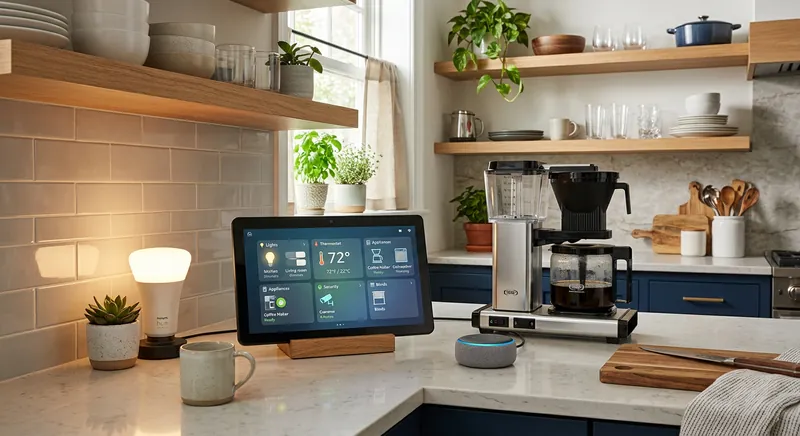
Compare Matter-compatible, Z-Wave, voice assistant, and budget smart home hubs. Understand protocol support, voice integration, automation, and local vs cloud processing.
Get Smarter About Your Home
Receive practical buying guides, product comparisons, maintenance tips and home project ideas from HomeGear Guide.
You can unsubscribe at any time.