Best Insulation Blower Rental Options for DIY Installation
Affiliate Disclosure: HomeGear Guide is reader-supported. When you buy through links on our site, we may earn an affiliate commission at no extra cost to you. We do not accept paid product placements or sponsor-biased reviews.
Renting an insulation blower is one of the most cost-effective ways to upgrade your attic insulation. Blown-in fiberglass or cellulose insulation fills gaps better than batts, covers irregular joist spacing, and can be layered over existing insulation. Professional installation can cost $1.50–$3.00 per square foot, but renting a blower and doing it yourself can cut that to $0.60–$1.00 per square foot — a savings of $500–$1,500 on a typical attic. The key is choosing the right blower for your project size and understanding how to use it effectively. This guide compares rental options by capacity, power, and hose length so you can pick the right equipment and get professional-looking results.
Quick Answer
A mid-range insulation blower rental from Home Depot or Lowe's is the right choice for most DIY attic projects up to 1,500 square feet, handling 15 to 25 bags per hour on standard 120V household power for 45 to 70 dollars per day. Both stores often offer free blower rental with the purchase of 20 or more insulation bags, which eliminates the rental fee entirely. For attics over 1,500 square feet, upgrade to a heavy-duty blower that processes 30 to 50 bags per hour and handles 100-plus foot hose runs without clogging. Compact blowers are fine for small spot-insulation jobs but will be painfully slow for a full attic. Two people are needed for efficient operation, one feeding the hopper and one directing the hose, and proper preparation including air sealing and depth markers determines the quality of results.
Top Picks at a Glance
Heavy-Duty Insulation Blower
Mid-Range Insulation Blower
Compact Insulation Blower
Commercial-Grade Blower
Product Comparison
| Product | Best For | Capacity | Power | Hose Length | Rental Cost | Details |
|---|---|---|---|---|---|---|
Heavy-Duty Insulation Blower Best for Large Attics | Large attics (1,500+ sq ft) and homeowners who want faster throughput | 30–50 bags/hour; hopper holds 4–6 bags | 120V electric (some require 240V) | 100–150 feet | $60–$100/day rental | View Review ↓ |
Mid-Range Insulation Blower Best for Standard Projects | Standard attic insulation projects (500–1,500 sq ft) | 15–25 bags/hour; hopper holds 2–3 bags | 120V electric (standard outlet) | 50–100 feet | $45–$70/day rental | View Review ↓ |
Compact Insulation Blower | Small projects, spot insulation, or hard-to-reach areas | 5–15 bags/hour; hopper holds 1–2 bags | 120V electric (standard outlet) | 25–50 feet | $30–$50/day rental | View Review ↓ |
Commercial-Grade Blower Best for Pros and Big Jobs | Very large projects, multi-day jobs, or contractors handling multiple homes | 50–80+ bags/hour; hopper holds 6–10 bags | 240V electric or gas-powered | 150–250 feet | $100–$200/day rental | View Review ↓ |
Heavy-Duty Insulation Blower
Best for Large Attics- Best For:
- Large attics (1,500+ sq ft) and homeowners who want faster throughput
- Capacity:
- 30–50 bags/hour; hopper holds 4–6 bags
- Power:
- 120V electric (some require 240V)
- Hose Length:
- 100–150 feet
- Rental Cost:
- $60–$100/day rental
Mid-Range Insulation Blower
Best for Standard Projects- Best For:
- Standard attic insulation projects (500–1,500 sq ft)
- Capacity:
- 15–25 bags/hour; hopper holds 2–3 bags
- Power:
- 120V electric (standard outlet)
- Hose Length:
- 50–100 feet
- Rental Cost:
- $45–$70/day rental
Compact Insulation Blower
- Best For:
- Small projects, spot insulation, or hard-to-reach areas
- Capacity:
- 5–15 bags/hour; hopper holds 1–2 bags
- Power:
- 120V electric (standard outlet)
- Hose Length:
- 25–50 feet
- Rental Cost:
- $30–$50/day rental
Commercial-Grade Blower
Best for Pros and Big Jobs- Best For:
- Very large projects, multi-day jobs, or contractors handling multiple homes
- Capacity:
- 50–80+ bags/hour; hopper holds 6–10 bags
- Power:
- 240V electric or gas-powered
- Hose Length:
- 150–250 feet
- Rental Cost:
- $100–$200/day rental
Detailed Product Reviews & Specifications
Heavy-Duty Insulation Blower
A heavy-duty insulation blower is designed for larger residential projects. These machines typically handle 30–50 bags of insulation per hour and have enough power to blow material through 100+ feet of hose without clogging. They feature larger hoppers (holding 4–6 bags at once), more powerful blowers, and air-lock feeding systems that deliver consistent material flow. Most equipment rental stores and home improvement centers carry this class of machine.
Pros
- •High throughput — covers large attics in a single day
- •Handles long hose runs without clogging
- •Larger hopper means fewer refills
- •Air-lock system provides consistent material density
Cons
- •Requires a truck or large SUV to transport
- •Heavier and harder to maneuver than smaller units
- •Higher rental cost per day
- •Requires two people to operate efficiently
Key Specifications
Mid-Range Insulation Blower
A mid-range insulation blower is the most common rental machine, available at nearly every Home Depot and Lowe's location. These machines handle 15–25 bags per hour, have hoppers that hold 2–3 bags, and come with 50–100 feet of hose. They run on standard 120V household power and can be transported in a pickup truck or large SUV. For most residential attic projects, this is the sweet spot between capacity and convenience.
Pros
- •Widely available at home improvement stores
- •Runs on standard 120V household power
- •Manageable size for transport in a pickup truck
- •Good throughput for medium-sized attics
Cons
- •May clog on long hose runs (over 75 feet)
- •Hopper needs frequent refilling
- •Throughput is slower than heavy-duty models
- •Material density can be inconsistent at low feed rates
Key Specifications
Compact Insulation Blower
A compact insulation blower is a smaller, portable machine designed for small jobs — adding insulation to a specific area, filling wall cavities, or insulating a small attic or crawlspace. These machines handle 5–15 bags per hour and have a hopper that holds 1–2 bags. They are lighter, easier to transport (fit in a sedan trunk in some cases), and run on standard 120V power. They are also the most affordable rental option.
Pros
- •Lightweight and easy to transport
- •Fits in smaller vehicles
- •Lowest rental cost
- •Good for small or spot-insulation projects
Cons
- •Slow throughput — not suitable for large attics
- •Limited hose length (25–50 feet)
- •Frequent hopper refills needed
- •May struggle with dense or compacted material
Key Specifications
Commercial-Grade Blower
A commercial-grade insulation blower is the most powerful class of machine, typically used by insulation contractors but available for rent at specialized equipment rental yards. These machines handle 50–80+ bags per hour, have large hoppers (6–10 bags), and can push material through 200+ feet of hose. They often feature hydraulic or agitator-fed systems for consistent material delivery and may require 240V power or a generator.
Pros
- •Highest throughput — can insulate a large attic in hours
- •Handles very long hose runs without clogging
- •Consistent material density for even coverage
- •Built for continuous multi-day operation
Cons
- •Most expensive rental option
- •Requires specialized rental yard (not at Home Depot/Lowe's)
- •May require 240V power or a generator
- •Overkill for most DIY residential projects
Key Specifications
Renting vs. Buying an Insulation Blower
For most homeowners, renting is the clear choice. A new insulation blower costs $1,500–$5,000, while a one-day rental is $30–$100. Unless you plan to insulate multiple properties or start a side business, buying does not make financial sense.
Renting also gives you access to professional-grade equipment that you would not want to buy. Rental machines from Home Depot, Lowe's, and equipment rental yards are well-maintained and include the hose, connectors, and instructions you need.
The main advantage of buying is availability — you do not have to worry about rental availability during peak season, and you can take your time with the project. For most people, though, renting is the practical and economical choice.
Where to Rent an Insulation Blower
Home Depot is the most common rental source for insulation blowers. They offer free blower rental with the purchase of a minimum number of insulation bags (typically 20 or more). This is the most cost-effective option if you are buying their insulation. Reserve the machine in advance, especially during spring and fall peak seasons.
Lowe's also offers insulation blower rentals with a similar free-rental-with-purchase program. Check both stores for availability and pricing, as policies and promotions vary by location.
Local equipment rental yards are another option, particularly for heavy-duty and commercial-grade machines that home improvement stores do not carry. These yards typically charge by the day and may require a deposit. They are also a good source if Home Depot and Lowe's are booked up during peak season.
What to Bring When Renting
A truck, SUV, or vehicle large enough to transport the machine (check dimensions before picking up)
A valid driver's license and credit card for the rental deposit
The number of insulation bags you need (if taking advantage of free-rental-with-purchase)
A helper — most rental yards require two people to load and unload the machine
Sizing the Blower to Your Project
The right blower size depends on your attic square footage and the type of insulation you are using. A small attic (under 500 sq ft) can be done with a compact blower in a few hours. A standard attic (500–1,500 sq ft) is best handled by a mid-range blower in a full day. A large attic (1,500+ sq ft) calls for a heavy-duty blower to complete the job in a reasonable timeframe.
The type of insulation also matters. Cellulose is denser and harder to blow than fiberglass, so you may need a more powerful machine for cellulose. Fiberglass blows more easily and can be handled by most rental machines.
As a rule of thumb, calculate how many bags you will need (check the coverage chart on the insulation packaging) and estimate your project time. If you need more than 30 bags, choose at least a mid-range blower. If you need more than 60 bags, go with a heavy-duty model.
DIY Installation Tips
Preparation is the most important part of a DIY insulation project. Before renting the blower, air seal the attic floor (seal gaps around recessed lights, plumbing penetrations, and the attic hatch with caulk or foam). Install depth markers (rulers or flags) throughout the attic so you can see when you have reached the target depth. Create a plywood platform around the attic access so you have a stable surface to work from.
When operating the blower, have one person feed insulation into the hopper and another person in the attic directing the hose. Start at the farthest point from the attic access and work your way back. Keep the hose moving to distribute insulation evenly, and watch your depth markers to ensure consistent coverage.
Wear proper safety gear: a NIOSH-approved respirator or dust mask, safety goggles, long sleeves, gloves, and a hat. Fiberglass and cellulose dust can irritate skin, eyes, and lungs. Work in cooler weather if possible — attics can be dangerously hot in summer.
Home Insulation R-Value Guide by Climate Zone
Find official Department of Energy (DOE) recommended R-values for your climate zone across attics, exterior walls, and crawlspaces.
Frequently Asked Questions
Rental costs range from $30–$100 per day depending on the machine size and rental source. Home Depot and Lowe's often offer free blower rental when you purchase 20+ bags of insulation, which can save you the rental fee entirely. Specialized rental yards charge $60–$200 per day for heavy-duty and commercial-grade machines.
Final Verdict
For most DIY attic insulation projects, a mid-range rental blower from Home Depot or Lowe's is the best choice — it is widely available, runs on standard household power, and handles attics up to 1,500 square feet in a day. Take advantage of the free-rental-with-purchase programs to save on the rental fee. For larger attics, upgrade to a heavy-duty blower to save time. Whatever machine you choose, proper preparation — air sealing, depth markers, and safety gear — is what determines the quality of your results.
Michael Davies
Home Systems & Repair Editor
Michael writes about roofing, attic ventilation, insulation, and structural repair products for HomeGear Guide. His focus is on helping homeowners understand the materials and tools involved in protecting their home exterior and interior.
Related Articles & Buying Guides
 Attic & Insulation
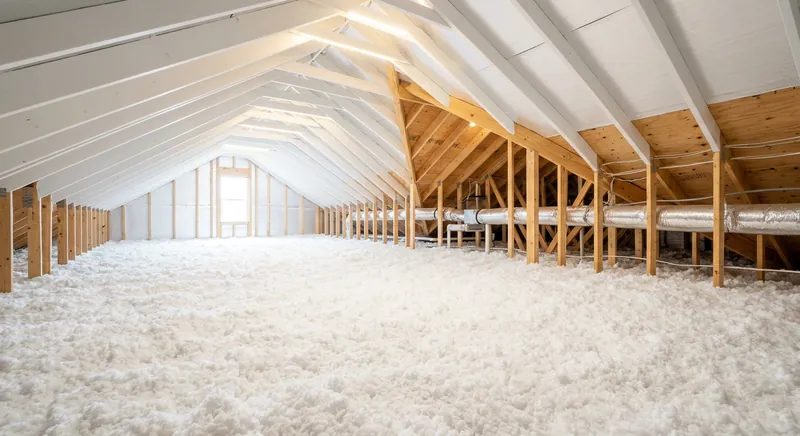
Best Attic Insulation for Hot Climates
Compare spray foam, radiant barriers, blown fiberglass, and cellulose attic insulation to stop intense radiant heat gain, lower cooling bills, and control humidity.
 Attic & Insulation
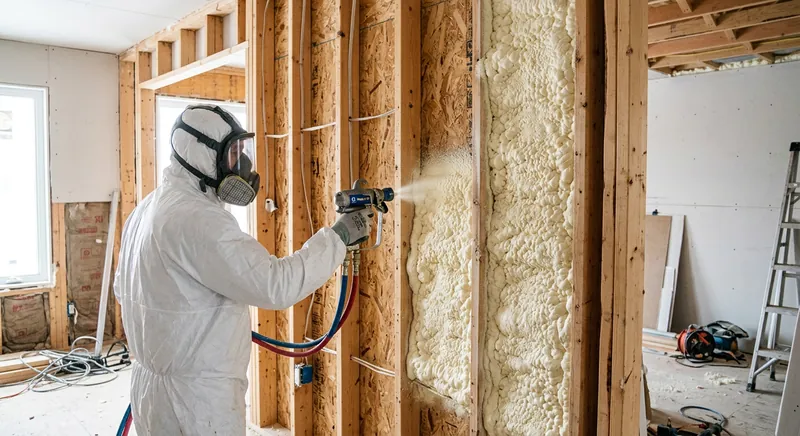
Best Spray Foam Insulation Kits for DIY Use
DIY spray foam kits let you insulate and air-seal in one step. Here is how to compare closed-cell vs open-cell kits, coverage, expansion ratio, and the safety gear you need.
 Attic & Insulation
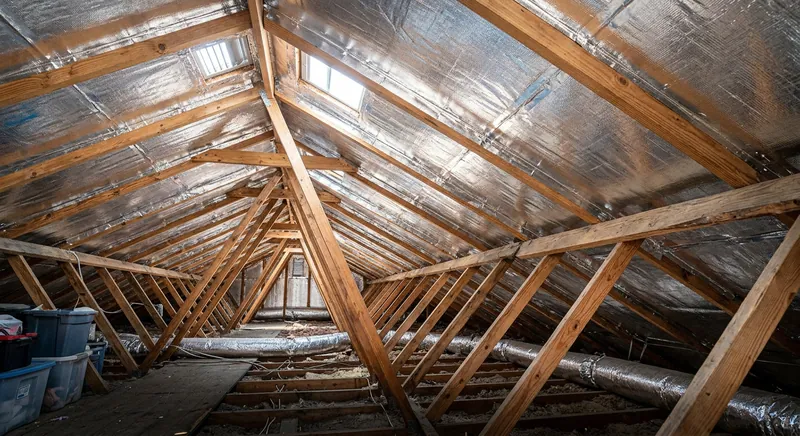
Best Radiant Barriers for Attic Heat Reduction
Radiant barriers reflect attic heat back toward the roof, reducing temperatures by 10–20°F. Here is how to compare foil barriers, radiant barrier paint, and installation methods.
 Attic & Insulation
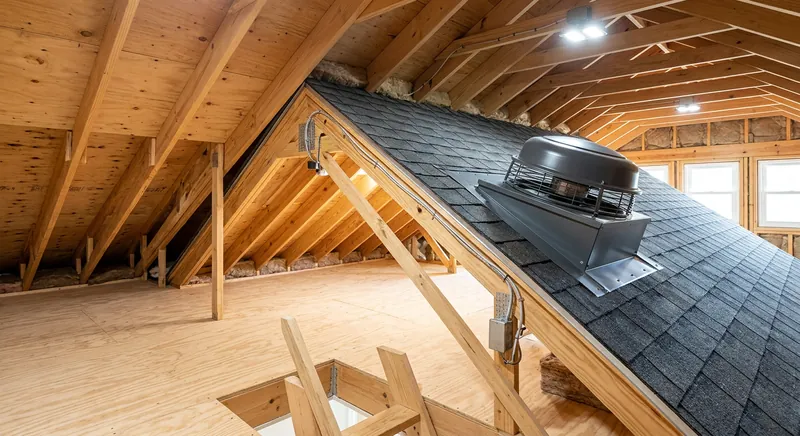
Best Attic Fans for Ventilation and Temperature Control
Compare solar and electric attic ventilation fans by airflow, thermostat controls, roof mounting, and IRC building codes to cool your attic and protect your roof.
Get Smarter About Your Home
Receive practical buying guides, product comparisons, maintenance tips and home project ideas from HomeGear Guide.
You can unsubscribe at any time.