Best Spray Foam Insulation Kits for DIY Use
Affiliate Disclosure: HomeGear Guide is reader-supported. When you buy through links on our site, we may earn an affiliate commission at no extra cost to you. We do not accept paid product placements or sponsor-biased reviews.
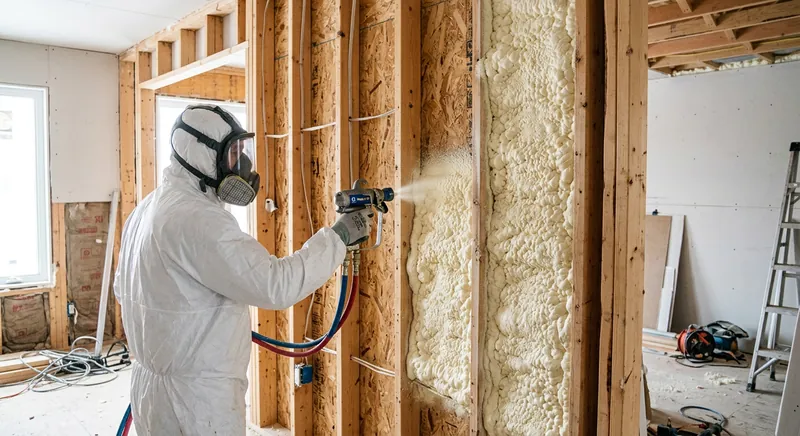
Spray foam insulation kits have made it possible for homeowners to tackle small-to-medium insulation projects without hiring a professional contractor. These kits come with two chemical components (an isocyanate and a resin) that mix at the spray gun and expand to fill gaps, cavities, and cracks — providing both insulation and an air seal in a single application. DIY kits are available in both closed-cell and open-cell formulations, with coverage ranging from 200 to 600 board feet per kit. They are ideal for rim joists, crawlspaces, attic penetrations, and small addition projects. However, spray foam is unforgiving — mistakes are difficult and expensive to fix, and the chemicals require strict safety precautions. This guide compares kit types, coverage, expansion ratios, and safety requirements so you can decide whether a DIY spray foam kit is right for your project.
Quick Answer
Closed-cell spray foam kits are the best choice for most homeowners because they provide the highest R-value per inch at 6.0 to 7.0, resist moisture, act as a vapor retarder, and add structural rigidity, making them ideal for rim joists, crawlspaces, and basement areas. Open-cell kits offer more coverage per kit at 600 to 1,200 board feet versus 200 to 600 for closed-cell, and cost less per board foot, but they absorb moisture and should only be used in dry interior spaces. The break-even point between DIY and professional installation is roughly 1,000 to 1,500 board feet, below which kits save 50 percent or more. Safety equipment is non-negotiable for all kit sizes since spray foam contains isocyanates that are respiratory sensitizers, requiring a NIOSH-approved respirator with organic vapor cartridges and a full-body suit.
Top Picks at a Glance
Closed-Cell Spray Foam Kit
Open-Cell Spray Foam Kit
High-Yield Spray Foam Kit
Small Area Spray Foam Kit
Product Comparison
| Product | Best For | Type | Coverage | Expansion Ratio | Safety Requirements | Price Range | Details |
|---|---|---|---|---|---|---|---|
Closed-Cell Spray Foam Kit Best Overall | Homeowners who need high R-value, moisture resistance, and structural rigidity | Closed-cell polyurethane (two-component) | 200–600 board feet per kit | 30:1 to 40:1 | Respirator, chemical gloves, full-body suit, eye protection | $300–$700 per kit | View Review ↓ |
Open-Cell Spray Foam Kit | Homeowners who want more coverage per kit and are insulating dry interior spaces | Open-cell polyurethane (two-component) | 600–1,200 board feet per kit | approximately 100:1 | Respirator, chemical gloves, full-body suit, eye protection | $250–$500 per kit | View Review ↓ |
High-Yield Spray Foam Kit Best Coverage | Homeowners with larger projects who want maximum coverage from a single kit | Closed-cell or open-cell (large-format two-component) | 600–2,000 board feet per kit | 30:1 (closed-cell) to 100:1 (open-cell) | Respirator, chemical gloves, full-body suit, eye protection | $500–$1,200 per kit | View Review ↓ |
Small Area Spray Foam Kit | Small projects — sealing gaps, rim joists in a small area, or attic penetrations | Closed-cell (compact two-component) | 12–200 board feet per kit | 30:1 to 40:1 | Respirator, chemical gloves, full-body suit, eye protection | $45–$250 per kit | View Review ↓ |
Closed-Cell Spray Foam Kit
Best Overall- Best For:
- Homeowners who need high R-value, moisture resistance, and structural rigidity
- Type:
- Closed-cell polyurethane (two-component)
- Coverage:
- 200–600 board feet per kit
- Expansion Ratio:
- 30:1 to 40:1
- Safety Requirements:
- Respirator, chemical gloves, full-body suit, eye protection
- Price Range:
- $300–$700 per kit
Open-Cell Spray Foam Kit
- Best For:
- Homeowners who want more coverage per kit and are insulating dry interior spaces
- Type:
- Open-cell polyurethane (two-component)
- Coverage:
- 600–1,200 board feet per kit
- Expansion Ratio:
- approximately 100:1
- Safety Requirements:
- Respirator, chemical gloves, full-body suit, eye protection
- Price Range:
- $250–$500 per kit
High-Yield Spray Foam Kit
Best Coverage- Best For:
- Homeowners with larger projects who want maximum coverage from a single kit
- Type:
- Closed-cell or open-cell (large-format two-component)
- Coverage:
- 600–2,000 board feet per kit
- Expansion Ratio:
- 30:1 (closed-cell) to 100:1 (open-cell)
- Safety Requirements:
- Respirator, chemical gloves, full-body suit, eye protection
- Price Range:
- $500–$1,200 per kit
Small Area Spray Foam Kit
- Best For:
- Small projects — sealing gaps, rim joists in a small area, or attic penetrations
- Type:
- Closed-cell (compact two-component)
- Coverage:
- 12–200 board feet per kit
- Expansion Ratio:
- 30:1 to 40:1
- Safety Requirements:
- Respirator, chemical gloves, full-body suit, eye protection
- Price Range:
- $45–$250 per kit
Detailed Product Reviews & Specifications
Closed-Cell Spray Foam Kit
A closed-cell spray foam kit produces a dense, rigid foam with a high R-value of approximately 6.0–7.0 per inch. Closed-cell foam is moisture-resistant, acts as a vapor retarder at sufficient thickness, and adds structural strength to walls and roofs. DIY kits typically come in 200–600 board foot sizes and include the two-component tanks, spray gun, hoses, and nozzles. Closed-cell foam expands at a ratio of about 30:1 to 40:1, meaning a small amount of liquid produces a significant volume of foam.
Pros
- •Highest R-value per inch of any insulation (6.0–7.0/inch)
- •Moisture-resistant — acts as a vapor retarder
- •Adds structural rigidity to walls and roofs
- •Creates an effective air seal
Cons
- •More expensive per board foot than open-cell
- •Dense foam is harder to trim and clean up
- •Over-application can bow or warp framing
- •Limited coverage per kit compared to open-cell
Key Specifications
Open-Cell Spray Foam Kit
An open-cell spray foam kit produces a softer, lighter foam with an R-value of approximately 3.5–3.8 per inch. Open-cell foam is not moisture-resistant and does not act as a vapor retarder, but it expands at a higher ratio (about 100:1), which means more coverage per kit — typically 600–1,200 board feet. It is ideal for interior wall cavities, attic floors, and soundproofing applications where moisture is not a concern.
Pros
- •More coverage per kit than closed-cell
- •Lower cost per board foot
- •Higher expansion ratio fills large cavities easily
- •Softer foam is easier to trim and clean up
Cons
- •Lower R-value per inch (3.5–3.8)
- •Not moisture-resistant — cannot be used in damp areas
- •Does not act as a vapor retarder
- •Less structural rigidity than closed-cell
Key Specifications
High-Yield Spray Foam Kit
A high-yield spray foam kit is a larger-format kit designed to cover more area per purchase. These kits typically contain enough material for 600–1,000 board feet of closed-cell foam or 1,000–2,000 board feet of open-cell foam. They come with larger tanks, longer hoses, and multiple spray nozzles. High-yield kits are more economical per board foot than standard kits, but they require a larger upfront investment and have a limited working time once the chemicals are activated.
Pros
- •Lower cost per board foot than standard kits
- •Fewer kits needed for larger projects
- •Longer hoses reach more area without moving tanks
- •Professional-grade spray gun included
Cons
- •Higher upfront cost per kit
- •Limited pot life once chemicals are mixed — must be used within a set time
- •Heavier tanks are harder to move
- •Wasted material if you cannot use it all before it cures
Key Specifications
Small Area Spray Foam Kit
A small area spray foam kit is a compact, lower-capacity kit designed for targeted applications. These kits typically cover 12–200 board feet and come in smaller, lighter tanks with a compact spray gun. They are ideal for sealing around plumbing penetrations, wiring holes, rim joists in a small basement, or gaps around windows and doors. The smaller size makes them easier to handle and more affordable for projects that do not warrant a full-size kit.
Pros
- •Lowest cost entry point for spray foam
- •Compact and easy to handle
- •No waste — right-sized for small jobs
- •Includes everything needed for small applications
Cons
- •Limited coverage — not suitable for large projects
- •Higher cost per board foot than larger kits
- •Small nozzles can clog if not cleaned properly
- •May not include enough nozzles for multiple sessions
Key Specifications
Closed-Cell vs. Open-Cell: Which Do You Need?
The choice between closed-cell and open-cell spray foam comes down to where you are applying it and what you need it to do.
Closed-cell foam is dense, rigid, and moisture-resistant. It has an R-value of 6.0–7.0 per inch and acts as a vapor retarder at 1.5–2 inches of thickness. It is the right choice for crawlspaces, rim joists, basements, and any area where moisture is a concern. It is also better when you need maximum R-value in a limited space.
Open-cell foam is softer, lighter, and more affordable per board foot. It has an R-value of 3.5–3.8 per inch and does not resist moisture. It expands more (100:1 vs 30:1 for closed-cell), giving you more coverage per kit. It is the right choice for interior wall cavities, attic floors, and soundproofing applications in dry areas.
Quick Reference
Closed-cell: R-6–7/inch, moisture-resistant, vapor retarder, rigid, more expensive
Open-cell: R-3.5–3.8/inch, not moisture-resistant, softer, more coverage per kit, less expensive
Rule of thumb: use closed-cell for damp areas and maximum R-value; use open-cell for dry interior areas and soundproofing
Understanding Coverage and Board Feet
Spray foam kits are sold by board feet, not square feet. A board foot is 1 square foot of area at 1 inch of thickness. So a kit rated for 600 board feet could cover 600 square feet at 1 inch thick, 300 square feet at 2 inches thick, or 200 square feet at 3 inches thick.
To calculate how many board feet you need, multiply the square footage of the area by the desired thickness in inches. For example, insulating 200 square feet of rim joist at 2 inches thick requires 400 board feet.
Always buy 10–15% more coverage than you calculate. Overspray, waste in the hoses, and uneven application mean you will not get the full rated coverage from the kit. Running out of foam mid-project is a major problem because the foam in the gun can cure while you get a new kit.
Expansion Ratio and Application Technique
Expansion ratio refers to how much the foam grows from its liquid state to its cured state. Closed-cell foam expands at about 30:1, while open-cell expands at about 100:1. This means open-cell foam fills large cavities more easily but also expands with more force.
Proper technique is to apply foam in thin layers — called "lifts" — of 1–2 inches at a time. This allows each layer to expand and cure properly. Applying too much foam at once can cause it to expand unevenly, trap gas bubbles, or even generate enough heat to cause a fire hazard (a phenomenon called "exothermic reaction").
For closed-cell foam in particular, multiple thin layers are essential. The dense foam generates more heat during curing, and thick applications can smoke, char, or ignite. Follow the manufacturer guidelines for maximum lift thickness — typically 2 inches per layer for closed-cell.
Safety Requirements: Non-Negotiable
Spray foam kits contain isocyanates, which are respiratory sensitizers. Exposure can cause asthma-like symptoms and, with repeated exposure, permanent sensitization. This is not a material to use casually — proper safety equipment is mandatory.
Required safety gear includes: a NIOSH-approved respirator with organic vapor cartridges (not a dust mask — a full or half-face respirator), chemical-resistant gloves, safety goggles or a face shield, and a disposable full-body suit with hood. Work in a well-ventilated area, and leave the area while the foam cures (typically 24 hours for full off-gassing).
Keep a fire extinguisher nearby. Spray foam is flammable during application, and the exothermic curing reaction can generate enough heat to ignite materials in rare cases. Do not smoke or use open flames near the work area.
After Application
Wait at least 24 hours before re-entering the space without a respirator. The foam continues to off-gas during this period. Ventilate the area thoroughly. Trim excess foam with a serrated knife once it is fully cured. Dispose of empty tanks and used nozzles according to local hazardous waste regulations.
DIY Kits vs. Professional Installation
DIY spray foam kits are significantly less expensive than professional installation — typically $0.50–$1.50 per board foot versus $1.50–$3.50 per board foot for a professional. For small projects (rim joists, attic penetrations, small additions), a DIY kit can save you hundreds of dollars.
For larger projects (whole-house insulation, full attic roof decks), professional installation is usually the better choice. Professionals have high-volume equipment that produces a more consistent product, can complete the job faster, and handle cleanup and disposal. They also carry liability insurance — important if something goes wrong.
The break-even point is roughly 1,000–1,500 board feet. Below that, DIY kits are cost-effective. Above that, the cost of multiple kits, the difficulty of achieving consistent results, and the risk of mistakes make professional installation the smarter investment.
Home Insulation R-Value Guide by Climate Zone
Find official Department of Energy (DOE) recommended R-values for your climate zone across attics, exterior walls, and crawlspaces.
Safety & Compliance Notice
Spray foam contains isocyanates, which are respiratory sensitizers. Always wear a NIOSH-approved respirator with organic vapor cartridges, chemical-resistant gloves, eye protection, and a full-body suit. Ventilate the area and avoid re-entering for 24 hours after application.
Frequently Asked Questions
For small projects (under 1,000 board feet), DIY spray foam kits are worth it — you can save 50% or more compared to professional installation. For larger projects, the cost of multiple kits, the risk of mistakes, and the difficulty of achieving consistent coverage make professional installation a better value. DIY kits are best for rim joists, crawlspaces, attic penetrations, and small additions.
Final Verdict
For small-to-medium projects like rim joists, crawlspaces, and attic penetrations, a DIY closed-cell spray foam kit is an excellent investment that provides both insulation and air sealing at a fraction of the professional cost. Choose open-cell for large dry interior areas where more coverage per kit matters. For projects over 1,000 board feet, consider hiring a professional — the cost advantage of DIY kits diminishes at scale, and the risk of mistakes increases. Whatever you choose, never compromise on safety equipment — the isocyanates in spray foam are serious respiratory hazards.
Michael Davies
Home Systems & Repair Editor
Michael writes about roofing, attic ventilation, insulation, and structural repair products for HomeGear Guide. His focus is on helping homeowners understand the materials and tools involved in protecting their home exterior and interior.
Related Articles & Buying Guides
 Attic & Insulation
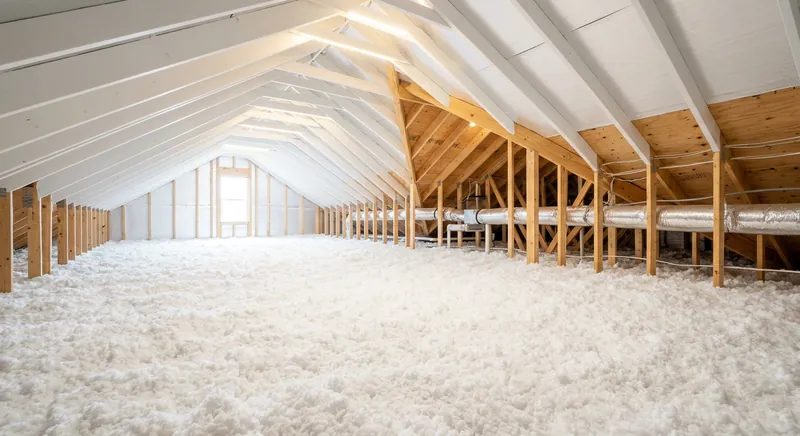
Best Attic Insulation for Hot Climates
Compare spray foam, radiant barriers, blown fiberglass, and cellulose attic insulation to stop intense radiant heat gain, lower cooling bills, and control humidity.
 Attic & Insulation
Best Insulation Blower Rental Options for DIY Installation
Renting an insulation blower lets you install blown-in attic insulation yourself and save significantly on labor. Here is how to compare rental options and get the job done right.
 Attic & Insulation
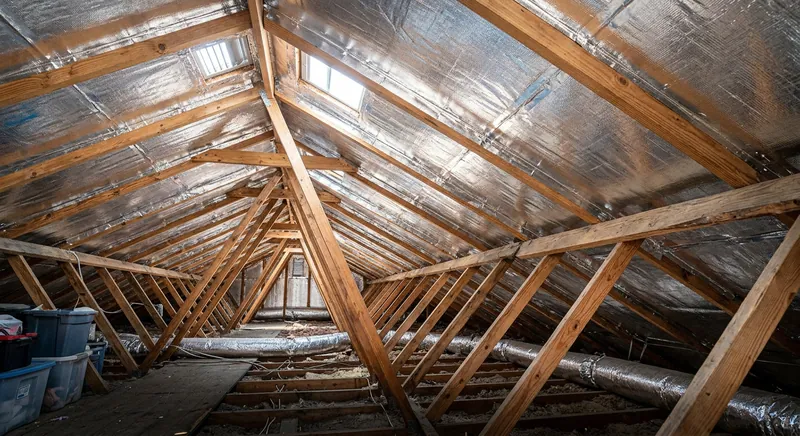
Best Radiant Barriers for Attic Heat Reduction
Radiant barriers reflect attic heat back toward the roof, reducing temperatures by 10–20°F. Here is how to compare foil barriers, radiant barrier paint, and installation methods.
 Attic & Insulation
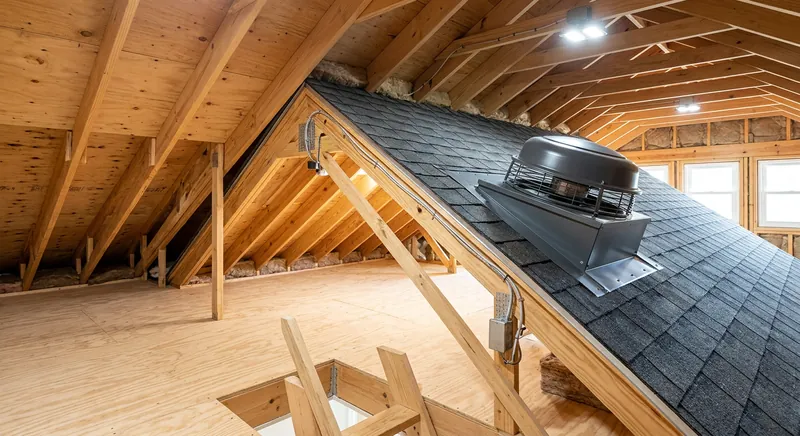
Best Attic Fans for Ventilation and Temperature Control
Compare solar and electric attic ventilation fans by airflow, thermostat controls, roof mounting, and IRC building codes to cool your attic and protect your roof.
Get Smarter About Your Home
Receive practical buying guides, product comparisons, maintenance tips and home project ideas from HomeGear Guide.
You can unsubscribe at any time.