Best Attic Insulation for Hot Climates
Affiliate Disclosure: HomeGear Guide is reader-supported. When you buy through links on our site, we may earn an affiliate commission at no extra cost to you. We do not accept paid product placements or sponsor-biased reviews.
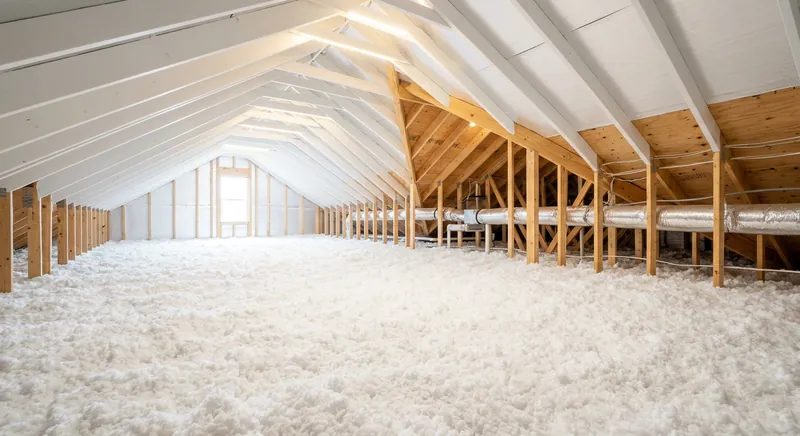
In southern, southeastern, and southwestern U.S. regions (Department of Energy Climate Zones 1, 2, and 3), heating concerns take a backseat to relentless solar heat gain and persistent ambient humidity. When solar radiation strikes an asphalt roof, it heats the roof sheathing up to 150°F or higher. In a hot climate, over 90% of heat transferred into the attic is radiant energy. If that heat penetrates ceiling drywall, central air conditioning systems are forced into nonstop operation. Selecting the right attic insulation for a hot climate requires understanding the difference between conductive thermal resistance (R-value), radiant heat reflection (radiant barriers), and air sealing (spray foam). Michael Davies analyzes building science standards, vapor drive dynamics, and Department of Energy guidelines.
Quick Answer
In hot climates, the most effective insulation strategy depends on whether your attic is vented or unvented. For vented attics, Department of Energy guidelines recommend a minimum of R-38 to R-49 on the attic floor (achievable with 12 to 14 inches of blown fiberglass or cellulose), paired with a perforated radiant barrier foil installed beneath the roof rafters to reflect up to 97% of downward radiant heat. For unvented attics—especially homes where HVAC ductwork runs through the attic—closed-cell or open-cell spray foam applied directly to the underside of the roof deck moves the building envelope to the roofline, keeping air ducts in an 80°F semi-conditioned space and reducing air conditioning cooling loads by 20% to 30%.
Top Picks at a Glance
Closed-Cell Polyurethane Spray Foam
R-6.7 per inch air-impermeable foam that seals ductwork and reinforces roof sheathing.
Perforated Radiant Barrier Foil
Reflects 97% of downward radiant heat gain with breathable perforations preventing moisture traps.
Virgin Blown-In Fiberglass Insulation
Clean, non-settling inorganic floor fill that will not absorb ambient humidity or promote mold.
Dense-Pack Treated Cellulose Insulation
Borate-treated dense cellulose with superior air-retardance and high sound dampening.
Product Comparison
| Product | R-Value / Metric | Air & Vapor Behavior | Fire / Safety Rating | Settling / Durability | Best Application | Details |
|---|---|---|---|---|---|---|
Closed-Cell Polyurethane Spray Foam Best for Roof Decks | R-6.5 to R-7.0 | Impermeable (Air Barrier) | < 0.8 Perms (Vapor Retarder) | 2.0 Lbs / Cu Ft | Unvented attics housing HVAC air handlers and ducts in hot-humid coastal climates | View Review ↓ |
Perforated Radiant Barrier Foil Best Radiant Blocker | 97% | 0.03 (Ultra-Low) | > 8.0 Perms (Breathable) | Heavy-Duty Woven Scrim | Pairing with existing floor insulation in sunny climates to slash peak radiant roof heat | View Review ↓ |
Virgin Blown-In Fiberglass Insulation Best for Vented Floors | R-2.5 (R-38 at ~15 Inches) | < 1% by Weight (Hydrophobic) | < 1% Lifetime | Non-Combustible (ASTM E136) | Vented attic floors where moisture resistance, non-settling, and clean installation are priorities | View Review ↓ |
Dense-Pack Treated Cellulose Insulation Best High-Density Floor Fill | R-3.6 to R-3.8 | 85% Post-Consumer Paper | 100% Borate Treated (No Odor) | 10–15% Settling | Attic floors in hot climates needing maximum airflow resistance and superior acoustic deadening | View Review ↓ |
Closed-Cell Polyurethane Spray Foam
Best for Roof Decks- R-Value / Metric:
- R-6.5 to R-7.0
- Air & Vapor Behavior:
- Impermeable (Air Barrier)
- Fire / Safety Rating:
- < 0.8 Perms (Vapor Retarder)
- Settling / Durability:
- 2.0 Lbs / Cu Ft
- Best Application:
- Unvented attics housing HVAC air handlers and ducts in hot-humid coastal climates
Perforated Radiant Barrier Foil
Best Radiant Blocker- R-Value / Metric:
- 97%
- Air & Vapor Behavior:
- 0.03 (Ultra-Low)
- Fire / Safety Rating:
- > 8.0 Perms (Breathable)
- Settling / Durability:
- Heavy-Duty Woven Scrim
- Best Application:
- Pairing with existing floor insulation in sunny climates to slash peak radiant roof heat
Virgin Blown-In Fiberglass Insulation
Best for Vented Floors- R-Value / Metric:
- R-2.5 (R-38 at ~15 Inches)
- Air & Vapor Behavior:
- < 1% by Weight (Hydrophobic)
- Fire / Safety Rating:
- < 1% Lifetime
- Settling / Durability:
- Non-Combustible (ASTM E136)
- Best Application:
- Vented attic floors where moisture resistance, non-settling, and clean installation are priorities
Dense-Pack Treated Cellulose Insulation
Best High-Density Floor Fill- R-Value / Metric:
- R-3.6 to R-3.8
- Air & Vapor Behavior:
- 85% Post-Consumer Paper
- Fire / Safety Rating:
- 100% Borate Treated (No Odor)
- Settling / Durability:
- 10–15% Settling
- Best Application:
- Attic floors in hot climates needing maximum airflow resistance and superior acoustic deadening
Detailed Product Reviews & Specifications
Closed-Cell Polyurethane Spray Foam
A high-performance two-component polyurethane spray foam applied directly to the underside of roof decking and rafter bays. Expands into a dense, air-impermeable insulation layer that stops moisture migration and radiant transfer in a single step.
Pros
- •Highest thermal performance at R-6.5 to R-7.0 per inch of thickness
- •Acts as a Class II vapor retarder (<1.0 perm) preventing humid outdoor moisture intrusion
- •Creates an airtight thermal envelope, stopping air leakage through ceiling fixtures
- •Significantly reinforces roof sheathing racking strength against hurricane winds
Cons
- •High upfront material and specialized professional installation cost
- •Hides roof leaks until water travels to roof penetrations or exterior soffits
Key Specifications
Perforated Radiant Barrier Foil
A heavy-duty, double-sided reflective aluminized radiant barrier foil reinforced with woven polyethylene scrim. Features microscopic breathable perforations to allow water vapor to escape while reflecting up to 97% of downward radiant heat.
Pros
- •Reflects up to 97% of radiant heat emitted by sun-baked roof sheathing
- •Micro-perforations (perm rating > 8.0) prevent trapped condensation and wood rot
- •Tear-resistant woven scrim prevents ripping during attic installation
- •Maintains low thermal emittance (0.03) over decades of service
Cons
- •Accumulated dust on upward-facing surfaces over 10+ years reduces reflectivity
- •Requires stapling along rafters with a continuous air space facing the foil
Key Specifications
Virgin Blown-In Fiberglass Insulation
A pure, unbonded virgin loose-fill fiberglass insulation designed for pneumatic blowing machines. Does not absorb moisture from humid air, will not settle over time, and is naturally non-combustible.
Pros
- •Hydrophobic glass fibers do not absorb moisture or support fungal mold growth
- •Near-zero settling over time maintains full R-value thickness permanently
- •Naturally non-combustible without requiring chemical fire retardant coatings
- •Lightweight material puts minimal stress on ceiling drywall between joists
Cons
- •Lower R-value per inch (R-2.5) compared to cellulose, requiring thicker coverage
- •Air can filter through loose fibers if ceiling penetrations are not air-sealed first
Key Specifications
Dense-Pack Treated Cellulose Insulation
Manufactured from 85% recycled post-consumer newsprint and treated with 100% natural borates for permanent fire, pest, and mold resistance. Its high physical density resists convective air looping better than loose fiberglass.
Pros
- •Higher R-value per inch (R-3.6 to R-3.8) achieves R-38 at only 10.5 inches depth
- •Dense fibers block convective air movement and ceiling bypass drafts
- •Borate treatment deters rodents, insects, and fungal decay
- •Made from 85% recycled materials with low embodied carbon footprint
Cons
- •Can absorb moisture if roof leaks occur; heavy when soaked
- •Dusty installation requires proper eye protection and respirators
Key Specifications
Understanding Heat Transfer in Hot-Climate Attics
Thermodynamics dictates three forms of heat transfer: radiation, conduction, and convection. In northern heating climates, conduction (heat escaping through the ceiling drywall into cold attic air) is the primary concern. In hot southern climates, radiant heat dominates.
Sunlight strikes dark asphalt shingles, heating them to 150°F or more. This thermal energy conducts through the plywood roof decking and radiates downward as infrared waves directly toward the attic floor. Bulk insulation (fiberglass or cellulose) resists conductive heat flow, but under sustained radiant bombardment, the upper inches of insulation heat up and gradually conduct thermal energy through the drywall into your living room.
What R-Value Do You Need in a Hot Climate?
The Department of Energy (DOE) divides the United States into climate zones. Climate Zone 1 (South Florida, Hawaii), Zone 2 (Gulf Coast, Central Florida, Southern Texas), and Zone 3 (Atlanta, Dallas, Southern California, Arizona) represent hot-humid and hot-arid regions.
DOE and ENERGY STAR specifications recommend:
Uninsulated Attics: Add R-38 to R-49.
Existing Attics with 3–4 inches of old insulation: Add R-30 to R-38 to bring the total to R-38 to R-49.
Achieving R-38 requires approximately 10 to 11 inches of blown cellulose, 14 to 15 inches of loose fiberglass, or 5.5 to 6 inches of closed-cell spray foam. Refer to our Home Insulation R-Value Guide for detailed zone-by-zone specifications.
Spray Foam vs. Fiberglass in Hot Climates: The Ductwork Dilemma
A major flaw in southern residential construction is placing air conditioning equipment and ductwork inside an unconditioned attic. When attic temperatures hit 140°F, ductwork carrying 55°F conditioned air suffers massive thermal gains and condensation sweating.
In this scenario, unvented spray foam applied to the roof deck is vastly superior. By sealing all attic vents and spraying 4 to 5 inches of foam along the underside of the roof rafters, you bring the attic inside the home's thermal boundary. Attic temperatures drop from 140°F down to 80°F–85°F, allowing ductwork to operate in a semi-conditioned environment and reducing central air conditioning loads by up to 25% to 30%.
Why Radiant Barriers Matter in Hot Climates
If your attic is already vented and ductwork is well-insulated, adding a radiant barrier is the most cost-effective thermal upgrade. Laboratory testing by Oak Ridge National Laboratory (ORNL) demonstrates that radiant barriers reflect up to 95% to 97% of radiant heat emitted by roof sheathing.
Always ensure that radiant foil installed across rafters is perforated. Non-perforated vapor barrier foils can trap rising interior humidity during cool winter nights, leading to moisture condensation and hidden wood rot on roof trusses.
Home Insulation R-Value Guide by Climate Zone
Find official Department of Energy (DOE) recommended R-values for your climate zone across attics, exterior walls, and crawlspaces.
Safety & Compliance Notice
Before blowing bulk insulation across an attic floor, seal all plumbing penetrations, electrical wire chases, and ceiling light fixture holes with fire-rated expanding foam. Without air sealing, hot attic air will draft directly through insulation into living areas.
Frequently Asked Questions
R-30 is the bare code minimum in some southern municipalities, but the Department of Energy recommends R-38 to R-49 for optimal energy savings. Upgrading from R-30 to R-38 or R-49 pays for itself within 2 to 4 cooling seasons through reduced electricity bills.
Final Verdict
If your air conditioner and ductwork are installed inside your attic, Closed-Cell Polyurethane Spray Foam applied to the roof deck is the most transformative upgrade, moving ducts into an 80°F conditioned zone. For standard vented attics, the winning strategy is a two-step system: install Perforated Radiant Barrier Foil under roof rafters, then blow Virgin Blown-In Fiberglass to achieve a full R-38 to R-49 on the floor.
Michael Davies
Home Systems & Repair Editor
Michael writes about roofing, attic ventilation, insulation, and structural repair products for HomeGear Guide. His focus is on helping homeowners understand the materials and tools involved in protecting their home exterior and interior.
Related Articles & Buying Guides
 Attic & Insulation
Best Radiant Barriers for Attic Heat Reduction
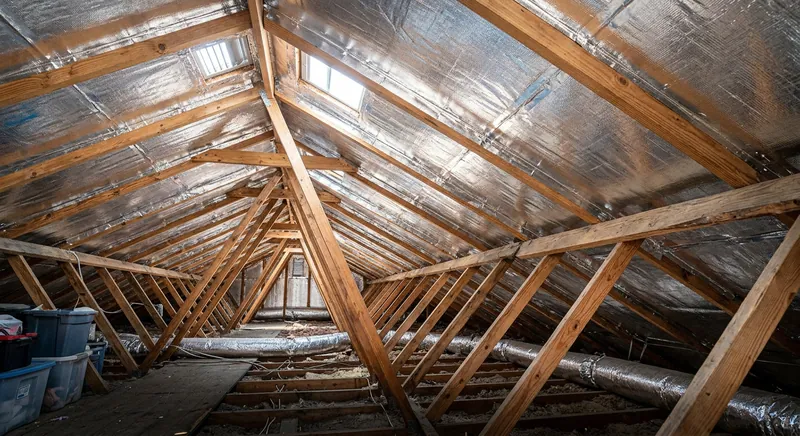
Radiant barriers reflect attic heat back toward the roof, reducing temperatures by 10–20°F. Here is how to compare foil barriers, radiant barrier paint, and installation methods.
 Attic & Insulation
Best Spray Foam Insulation Kits for DIY Use
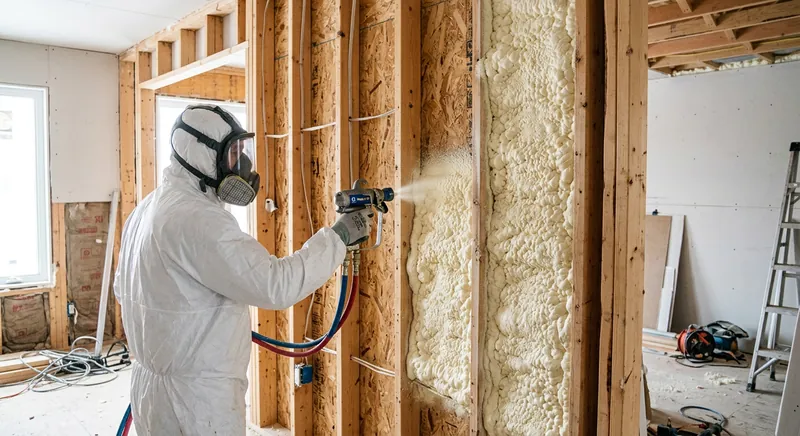
DIY spray foam kits let you insulate and air-seal in one step. Here is how to compare closed-cell vs open-cell kits, coverage, expansion ratio, and the safety gear you need.
 Attic & Insulation
Radiant Barrier vs Insulation: Which Does Your Attic Need?
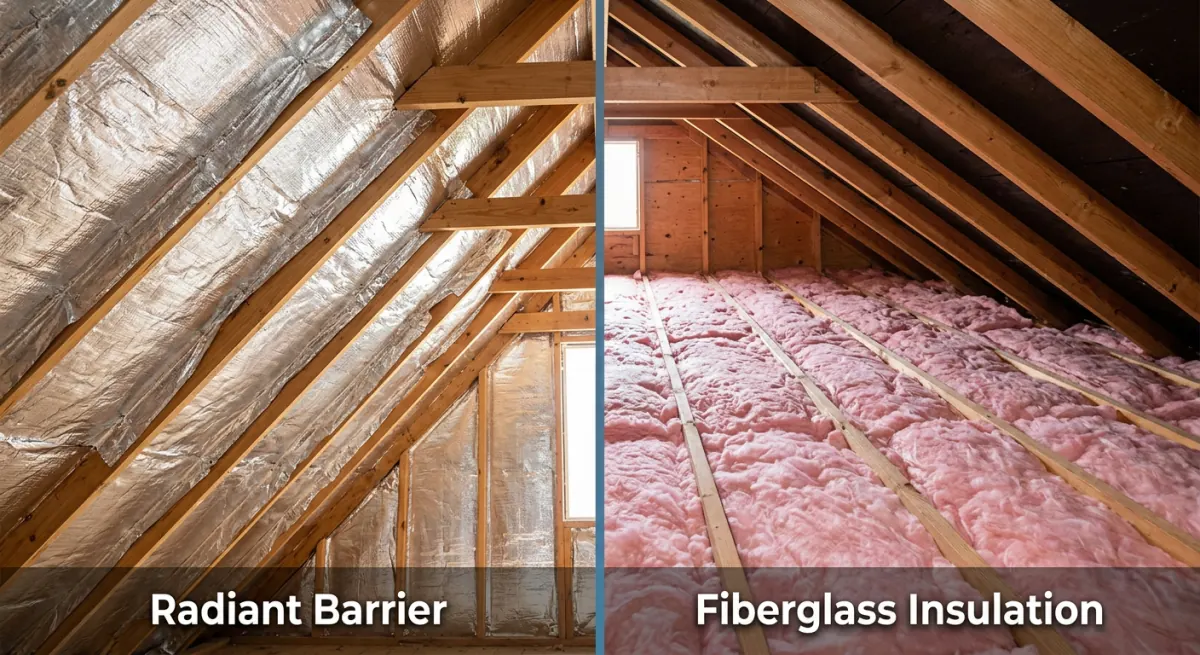
Radiant barriers reflect heat; insulation resists heat transfer. They work differently and are not interchangeable. Learn which your attic needs and whether you should install both.
 Attic & Insulation
Attic Moisture Problems: Causes, Signs, and Solutions
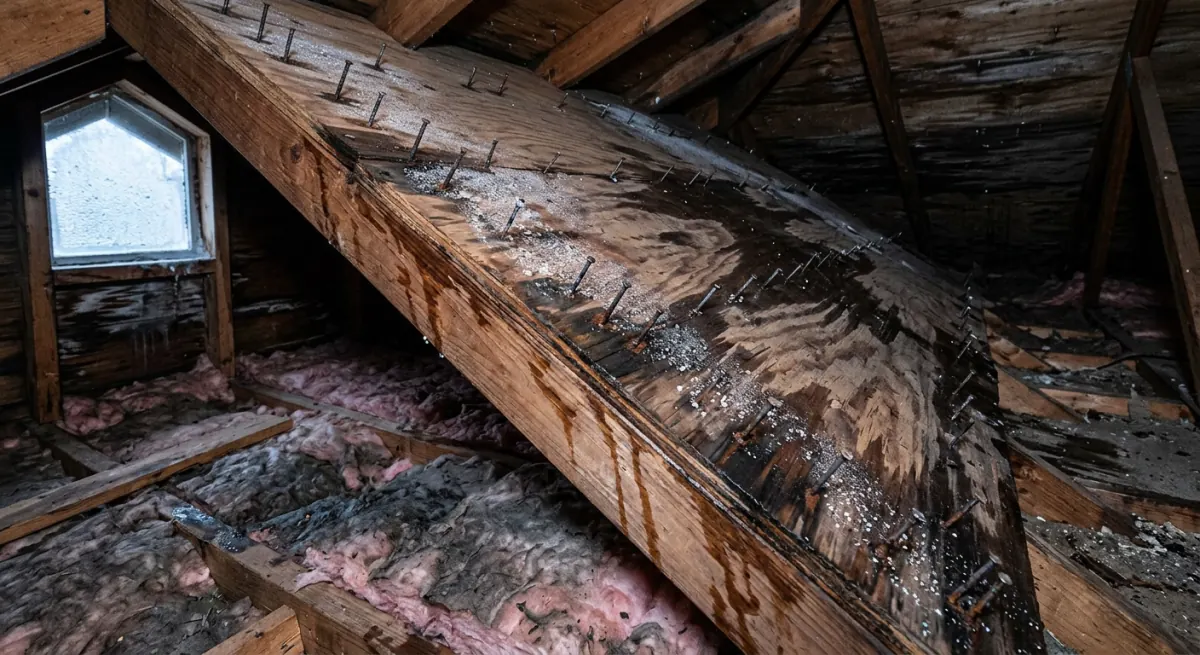
Condensation, mold, and wet insulation in the attic all point to moisture problems. Learn the causes — air leaks, poor ventilation, and exhaust fans — and how to fix them.
 Attic & Insulation
Best Attic Fans for Ventilation and Temperature Control
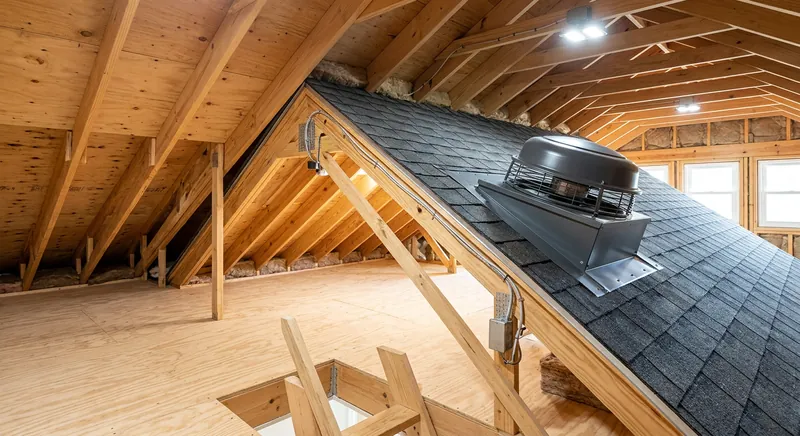
Compare solar and electric attic ventilation fans by airflow, thermostat controls, roof mounting, and IRC building codes to cool your attic and protect your roof.
Get Smarter About Your Home
Receive practical buying guides, product comparisons, maintenance tips and home project ideas from HomeGear Guide.
You can unsubscribe at any time.