Radiant Barrier vs Insulation: Which Does Your Attic Need?
Affiliate Disclosure: HomeGear Guide is reader-supported. When you buy through links on our site, we may earn an affiliate commission at no extra cost to you. We do not accept paid product placements or sponsor-biased reviews.
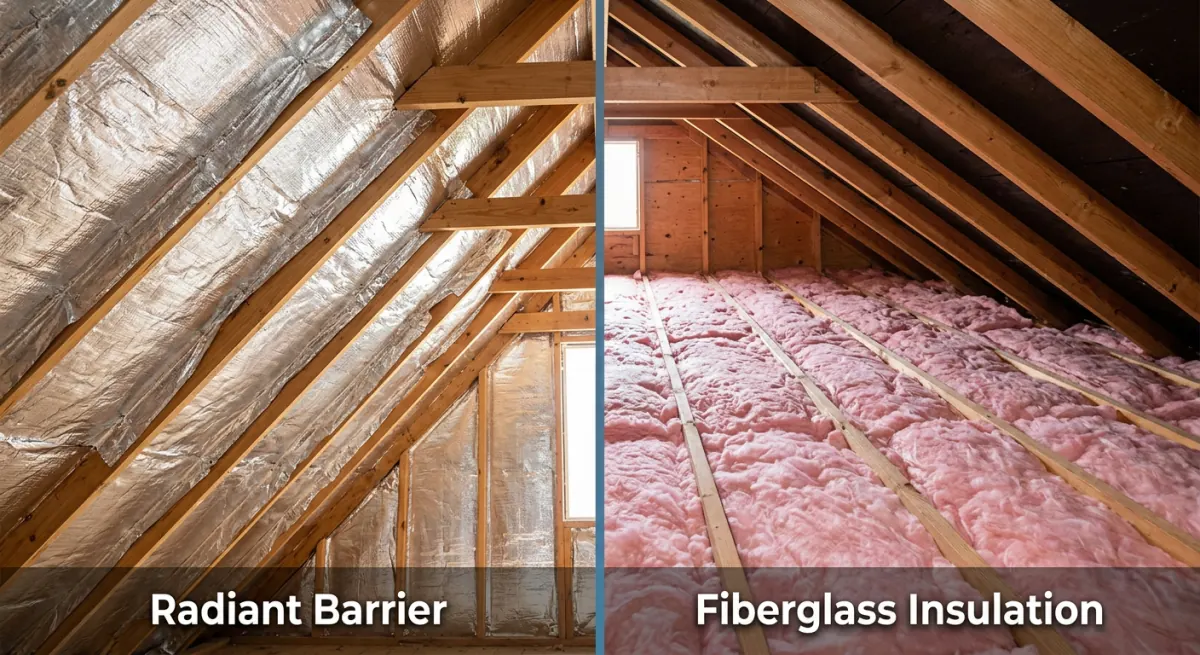
Radiant barriers and traditional insulation are often discussed as if they are competing products, but they work in fundamentally different ways and serve complementary purposes. A radiant barrier is a reflective material — typically aluminum foil bonded to a substrate — that reflects radiant heat away from the attic living space. Traditional insulation (fiberglass, cellulose, spray foam) resists conductive and convective heat transfer by trapping air in small pockets. Understanding the difference is essential because installing one when you need the other wastes money and leaves your home uncomfortable. In most cases, the best solution is both — but the priority depends on your climate, existing insulation, and attic construction.
Quick Answer
Based on our research, the key distinction is heat transfer type: radiant barriers reflect radiant heat (infrared radiation from a hot roof), while traditional insulation resists conductive heat transfer (heat moving through solid materials). Radiant barriers are most effective in hot, sunny climates where the roof surface reaches 150 to 170 degrees and radiates heat downward into the attic. They can reduce attic temperatures by 15 to 30 degrees in these conditions. Traditional insulation (R-38 to R-60) is essential in all climates and is the primary defense against heat transfer through the ceiling. The two products work together: the radiant barrier reduces the amount of radiant heat that reaches the attic interior, and the insulation resists the remaining conductive heat that passes through. For hot climates, install both — radiant barrier under the roof deck plus adequate attic floor insulation. For cold climates, prioritize insulation; a radiant barrier adds little value where summer heat is not the primary concern.
How Radiant Barriers and Insulation Work
Heat transfers in three ways: conduction (through solid materials), convection (through air or fluid movement), and radiation (electromagnetic waves traveling through space). Traditional insulation addresses conduction and convection by trapping air in small pockets that resist heat flow. The effectiveness of insulation is measured in R-value, which quantifies resistance to conductive heat transfer.
Radiant barriers address radiation. When the sun heats your roof, the roof surface becomes hot — often 150 to 170 degrees Fahrenheit on a summer day. This hot surface radiates infrared heat downward into the attic. A radiant barrier, installed under the roof deck, reflects up to 97 percent of this radiant heat back toward the roof, preventing it from reaching the attic interior. The result is a cooler attic — typically 15 to 30 degrees cooler with a properly installed radiant barrier in a hot climate.
The key difference: insulation slows heat that is already moving through a material. A radiant barrier prevents radiant heat from reaching the attic in the first place. They are not interchangeable — insulation has no effect on radiant heat, and a radiant barrier has no R-value (it does not resist conductive heat flow on its own).
A useful analogy: insulation is like a blanket that traps warm air and slows heat transfer. A radiant barrier is like a mirror that reflects heat away. You need the blanket in all climates, and the mirror is most valuable where the sun is intense.
Which Climate Benefits from Each
Hot climates (US South, Southwest, Sun Belt): Radiant barriers provide the most benefit here. Roof surfaces regularly exceed 150 degrees, and the radiant heat load on the attic is significant. A radiant barrier can reduce attic temperatures by 15 to 30 degrees, which reduces the temperature differential across the ceiling and eases the load on air conditioning. In these climates, a radiant barrier plus R-38 to R-49 insulation is an effective combination.
Mixed climates (US Midwest, Mid-Atlantic): Radiant barriers provide moderate benefit. Summer heat is significant enough to justify a radiant barrier, but winter heating is also a concern, making insulation the higher priority. Install adequate insulation first (R-49 to R-60), then add a radiant barrier if summer cooling costs are high.
Cold climates (US North, Northeast, Mountain West): Radiant barriers provide minimal benefit. Summer heat is less intense and shorter in duration, and the primary concern is retaining heat in winter — a job for insulation, not radiant barriers. In cold climates, invest in high R-value insulation (R-49 to R-60) and skip the radiant barrier unless you have a specific summer comfort issue in upstairs rooms.
The Department of Energy recommends radiant barriers primarily for hot climates where cooling costs are a significant portion of annual energy bills. In cold climates, the return on investment for a radiant barrier is low compared to additional insulation.
Installation Differences
Radiant barriers are installed under the roof deck, either stapled to the bottom of the rafters (with the reflective side facing down toward the attic interior) or laid over the attic floor insulation (with the reflective side facing up toward the roof). The under-rafters installation is more effective because it intercepts radiant heat before it enters the attic airspace. The attic floor installation is easier but less effective and can trap moisture if not properly ventilated.
A radiant barrier installation is a moderate DIY project. The material comes in rolls, costs $0.15 to $0.50 per square foot, and is stapled to the rafters with the reflective side facing down. A typical attic requires 1,000 to 2,000 square feet of material, costing $150 to $1,000. Installation takes 1 to 2 days for two people.
Traditional insulation is installed on the attic floor between and over the ceiling joists. Batt insulation is rolled out between joists; blown-in insulation is distributed with a blowing machine. The cost is $0.50 to $3.00 per square foot depending on the type and R-value, or $500 to $2,500 for a typical attic.
When installing both, the radiant barrier goes under the roof deck and the insulation goes on the attic floor. They do not interfere with each other. Ensure that the attic remains ventilated — do not block soffit vents with insulation or cover the radiant barrier material over vent openings.
Do You Need Both?
In hot climates, yes. The combination of a radiant barrier under the roof deck and adequate insulation on the attic floor provides the best thermal performance. The radiant barrier reduces the radiant heat entering the attic, and the insulation resists the remaining conductive heat that reaches the attic floor. Together, they can reduce cooling costs by 10 to 25 percent compared to insulation alone in hot, sunny climates.
In mixed and cold climates, insulation is the priority. If your attic has less than R-38 insulation, adding more insulation provides a better return on investment than a radiant barrier. Once insulation is at R-49 or higher, a radiant barrier may provide marginal additional benefit in mixed climates with hot summers.
If you have spray foam insulation on the underside of the roof deck (creating a conditioned attic), you do not need a radiant barrier. Spray foam already provides both insulation and an air barrier at the roof line, and a radiant barrier would be redundant.
If you have a radiant barrier but inadequate insulation, the radiant barrier alone will not keep your home comfortable. The radiant barrier reduces attic temperature, but without sufficient insulation on the attic floor, heat still transfers through the ceiling. Always ensure adequate insulation before considering a radiant barrier.
Home Insulation R-Value Guide by Climate Zone
Find official Department of Energy (DOE) recommended R-values for your climate zone across attics, exterior walls, and crawlspaces.
Frequently Asked Questions
No. A radiant barrier and insulation work in different ways. A radiant barrier reflects radiant heat but has no R-value — it does not resist conductive heat transfer. Insulation provides R-value but does not reflect radiant heat. You need insulation in all climates, and a radiant barrier is an additional layer that reduces radiant heat in hot climates. They complement each other; neither replaces the other.
Final Verdict
Radiant barriers and insulation serve different purposes and are not interchangeable. Insulation (R-38 to R-60) is essential in every climate — it resists conductive heat transfer through the ceiling and is the primary defense against both summer heat gain and winter heat loss. Radiant barriers reflect radiant heat from the roof surface and are most valuable in hot, sunny climates where roof temperatures exceed 150 degrees. In hot climates, install both: a radiant barrier under the roof deck to reduce radiant heat entering the attic, and adequate insulation on the attic floor to resist the remaining conductive heat. In cold climates, prioritize insulation and skip the radiant barrier. If you have spray foam on the roof deck, you do not need a radiant barrier. The most common mistake is installing a radiant barrier without adequate insulation — the barrier reduces attic temperature but cannot replace the R-value that insulation provides.
Michael Davies
Home Systems & Repair Editor
Michael writes about roofing, attic ventilation, insulation, and structural repair products for HomeGear Guide. His focus is on helping homeowners understand the materials and tools involved in protecting their home exterior and interior.
Related Articles & Buying Guides
 Attic & Insulation
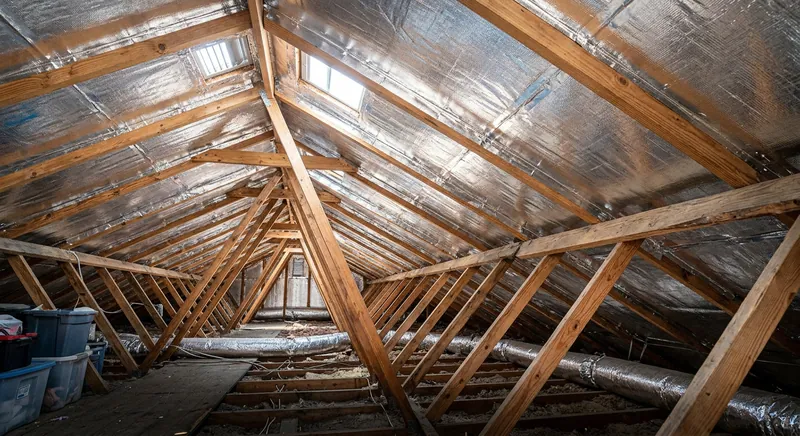
Best Radiant Barriers for Attic Heat Reduction
Radiant barriers reflect attic heat back toward the roof, reducing temperatures by 10–20°F. Here is how to compare foil barriers, radiant barrier paint, and installation methods.
 Attic & Insulation
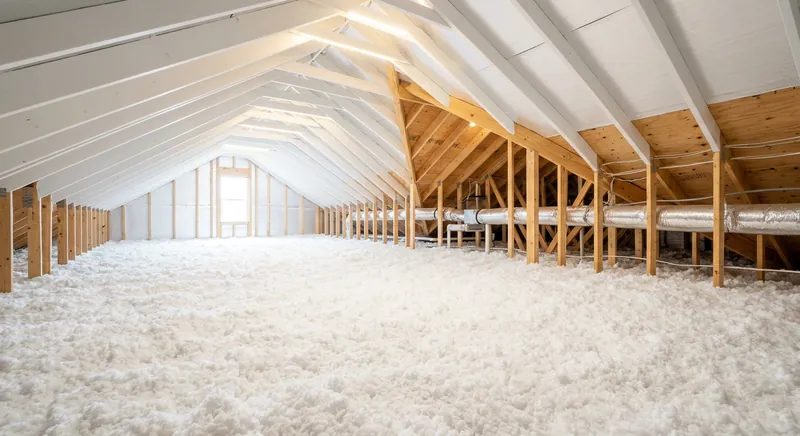
Best Attic Insulation for Hot Climates
Compare spray foam, radiant barriers, blown fiberglass, and cellulose attic insulation to stop intense radiant heat gain, lower cooling bills, and control humidity.
 Attic & Insulation
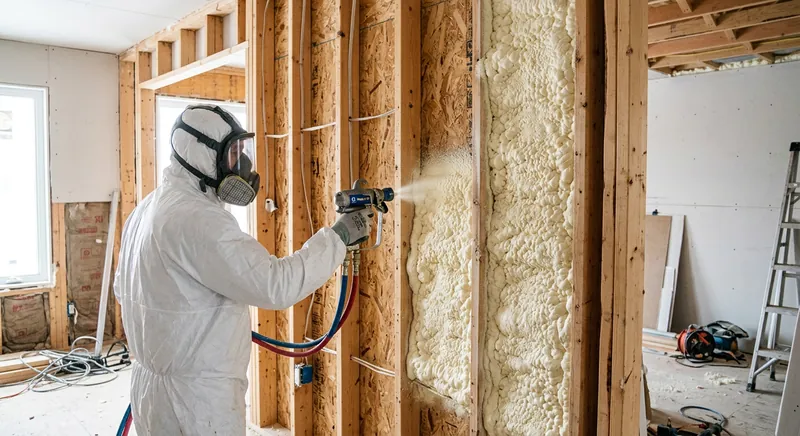
Best Spray Foam Insulation Kits for DIY Use
DIY spray foam kits let you insulate and air-seal in one step. Here is how to compare closed-cell vs open-cell kits, coverage, expansion ratio, and the safety gear you need.
 Attic & Insulation
Attic Ventilation Requirements: Code Rules and Best Practices
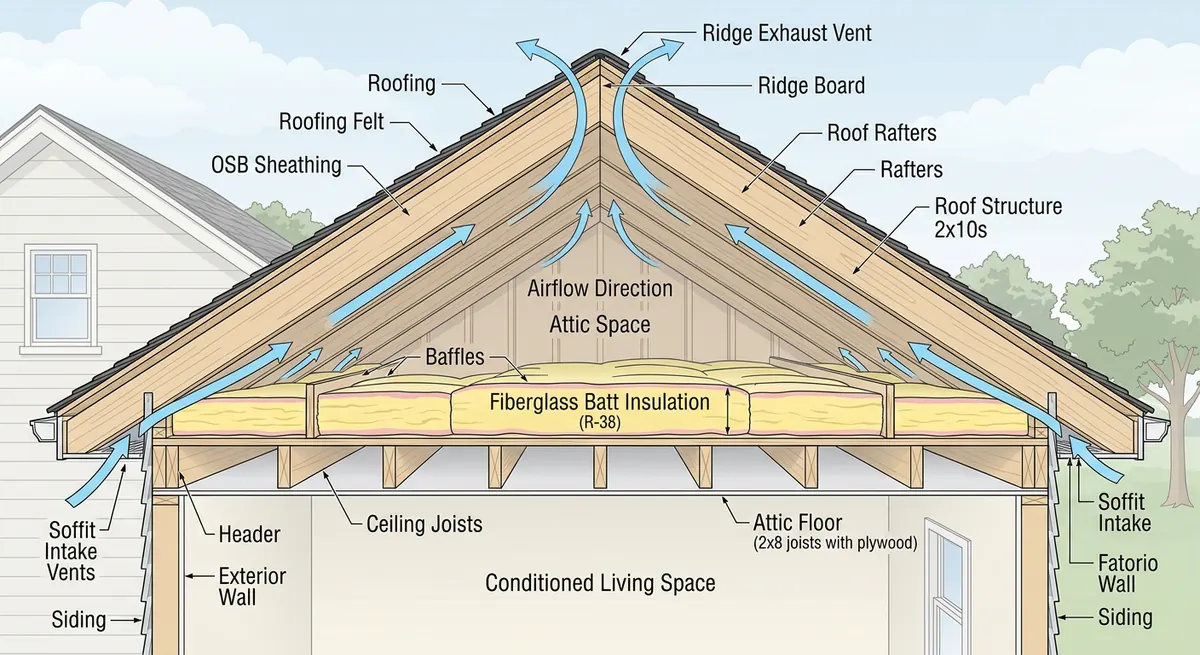
Proper attic ventilation follows the 1:300 rule and a balanced intake-to-exhaust ratio. This guide explains code requirements, vent types, NFA calculations, and the mistakes that cause roof damage.
 Attic & Insulation
Best Attic Fans for Ventilation and Temperature Control
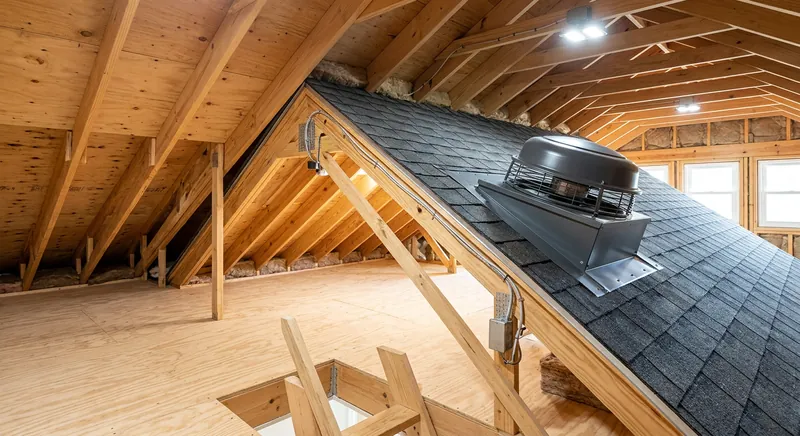
Compare solar and electric attic ventilation fans by airflow, thermostat controls, roof mounting, and IRC building codes to cool your attic and protect your roof.
Get Smarter About Your Home
Receive practical buying guides, product comparisons, maintenance tips and home project ideas from HomeGear Guide.
You can unsubscribe at any time.