Common Causes of Roof Leaks and How to Prevent Them
Affiliate Disclosure: HomeGear Guide is reader-supported. When you buy through links on our site, we may earn an affiliate commission at no extra cost to you. We do not accept paid product placements or sponsor-biased reviews.
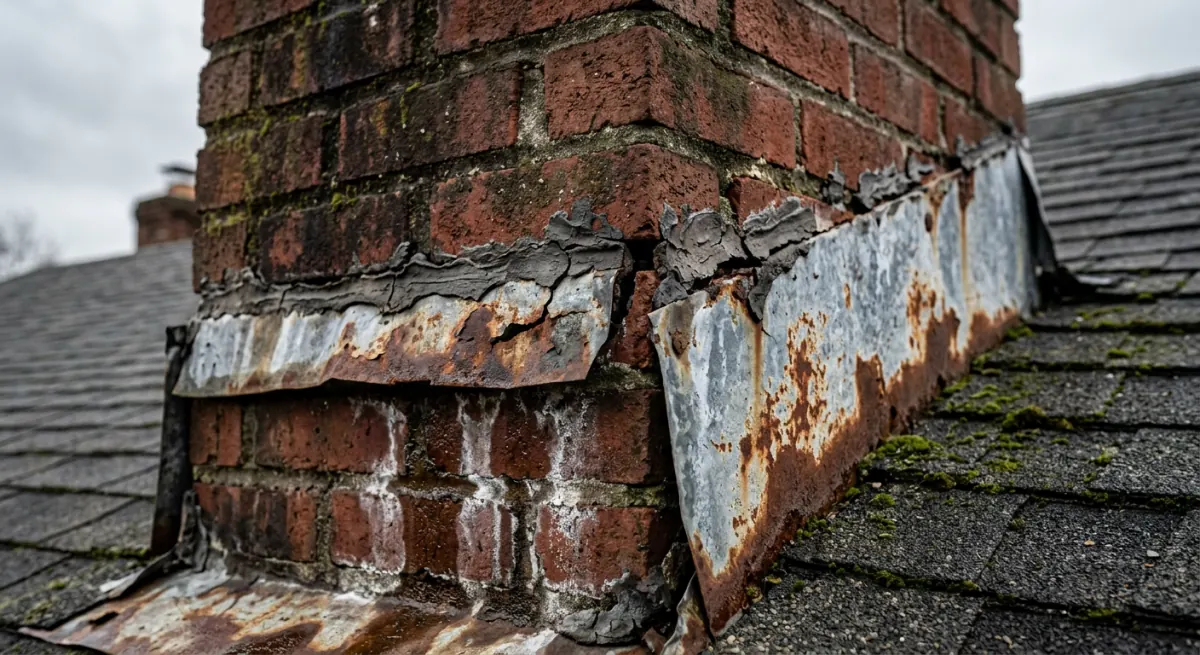
Roof leaks rarely happen without a reason. Almost every leak can be traced to one of a handful of common causes, and understanding these causes is the first step toward preventing them. Flashing failures, damaged or aging shingles, clogged gutters, ice dams, and poor attic ventilation account for the vast majority of residential roof leaks. Each cause has distinct warning signs, prevention strategies, and repair approaches. This guide covers the most common causes of roof leaks, how to spot the early warning signs, and what you can do to prevent each one before it leads to water damage inside your home.
Quick Answer
The most common causes of roof leaks are flashing failure (the leading cause), cracked or degraded plumbing vent boots, damaged or missing shingles, clogged gutters that force water under shingles, ice dams in cold climates, and poor attic ventilation that causes moisture buildup and premature roof aging. Each cause has specific warning signs: water stains near chimneys or skylights point to flashing, dark spots around plumbing pipes indicate vent boot failure, and stains along the roof edge suggest gutter or ice dam problems. Prevention starts with annual roof inspections, gutter cleaning twice per year, proper attic ventilation, and prompt repair of any damaged flashing or shingles. Most leaks can be prevented for under $200 in materials if caught early.
Flashing Failure: The Leading Cause
Flashing is the metal or membrane material that seals joints and transitions on the roof — around chimneys, skylights, vents, and where roof planes meet vertical walls. It is the single most common source of roof leaks because it relies on sealant joints and mechanical fasteners that degrade over time.
Step flashing along sidewalls is particularly vulnerable because it consists of a series of overlapping pieces that can lift, separate, or corrode over time. Counterflashing set into chimney mortar can pull away as the mortar erodes. Plumbing vent boots — the rubber or neoprene gaskets around pipes protruding through the roof — crack from UV exposure within 10 to 15 years.
Warning signs of flashing failure include water stains on interior walls or ceilings near chimneys, skylights, or plumbing walls. In the attic, look for dark spots on the roof deck near penetrations, rust on metal flashing, or daylight visible around vent pipes.
Prevention: Inspect flashing annually, ideally in spring and fall. Look for cracked or missing sealant at flashing joints, corroded metal, and rubber boots that show signs of cracking. Replace vent boots proactively every 10 to 12 years, before they fail. Reseal flashing joints with a quality roofing sealant every 5 to 7 years. A tube of silicone roofing sealant costs $15 to $25 and can prevent a $1,500 repair bill.
Damaged, Missing, or Aging Shingles
Asphalt shingles have a functional lifespan of 20 to 25 years, but damage can occur long before that from wind, hail, impact, and UV exposure. Wind can lift and tear shingles at the seal strip, hail can bruise the asphalt mat and dislodge granules, and UV exposure causes shingles to become brittle and crack over time.
Missing shingles are the most obvious sign — they expose the underlayment and roof deck directly to rain. Curling or clawing shingles (edges turning up or down) indicate aging and moisture problems. Bald spots where granules have worn off expose the asphalt layer, which then cracks and allows water through.
Prevention: After any major storm, do a visual inspection from the ground with binoculars. Look for missing, lifted, or damaged shingles. Replace individual damaged shingles promptly — a single replacement shingle costs $3 to $8 in materials. If more than 10 percent of shingles show damage, consider a professional assessment of the overall roof condition.
Granule loss is normal in small amounts, especially on new roofs, but excessive granules in gutters indicate advanced shingle wear. If your gutters are full of granules and your roof is over 15 years old, plan for replacement rather than continued spot repairs.
Clogged Gutters and Downspouts
Gutters and downspouts are part of the roof system. When they become clogged with leaves, pine needles, and debris, water backs up under the roof edge and can penetrate under shingles. In winter, clogged gutters contribute to ice dam formation by preventing proper drainage.
The warning signs are often visible: water overflowing gutters during rain, sagging gutters, stains on the fascia board, and water pooling near the foundation. Inside, water stains near exterior walls or at the roof edge can indicate gutter backup.
Prevention: Clean gutters at least twice per year — once in late spring and once in late fall after leaves have dropped. If your home is surrounded by trees, clean quarterly. Install gutter guards to reduce debris buildup, but understand that no gutter guard eliminates cleaning entirely. Ensure downspouts are clear and extend at least 4 to 6 feet from the foundation.
A gutter cleaning costs $100 to $250 if hired out, or the cost of a ladder and an afternoon if you do it yourself. Gutter guards cost $4 to $30 per linear foot installed and can significantly reduce cleaning frequency. The investment pays for itself in prevented water damage.
Ice Dams in Cold Climates
Ice dams form when warm air in the attic melts snow on the roof, and the meltwater refreezes at the cold roof edge. The ice buildup creates a dam that traps subsequent meltwater, which then backs up under shingles and into the roof structure. Ice dams are a cold-climate problem that causes significant damage to roofs, gutters, and interior ceilings.
Warning signs include large icicles hanging from the roof edge, ice buildup in gutters, and water stains on exterior walls near the roof line during or after winter storms. The root cause is almost always inadequate attic insulation and ventilation, which allows warm air to reach the roof deck and melt snow unevenly.
Prevention: The most effective prevention is proper attic insulation and ventilation. Ensure attic insulation meets or exceeds local code (typically R-38 to R-60 depending on climate zone). Verify that soffit vents are unblocked and ridge or gable vents provide adequate exhaust airflow. A well-ventilated attic stays close to outdoor temperature, preventing snowmelt.
For immediate protection during a heavy ice dam season, use a roof rake to remove snow from the roof edge after each storm. Install heat cables along the roof edge and in gutters as a last resort — they prevent ice formation but do not address the underlying ventilation problem.
Poor Attic Ventilation
Attic ventilation is not just about temperature — it directly affects roof health. Without proper airflow, moisture from the living space condenses on the underside of the roof deck, leading to mold, wood rot, and premature shingle failure. Poor ventilation also causes extreme attic temperatures in summer, which bake shingles from below and reduce their lifespan.
Warning signs of poor ventilation include a hot, stuffy attic in summer, frost or condensation on roof nails or decking in winter, mold or mildew in the attic, and curling shingles on the exterior. A musty smell in upstairs rooms can also indicate attic moisture problems.
Prevention: Follow the 1:300 ventilation rule — 1 square foot of net free ventilation area for every 300 square feet of attic floor space, split roughly evenly between intake (soffit) and exhaust (ridge or gable) vents. Never block soffit vents with insulation. If your attic has only gable vents and no soffit intake, adding soffit vents will dramatically improve airflow.
An attic fan can supplement passive ventilation in hot climates, but it should not replace proper intake and exhaust venting. A properly ventilated attic reduces cooling costs, extends shingle life, and prevents the moisture buildup that leads to leaks.
Annual Roof Maintenance Checklist
Preventing roof leaks is far less expensive than repairing water damage. This annual checklist covers the key maintenance tasks that prevent the most common causes of leaks.
Spring (after winter): Inspect the roof from ground level for missing or damaged shingles, check gutters for debris and damage from winter, examine flashing around chimneys and vents for cracks or gaps, and inspect the attic for water stains or moisture.
Fall (before winter): Clean all gutters and downspouts thoroughly, ensure downspouts extend away from the foundation, check attic insulation levels and ventilation, and trim any tree branches that overhang the roof.
Year-round: After any major storm with high winds or hail, do a visual inspection. Replace any damaged shingles immediately. Keep gutters clear during fall. Monitor ceilings for any new water stains and investigate promptly.
Budget approximately $200 to $400 per year for routine roof maintenance — gutter cleaning, sealant for flashing touch-ups, and occasional shingle replacement. This is a fraction of the $1,500 to $6,000 cost of repairing water damage from an undetected leak.
Seasonal Home Maintenance Checklist
Customizable seasonal inspection checklist covering roof seals, flashing, gutter drainage, HVAC filters, and foundation protection.
Frequently Asked Questions
Flashing failure is the most common cause of roof leaks. Flashing is the metal or membrane material that seals joints around chimneys, skylights, vents, and where roof planes meet walls. Flashing degrades over time from UV exposure, temperature cycling, and mechanical stress. Sealant joints crack, metal corrodes, and rubber vent boots split within 10 to 15 years. Annual inspection and resealing of flashing joints every 5 to 7 years prevents most leaks.
Final Verdict
Most roof leaks are preventable. The leading causes — flashing failure, damaged shingles, clogged gutters, ice dams, and poor ventilation — all have clear warning signs and affordable prevention strategies. Annual inspections in spring and fall, gutter cleaning twice per year, proactive flashing resealing every 5 to 7 years, and proper attic ventilation and insulation address the vast majority of leak causes before water enters your home. The investment in prevention — roughly $200 to $400 per year — is minimal compared to the $1,500 to $6,000 cost of repairing water damage from an undetected leak. The most important habit is simply looking: at your roof from the ground after storms, at your ceilings for new stains, and in your attic for moisture signs twice per year.
Michael Davies
Home Systems & Repair Editor
Michael writes about roofing, attic ventilation, insulation, and structural repair products for HomeGear Guide. His focus is on helping homeowners understand the materials and tools involved in protecting their home exterior and interior.
Related Articles & Buying Guides
 Roofing & Home Repair
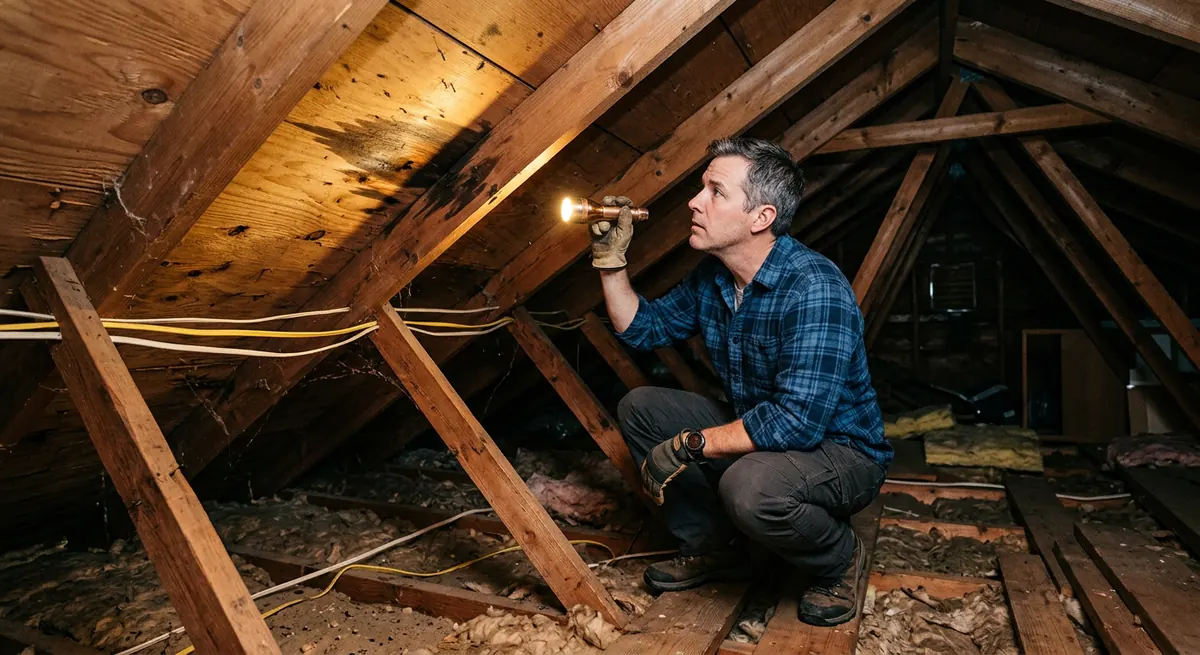
How to Find a Roof Leak Before It Causes Major Damage
A step-by-step guide to tracing a roof leak from interior water stains to the actual entry point on the roof, including attic inspection, exterior checks, and a garden hose test.
 Roofing & Home Repair
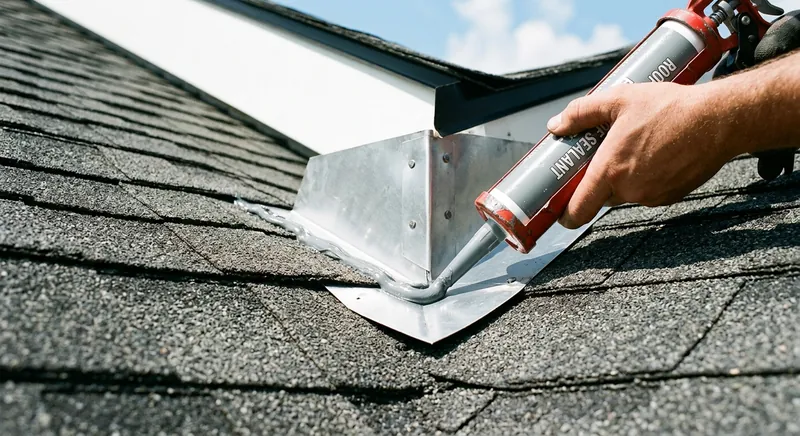
Best Roof Sealants for Reliable Leak Protection
Compare elastomeric, silicone, asphalt, and rubber roof sealants to find the right formula for your specific repair, roof material, and climate.
 Roofing & Home Repair
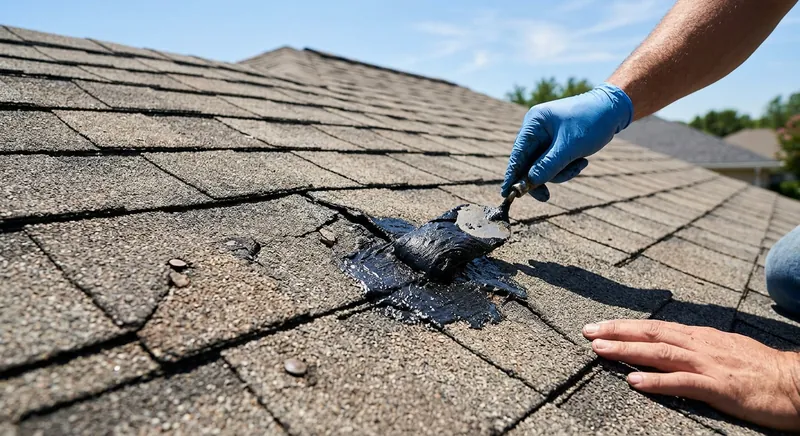
Best Roof Leak Repair Products for Quick Fixes
From emergency patch tape to permanent elastomeric sealant, compare roof leak repair products for different leak types, roof materials, and urgency.
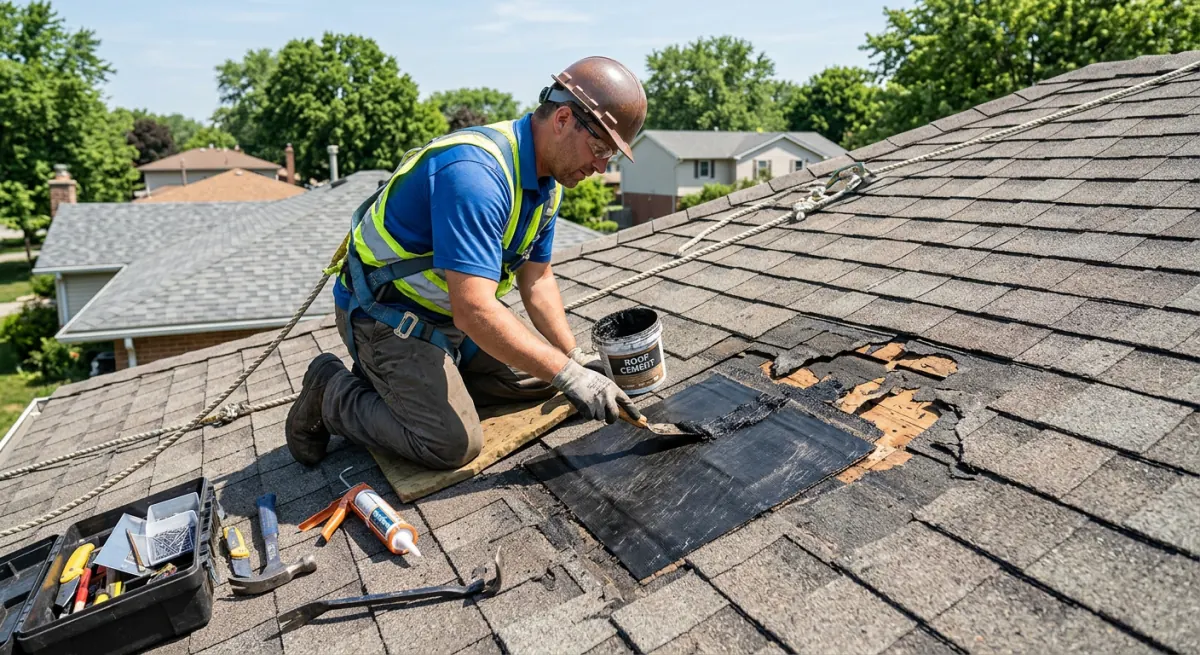 Roofing & Home Repair
Roof Repair Cost Guide: What to Expect for Common Repairs
Understand what common roof repairs cost, the factors that drive pricing, when DIY is safe versus when to hire a professional, and the hidden costs of delaying repairs.
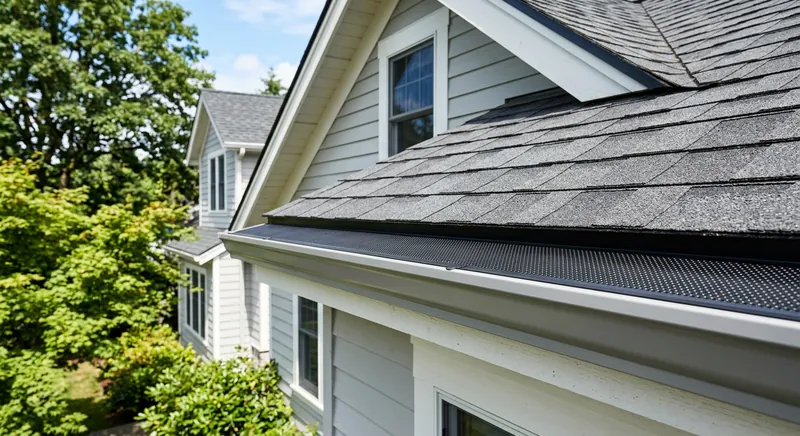 Roofing & Home Repair
Best Gutter Guards for Low-Maintenance Gutters
Mesh, screen, reverse-curve, and foam gutter guards each handle debris differently. Compare types, installation methods, and maintenance needs.
Get Smarter About Your Home
Receive practical buying guides, product comparisons, maintenance tips and home project ideas from HomeGear Guide.
You can unsubscribe at any time.