How Long Does Roof Sealant Last? Lifespan by Type
Affiliate Disclosure: HomeGear Guide is reader-supported. When you buy through links on our site, we may earn an affiliate commission at no extra cost to you. We do not accept paid product placements or sponsor-biased reviews.
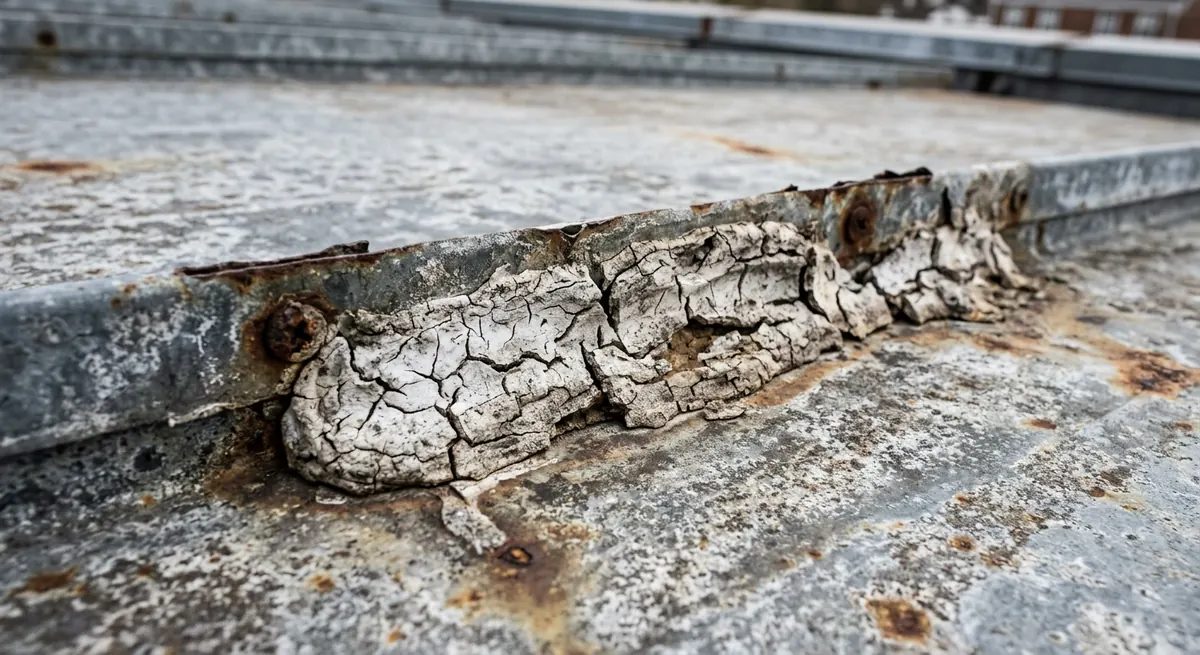
Roof sealant is not a permanent repair. Every sealant has a finite lifespan determined by its chemical composition, the climate it endures, the quality of surface preparation, and the amount of UV exposure it receives. Knowing how long your sealant should last helps you plan maintenance, avoid premature failures, and understand when a sealant repair needs to be redone versus when the underlying roof problem needs a different solution. This guide covers the expected lifespan of each common roof sealant type, the factors that affect durability, and how to maximize the life of your sealant repairs.
Quick Answer
Roof sealant lifespan varies significantly by material: silicone sealants last 10 to 20 years, polyurethane sealants last 7 to 15 years, elastomeric coatings last 5 to 10 years, and asphalt patch compounds last 3 to 5 years. The main factors that affect sealant lifespan are UV exposure (the primary cause of degradation), climate temperature extremes, surface preparation quality, application thickness, and the amount of roof movement or expansion. To maximize sealant life, apply to a clean dry surface at the recommended thickness, choose silicone for UV resistance and flexibility, and inspect sealed areas annually for cracking or adhesion loss. Reseal at the first sign of failure — waiting until the sealant fully fails means water is already entering the roof structure.
Sealant Lifespan by Material Type
Silicone roof sealants last 10 to 20 years. Silicone is the most UV-resistant sealant material, remaining flexible from -40 to 300 degrees Fahrenheit without cracking or hardening. High-quality silicone sealants from reputable manufacturers can approach the 20-year mark in moderate climates with proper application. In extreme climates with intense UV or frequent freeze-thaw cycles, expect 10 to 15 years.
Polyurethane roof sealants last 7 to 15 years. Polyurethane offers excellent adhesion and handles expansion and contraction well, making it ideal for metal roofs and joints that move. However, polyurethane is less UV-resistant than silicone and will chalk and degrade faster in direct sunlight. On north-facing slopes or shaded areas, polyurethane can last 12 to 15 years.
Elastomeric acrylic coatings last 5 to 10 years when applied as a surface coating. These are not gap-filling sealants but rather protective films applied across a roof surface. Their lifespan depends on coating thickness, roof slope, and climate. Ponding water reduces acrylic coating life significantly — standing water breaks down acrylic within 3 to 5 years.
Asphalt patch compounds last 3 to 5 years. These are the shortest-lived sealants because asphalt hardens, cracks, and loses flexibility relatively quickly under UV exposure. Asphalt patch is a budget-friendly option for temporary repairs but should not be considered a long-term solution. Plan to replace asphalt patches within 3 years or upgrade to a silicone or polyurethane product.
Rubberized asphalt and butyl rubber sealants last 5 to 10 years. These offer better flexibility than standard asphalt and better adhesion than silicone on some surfaces. They are commonly used on flat roofs and mobile home roofs where a flexible, waterproof membrane is needed.
Factors That Affect Sealant Lifespan
UV exposure is the single biggest factor in sealant degradation. Ultraviolet radiation breaks down the chemical bonds in sealant materials, causing them to harden, chalk, crack, and lose adhesion. South-facing roof slopes receive the most UV and will degrade sealant faster than north-facing slopes. Silicone handles UV far better than any other sealant type, which is why it has the longest lifespan.
Climate temperature extremes accelerate degradation. Sealants in climates with frequent freeze-thaw cycles (northern US) undergo more expansion and contraction stress, which fatigues the material and can cause adhesion loss. Desert climates with extreme heat and intense UV degrade sealants faster than moderate coastal climates.
Surface preparation is critical. Sealant applied to a dirty, wet, or dusty surface will not achieve proper adhesion and may fail within months regardless of the material quality. The surface must be clean, dry, and free of loose material. For best results, clean the repair area with a wire brush or scraper, wipe with a solvent if needed, and allow it to dry completely before applying sealant.
Application thickness matters. Sealant applied too thin will cure properly but lack the mass to bridge gaps and accommodate movement. Applied too thick, it may not cure fully through the center, leaving a soft layer that fails prematurely. Follow the manufacturer recommended bead size and number of coats.
Roof movement and expansion stress the sealant continuously. Metal roofs expand and contract significantly with temperature changes, and large roof spans on commercial buildings move more than small residential roofs. Sealants on high-movement roofs need to be more flexible (silicone or polyurethane) and may have shorter lifespans than the same product on a stable residential roof.
Signs Your Roof Sealant Is Failing
Cracking or splitting is the most obvious sign. As sealant ages, it loses flexibility and develops surface cracks. These cracks start as hairline fractures and widen over time, eventually allowing water to penetrate through the sealant to the substrate.
Adhesion loss appears as the sealant pulling away from the surface at the edges. If you can press the sealant bead and it lifts or separates from the substrate, the bond has failed. Water can travel behind the sealant even if the top surface looks intact.
Chalking or powdering on the surface indicates UV degradation. This is most common on polyurethane and acrylic sealants. The powdery surface means the top layer has broken down and the underlying material is now exposed to UV.
Hardening or brittleness means the sealant has lost its elastic properties. A properly functioning sealant should feel firm but flexible. If it has become hard and brittle, it can no longer accommodate roof movement and will crack at the next temperature cycle.
Discoloration or shrinkage can indicate chemical breakdown. Some sealants shrink as they age, pulling away from the substrate and creating gaps. Significant color change from the original application can indicate UV damage.
Inspect sealed areas annually. Catching sealant failure early means you can reseal before water penetrates. Once water gets behind failing sealant, the substrate may be damaged, requiring more extensive repair than a simple reseal.
How to Maximize Sealant Lifespan
Choose the right sealant for the job. Silicone for UV-exposed areas and maximum lifespan. Polyurethane for metal roofs and joints with movement. Asphalt patch only for temporary repairs. Matching the sealant to the application is the single most important decision for longevity.
Prepare the surface properly. Remove old sealant, rust, and debris with a wire brush or scraper. Clean with rubbing alcohol or a recommended solvent. Allow the surface to dry completely. This step takes 15 to 30 minutes and can double the lifespan of the sealant.
Apply at the right temperature. Most sealants should be applied between 40 and 90 degrees Fahrenheit. Applying in extreme cold means the sealant will not flow properly and may not cure. Applying in extreme heat can cause premature skinning, where the surface cures before the interior sets.
Apply the right thickness. Follow manufacturer recommendations for bead size and number of coats. For gap-filling applications, apply in two layers with a curing period between, rather than one thick blob that may not cure through.
Inspect annually and maintain proactively. A 15-minute visual inspection of sealed areas each spring and fall can identify early failure before water penetrates. Resealing a small area at the first sign of cracking costs $15 in materials and 20 minutes of time. Waiting until the sealant fully fails and water damages the substrate can cost $300 to $1,500 in repairs.
Roof Sealant Coverage Calculator
Estimate the exact gallons or tubes required based on your roof's square footage, pitch, and coating chemistry (elastomeric, silicone, or acrylic).
Frequently Asked Questions
Unopened sealant tubes have a shelf life of 12 to 24 months when stored in a cool, dry place. Opened tubes should be used within a few weeks. Expired sealant may not cure properly — if the sealant is lumpy, separated, or will not extrude smoothly, discard it and buy a fresh tube. Applying expired sealant results in poor adhesion and premature failure.
Final Verdict
Roof sealant lifespan ranges from 3 years for asphalt patch to 20 years for high-quality silicone. The material you choose, the quality of surface preparation, and the climate you live in determine where in that range your repair falls. Silicone is the longest-lasting option for most homeowners because it resists UV, remains flexible, and adheres to most roofing materials. The most important factor is not the sealant itself but how it is applied — a $15 tube of silicone applied to a properly cleaned and dried surface will outlast a $40 tube applied to a dirty, wet surface. Inspect sealed areas annually, reseal at the first sign of cracking or adhesion loss, and choose the right material for the specific repair. A proactive reseal costs $15 and 20 minutes; a failed sealant that lets water into your home costs $1,500 or more.
Michael Davies
Home Systems & Repair Editor
Michael writes about roofing, attic ventilation, insulation, and structural repair products for HomeGear Guide. His focus is on helping homeowners understand the materials and tools involved in protecting their home exterior and interior.
Related Articles & Buying Guides
 Roofing & Home Repair
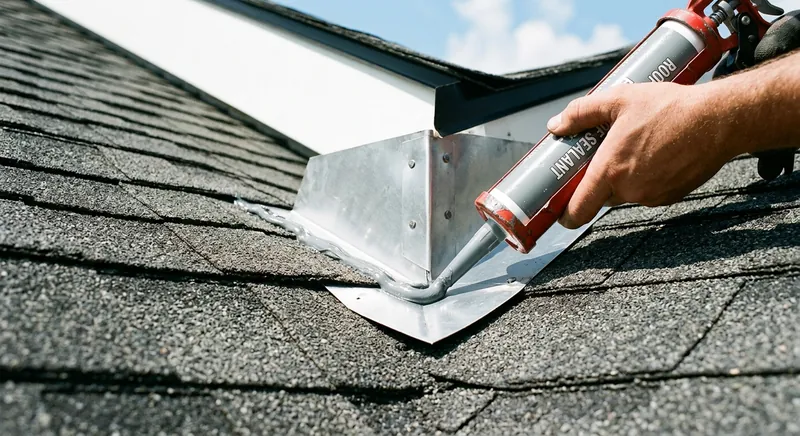
Best Roof Sealants for Reliable Leak Protection
Compare elastomeric, silicone, asphalt, and rubber roof sealants to find the right formula for your specific repair, roof material, and climate.
Roofing & Home RepairRoof Sealant vs Roof Coating: What Is the Difference?
Roof sealants and roof coatings serve different purposes. Learn the material, application, and roof-type differences to choose the right product for your repair.
 Roofing & Home Repair
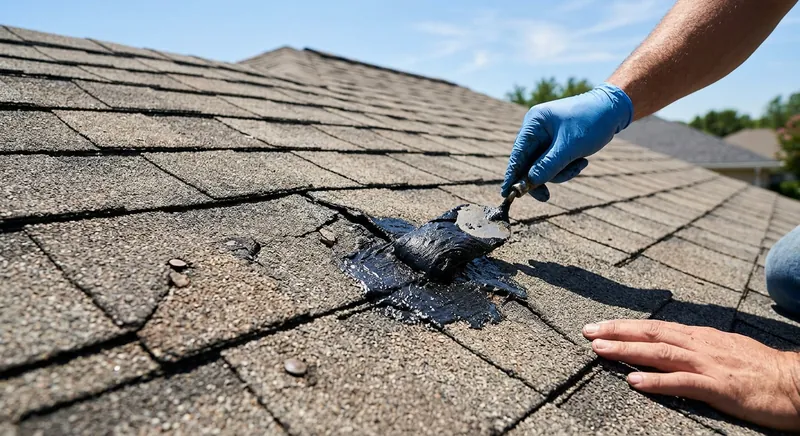
Best Roof Patches for Stopping Leaks Fast
Asphalt, rubberized, and epoxy roof patches each handle different leak scenarios. Compare products for emergency and permanent leak repairs.
 Roofing & Home Repair
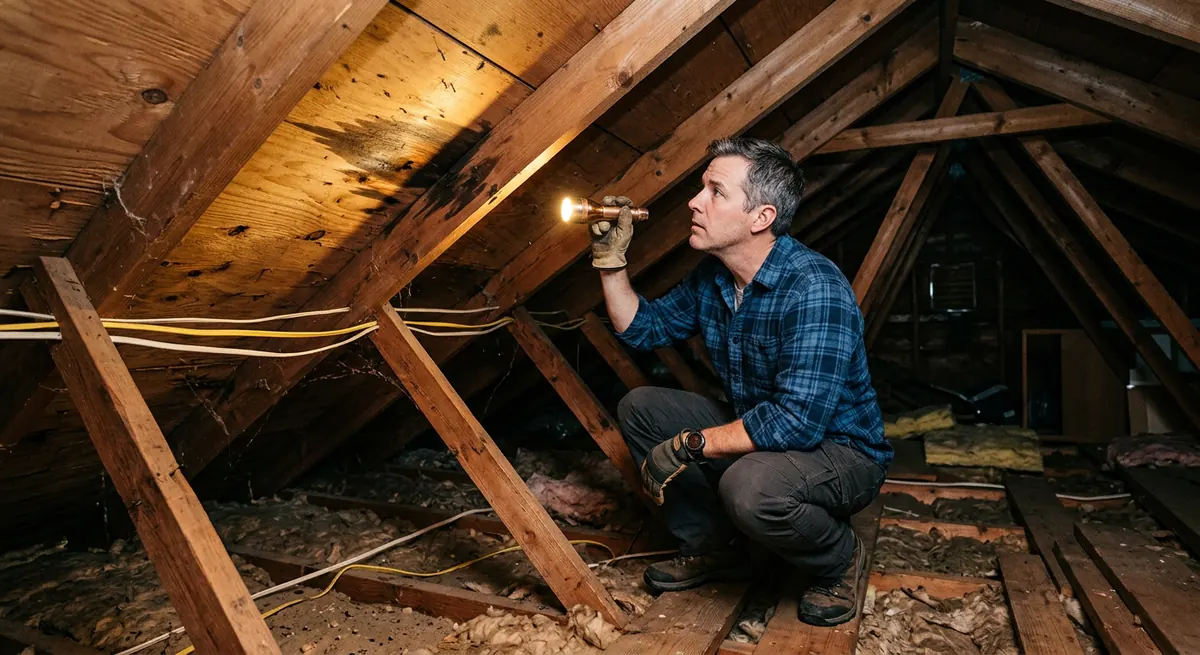
How to Find a Roof Leak Before It Causes Major Damage
A step-by-step guide to tracing a roof leak from interior water stains to the actual entry point on the roof, including attic inspection, exterior checks, and a garden hose test.
 Roofing & Home Repair
Roof Repair Cost Guide: What to Expect for Common Repairs
Understand what common roof repairs cost, the factors that drive pricing, when DIY is safe versus when to hire a professional, and the hidden costs of delaying repairs.
Get Smarter About Your Home
Receive practical buying guides, product comparisons, maintenance tips and home project ideas from HomeGear Guide.
You can unsubscribe at any time.